
Understanding ROHS
2025-11-13
Understanding ROHS: What Does It Mean That Our Electric Mosquito Swatter Has This Certification?
When you're choosing an electric mosquito swatter, have you ever noticed the "ROHS Certification" mark on the product packaging? Many people have only a vague understanding of this certification, or even consider it a "dispensable label". This article will take a deep dive into what ROHS really is, and what important values—for consumers and the environment—lie behind our electric mosquito swatter obtaining this certification.
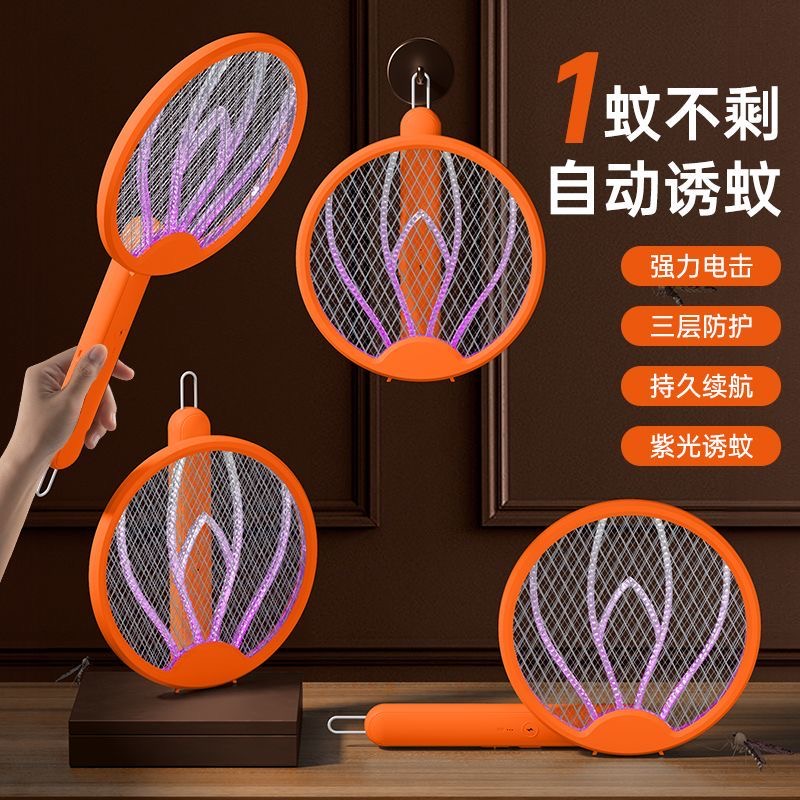
I. What Exactly Is ROHS?
ROHS, whose full name is the Restriction of Hazardous Substances in Electrical and Electronic Equipment Directive, was first issued by the European Union (EU) in 2003. Its core objective is to restrict the use of hazardous chemical substances in electrical and electronic products, thereby reducing harm to human health and the environment.
In simple terms, it acts as a "safety threshold"—any electrical or electronic product (from small items like electric mosquito swatters and mobile phone chargers to large appliances such as refrigerators and washing machines) that enters the EU market must pass tests to prove that the content of 6 hazardous substances (lead, mercury, cadmium, hexavalent chromium, polybrominated biphenyls (PBBs), and polybrominated diphenyl ethers (PBDEs)) meets the upper limit standards set by the EU.
Subsequently, with the advancement of technology and growing demands for environmental protection, ROHS has undergone continuous updates. The latest version currently in effect is ROHS 2.0 (2011/65/EU). Not only has it expanded the scope of products under its regulation, but in 2019, it also added 4 phthalate substances to the restricted list: di(2-ethylhexyl) phthalate (DEHP), butyl benzyl phthalate (BBP), dibutyl phthalate (DBP), and diisobutyl phthalate (DIBP). This increased the number of restricted substances from the previous 6 to 10, making the testing standards more stringent and raising the bar for "green safety" in products.
II. What Does It Mean for an Electric Mosquito Swatter to Pass ROHS Certification?
For ordinary consumers, "an electric mosquito swatter passing ROHS certification" is not an empty marketing claim, but a tangible "safety guarantee" and "environmental commitment". This can be understood from three key perspectives:
1. For Your Family: Say Goodbye to "Invisible Health Risks"
An electric mosquito swatter is a small household appliance that requires close contact—adults may hold it to repel mosquitoes in the living room, while children might curiously play with the body or even lean close to the electric grid to observe. If a product fails to pass ROHS certification, the plastic body or internal circuit board may contain excessive levels of hazardous substances like lead and cadmium:
- Prolonged exposure to lead can impair the development of children's nervous systems;
- If the product ages or the outer casing is damaged, heavy metals such as cadmium may enter the human body through skin contact or accidental ingestion (especially by young children), posing hidden health risks.
In contrast, an electric mosquito swatter that has passed ROHS certification means all its materials have undergone rigorous testing, and the content of all 10 hazardous substances is below the EU limits. Even with long-term use and close contact, it can minimize "invisible harm", providing a more reassuring user experience for both the elderly and children.

2. For the Environment: Reducing "E-Waste Pollution"
The service life of an electric mosquito swatter is usually 1 to 3 years, and after it is discarded, it becomes "electronic waste" (e-waste). If the product has not passed ROHS certification, its disposal can lead to two types of pollution:
- When buried in soil, heavy metals like lead and mercury can seep into groundwater, contaminating both soil and water sources;
- When incinerated, substances such as polybrominated biphenyls (PBBs) release toxic gases, harming air quality.
An ROHS-certified electric mosquito swatter, however, uses fewer hazardous substances from the very beginning of the production process. Even when it becomes e-waste, its impact on the environment is significantly reduced. This not only complies with the EU's environmental requirements but also represents our commitment to "sustainable development"—contributing to reducing environmental pollution through a small everyday product.
3. For the Product: A Testament to "Reliable Quality"
ROHS certification is not a label that can be obtained "by simply paying money"; it requires strict testing by third-party authoritative institutions. Every step, from the procurement of raw materials (such as the plastic casing, internal copper wires, and electronic components) to the production and manufacturing process, must meet the regulatory standards.
Obtaining ROHS certification demonstrates that our electric mosquito swatter not only meets the standards for "safety and environmental protection" but also has a solid foundation in "quality control management". After all, a brand that can strictly control the content of hazardous substances in its raw materials will undoubtedly not compromise on key performance aspects of the product, such as durability, grid safety (e.g., anti-leakage design), and battery life.
III. Final Reminder: Don’t Overlook These Two Details When Choosing an Electric Mosquito Swatter
After reading this article, here are two key points to keep in mind the next time you buy an electric mosquito swatter:
- Check the packaging: Look for a clear "ROHS Certification Mark" (usually a circular icon with the letters "ROHS" inside);
- Verify the certificate: Formal brands will provide an ROHS certification report issued by a third-party testing institution. You can request a copy from customer service if needed.
Ultimately, the primary function of an electric mosquito swatter is to "repel mosquitoes", but "safety" and "environmental protection" are the fundamental bottom lines. Choosing an ROHS-certified product is not only a responsible choice for your family's health but also a small contribution to protecting the environment.
We have always believed that a good small household appliance should not only be "easy to use" but also "safe" and "environmentally friendly". This is precisely why we insist on ensuring every electric mosquito swatter we produce obtains ROHS certification—to safeguard your life through careful attention to detail and convey the warmth of our brand through a sense of responsibility.
Must-Have Security Essential for Rental Homes
Aofengming Electric Donates Nearly 400 Electric Mosquito Swatters
Related Article

If you’re struggling with annoying mosquitoes, flies, and other flying pests indoors and outdoors, upgrading from traditional manual tools to anElectric Mosquito Swatter is the most efficient solution. Many homeowners and renters search where to buy fly swatter online to find durable, safe, and high-performance electric models that deliver instant pest control.
Where to Buy Fly Swatter
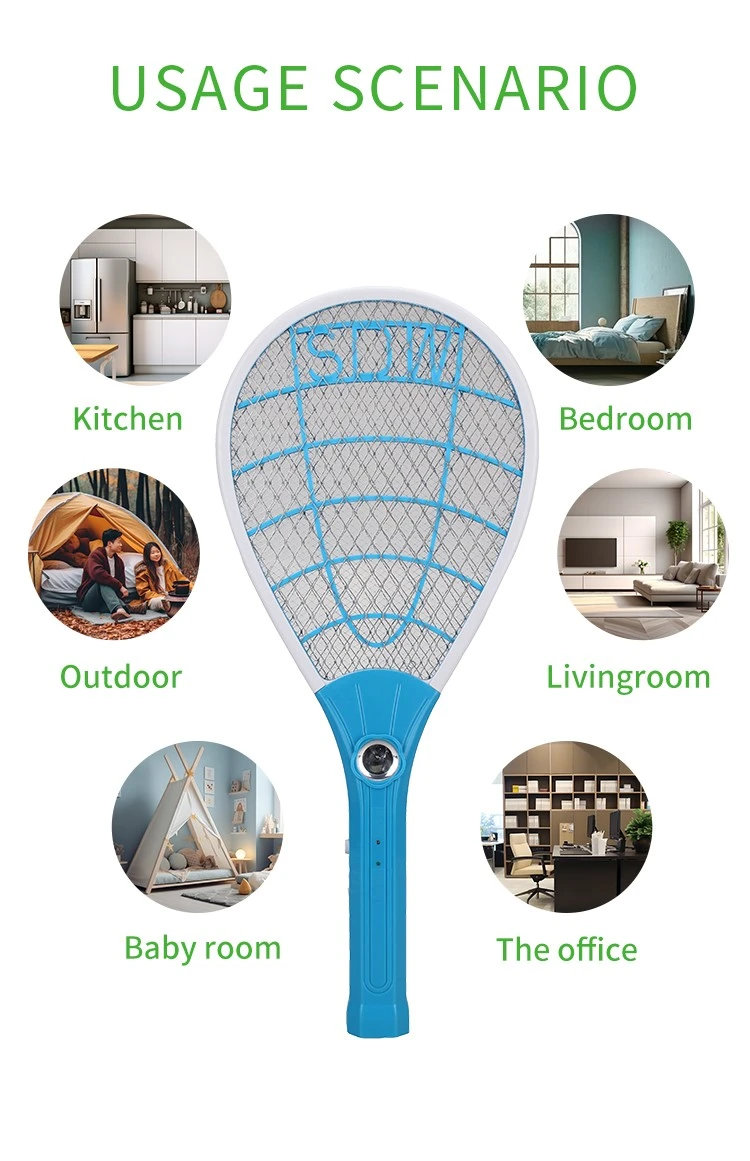
Most importers of electric mosquito swatters obsess over the first order: samples requested, factories vetted, a pre-shipment inspection booked. Then the reorder arrives eight months later and something is off. The grid feels softer. The charge port is a slightly different shade of black. The carton thickness dropped from 350 gsm to 300 gsm. Nothing is catastrophic — but the product no longer matches what your retail customers approved, and quietly, your return rate starts climbing.
How to Keep Mosquito Swatter Quality Consistent Across Repeat Orders
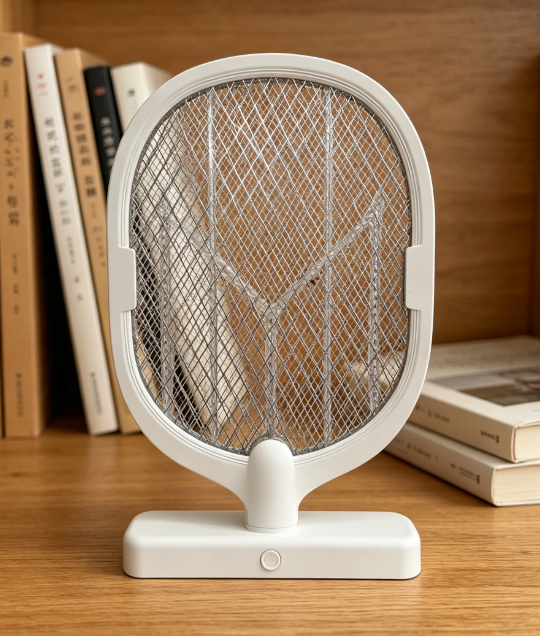
Warranty returns are the silent margin killer in the mosquito control category. A distributor who buys a swatter at $1.80 FOB and retails it at $9.90 can absorb a 1% return rate without noticing — but at 5%, the combined cost of replacement units, reverse logistics, and refund processing erases most of the line's profit.
Common mosquito swatter killer lamp failure modes wholesale spec guide

Digital bathroom scales rank as the second-highest-volume consumer weighing product category, only behind kitchen scales, with distinct market and product characteristics that set them apart from other scale types in importers’ product portfolios.
Digital bathroom body fat-bia-scale wholesale buyers guide