
Useful Tips for Cleaning an Electric Mosquito Swatter
2025-11-12
Useful Tips for Cleaning an Electric Mosquito Swatter: Keep Your Mosquito - Repelling Tool Clean and Durable
After using an electric mosquito swatter for a period of time, its power grid and surface will be covered with mosquito corpses, dust, and oil stains. This not only affects its appearance but may also reduce its mosquito - repelling effect and even pose safety hazards. Today, we will share several practical tips for cleaning an electric mosquito swatter, helping you make it look as good as new and extend its service life.
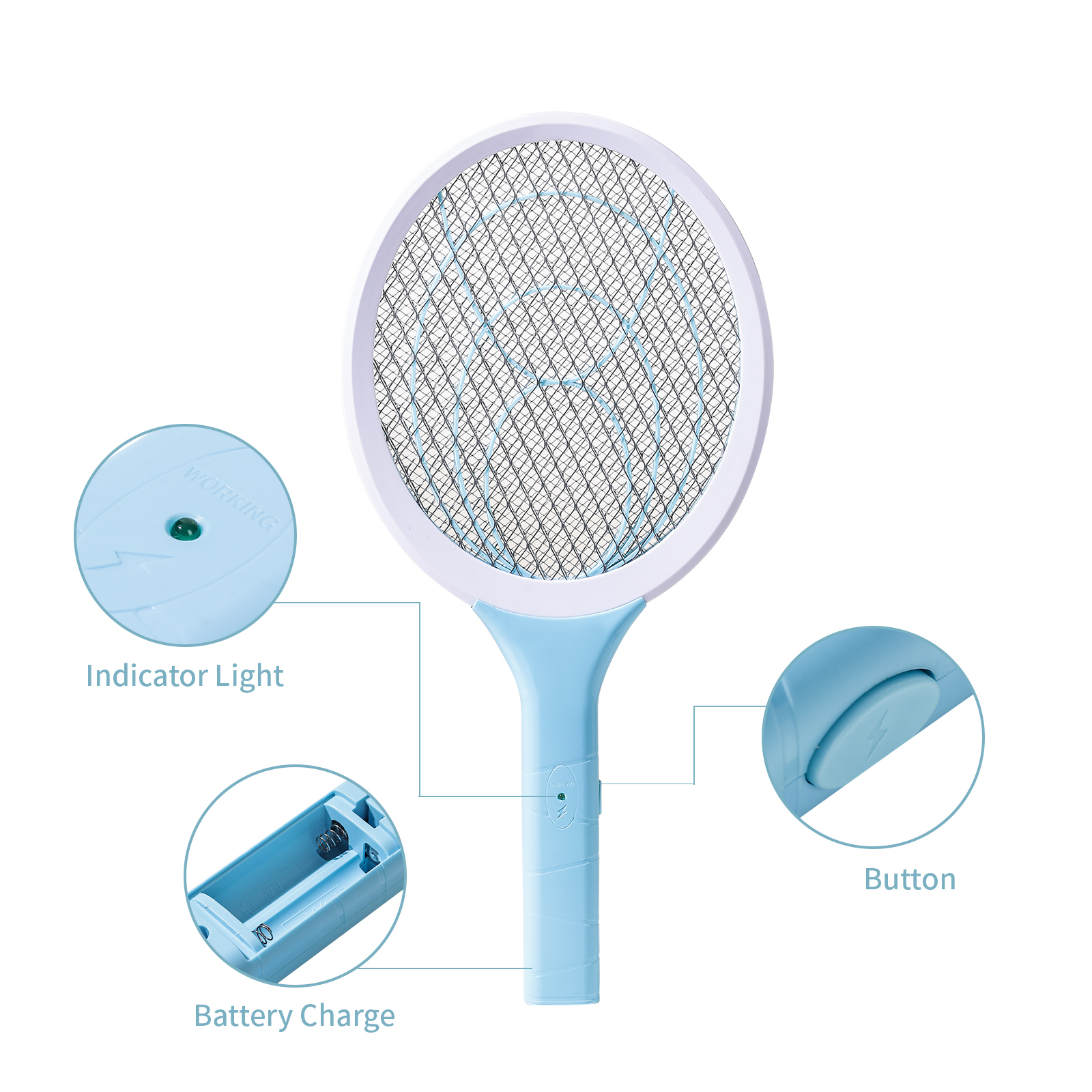
1. Essential Pre - Cleaning Step: Safety First
Before starting to clean the electric mosquito swatter, safety steps are absolutely indispensable; they are the key to ensuring no accidents occur during the cleaning process. First of all, you must confirm that the electric mosquito swatter is disconnected from the power supply. If it is a rechargeable electric mosquito swatter, you need to unplug the charger first and ensure that the swatter is completely discharged — you can press the switch to try to shock a few times until there is no electric shock sound or spark, so as to avoid electric shock during cleaning. Secondly, prepare cleaning tools. It is recommended to choose a soft - bristled brush (such as an old toothbrush or a makeup brush), a dry cloth, cotton swabs, and a hair dryer (on the cold air setting). Avoid directly rinsing with water or using hard tools made of metal, as this may damage the power grid or cause a short circuit.
2. Targeted Cleaning Tips for Different Parts to Remove Stains
1. Power Grid Gaps: Soft Brush + Cotton Swabs for Easy Residue Removal
The gaps of the electric mosquito swatter's power grid are where mosquito corpses and dust are most likely to accumulate. Especially the tiny remains of mosquitoes are hard to clean with hands. At this time, you can first gently scrub the surface of the power grid with a soft - bristled brush, following the direction of the grid lines. Avoid using too much force to prevent the power grid from deforming. For the stubborn residues left in the gaps, such as mosquito wings and legs, you can dip a small amount of anhydrous alcohol with a cotton swab (be careful not to use too much to prevent alcohol from seeping into the interior) and gently wipe the gap areas. Alcohol can not only soften the stains but also has a bactericidal effect, reducing the growth of bacteria. After wiping, use a dry cotton swab to dry the alcohol on the surface of the power grid to prevent the alcohol from corroding the grid.
2. Swatter Surface Shell: Dry Wiping as the Main Method, Local Treatment for Stubborn Oil Stains
The surface shell of the electric mosquito swatter is mostly made of plastic, so dry wiping should be the main method during cleaning. First, wipe off the floating dust on the surface of the shell with a dry cloth. If there are oil stains (such as those stained when used near the kitchen), you can squeeze a small amount of neutral detergent onto the cloth, gently wipe the oil - stained areas, then use a clean damp cloth to wipe off the detergent residue, and finally dry the moisture with a dry cloth to prevent the shell from aging due to moisture. Be careful not to let water flow into the switch or charging port of the electric mosquito swatter to avoid circuit failure.

3. Switch and Charging Port: Wiping with Cotton Swabs to Prevent Dust Blockage
The switch and charging port are important components of the electric mosquito swatter. They are prone to dust accumulation after long - term use, which may cause the switch to fail or poor charging contact. When cleaning, dip a small amount of dry alcohol with a cotton swab (or use a dry cotton swab directly) and gently wipe the gaps of the switch and the interior of the charging port to remove the dust. If there are oxidation marks on the charging port, you can dip a very small amount of white vinegar with a cotton swab and gently wipe it, then dry it with a dry cotton swab. Be careful to use only a very small amount of white vinegar to avoid corroding the metal port.
3. Post - Cleaning Maintenance: The Key to Extending Service Life
After cleaning, do not use the electric mosquito swatter immediately. Instead, place it in a well - ventilated and dry place to air dry. Make sure the power grid and the shell are completely dry before storing or using it. During daily use, you should also avoid placing the electric mosquito swatter in a humid environment, such as a bathroom or next to a sink, to prevent the internal components from getting damp. In addition, after each use, if you find a small number of mosquito corpses on the surface of the power grid, you can promptly brush them off with a soft - bristled brush to avoid long - term accumulation of stains and reduce the difficulty of subsequent cleaning.
Although the electric mosquito swatter is small, proper cleaning and maintenance can make it serve us better.
Winter Mosquito Swatter Maintenance Guide
Is It Normal for Mosquito Traps to Get Hot After Long-Term Use
Related Article

If you’re struggling with annoying mosquitoes, flies, and other flying pests indoors and outdoors, upgrading from traditional manual tools to anElectric Mosquito Swatter is the most efficient solution. Many homeowners and renters search where to buy fly swatter online to find durable, safe, and high-performance electric models that deliver instant pest control.
Where to Buy Fly Swatter
Most importers of electric mosquito swatters obsess over the first order: samples requested, factories vetted, a pre-shipment inspection booked. Then the reorder arrives eight months later and something is off. The grid feels softer. The charge port is a slightly different shade of black. The carton thickness dropped from 350 gsm to 300 gsm. Nothing is catastrophic — but the product no longer matches what your retail customers approved, and quietly, your return rate starts climbing.
How to Keep Mosquito Swatter Quality Consistent Across Repeat Orders
Warranty returns are the silent margin killer in the mosquito control category. A distributor who buys a swatter at $1.80 FOB and retails it at $9.90 can absorb a 1% return rate without noticing — but at 5%, the combined cost of replacement units, reverse logistics, and refund processing erases most of the line's profit.
Common mosquito swatter killer lamp failure modes wholesale spec guide

Digital bathroom scales rank as the second-highest-volume consumer weighing product category, only behind kitchen scales, with distinct market and product characteristics that set them apart from other scale types in importers’ product portfolios.
Digital bathroom body fat-bia-scale wholesale buyers guide