
Using a Mosquito Killer Lamp at Home
2025-10-05
Using a Mosquito Killer Lamp at Home? Don’t Miss These Safety Tips!
When mosquito season hits, mosquito killer lamps become a go-to "mosquito-fighting tool" for many households. They use physical methods to trap mosquitoes without spraying chemical pesticides, seeming safe and hassle-free. However, improper use can 埋下 hidden safety risks. Today, let’s talk about the essential safety precautions for using mosquito killer lamps at home, helping you keep mosquitoes away while protecting your family’s safety.
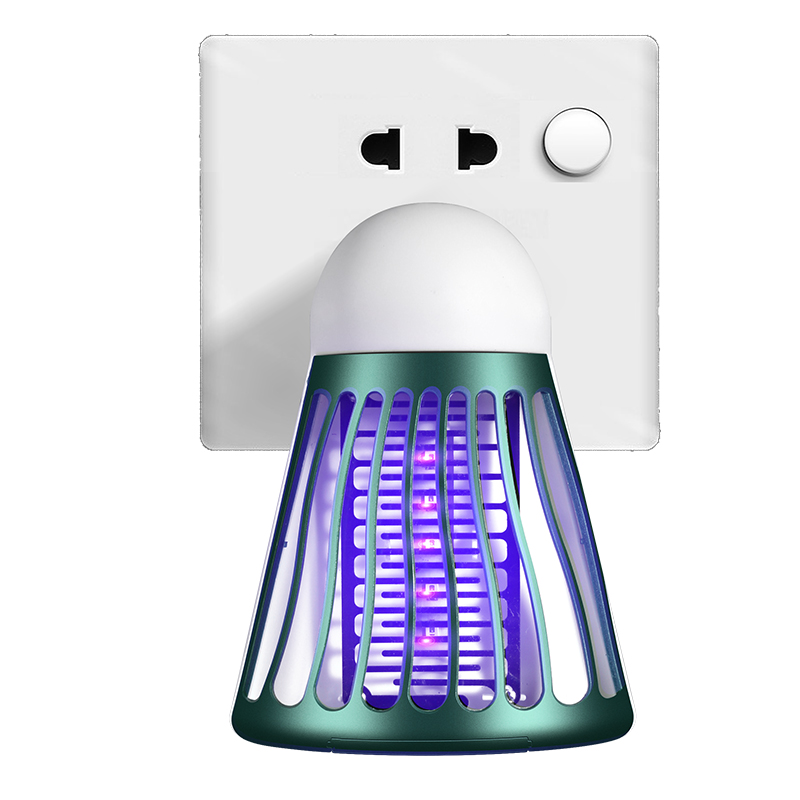
1. Purchase: Secure Safety from the Start
Choosing the right mosquito killer lamp is the first step to safe use, and many people easily overlook the product’s quality. First, look for the "3C certification mark"—this is proof of national mandatory safety certification. Products without this mark may have issues like unreasonable circuit design or substandard materials, so never buy them. Second, pay attention to the material: prioritize models with flame-retardant outer casings, such as ABS flame-retardant plastic. In case of circuit failure, this can reduce the risk of fire. Avoid products with thin, burr-covered casings, which can cause hand scratches during use and prevent children or pets from ingesting low-quality plastic if they chew on it. Additionally, check the grid spacing of the lamp. For home use, opt for a small grid spacing (generally no more than 0.5 cm) to prevent children from getting an electric shock if they reach out out of curiosity, and also avoid pets’ paws accidentally touching the grid.
2. Placement: Choose the Right Spot and Stay Away from "Danger Zones"
The placement of the mosquito killer lamp is directly related to safe use, so never be casual about this step. First, keep it away from flammable materials such as curtains, sofas, bed sheets, and cardboard boxes. Some mosquito killer lamps generate a certain amount of heat during operation, and mosquitoes may also drop sparks after being electrocuted. Being close to flammable materials can easily cause fires. Do not place it on flammable surfaces like wooden furniture or carpets either; it’s best to put it on non-flammable surfaces such as tiles or glass. Second, keep it out of reach of children and pets. For example, don’t place it near children’s desks or toys, nor near pet beds. It is recommended to install it on a wall or in a corner at a height of 1.5-2 meters—this not only matches the height range where mosquitoes are active but also prevents children from reaching it or pets from jumping up to touch it. Additionally, keep it away from water sources and humid environments, such as the bathroom doorway or next to fish tanks. Since mosquito killer lamps are electrical appliances, moisture can cause short circuits or electric leakage, which not only affects their service life but also increases safety risks.

3. Usage: Operate Standardly to Avoid "Accidental Trigger" Risks
Your daily operation habits are key to ensuring safety. First, pay attention to power connection. Before plugging in, check if the plug and power cord are damaged—such as cracked wire insulation or oxidized metal pins on the plug. If there is a problem, be sure to repair or replace it first; never use it reluctantly. When plugging in, use both hands to avoid touching the metal pins with your fingers due to one-handed operation, which could cause an electric shock. Unplug the power in time when not in use, especially before going out or going to bed—never leave the mosquito killer lamp running unattended for a long time. Second, avoid "human interference". For example, do not touch the internal grid of the mosquito killer lamp with your hands, wooden sticks, or other objects. Even if the power is unplugged, do not disassemble it casually, as the grid may retain electric charge, and disassembly may also damage the internal circuit. When children gather around out of curiosity, stop them in time and explain the dangers to prevent them from imitating adult operations. Additionally, pay attention to usage time. Although mosquito killer lamps can be used at night, if there are elderly people or children at home, it is recommended to check whether the placement is stable before going to bed to avoid accidental knocking and tipping at night, which could cause electric shock or fire.
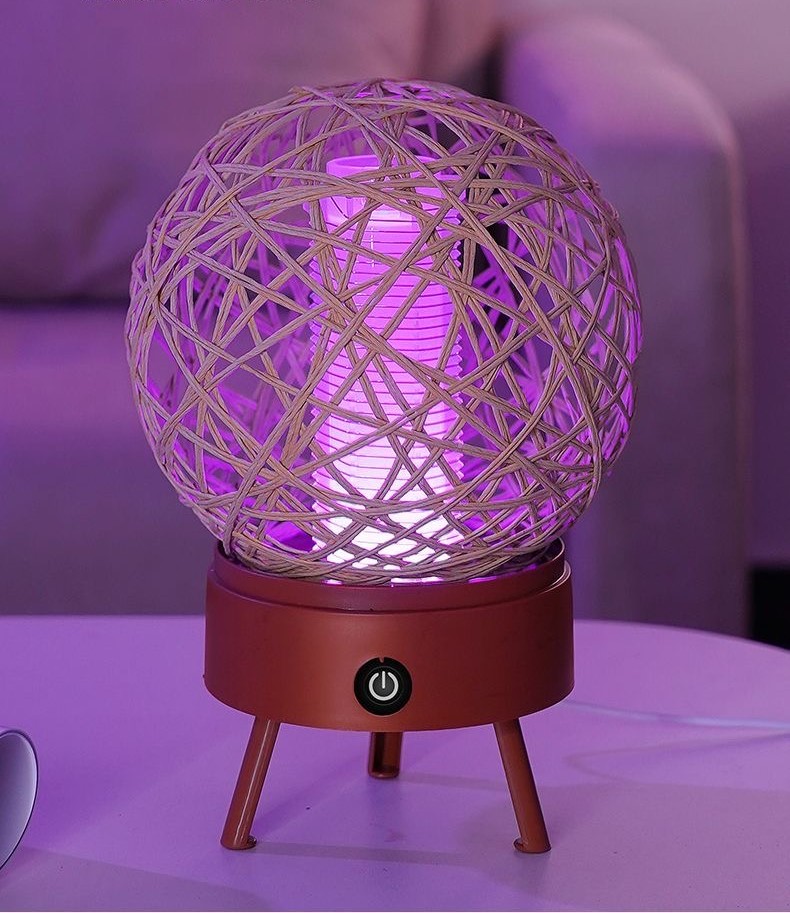
4. Cleaning and Maintenance: Take Regular Care to Maintain a "Safe State"
If a mosquito killer lamp is not cleaned for a long time, it will not only affect its mosquito-killing effect but also increase safety hazards. Be sure to unplug the power before cleaning and wait for the device to cool down completely (at least 10-15 minutes) to avoid electric shock from cleaning while it’s powered on or damage to components from cleaning at high temperatures. When cleaning, use a soft brush or dry cloth to wipe the grid and mosquito collection box to remove mosquito corpses and dust. Do not wipe the grid directly with a damp cloth or rinse the internal parts of the device with water—this prevents moisture from entering the circuit and causing a short circuit. The mosquito collection box should be disassembled and cleaned regularly; after cleaning, dry it thoroughly before reinstalling to avoid bacterial growth in a damp state or moisture causing damage to the internal parts of the device. Additionally, check the device’s condition regularly, such as whether the outer casing is deformed, the grid is loose, or there are foreign objects inside (such as excessive accumulation of small insects or dust). Deal with problems promptly—for example, a deformed outer casing may expose the grid, so replace or repair it in time to ensure the mosquito killer lamp is always in normal and safe operating condition.
The core purpose of a mosquito killer lamp is "safe mosquito control". Only by implementing these precautions in every link of purchase, placement, usage, and cleaning can it truly play its role—helping us get rid of mosquito troubles while protecting the safety of our families and homes. It is hoped that today’s sharing will help you enjoy a mosquito-free environment with peace of mind during this mosquito season and sleep soundly and live safely.
Why Are Moths Attracted to Light
Can Mosquito Swatters and Mosquito Repellents Be Used Together
Related Article

If you’re struggling with annoying mosquitoes, flies, and other flying pests indoors and outdoors, upgrading from traditional manual tools to anElectric Mosquito Swatter is the most efficient solution. Many homeowners and renters search where to buy fly swatter online to find durable, safe, and high-performance electric models that deliver instant pest control.
Where to Buy Fly Swatter
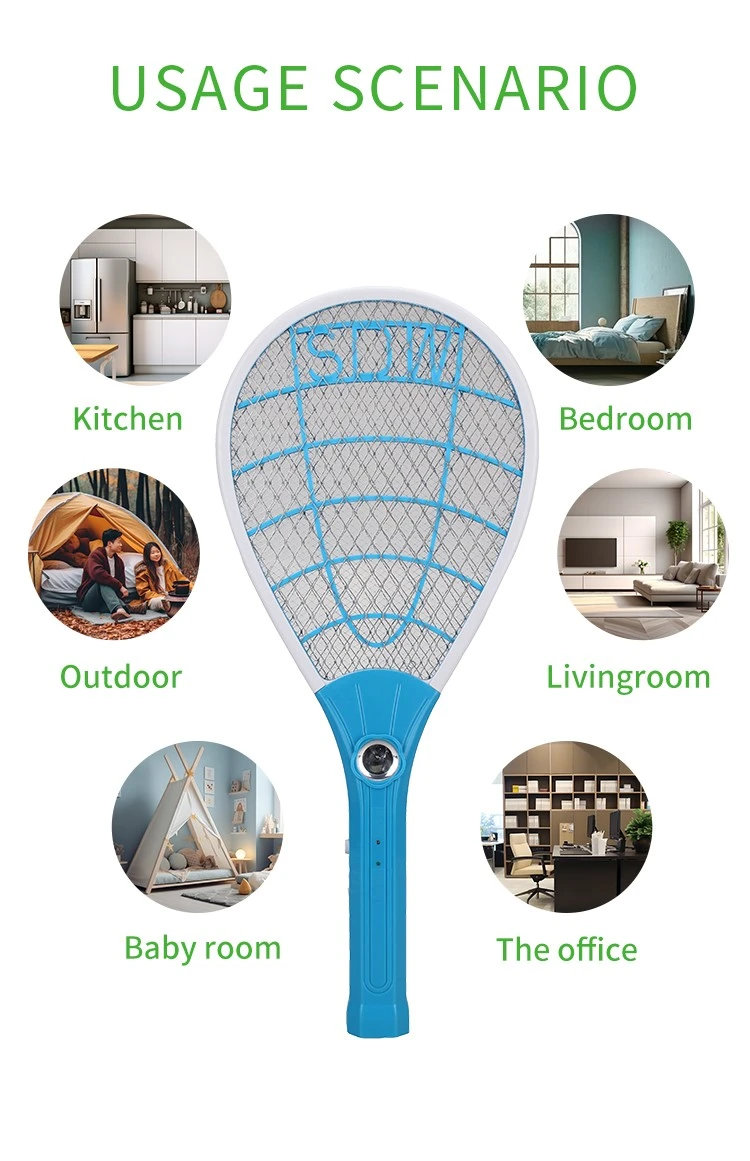
Most importers of electric mosquito swatters obsess over the first order: samples requested, factories vetted, a pre-shipment inspection booked. Then the reorder arrives eight months later and something is off. The grid feels softer. The charge port is a slightly different shade of black. The carton thickness dropped from 350 gsm to 300 gsm. Nothing is catastrophic — but the product no longer matches what your retail customers approved, and quietly, your return rate starts climbing.
How to Keep Mosquito Swatter Quality Consistent Across Repeat Orders
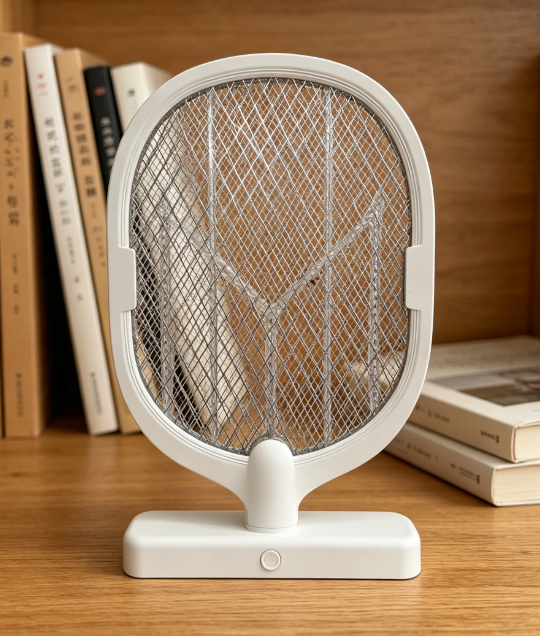
Warranty returns are the silent margin killer in the mosquito control category. A distributor who buys a swatter at $1.80 FOB and retails it at $9.90 can absorb a 1% return rate without noticing — but at 5%, the combined cost of replacement units, reverse logistics, and refund processing erases most of the line's profit.
Common mosquito swatter killer lamp failure modes wholesale spec guide

Digital bathroom scales rank as the second-highest-volume consumer weighing product category, only behind kitchen scales, with distinct market and product characteristics that set them apart from other scale types in importers’ product portfolios.
Digital bathroom body fat-bia-scale wholesale buyers guide