
UV-A Wavelength in Mosquito Killer Lamps
2026-08-23
UV-A Wavelength in Mosquito Killer Lamps: Why 365 nm Beats 395 nm for Wholesale Buyers
Walk into any mosquito killer lamp factory in Guangdong, China, and you will always get two standard wavelength answers: 365 nm and 395 nm. On official specification sheets, both are classified as UV-A light, making them look nearly identical at first glance. However, their real-world performance differs drastically once installed and in use. For B2B wholesale buyers with order quantities of 500 units or more, understanding the critical 30-nanometer wavelength gap is the key to distinguishing a best-selling, repeat-order worthy SKU from a high-return, low-quality product.
UV-A, UV-B, UV-C: Different Functions in Pest Control
Mosquito killer lamps exclusively adopt UV-A light (315–400 nm) for insect attraction, which is completely different from UV-C light (100–280 nm) that is widely used for sterilization and disinfection. Within the UV-A spectrum, three sub-bands directly determine insect-luring efficiency:
-
Long-wave UV-A (380–400 nm): Emits visible purple light with weak insect attraction
-
Near-visible UV-A (365 nm): Almost invisible to human eyes, featuring the peak insect attraction effect
-
Short-wave UV-A (395 nm): Produces a bright bluish-purple glow with significantly lower trapping performance
Scientific data shows that common mosquito species, including Aedes aegypti and Culex pipiens, have their maximum phototactic sensitivity within the 340–370 nm wavelength range.
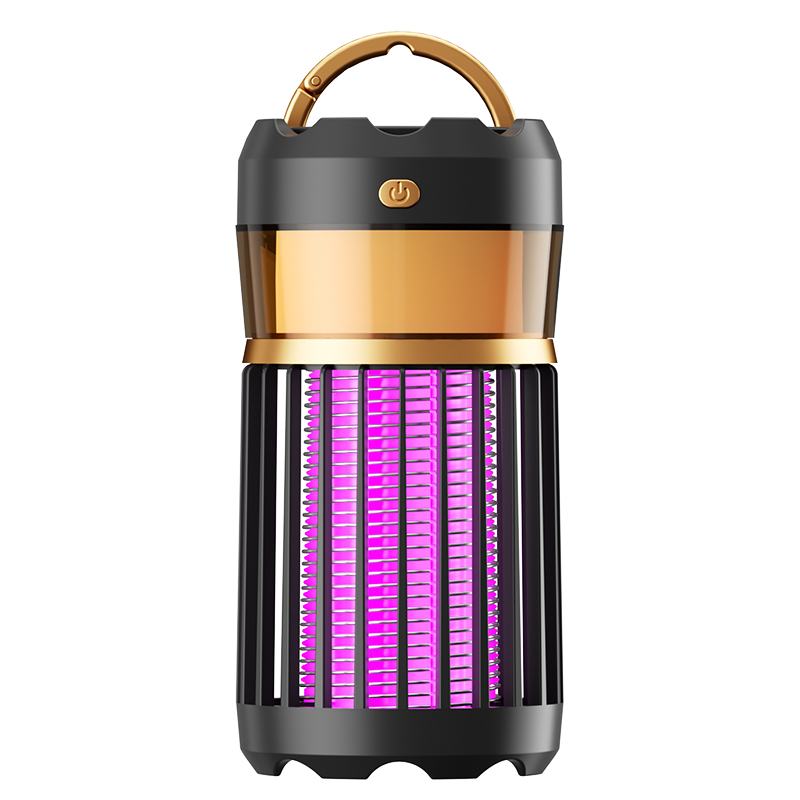
365 nm vs 395 nm: Full Performance & Cost Comparison
The subtle wavelength difference leads to huge gaps in visibility, trapping effect, production cost and user satisfaction. The detailed comparison is as follows:
365 nm UV-A Mosquito Lamp
-
Light Visibility: Barely visible in dark environments
-
Insect Attraction: Industry-leading trapping efficiency
-
LED Cost: $0.18–$0.30 per single LED bead
-
User Feedback: Dominated by positive reviews of effective mosquito trapping
395 nm UV-A Mosquito Lamp
-
Light Visibility: Clear and bright bluish-purple visible light
-
Insect Attraction: 20%–40% lower trapping efficiency than 365 nm products
-
LED Cost: $0.10–$0.18 per single LED bead
-
User Feedback: Most complaints focus on poor mosquito catching results
Why 365 nm Lamps Cost More (And Why They Are Still Worthwhile)
A single 365 nm LED bead costs $0.10–$0.15 more than a 395 nm alternative. For a standard mosquito lamp equipped with 6 to 8 LED beads, the unit cost increases by $0.60–$1.20 in total. For a retail-priced lamp of $6.50, the cost premium only accounts for 3%–4% of the total price.
Wholesale market data fully proves its value: 395 nm mosquito lamps have a return rate of 8%–12%, while high-quality calibrated 365 nm lamps only have a return rate of 3%–5%. The lower after-sales risk and better user reputation make 365 nm a more cost-effective long-term choice for bulk buyers.
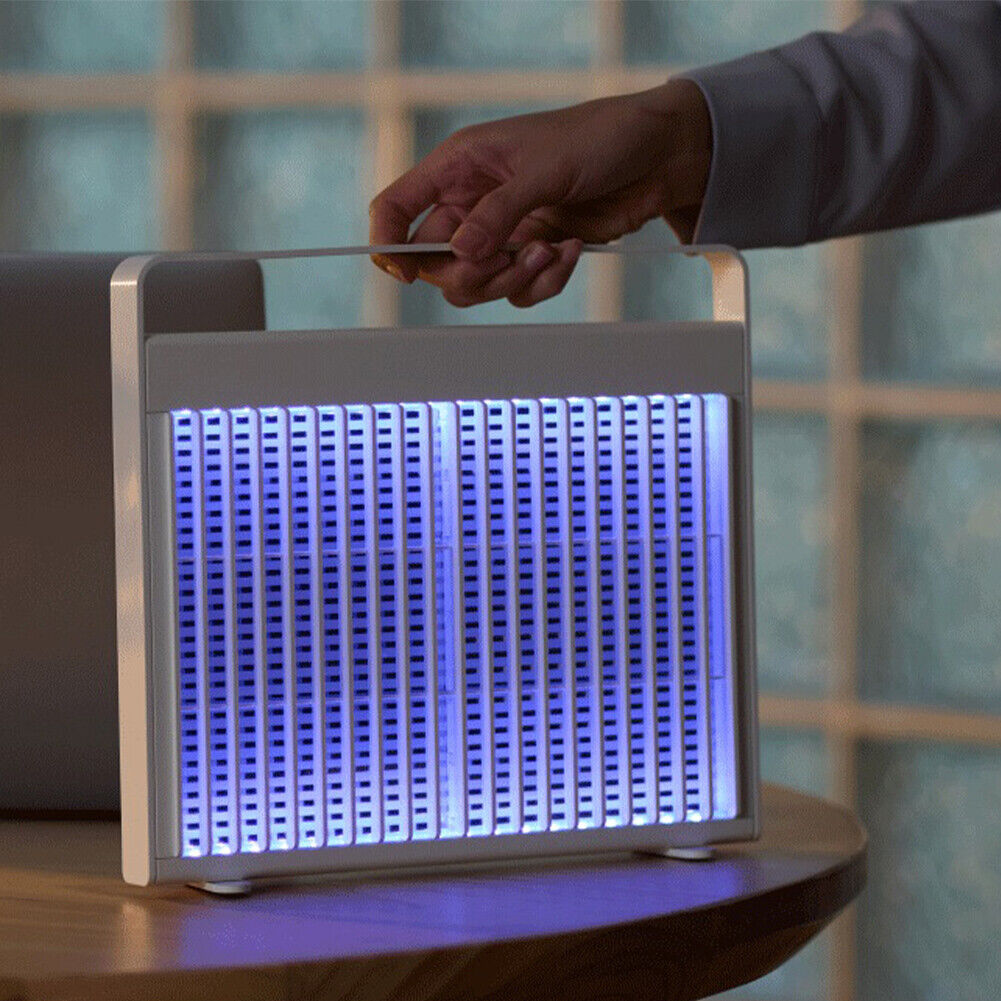
Applicable Scenarios for 395 nm Mosquito Lamps
Though 365 nm is superior in professional mosquito trapping, 395 nm products still have targeted application scenarios. They are suitable for decorative indoor lamps, outdoor industrial environments, 2-in-1 electric swatter & lamp hybrid products, and low-end SKUs priced below $3. For professional dedicated mosquito killer lamps, 365 nm is always the optimal default specification.
How to Verify Suppliers Deliver Genuine 365 nm Products
To avoid being supplied with inferior 395 nm products falsely labeled as 365 nm, B2B buyers can adopt three reliable verification methods:
-
Request official spectrometer test reports to confirm the exact wavelength
-
Ask for standard labeled LED bin codes from manufacturers
-
Conduct a simple visual glow test to distinguish light visibility differences
2026 Industry Trend: Dual Wavelength Hybrid Mosquito Lamps
The emerging new design for 2026 is dual-wavelength hybrid mosquito lamps, which take 365 nm as the core insect-trapping wavelength and add a small number of 395 nm beads as visible indicator lights. This upgraded design raises the unit cost by $0.40–$0.80. It is rapidly becoming the new market standard, as it meets consumers’ demand for visible working status while maintaining excellent mosquito trapping performance.
Essential Spec Checklist for Your Next Wholesale PO
To standardize procurement and avoid quality discrepancies, add the following key clauses to your purchase order:
-
Explicitly mark the exact UV wavelength of the product
-
Clarify LED bead quantity and luminous intensity (mW/cm² at 30cm distance)
-
Require formal LED bin codes on the proforma invoice
-
Add spectrometer inspection clauses in the cooperation terms
-
Verify the rational matching between power consumption and LED quantity
Complete Certification Roadmap for Mosquito Swatter Exports
Choosing the Right Payment Term for Your First Chinese Mosquito Swatter Order
Related Article

If you’re struggling with annoying mosquitoes, flies, and other flying pests indoors and outdoors, upgrading from traditional manual tools to anElectric Mosquito Swatter is the most efficient solution. Many homeowners and renters search where to buy fly swatter online to find durable, safe, and high-performance electric models that deliver instant pest control.
Where to Buy Fly Swatter
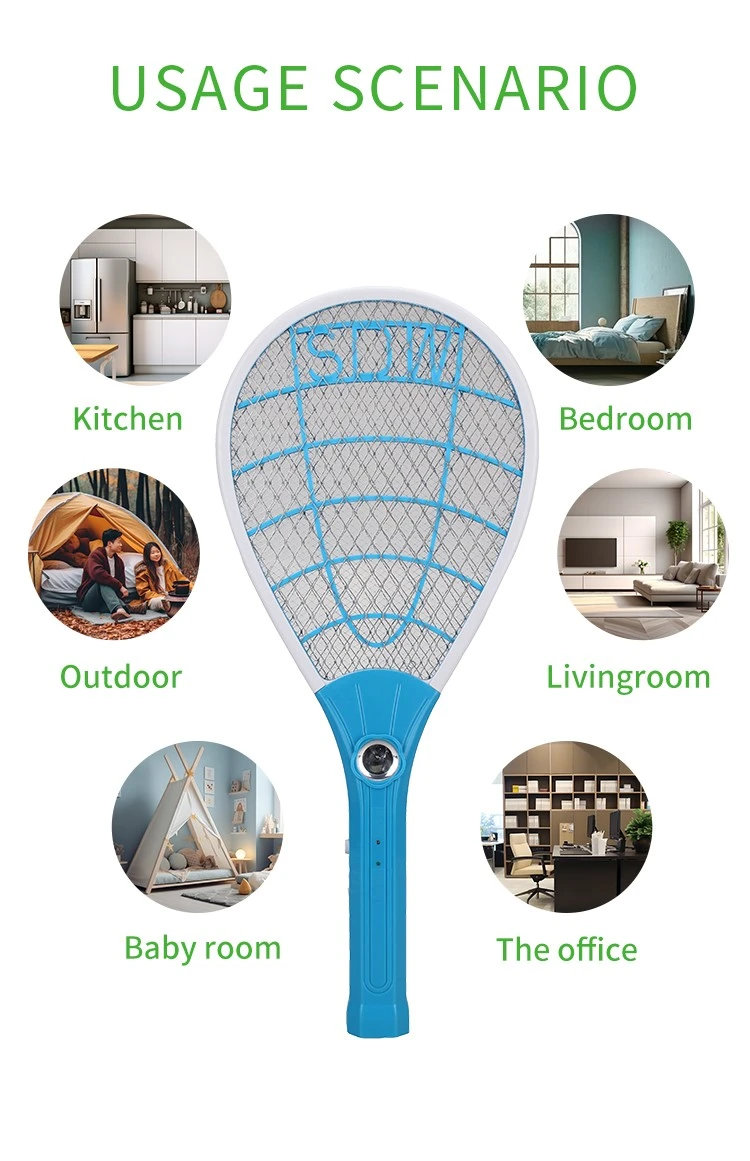
Most importers of electric mosquito swatters obsess over the first order: samples requested, factories vetted, a pre-shipment inspection booked. Then the reorder arrives eight months later and something is off. The grid feels softer. The charge port is a slightly different shade of black. The carton thickness dropped from 350 gsm to 300 gsm. Nothing is catastrophic — but the product no longer matches what your retail customers approved, and quietly, your return rate starts climbing.
How to Keep Mosquito Swatter Quality Consistent Across Repeat Orders
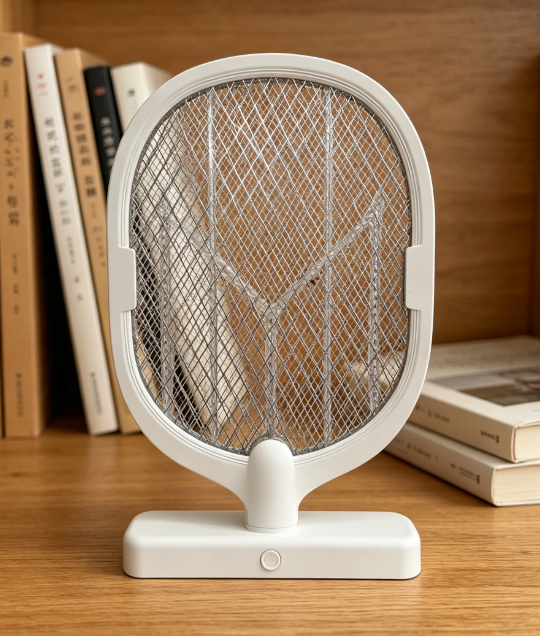
Warranty returns are the silent margin killer in the mosquito control category. A distributor who buys a swatter at $1.80 FOB and retails it at $9.90 can absorb a 1% return rate without noticing — but at 5%, the combined cost of replacement units, reverse logistics, and refund processing erases most of the line's profit.
Common mosquito swatter killer lamp failure modes wholesale spec guide

Digital bathroom scales rank as the second-highest-volume consumer weighing product category, only behind kitchen scales, with distinct market and product characteristics that set them apart from other scale types in importers’ product portfolios.
Digital bathroom body fat-bia-scale wholesale buyers guide