
UV LED vs Fluorescent Tube Mosquito Killer Lamps
2026-10-06
UV LED vs Fluorescent Tube Mosquito Killer Lamps: Lifespan, Mercury Rules, and Consumable Revenue for Wholesale Buyers
Compare UV LED and fluorescent tube mosquito killer lamps on lifespan, mercury compliance, lumen decay, and replacement-tube revenue before you place your wholesale order.
The global mosquito killer lamp market is divided into two core light source categories: classic UV fluorescent tubes, the iconic blue-glow components used in bug zappers for decades, and modern UV-A LED solutions. Most wholesale buyers mistakenly regard the two as merely cosmetic differences and source products cross-type based solely on price. This is a critical misjudgment. In fact, the light source fundamentally determines a lamp’s service life, international regulatory classification, hourly operating costs, and crucially for distributors, whether your product line generates one-time profit or sustainable recurring consumable revenue. This guide comprehensively compares the two technologies across six core dimensions, helping wholesale buyers build a high-profit, compliant, and future-proof mosquito killer lamp product lineup for 2027 and beyond.
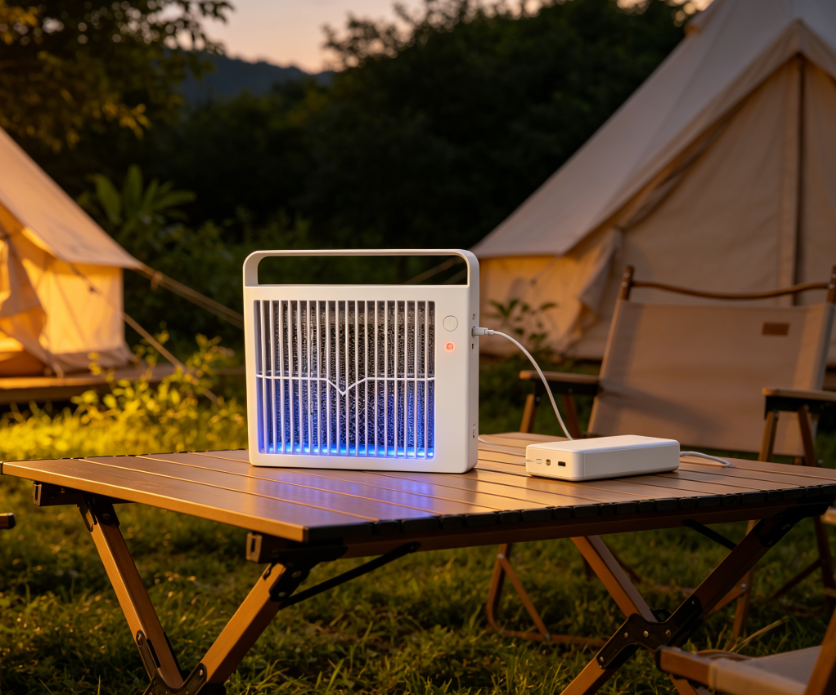
How Each Light Source Works (and Why It Reshapes Product Performance)
Both light sources adopt the same working principle: emitting 365–395 nm UV-A light to trap nocturnal mosquitoes, houseflies, and other flying pests. The core structural difference between the two leads to huge disparities in product performance, durability, and compliance.
A traditional UV fluorescent tube consists of a glass outer tube coated with UV-emitting phosphor and filled with low-pressure mercury vapor. When energized, the mercury vapor is excited to generate ultraviolet light, which is then converted into effective insect-attracting UV-A light by the phosphor coating. By contrast, a UV-A LED is a solid-state semiconductor chip that outputs standard UV-A light directly. It contains no mercury, no fragile glass components, and requires no warm-up time. All subsequent product differences — including structural design, power consumption, service life, and regulatory compliance costs — stem from this essential technical gap.
|
Attribute
|
UV Fluorescent Tube
|
UV-A LED
|
|---|---|---|
|
Typical rated lifespan
|
5,000–8,000 hours
|
10,000–20,000 hours
|
|
Effective attractant life
|
~3,000–4,000 h (UV output decays to ~60% early)
|
~8,000–15,000 h (gradual, stable decay)
|
|
Mercury content
|
Yes (1.5–5 mg per tube)
|
None
|
|
Warm-up to full UV output
|
1–3 minutes
|
Instant
|
|
Typical FOB price vs LED baseline
|
$0.30–0.80 cheaper per unit
|
Price baseline
|
|
Replacement consumables
|
Tube replacement required every 6–12 months per lamp
|
No consumables (integrated light source)
|
|
Transit shock resistance
|
Fragile glass envelope, prone to breakage
|
Solid-state structure, drop-resistant and durable
|
The most prominent advantage lies in effective service life. For fluorescent tubes, UV attenuation occurs far earlier than filament failure. Phosphor aging causes severe light decay: after 3,000–4,000 hours of operation, even if the tube still emits blue visible light, its insect-attracting UV efficiency drops to only 60% of the original level. End users evaluate product performance by actual insect-trapping results rather than superficial lighting effects, so such "visually normal but ineffective" tube lamps easily trigger returns, negative reviews, and after-sales disputes. UV-A LEDs feature slow, predictable light decay, enabling integrated LED mosquito killer lamps to deliver stable, multi-season service performance.
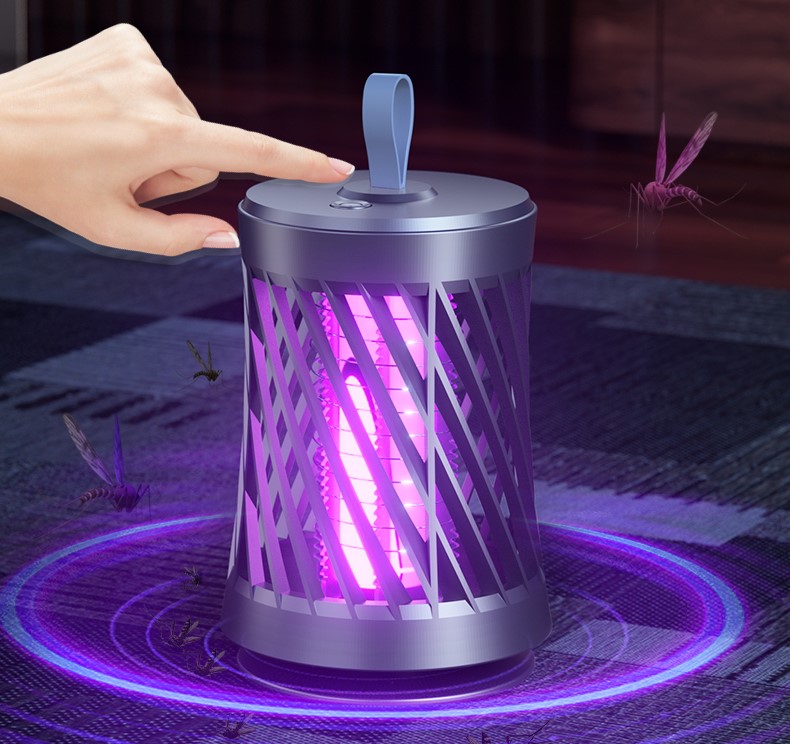
Mercury Compliance: Widening Regulatory Risks in 2026
Fluorescent UV tubes contain elemental mercury, placing them under increasingly stringent global environmental and safety regulations. The EU RoHS Directive continues to tighten exemption policies for mercury-containing lighting products, while the EU Mercury Regulation’s phase-out of general fluorescent lighting is gradually extending to special UV lamps, forming a clear long-term regulatory phase-out trend. This brings three tangible operational risks for wholesale importers.
First, transportation restrictions. As fragile glass products containing hazardous mercury substances, fluorescent tube lamps have higher carton drop-test failure rates and face stricter air freight restrictions than LED products, increasing logistics loss and compliance costs. Second, end-of-life recycling obligations. The EU and multiple U.S. state regulations mandate retailers to provide recycling services for mercury-containing lamps, a requirement that most e-commerce sellers cannot easily fulfill, leading to potential compliance penalties. Third, retail channel audits. Major supermarket and retail chain compliance systems now prioritize hazardous substance detection, and mercury-free LED lamps can effectively avoid most compliance audit failures.
This does not mean fluorescent tube lamps are unsellable — they remain legal in most markets with complete compliance documents and still dominate low-price market segments. However, the regulatory trend is irreversible. For distributors planning long-term product line layouts, tube-based SKUs will face rising documentation, audit, and compliance costs in core markets, while LED SKUs completely avoid such risks.
The Consumable Revenue Tradeoff: Forgo Repeat Sales or Secure Stable Reputation
The economic model of the two products presents a counterintuitive contrast. Fluorescent tube mosquito killer lamps bring stable repeat consumable revenue: each lamp requires a new tube every 6–12 months, with a retail replacement price of $1.50–$3.50. For distributors with mature retail layouts and after-sales service systems, replacement tube revenue can account for 15–30% of the total profit of a single lamp over its service life.
UV LED lamps eliminate this consumable profit stream, but they also completely resolve core pain points such as high warranty claim rates and poor user reviews caused by tube aging and failure. Wholesale buyers need to match products with their own sales channels accurately:
Choose fluorescent tube lamps if you have offline retail outlets or service touchpoints to support repeat consumable sales, target highly price-sensitive mass markets, and have a complete inventory and logistics system for replacement tubes.
Choose UV-A LED lamps if you focus on e-commerce sales with no consumable service channels, build high-durability brand positioning, or engage in long-distance cross-border shipping where glass breakage and after-sales refunds severely erode profit margins.
Most distributors adopt a dual-product portfolio strategy for optimal profits: take high-priced, high-margin LED lamps as the premium product line relying on durability and stable performance, and use low-cost tube lamps as the entry-level SKU, with consumable revenue making up for thin single-product margins. The product ratio should adapt to channel characteristics: e-commerce-dominant sellers are recommended to set LED lamps at 70% or higher of the lineup, while physical stall and independent retail distributors can adopt the opposite ratio.
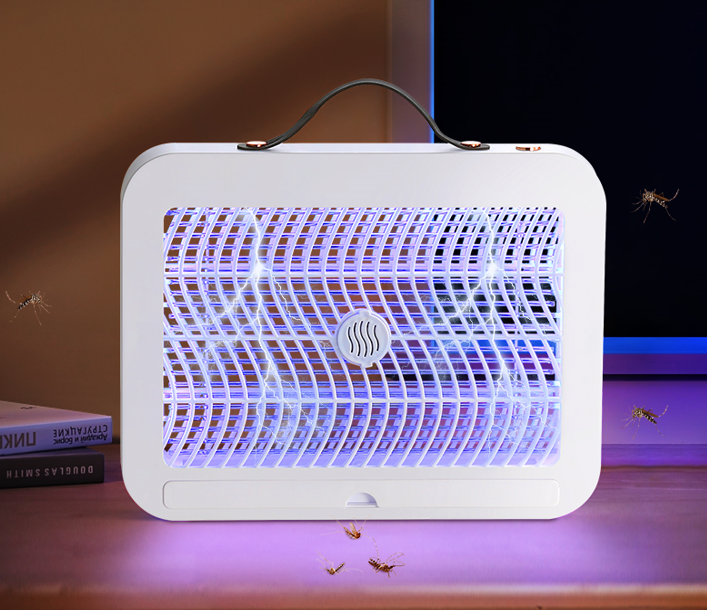
Pre-Order Verification Checklist: Avoid Warranty Risks and Defective Batches
Regardless of the light source type, five key verification steps can help buyers screen high-quality products and avoid batch defects and after-sales liability:
1. Verify UV decay data instead of only rated lifespan. Qualified manufacturers provide UV intensity test reports at 1,000, 3,000, and 5,000 hours of operation. A qualified fluorescent tube retains over 60% UV output at 3,000 hours; products with only 35% residual output are unqualified, regardless of nominal parameter labels.
2. Confirm accurate wavelength specifications. Between the two mainstream UV-A wavelengths, 365 nm LEDs have stronger insect-attracting performance than 395 nm models even at lower power. The current price gap between the two has narrowed significantly, making 365 nm the preferred standard for all LED mosquito killer lamp SKUs.
3. Audit compliance documents for tube products. Check the RoHS exemption qualification and accurate mercury content (mg) data in official test reports, and confirm the manufacturer can provide complete transport compliance documents required by forwarders.
4. Match the capture system with light source performance. High-output UV LED sources paired with underpowered electric grids or adhesive boards will waste insect-attracting advantages. It is critical to select a supporting capture mechanism (electric grid, sticky board, suction fan) that matches the UV output intensity.
5. Conduct 72-hour continuous sample burn-in tests. Long-term continuous operation can quickly expose hidden problems such as LED driver overheating and tube end blackening, which is more effective than routine appearance inspection.
For buyers focusing on LED products, the HY-6 USB mosquito killer lamp is a typical high-quality compact UV-A LED model, designed for long-term stable multi-season operation.
Aofengming Electric integrates the production of UV-A LED and fluorescent tube mosquito killer lamps. All SKUs support complete UV decay test data and CE/RoHS compliance documentation. Wholesale buyers can easily build a dual-tier premium and entry-level product portfolio without cooperating with multiple suppliers, simplifying procurement and compliance management.
Smart Mosquito Killer Lamps With App Connectivity
DIY Mosquito Control
Related Article
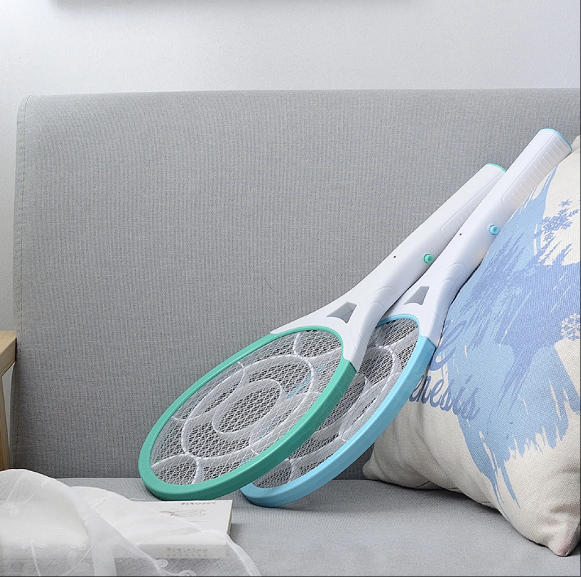
If you’re struggling with annoying mosquitoes, flies, and other flying pests indoors and outdoors, upgrading from traditional manual tools to anElectric Mosquito Swatter is the most efficient solution. Many homeowners and renters search where to buy fly swatter online to find durable, safe, and high-performance electric models that deliver instant pest control.
Where to Buy Fly Swatter
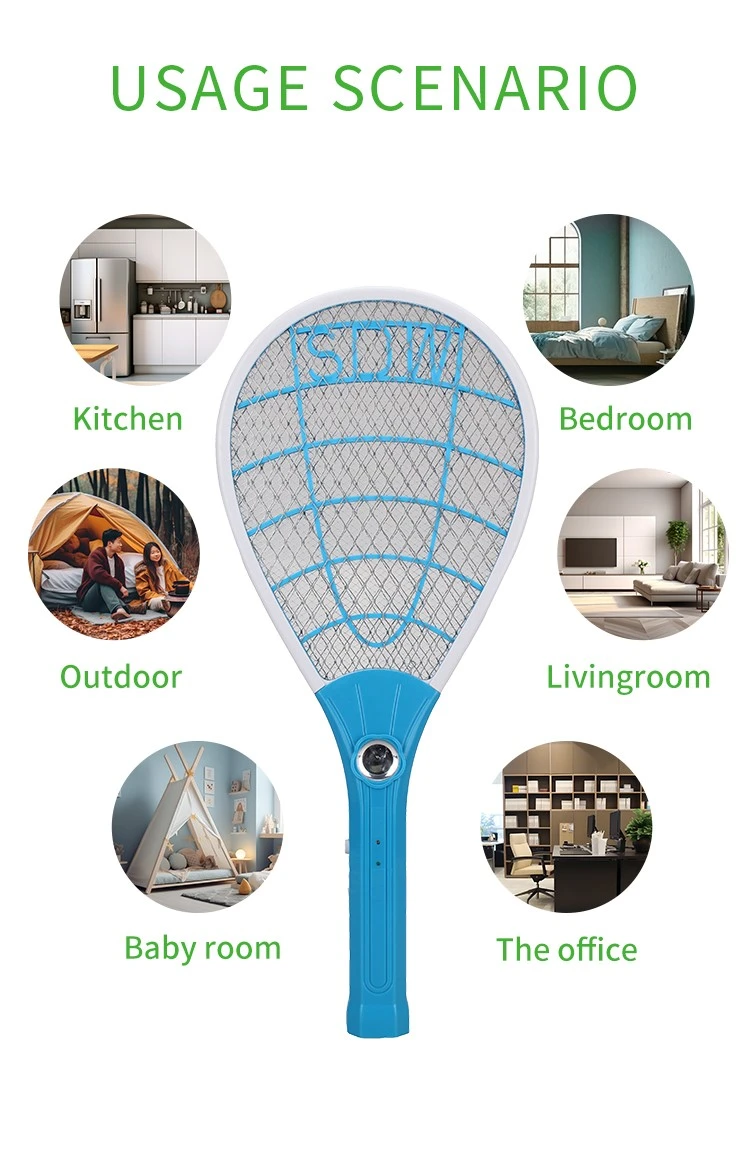
Most importers of electric mosquito swatters obsess over the first order: samples requested, factories vetted, a pre-shipment inspection booked. Then the reorder arrives eight months later and something is off. The grid feels softer. The charge port is a slightly different shade of black. The carton thickness dropped from 350 gsm to 300 gsm. Nothing is catastrophic — but the product no longer matches what your retail customers approved, and quietly, your return rate starts climbing.
How to Keep Mosquito Swatter Quality Consistent Across Repeat Orders
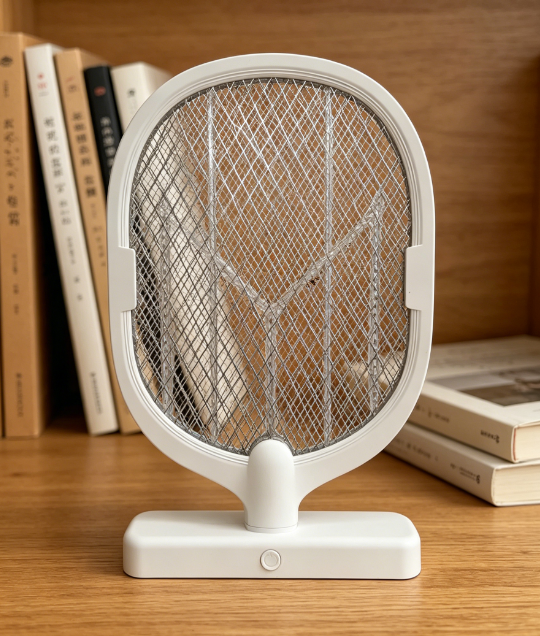
Warranty returns are the silent margin killer in the mosquito control category. A distributor who buys a swatter at $1.80 FOB and retails it at $9.90 can absorb a 1% return rate without noticing — but at 5%, the combined cost of replacement units, reverse logistics, and refund processing erases most of the line's profit.
Common mosquito swatter killer lamp failure modes wholesale spec guide
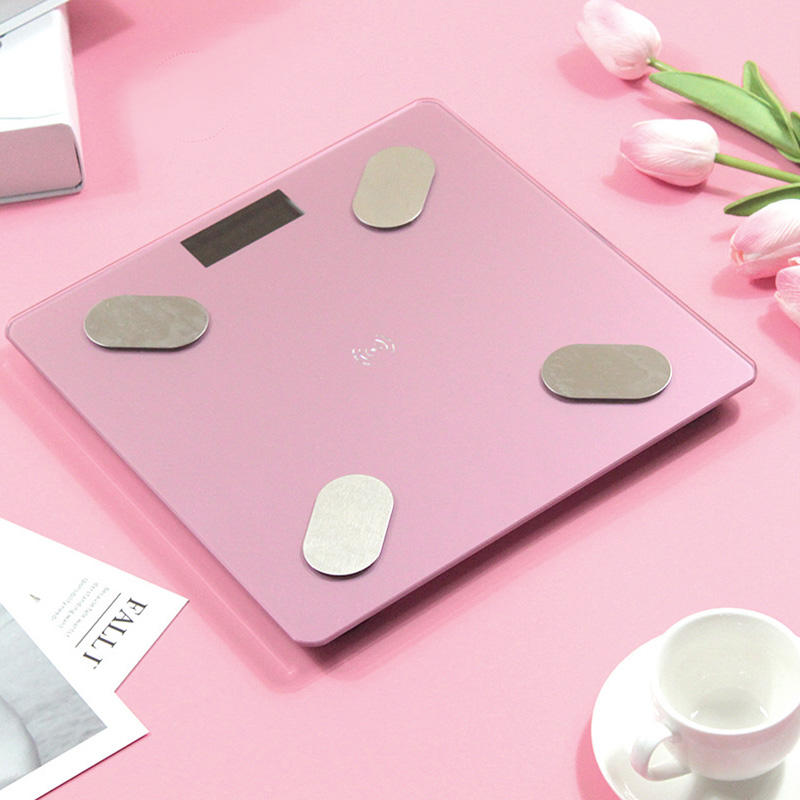
Digital bathroom scales rank as the second-highest-volume consumer weighing product category, only behind kitchen scales, with distinct market and product characteristics that set them apart from other scale types in importers’ product portfolios.
Digital bathroom body fat-bia-scale wholesale buyers guide