
Warehouse Mosquito Control Made Easy
2025-12-03
Warehouse Mosquito Control Made Easy! This Guide Keeps Mosquitoes Away, and Mosquito Traps Are the Key
For warehouse managers, mosquito infestations are undoubtedly a frustrating "invisible nuisance" — mosquitoes not only bite employees and affect work efficiency, but also may contaminate goods (especially food, textiles, etc.) and even lay eggs in equipment corners, creating potential hazards. Tried various mosquito control methods but got little results? Don’t worry! Today, we’ll share a targeted warehouse mosquito control guide, and mosquito traps will definitely surprise you with their performance!
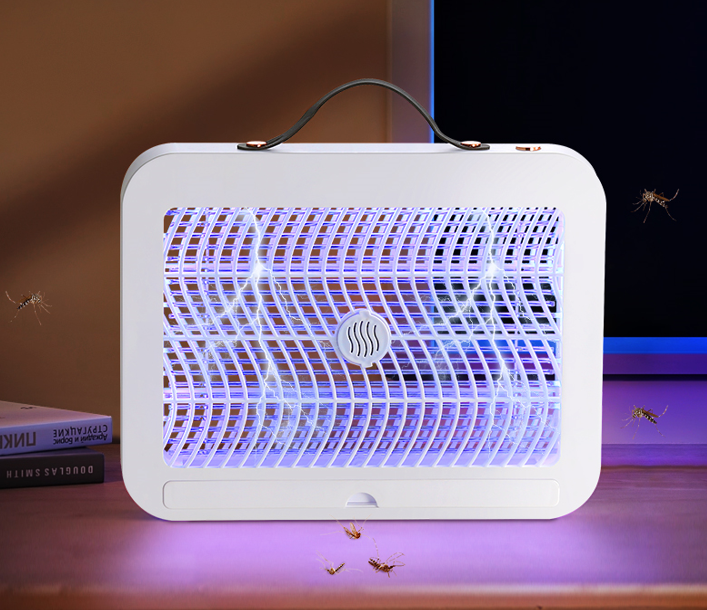
Why Do Warehouses Become "Mosquito Hotspots"?
To control mosquitoes, we first need to find the root cause! Warehouses are prone to attracting mosquitoes mainly due to these 3 characteristics:
- Humid Environment: Many warehouses (such as those storing fresh produce or daily chemicals) need to maintain a certain level of humidity. In addition, drainage outlets and the bottom of shelves are prone to water accumulation, becoming ideal "breeding grounds" for mosquito eggs.
- Spacious and Shady Spaces: Warehouses have dense shelves and many corners. During the day, the dim light provides a perfect hiding place for mosquitoes; at night, when lights are turned on, mosquitoes are attracted to the light and fly around goods and equipment.
- Goods as "Mosquito Hideouts": When goods like cartons and fabrics are stacked, gaps retain dust and moisture. This not only attracts mosquitoes but also makes it hard for mosquito control measures to "hit the target".
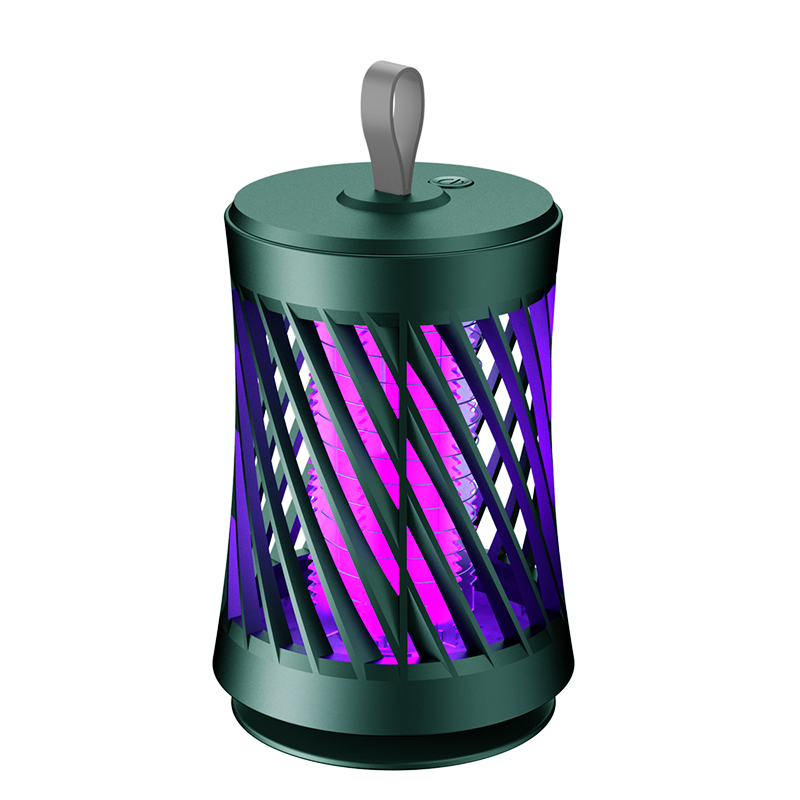
Traditional Mosquito Control Methods: Why Are They "Ineffective" in Warehouses?
Many people first try insecticides, mosquito coils, or sticky mosquito pads, but these methods often only "treat the symptoms, not the root cause" in warehouse settings and may even have side effects:
- Insecticides: They leave chemical residues. If sprayed on food or electronic equipment, they can contaminate goods. Moreover, warehouses are large, so one spray only covers a limited area, and mosquitoes will return in a few days.
- Mosquito Coils/Electric Mosquito Repellents: They repel mosquitoes with scent. However, warehouses are well-ventilated, so the scent dissipates quickly, making them almost useless. They may also cause dizziness in employees sensitive to strong smells.
- Sticky Mosquito Pads: They can only trap mosquitoes that pass by. You need to place a large number of them to work, but they can’t reach the bottom of shelves or high areas, and are easily crushed by goods.
Here’s the Key! Mosquito Traps: Why Are They the "Best Solution" for Warehouse Mosquito Control?
By comparison, mosquito traps are simply "tailor-made" for warehouse mosquito control. These 3 advantages make them outperform traditional methods:
1. Physical Mosquito Control with No Residues, Safe for Goods
Mosquito traps attract mosquitoes by "simulating human body temperature + ultraviolet light". When mosquitoes fly close, they are killed or trapped by high-voltage grids or fan suction. The entire process uses no chemical agents, so even if placed next to food shelves, they are safe — no need to worry about contaminating goods or harming employees’ health.
2. Wide Coverage, Targeting Warehouse Dead Spots
Warehouses are large with tall shelves? Don’t worry if you choose the right mosquito trap! Ordinary household mosquito traps cover 10-20 square meters, while industrial-grade warehouse mosquito traps can cover 50-100 square meters. Hang them on top of shelves, in warehouse corners, or at entrances, and they will "catch all mosquitoes" in the surrounding area. For example, installing one at the warehouse entrance can block mosquitoes flying in from outside in advance, acting as a "mosquito barrier" for the warehouse.
3. Quiet and Low-Maintenance
Warehouses require a quiet working environment. Mosquito traps operate with almost no noise (fan-type traps are quieter than air conditioners), so they won’t disturb employees when they are sorting goods or taking inventory. Most mosquito traps also have "removable mosquito collection boxes" — you only need to clean them once a week, no need to replace sticky pads or spray insecticides every day, saving a lot of manpower.
4. 24/7 Operation, Reducing Mosquitoes at the Source
Mosquitoes are active at night? Mosquito traps don’t need manual on/off — just plug them in, and they work 24 hours a day. During the day, they use ultraviolet light to attract mosquitoes hiding in corners; at night, they work with warehouse lights to "eliminate mosquitoes immediately" when they are drawn to the light. This prevents mosquitoes from laying eggs and reproducing, gradually reducing the number of mosquitoes in the warehouse and controlling infestations at the source.
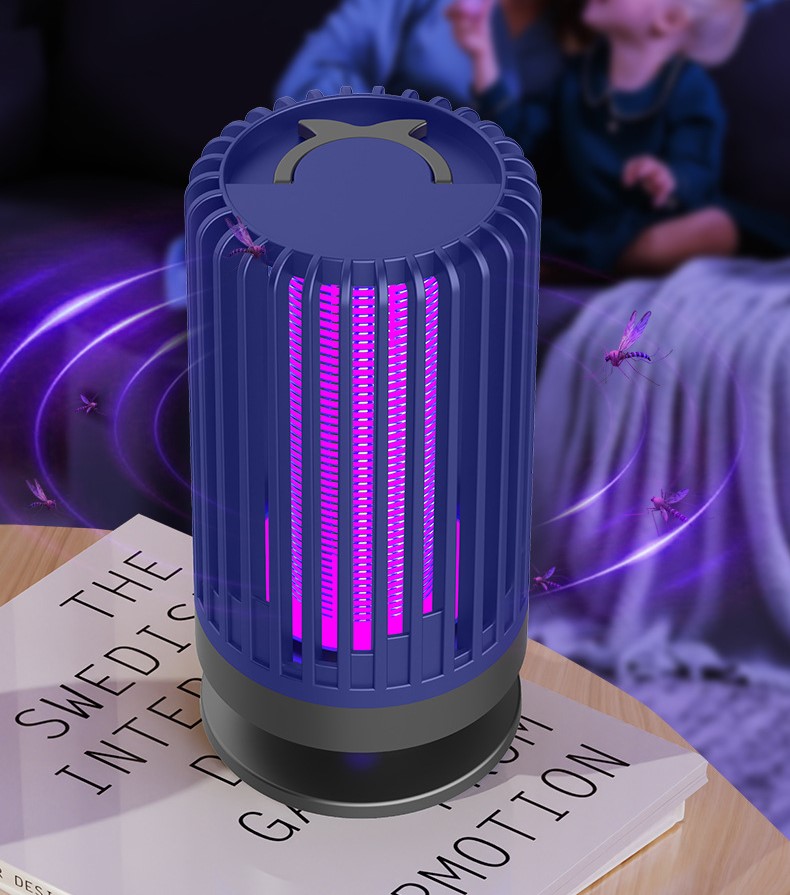
3 Tips for Choosing Warehouse Mosquito Traps: Avoid Mistakes
To maximize the effectiveness of mosquito traps, keep these 3 key points in mind:
- Choose "Power" Based on Warehouse Area:
-
- Small warehouses (less than 500 square meters): Select 20-40W industrial-grade mosquito traps, with 1 unit per 50 square meters.
-
- Large warehouses (over 500 square meters): Choose high-power models (60-80W) and install them in the center and at the entrance of the warehouse to form "cross coverage".
- Installation Location Matters:
-
- Hang them at a height of 1.8-2.5 meters (mosquitoes tend to be active at this height) and away from strong lights on shelves (to avoid competing with the mosquito trap’s light for mosquitoes).
-
- Install one at "mosquito hotspots" such as entrances, drainage outlets, and shelf corners.
- Prioritize "High-Voltage Grid + Mosquito Collection Box" Models:
Fan-type traps are quiet, but warehouses have a lot of dust, which easily clogs the fan. Grid-type traps are more efficient at killing mosquitoes, and the collection box allows you to see the mosquito control effect directly. They are also easy to clean (remember to turn off the power first to avoid electric shock).
Finally: Mosquito Traps + Auxiliary Measures = Doubled Effect!
Mosquito traps are the core, but combining them with these small measures will keep your warehouse completely free of mosquitoes:
- Check drainage outlets and the bottom of shelves weekly, and clean up standing water in time (without water, mosquitoes can’t lay eggs).
- Elevate goods with plastic pallets as much as possible to avoid cartons touching the ground directly, reducing gaps where mosquitoes can hide.
- Install screen doors at warehouse entrances. After turning off warehouse lights at night, let the mosquito traps work "alone" to prevent external mosquitoes from flying in.
Conclusion
Warehouse mosquito control doesn’t have to be a hassle — choosing the right tool is key! With advantages like no residues, wide coverage, and low maintenance, mosquito traps are perfectly suited to the complex warehouse environment. They not only protect goods but also free employees from mosquito bites. Hurry up and choose a suitable mosquito trap based on your warehouse area, and pair it with simple environmental cleaning — you’ll keep mosquitoes away for good!
These Household Insect Control Devices Are Super Useful Too
Why Are There More Mosquitoes on Lower Floors
Related Article

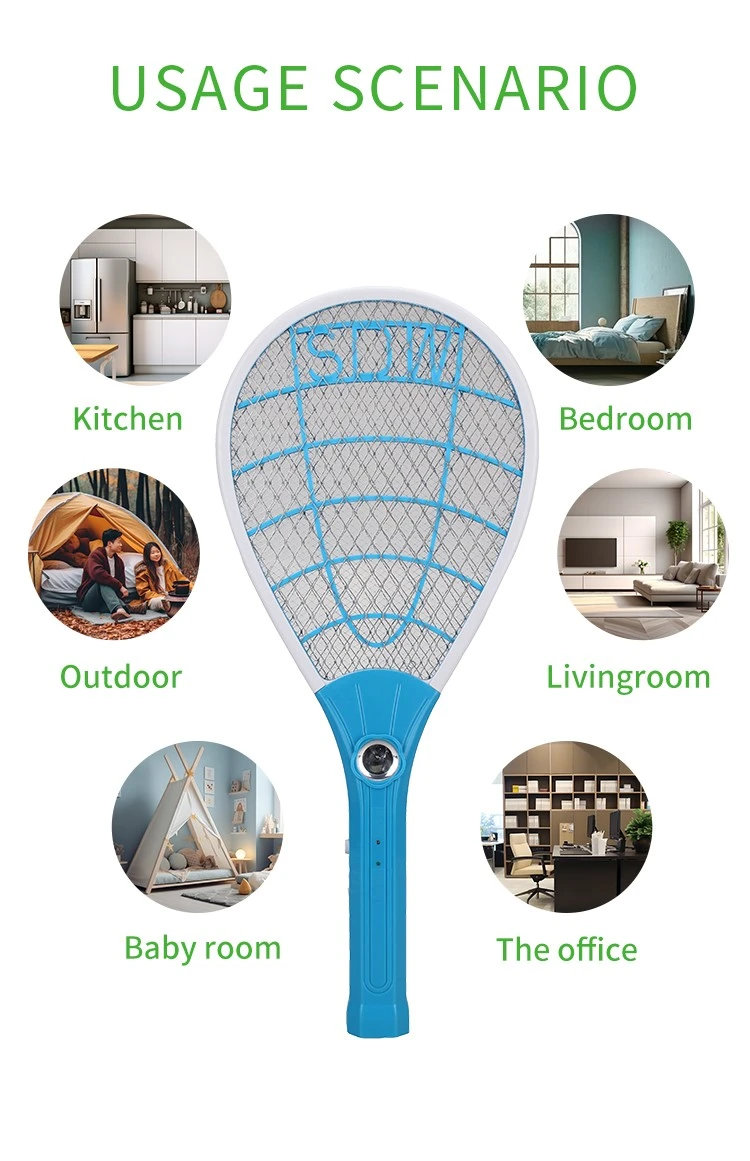
If you’re struggling with annoying mosquitoes, flies, and other flying pests indoors and outdoors, upgrading from traditional manual tools to anElectric Mosquito Swatter is the most efficient solution. Many homeowners and renters search where to buy fly swatter online to find durable, safe, and high-performance electric models that deliver instant pest control.
Where to Buy Fly Swatter
Most importers of electric mosquito swatters obsess over the first order: samples requested, factories vetted, a pre-shipment inspection booked. Then the reorder arrives eight months later and something is off. The grid feels softer. The charge port is a slightly different shade of black. The carton thickness dropped from 350 gsm to 300 gsm. Nothing is catastrophic — but the product no longer matches what your retail customers approved, and quietly, your return rate starts climbing.
How to Keep Mosquito Swatter Quality Consistent Across Repeat Orders
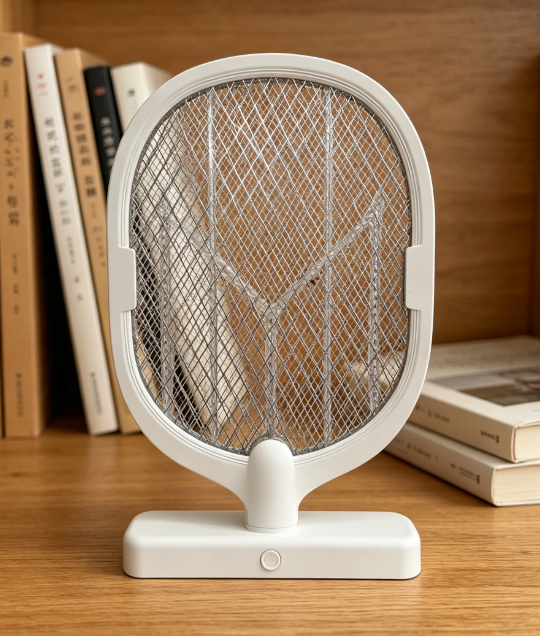
Warranty returns are the silent margin killer in the mosquito control category. A distributor who buys a swatter at $1.80 FOB and retails it at $9.90 can absorb a 1% return rate without noticing — but at 5%, the combined cost of replacement units, reverse logistics, and refund processing erases most of the line's profit.
Common mosquito swatter killer lamp failure modes wholesale spec guide

Digital bathroom scales rank as the second-highest-volume consumer weighing product category, only behind kitchen scales, with distinct market and product characteristics that set them apart from other scale types in importers’ product portfolios.
Digital bathroom body fat-bia-scale wholesale buyers guide