
Weak Electric Shock from Mosquito Swatter
2025-09-09
Weak Electric Shock from Mosquito Swatter? Mosquitoes Survive Contact? Solve It Easily in a Few Steps!
As summer arrives, mosquitoes become annoying "uninvited guests". The electric mosquito swatter, supposed to be our reliable weapon against mosquitoes, often fails us. Many of us have encountered this frustrating situation: when we swing the swatter, we clearly hear a "zizz" sound, but the mosquito just staggers and soon recovers fully. The weak electric shock from the swatter is really annoying. Don't rush to throw it away! Today, we'll break down the root causes of the problem and show you simple ways to bring your electric mosquito swatter back to life.
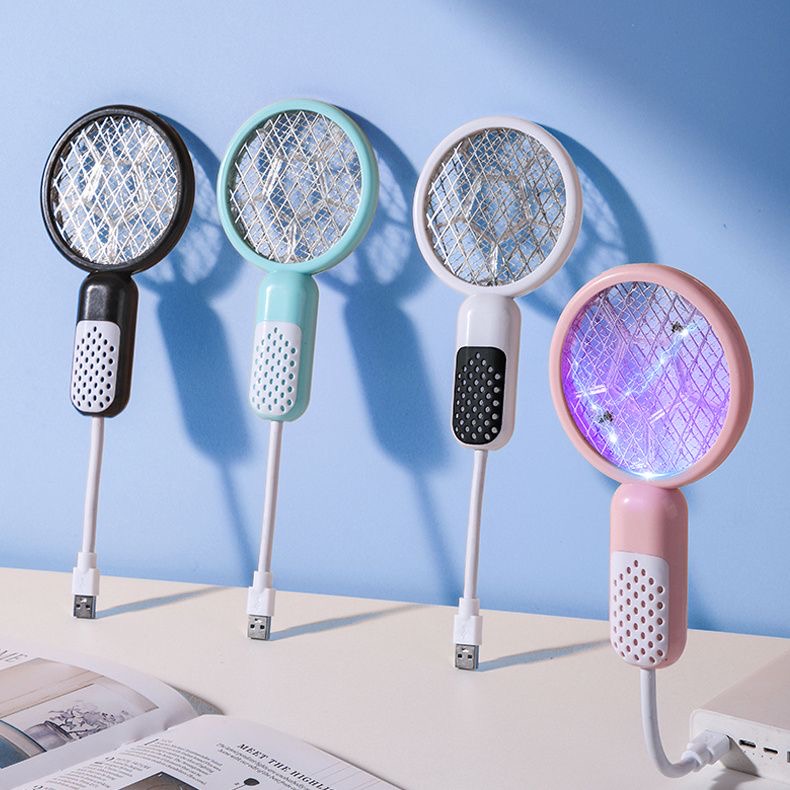
1. First, Understand: 3 Common Reasons for Weak Electric Shock and Surviving Mosquitoes
Before taking action to fix the problem, we need to figure out what's going wrong. In most cases, a "sluggish" electric mosquito swatter isn't a quality issue, but a result of improper daily use or maintenance. The main problems fall into three categories:
- Insufficient Power: A "Hungry" Battery Leads to Weak Shock
The core power source of an electric mosquito swatter is its built-in battery. Whether it's a rechargeable model or a dry-cell model, if the power is insufficient, the voltage of the high-voltage grid will drop. The current that should instantly kill mosquitoes becomes "weak". For example, if a rechargeable mosquito swatter is not fully charged for a long time or charged for an insufficient period, the battery will enter a "power-deficient state". Even if it shows "full charge", the actual output will be reduced. For dry-cell models, expired batteries, battery leakage, or poor contact between the positive and negative terminals may prevent normal power transmission.
- Dirty Grid: Dust and Oil "Block the Way" and Prevent Current Flow
After long-term use, the swatter's grid accumulates mosquito corpses, dust, kitchen oil, and other debris. These dirt particles form an "insulating layer" between the grid wires. The current that should pass through the mosquito's body is blocked by the debris, causing the mosquito to only get a "minor electric shock" instead of being killed instantly. Especially for mosquito swatters often used in the kitchen, oil accumulates faster, leading to a more obvious decline in electric shock power.
- Deformed/Damaged Grid: Increased Gaps Prevent Contact with Current
The grid of an electric mosquito swatter is made of multiple layers of thin metal wires. If the swatter is accidentally dropped, squeezed, or poked with a hard object during cleaning, the metal wires may become deformed or displaced, increasing the gaps between the grid wires. When a mosquito passes through, its body cannot touch two metal wires of different polarities at the same time. Naturally, no current circuit is formed, and the mosquito won't be killed by the electric shock. In more serious cases, if the metal wires break, the grid will have "broken points", and some areas will have no electric shock effect at all.
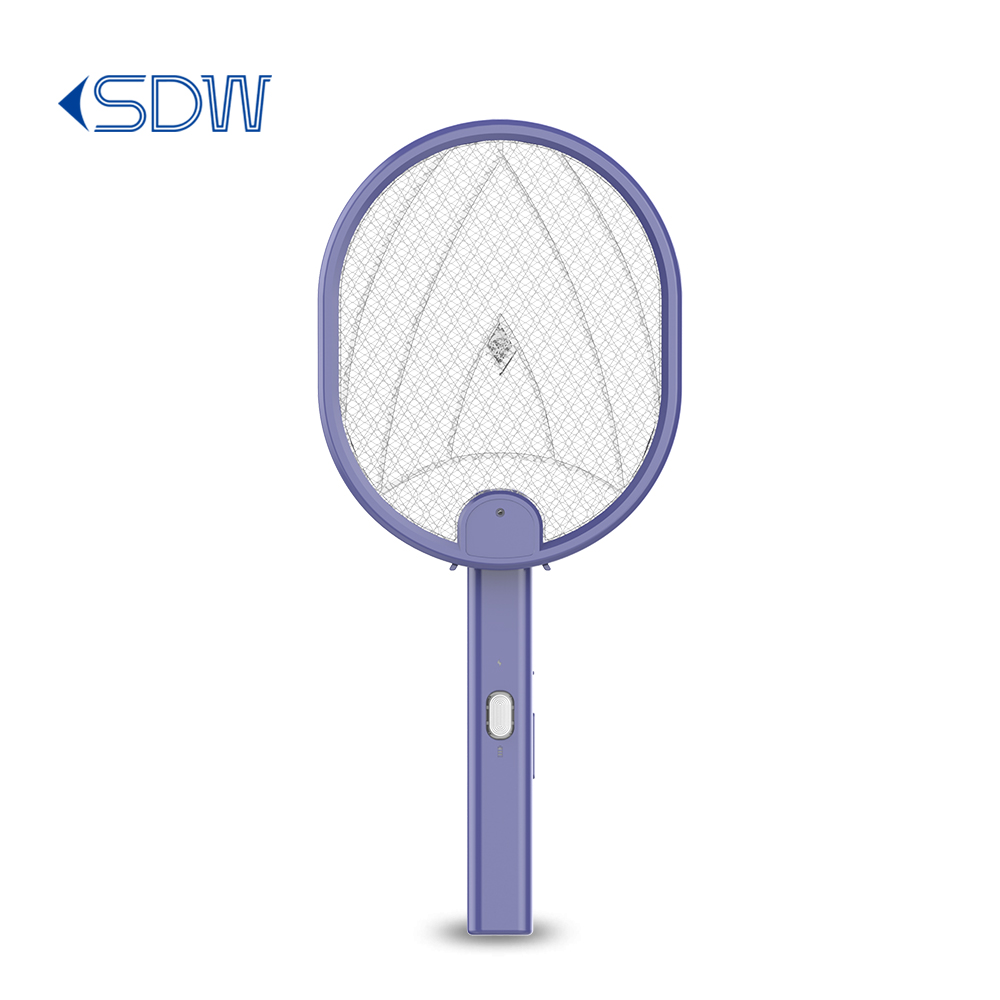
2. Step-by-Step Solutions: From Simple to Complex, Easy for Beginners
Once you've identified the cause, you can fix the problem targeted. It's recommended to follow the order of "checking simple items first, then handling complex ones" to avoid unnecessary troubles.
Step 1: Prioritize Checking Power Supply to "Fill Up" the Battery
This is the most easily overlooked yet simplest problem to solve.
- Rechargeable Electric Mosquito Swatters: First, check if the charger is working properly (see if the indicator light turns on when plugged in). Then, fully discharge the mosquito swatter (press the switch until the "zizz" sound disappears), and then charge it for a long time (usually 8-12 hours, depending on the instruction manual; do not charge for more than 24 hours to prevent the battery from swelling). After fully charging, unplug the charger and press the switch to test. If the "zizz" sound from the grid is louder, the electric shock power will be significantly improved. If there's still no improvement after charging, the battery may be aged (used for more than 2-3 years). You can contact the brand's after-sales service to replace it with a lithium battery of the same model (Note: When replacing by yourself, confirm the battery voltage and capacity to avoid short circuits).
- Dry-Cell Electric Mosquito Swatters: Open the battery compartment, take out the old batteries, and check for leakage. If there is leakage, wipe the battery compartment with a cotton swab dipped in alcohol to prevent corrosion of the metal contacts. Then replace with new dry batteries of the same model (alkaline batteries are recommended for longer battery life). When installing, be careful not to reverse the positive and negative poles. After closing the battery compartment tightly, test the swatter.
Step 2: Clean the Dirty Grid to Enable "Unobstructed Current Flow"
If the power supply is normal, it's time to clean the grid.
- Tools Needed: A soft-bristle brush (such as an old toothbrush), cotton swabs, alcohol (75% concentration is sufficient), and a dry cloth.
- Cleaning Steps: First, turn off the mosquito swatter, unplug the charger, or take out the batteries (safety first!). Use the soft-bristle brush to gently brush off the mosquito corpses and floating dust on the grid. Be careful to brush along the direction of the grid wires to avoid deformation. For oil stains or stubborn dirt, dip a cotton swab in alcohol and gently wipe the gaps between the grid wires. Alcohol evaporates quickly and won't leave moisture. After cleaning, wipe the grid with a dry cloth and let it sit for 10 minutes to allow the alcohol to fully evaporate. Then install the batteries or charge the swatter for testing.
- Note: Do not wipe the grid directly with a wet cloth or rinse it with water, as this may cause a short circuit.
Step 3: Repair Grid Issues to "Realign" the Metal Wires
If the first two steps don't improve the electric shock power, check the grid.
- Check the Grid Condition: Turn on the mosquito swatter and place a piece of thin paper (such as a tissue) gently on the grid. If the paper has an obvious "adsorption feeling" and you hear a "zizz" sound when moving the paper, the local grid is working normally. If there's no adsorption feeling or sound in a certain area, the grid may be deformed or broken.
- Repair Minor Deformation: After turning off the power, use tweezers (wrap the tip with a piece of soft cloth to avoid scratching the metal wires) to gently push the displaced metal wires back into place. Adjust them to ensure even gaps (usually 1-2 millimeters, just enough to block mosquitoes). After repair, test the swatter. If the paper is evenly adsorbed, the adjustment is successful.
- Handle Severe Damage: If the grid is broken, has missing metal wires, or still doesn't work after adjustment, do not attempt to solder it yourself (as this may easily cause a short circuit). It's recommended to contact the brand's after-sales service for repair. If the repair cost is high (exceeding 1/3 of the price of a new swatter), it's better to replace it with a new one directly.
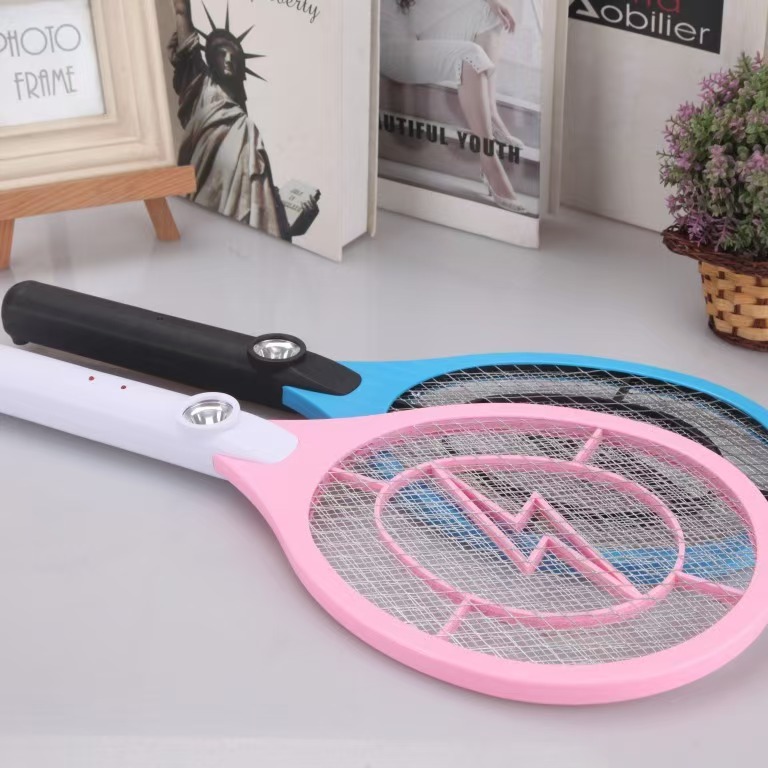
3. Daily Maintenance: Extend the Life of the Mosquito Swatter and Prevent Future Problems
After fixing the problem, proper daily maintenance will keep the mosquito swatter in good condition.
- Avoid "Rough Use": Do not use the mosquito swatter to hit hard objects (such as walls or tables) to prevent dropping or squeezing. Do not use it to hit large insects (such as cockroaches or wasps), as this may cause a grid short circuit.
- Regular Cleaning: It's recommended to clean the grid once a week (especially during mosquito season) to prevent dirt accumulation. Always turn off the power before cleaning and use soft tools.
- Battery Maintenance: For rechargeable mosquito swatters, do not store them with a full charge for a long time (when not in use for a long time, charge them to 50% and recharge every 3 months). For dry-cell models, take out the batteries if not in use for a long time to prevent leakage and corrosion.
- Storage Precautions: Store the swatter in a dry, cool place. Avoid direct sunlight or proximity to heat sources (such as stoves or radiators) to prevent aging of the plastic shell and swelling of the battery.
Final Reminder: Safety Always Comes First
During operation, always remember to turn off the power (unplug the charger or take out the batteries) to avoid electric shock. If you replace the battery or repair the circuit yourself, make sure you have basic electrical knowledge; otherwise, do not disassemble the swatter easily (the internal high-voltage capacitor of the mosquito swatter may still retain charge even after power-off, so you need to short-circuit it to discharge first). If the mosquito swatter still doesn't work normally after trying all methods and is out of warranty, it's recommended to replace it with a new one. After all, safe mosquito elimination is the ultimate goal.
A Comprehensive Guide from Principles to Dry Battery Mosquito Swatters
Do Mosquitoes Prefer Light or Dark Skin
Related Article

If you’re struggling with annoying mosquitoes, flies, and other flying pests indoors and outdoors, upgrading from traditional manual tools to anElectric Mosquito Swatter is the most efficient solution. Many homeowners and renters search where to buy fly swatter online to find durable, safe, and high-performance electric models that deliver instant pest control.
Where to Buy Fly Swatter
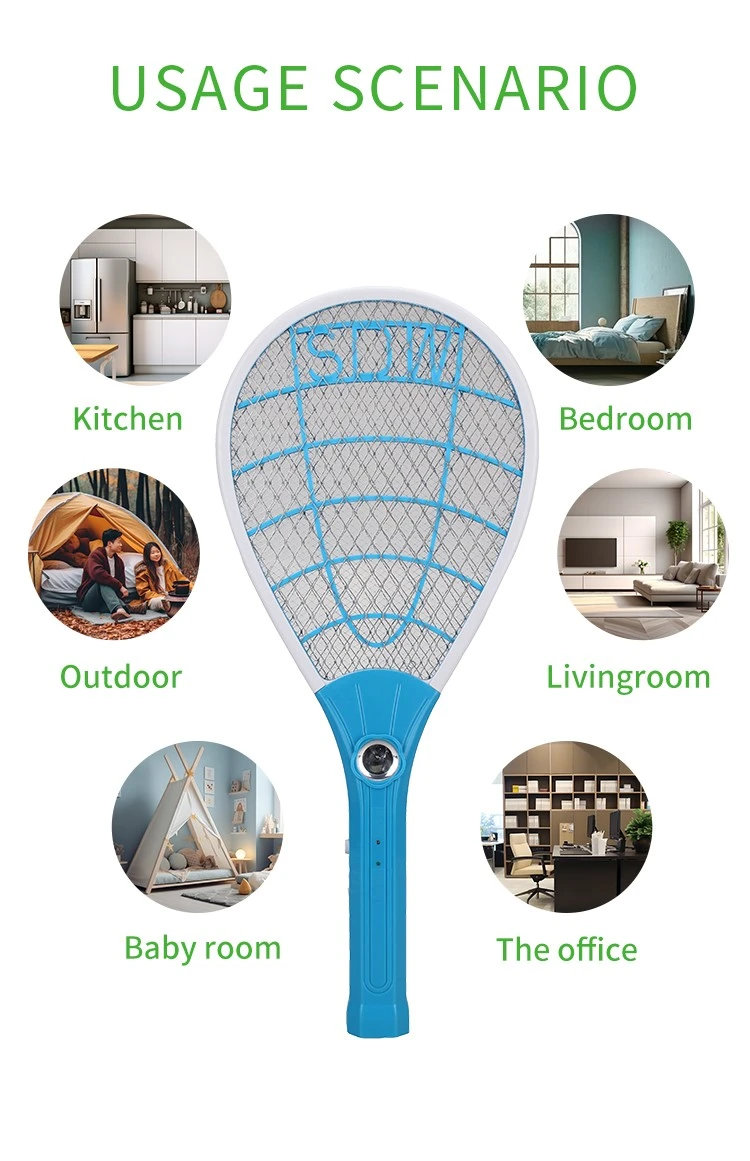
Most importers of electric mosquito swatters obsess over the first order: samples requested, factories vetted, a pre-shipment inspection booked. Then the reorder arrives eight months later and something is off. The grid feels softer. The charge port is a slightly different shade of black. The carton thickness dropped from 350 gsm to 300 gsm. Nothing is catastrophic — but the product no longer matches what your retail customers approved, and quietly, your return rate starts climbing.
How to Keep Mosquito Swatter Quality Consistent Across Repeat Orders
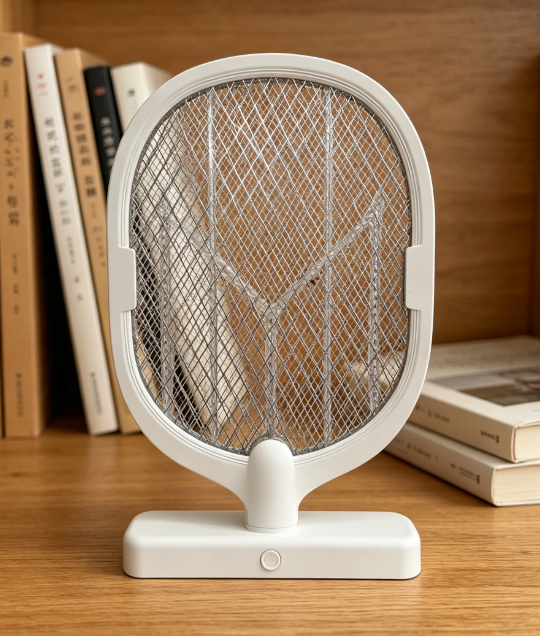
Warranty returns are the silent margin killer in the mosquito control category. A distributor who buys a swatter at $1.80 FOB and retails it at $9.90 can absorb a 1% return rate without noticing — but at 5%, the combined cost of replacement units, reverse logistics, and refund processing erases most of the line's profit.
Common mosquito swatter killer lamp failure modes wholesale spec guide

Digital bathroom scales rank as the second-highest-volume consumer weighing product category, only behind kitchen scales, with distinct market and product characteristics that set them apart from other scale types in importers’ product portfolios.
Digital bathroom body fat-bia-scale wholesale buyers guide