
What Are Mosquito-Borne Diseases
2026-04-27
What Are Mosquito-Borne Diseases? A Complete Guide
Mosquitoes are more than just annoying pests that leave itchy bites—they are one of the deadliest animals in the world, responsible for transmitting a range of serious illnesses known as mosquito-borne diseases. Every year, nearly 700 million people worldwide contract these diseases, leading to nearly 1 million deaths. Whether you spend time outdoors, travel to tropical regions, or just go about your daily life, understanding what mosquito-borne diseases are, how they spread, and how to protect yourself is crucial. Let’s break down everything you need to know in detail.
What Exactly Are Mosquito-Borne Diseases?
Mosquito-borne diseases are illnesses caused by bacteria, viruses, or parasites that are transmitted from an infected host to humans (or other animals) through mosquito bites. Unlike other pests, mosquitoes act as "vectors"—carriers that pick up pathogens when they feed on the blood of an infected organism, then pass those pathogens to the next host they bite through their saliva.
The mosquito itself is not harmed by the pathogens it carries; it simply acts as a delivery system. What makes these diseases worrying is their ability to spread rapidly, especially in warm, humid climates where mosquitoes thrive. Factors such as urbanization, global travel, and climate change have only increased their prevalence, making them a global public health threat.
Common Types of Mosquito-Borne Diseases
There are dozens of mosquito-borne diseases around the world, each caused by different pathogens and transmitted by specific mosquito species. Below are some of the most common and impactful ones:
1. Malaria
Malaria is one of the most well-known and deadly mosquito-borne diseases, caused by the Plasmodium parasite. It is primarily transmitted by female Anopheles mosquitoes, which are most active at dusk and dawn. Every year, there are an estimated 263 million malaria cases worldwide, resulting in nearly 600,000 deaths—most of which are young children under the age of 5 in sub-Saharan Africa.
Symptoms of malaria typically include high fever, chills, headache, muscle aches, and fatigue. If left untreated, it can lead to severe complications such as organ failure, coma, and death. The good news is that malaria is preventable with tools like insecticide-treated bed nets and antimalarial medications, and curable with prompt treatment.
2. Dengue Fever
Dengue fever is a viral disease transmitted by Aedes mosquitoes—most commonly Aedes aegypti, which is known for its distinctive black and white markings. It is prevalent in tropical and subtropical regions, including parts of Southeast Asia, Latin America, and even the southern United States (such as Florida and Texas). Every year, 390 million people are infected with dengue globally, with symptoms ranging from mild fever and joint pain to severe bleeding and shock in rare cases.
There is no specific treatment for dengue, so prevention is key. Symptoms usually appear 3–14 days after infection and include high fever, severe headache, pain behind the eyes, and rash. Severe dengue (also called dengue hemorrhagic fever) can be life-threatening, so seeking medical care early is crucial.
3. West Nile Virus
West Nile Virus (WNV) is the leading mosquito-borne illness in the continental United States, transmitted by Culex mosquitoes (common house mosquitoes) that feed on infected birds before biting humans. First reported in the U.S. in 1999, it has since spread across the country. About 80% of people infected with WNV show no symptoms at all, while 20% develop mild symptoms such as fever, headache, and muscle aches.
Less than 1% of infected people develop severe neurological symptoms, such as encephalitis (inflammation of the brain) or meningitis, which can lead to seizures, coma, or death. There is no vaccine or specific treatment for WNV, so avoiding mosquito bites is the best way to stay safe.
4. Zika Virus
Zika Virus gained global attention a few years ago due to its severe impact on pregnant women and unborn babies. Transmitted primarily by Aedes mosquitoes, Zika can also spread through sexual contact or from mother to baby during pregnancy. Most people infected with Zika have mild or no symptoms, but the virus can cause birth defects like microcephaly (a condition where a baby’s head is abnormally small) and other neurological disorders in infants born to infected mothers.
Symptoms of Zika include fever, rash, conjunctivitis (red eyes), joint pain, and headache. While the virus is not typically life-threatening for adults, pregnant women should take extra precautions to avoid mosquito bites, especially when traveling to areas with known Zika transmission.
5. Yellow Fever
Yellow Fever is an acute viral disease transmitted by Aedes aegypti mosquitoes, primarily found in tropical regions of Africa and South America. The "yellow" in its name refers to jaundice, a common symptom that causes yellowing of the skin and eyes. Most people with yellow fever experience mild symptoms like fever, chills, and muscle pain, which improve within a few days—but approximately 30,000 people die from the disease worldwide every year.
The good news is that there is a safe and effective yellow fever vaccine that provides lifelong protection. It is recommended for anyone traveling to endemic areas, as it is the best way to prevent infection.
How Do Mosquitoes Transmit Diseases?
The transmission process is surprisingly simple: when a mosquito bites an infected person or animal, it ingests the pathogens (viruses, parasites, or bacteria) present in their blood. These pathogens then multiply inside the mosquito’s body and move to its salivary glands. When the mosquito bites another person, it injects a small amount of saliva (which prevents blood clotting) into the new host—along with the pathogens. This is how the disease spreads from one individual to another.
Not all mosquitoes transmit diseases—only specific species (like Anopheles, Aedes, and Culex) can carry and spread certain pathogens. Additionally, a mosquito must first feed on an infected host to become a carrier, so areas with high rates of mosquito-borne diseases often have a cycle of infection between humans, animals, and mosquitoes.
How to Protect Yourself from Mosquito-Borne Diseases?
The good news is that all mosquito-borne diseases can be prevented with simple, practical measures. Here are the most effective ways to reduce your risk:
-
Eliminate Mosquito Breeding Sites: Mosquitoes lay their eggs in standing water, so empty or cover any containers that hold water (such as buckets, tires, coconut shells, and birdbaths). Fill in water-logged holes in your yard and regularly clean and cover water storage containers.
-
Use Insect Repellent: Apply EPA-registered mosquito repellent to exposed skin and clothing. Repellents containing DEET, picaridin, or oil of lemon eucalyptus are highly effective at keeping mosquitoes away.
-
Wear Protective Clothing: Opt for light-colored, long-sleeved shirts, long pants, and socks when spending time outdoors—especially during dawn and dusk, when mosquitoes are most active.
-
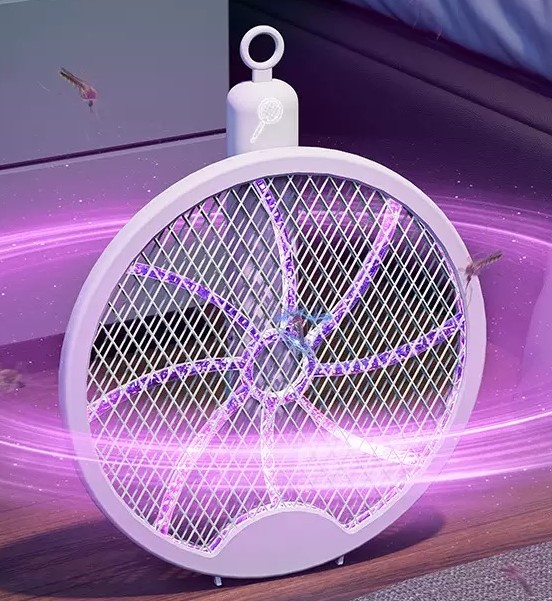
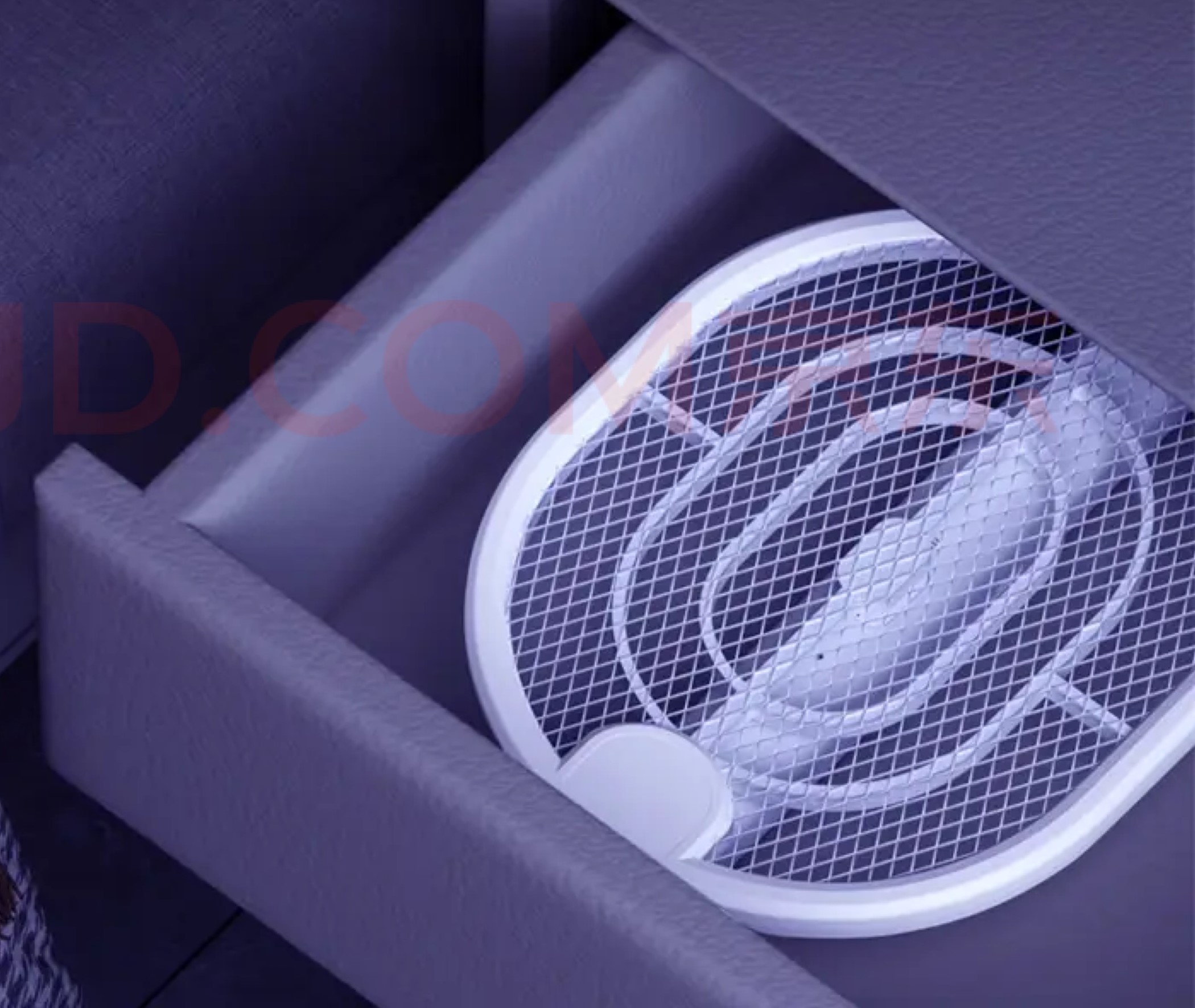
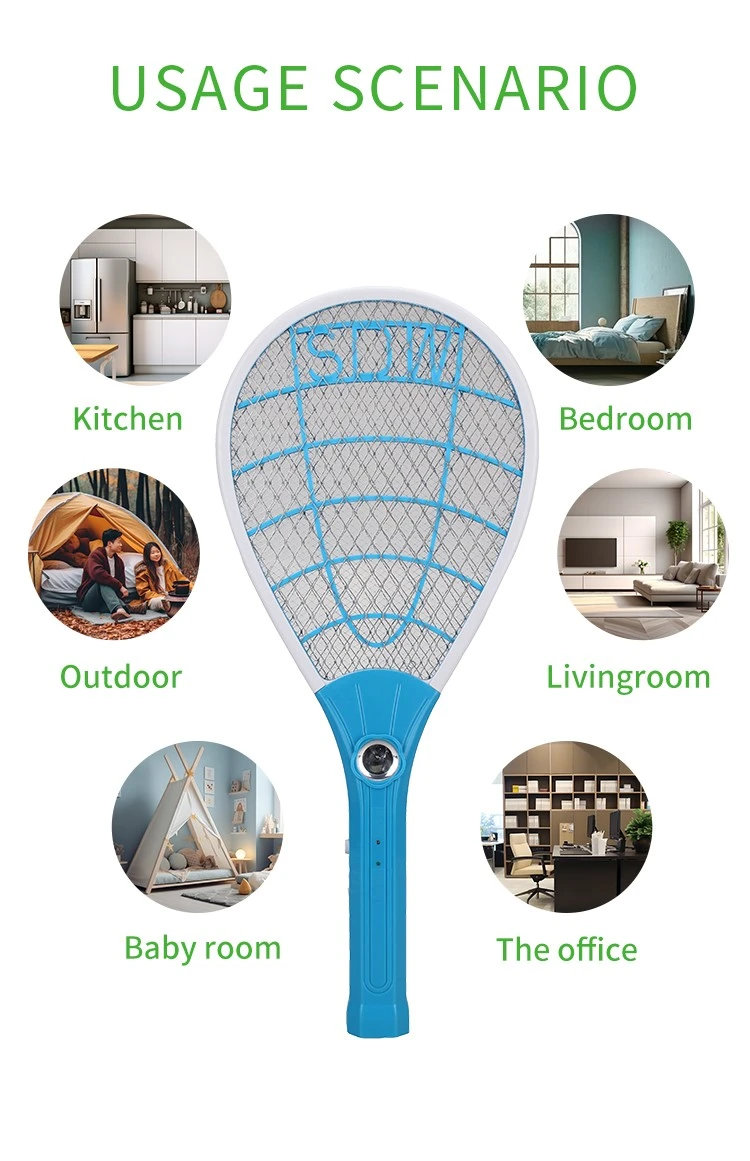
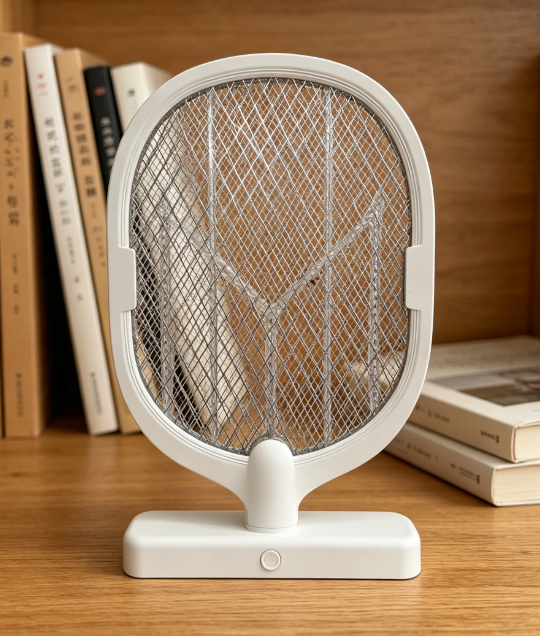
Precision Mosquito Killing with Electric Mosquito Swatters: Our professional electric mosquito swatters adopt a high-voltage power grid design with high-efficiency conductive materials, which can quickly kill mosquitoes instantly upon contact, with no chemical residues or odors, suitable for indoor spaces and balconies at home. Its non-slip handle + safe mesh cover design is easy to hold and prevents accidental contact, making it safe for the elderly and children to use; some models support USB charging with long battery life, allowing you to respond to mosquito infestations at any time.
-
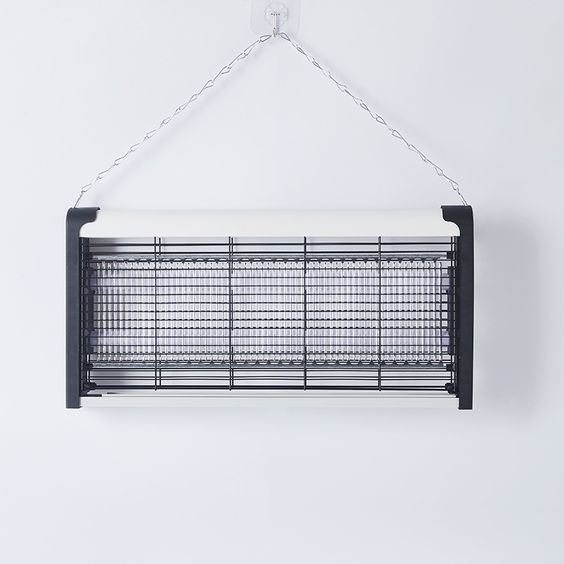
Long-Lasting Lure and Killing with Mosquito Lamps: Our powerful mosquito lamps rely on scientific mosquito luring principles, simulating human body temperature and releasing specific blue-violet light bands to accurately attract various mosquitoes such as Aedes and Culex. Combined with physical high-voltage killing or sticky capture design, no pesticides are needed, making them suitable for long-term use in bedrooms, living rooms, and kitchens. Its silent operation design does not affect sleep, and the waterproof and dustproof shell is suitable for semi-outdoor scenarios such as balconies and courtyards, achieving 24-hour continuous protection.
-
Use Mosquito Nets: Sleep under insecticide-treated bed nets, especially in areas with high malaria or dengue risk. Make sure the net is tucked under the mattress to prevent mosquitoes from entering, and repair any holes or tears immediately.
-
Get Vaccinated: Get vaccinated for diseases like yellow fever if you’re traveling to endemic areas. The yellow fever vaccine is safe and provides lifelong protection, making it a critical tool for prevention.
-
Keep Mosquitoes Out of Your Home: Install mosquito screens on doors and windows, and use our mosquito lamps or electric mosquito swatters to keep mosquitoes away indoors.
Final Thoughts
Mosquito-borne diseases are a serious global public health threat, but they are not inevitable. By understanding what these diseases are, how they spread, and how to protect yourself, you can significantly reduce your risk. Whether you’re at home, traveling, or enjoying outdoor activities, taking simple precautions like eliminating standing water, using repellent, and using our professional electric mosquito swatters and powerful mosquito lamps can go a long way in keeping you and your family safe.
Remember: mosquitoes thrive in warm, humid environments, so staying vigilant—especially during peak mosquito season—is key. By working together to reduce mosquito populations and protect ourselves with effective tools, we can help combat the spread of these preventable diseases.
Where to Buy an Electric Mosquito Swatter
2026 Yiwu Consumer Electronics Fair Invitation
Related Article

If you’re struggling with annoying mosquitoes, flies, and other flying pests indoors and outdoors, upgrading from traditional manual tools to anElectric Mosquito Swatter is the most efficient solution. Many homeowners and renters search where to buy fly swatter online to find durable, safe, and high-performance electric models that deliver instant pest control.
Where to Buy Fly Swatter
Most importers of electric mosquito swatters obsess over the first order: samples requested, factories vetted, a pre-shipment inspection booked. Then the reorder arrives eight months later and something is off. The grid feels softer. The charge port is a slightly different shade of black. The carton thickness dropped from 350 gsm to 300 gsm. Nothing is catastrophic — but the product no longer matches what your retail customers approved, and quietly, your return rate starts climbing.
How to Keep Mosquito Swatter Quality Consistent Across Repeat Orders
Warranty returns are the silent margin killer in the mosquito control category. A distributor who buys a swatter at $1.80 FOB and retails it at $9.90 can absorb a 1% return rate without noticing — but at 5%, the combined cost of replacement units, reverse logistics, and refund processing erases most of the line's profit.
Common mosquito swatter killer lamp failure modes wholesale spec guide

Digital bathroom scales rank as the second-highest-volume consumer weighing product category, only behind kitchen scales, with distinct market and product characteristics that set them apart from other scale types in importers’ product portfolios.
Digital bathroom body fat-bia-scale wholesale buyers guide