
What are some more environmentally friendly ways to prevent mosquitoes
2025-12-12
What are some more environmentally friendly ways to prevent mosquitoes?
To repel mosquitoes, many people rely on chemical products like mosquito coils and electric mosquito liquid. However, they overlook that while these products drive away mosquitoes, they may release harmful gases, pollute the air, and pose potential health risks to the elderly, children, pregnant women, and pets. In fact, mosquito prevention doesn’t have to come at the cost of the environment and health. Today, I’ll share 6 natural and eco-friendly mosquito repellent methods—from plant-based repellents to physical barriers, from environmental modifications to homemade sprays. Without any chemical additives, you can still safely stay away from mosquito troubles while reducing pollution for the planet~
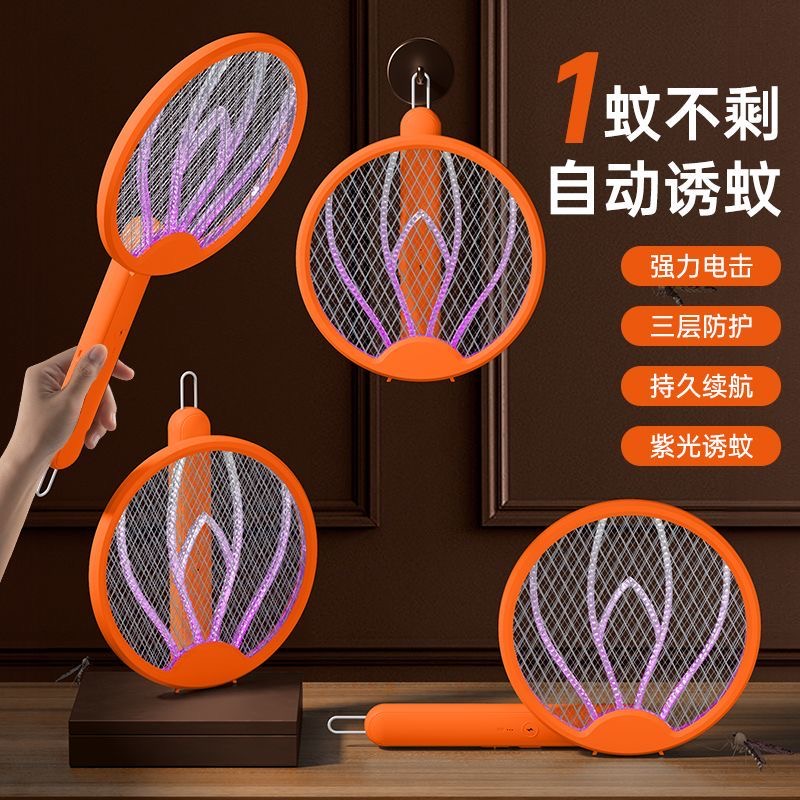
I. Plant Mosquito Repellent: Let Natural Fragrances Protect Your Home
Plant-based mosquito repellent is the safest eco-friendly choice. It not only beautifies the environment but also repels mosquitoes through natural scents, suitable for indoor and outdoor planting or placement.
- Indoor Potted Recommendations: Mint, rosemary, lavender, and mugwort are the "Four Mosquito-Repelling Treasures". Mint's cool aroma disrupts mosquitoes' sense of smell—place it by windowsills or desks, and rub the leaves to enhance the fragrance. Mugwort not only repels mosquitoes but also purifies the air; dry it and make sachets to hang by the bed for long-lasting effects.
- Outdoor Plant Combinations: Grow marigolds, pyrethrum, and orange jasmine in courtyards or balconies. Pyrethrum is a natural "mosquito-repelling star"—its flowers contain pyrethrin, which paralyzes mosquitoes' nerves without harming humans. Marigolds' bright orange blooms and unique scent form a "natural mosquito barrier", and when paired with other green plants, they enhance the landscape.
II. Environmental Modification: Reduce Mosquito Breeding from the Source
Mosquito larvae (wrigglers) survive in water. Keeping the environment clean and eliminating standing water is key to eco-friendly mosquito control, cutting off the breeding chain at its root.
- Timely Removal of Standing Water: Regularly check flowerpot saucers, air conditioner drip pans, and trash can bottoms to ensure no water remains. Store buckets and unused flowerpots upside down on balconies to avoid rainwater accumulation. Keep outdoor courtyard drains unobstructed and clear puddles promptly after rain.
- Optimize Water Environments: For fixed water bodies like fish tanks or ponds, add a few mosquitofish—they feed on mosquito larvae and are natural "water mosquito control experts". Alternatively, add a few drops of edible vinegar to the water; the acidic environment inhibits larval growth without polluting the water.
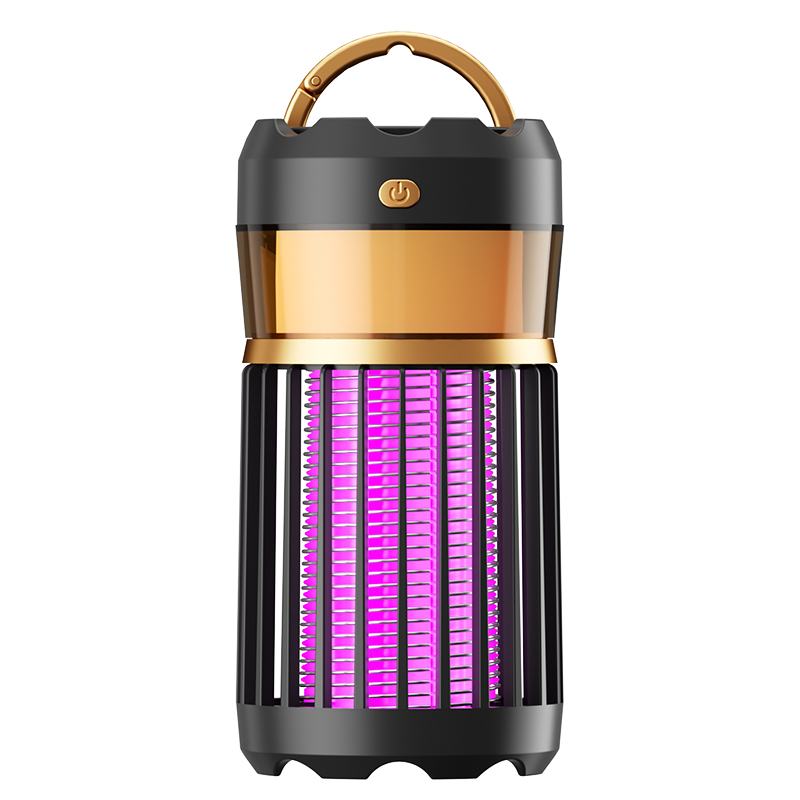
III. Physical Mosquito Control: Safe Barriers, Zero Pollution, More Peace of Mind
Physical mosquito control requires no chemical agents. It blocks or disrupts mosquitoes' activities through physical means, suitable for the whole family—especially the elderly, children, and pregnant women.
- Basic Protective Tools: Installing screen windows and doors is the most fundamental measure. Choose high-density screens to block mosquitoes while maintaining ventilation. Use mosquito nets, especially yurt-style ones—no electricity needed, they form a sealed protective space for safe, side-effect-free sleep.
- Physical Repellent Tips: Use fans or electric fans to create continuous airflow—mosquitoes have weak flying abilities, and the airflow disrupts their flight paths, reducing bites. Wear light-colored long-sleeved clothing; mosquitoes are more attracted to dark colors, and long sleeves directly block skin exposure. Loose styles are more comfortable.
IV. Homemade Natural Mosquito Repellents: Low-Cost, Additive-Free
Don't want to buy commercial repellents? Make your own with natural ingredients—transparent components, eco-friendly and cost-effective, perfect for daily outdoor use.
- Lemongrass Spray: Boil 100ml of water, add 5-6 lemongrass leaves and 3-4 drops of lavender essential oil. Simmer on low heat for 10 minutes, then turn off the heat. Cool and strain into a spray bottle. Spray on clothing, arms, legs, etc.—the natural scent repels mosquitoes for 2-3 hours without irritation.
- Garlic Mint Water: Mash 2 garlic cloves and soak in 50ml of water for 30 minutes. Strain, then add 10 drops of mint essential oil and 5ml of medical alcohol (to extend shelf life). Shake well and spray on indoor corners or clothing. Garlic's odor repels mosquitoes, while mint neutralizes the smell—ideal for those who don't mind garlic.
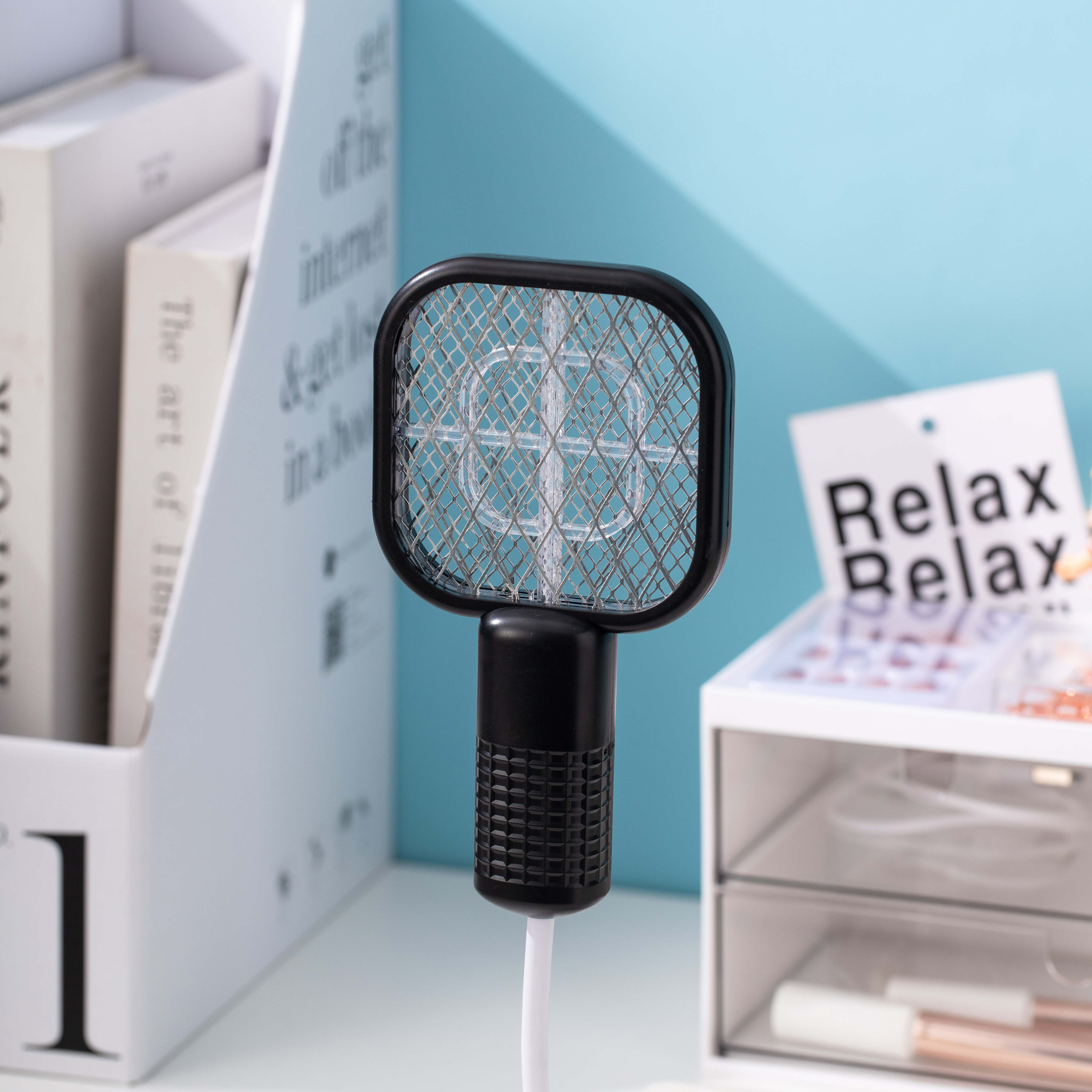
- Avoid chemical products like mosquito coils and electric mosquito liquid. Their pyrethroid ingredients pollute the air, irritate human respiratory tracts and skin, and harm pets.
- For outdoor camping, prioritize campsites with mosquito-repelling plants, or bring mosquito nets and natural sprays. Minimize use of disposable mosquito repellent patches and bracelets to reduce plastic waste.
- Mosquito control is a long-term process. Combine environmental cleaning, physical protection, and natural repellents—this not only effectively keeps mosquitoes away but also protects the ecological environment, reducing chemical pollution for the planet.
Container Transit Time – A Core Concern for Foreign Trade and Logistics
Why do customers like to place orders before the Chinese New Year
Related Article

If you’re struggling with annoying mosquitoes, flies, and other flying pests indoors and outdoors, upgrading from traditional manual tools to anElectric Mosquito Swatter is the most efficient solution. Many homeowners and renters search where to buy fly swatter online to find durable, safe, and high-performance electric models that deliver instant pest control.
Where to Buy Fly Swatter
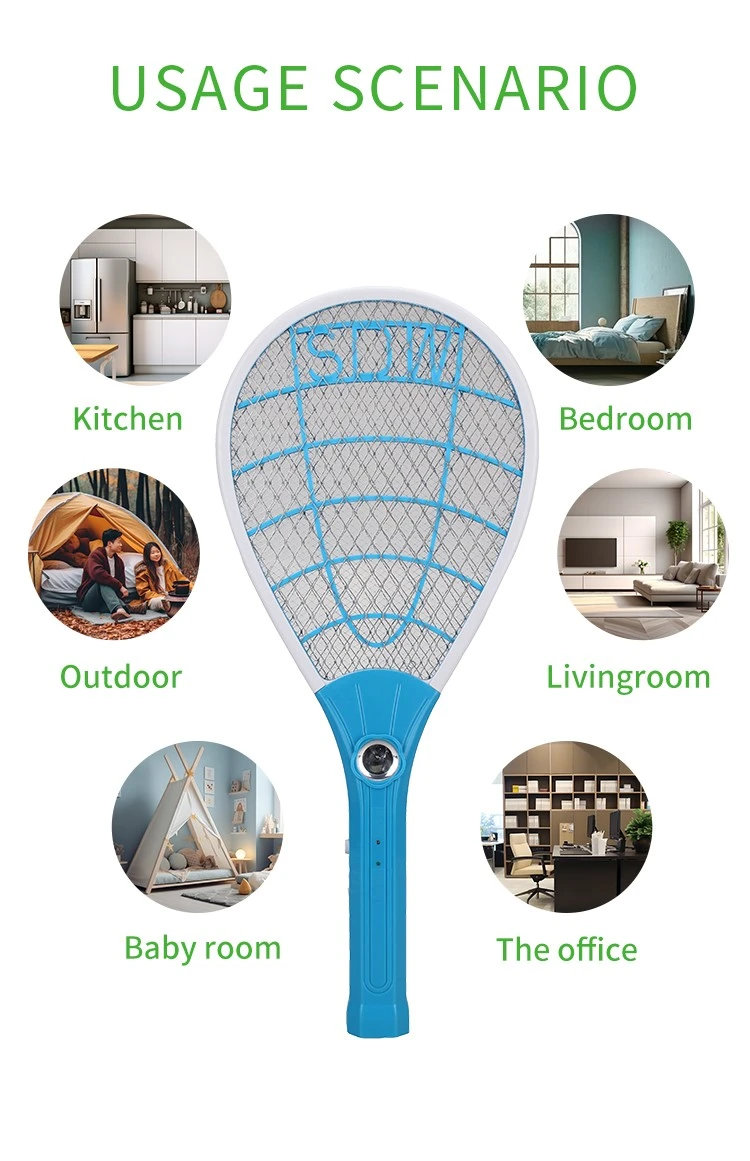
Most importers of electric mosquito swatters obsess over the first order: samples requested, factories vetted, a pre-shipment inspection booked. Then the reorder arrives eight months later and something is off. The grid feels softer. The charge port is a slightly different shade of black. The carton thickness dropped from 350 gsm to 300 gsm. Nothing is catastrophic — but the product no longer matches what your retail customers approved, and quietly, your return rate starts climbing.
How to Keep Mosquito Swatter Quality Consistent Across Repeat Orders
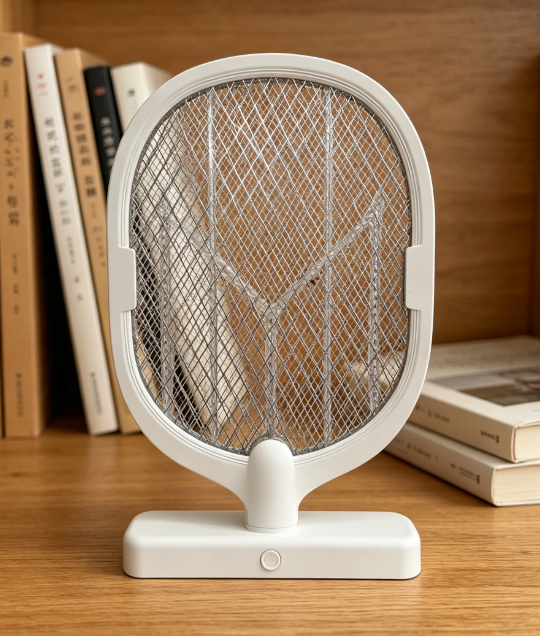
Warranty returns are the silent margin killer in the mosquito control category. A distributor who buys a swatter at $1.80 FOB and retails it at $9.90 can absorb a 1% return rate without noticing — but at 5%, the combined cost of replacement units, reverse logistics, and refund processing erases most of the line's profit.
Common mosquito swatter killer lamp failure modes wholesale spec guide

Digital bathroom scales rank as the second-highest-volume consumer weighing product category, only behind kitchen scales, with distinct market and product characteristics that set them apart from other scale types in importers’ product portfolios.
Digital bathroom body fat-bia-scale wholesale buyers guide