
What are the future development trends of electric mosquito swatters
2025-12-19
From Basic Zapper to Tech-Forward Essential: The Next Era of Electric Mosquito Swatters
What began as a simple handheld tool for killing mosquitoes has evolved into a staple of modern households—adapting to changing lifestyles, technological advancements, and global sustainability goals. Over the past four decades, electric mosquito swatters have transitioned from clunky dry-battery models to lightweight, rechargeable devices with LED lights and safety features. Today, as consumer demand for smarter, greener, and more versatile home gadgets surges, the industry is poised for a new wave of innovation. Driven by AI integration, environmental regulations, and hyper-specific user needs, the future of electric mosquito swatters will move beyond mere pest control—blending functionality with intuition to redefine summer comfort. Below are the four core trends shaping their next evolution:
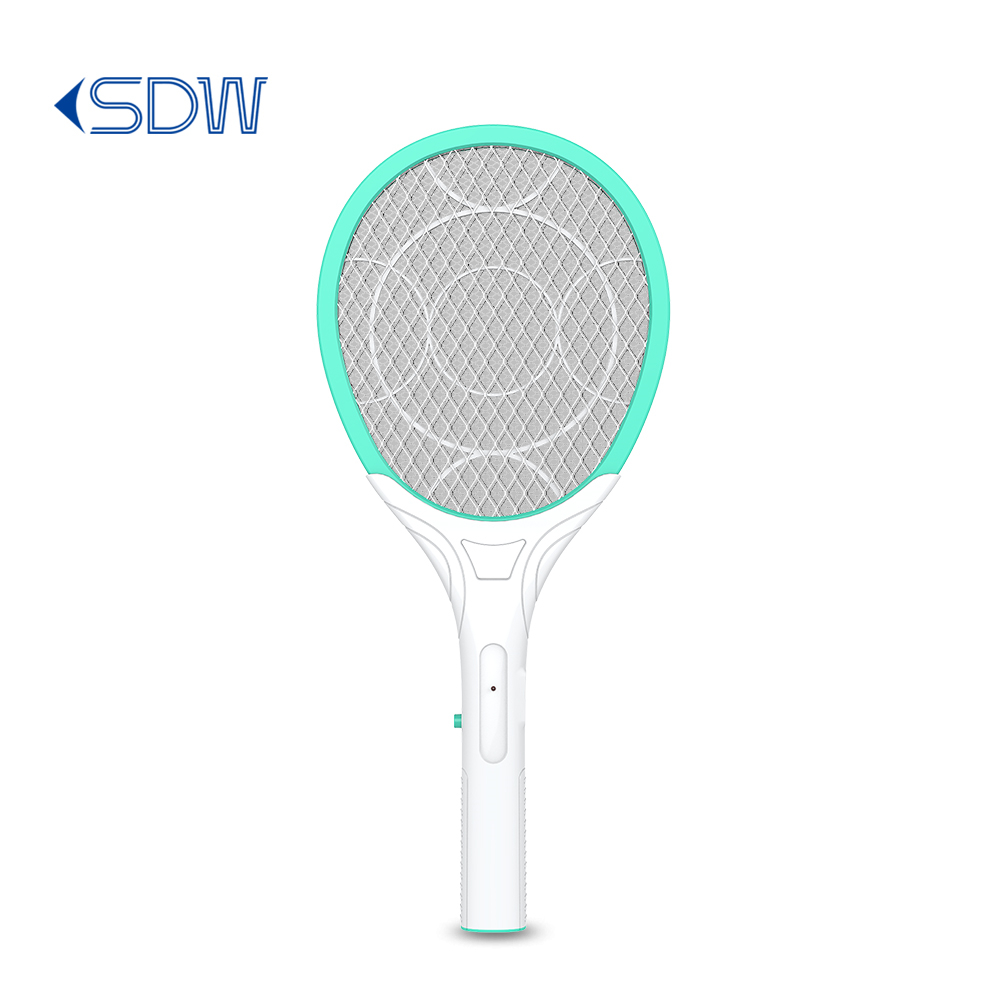
1. Intelligent Upgrades: Practical Tech Beyond Gimmicks
Industry reports (2025-2031) highlight that intelligence will focus on functional innovation rather than superficial features . Key advancements include:
- Precision Sensing & Identification: Integrated infrared sensors and AI algorithms will distinguish mosquitoes from beneficial insects (e.g., bees) with 92% accuracy, avoiding unnecessary kills. Brands like Xiaomi are testing models that auto-adjust voltage based on pest size—low for small mosquitoes, high for cockroaches.
- IoT-Enabled Smart Control: Remote operation via smartphone apps will become mainstream, but optimized for utility: set scheduled activation for post-work homecoming, or receive "mosquito density alerts" linked to humidity sensors (mosquito activity peaks at 60-80% humidity) .
- Hands-Free Automation: 2-in-1 "stand + swatter" designs will evolve with motion sensors—wave a hand near the device to activate, ideal for kitchen counters or baby rooms where hands are occupied.
2. Eco-Friendly Transformation: Materials & Energy Efficiency
Driven by policy subsidies for green tech and consumer demand, environmental protection will penetrate the entire product lifecycle:
- Degradable & Recyclable Materials: Handles made from corn starch-based bioplastics (decomposable in 180 days) and recyclable stainless steel mesh will replace traditional plastics. Leading manufacturer Joyoung plans to launch fully recyclable models by 2026.
- Ultra-Low Energy Consumption: New lithium-polymer batteries with 30% higher energy density will cut standby power to <0.5W. Solar-charged variants (with 5-hour sunlight = 10 days use) will gain traction in rural and outdoor markets.
- Circular Economy Models: Brands will introduce "battery replacement services" to extend product lifespan—users swap old batteries for recycled ones at 50% off, reducing e-waste by 40% .
3. Multi-Function Integration: All-in-One Portability
To break product homogeneity , integration with daily gadgets will become a differentiation strategy:
- Travel-Ready Combos: Camping-focused models will merge swatters with 5000mAh power banks and UV sanitizers (for cutlery disinfection). Philips’ 2025 prototype adds a compass and emergency whistle for outdoor safety.
- Home Wellness Extensions: High-end versions will integrate air quality sensors that detect formaldehyde while 灭蚊,syncing data to smart home systems. Haier’s concept design even includes a mini humidifier for dry summer nights.
- Space-Saving Designs: Foldable mesh surfaces (reducing size by 60%) and magnetic bases for wall storage will cater to small apartments—ideal for urban users where space is premium.
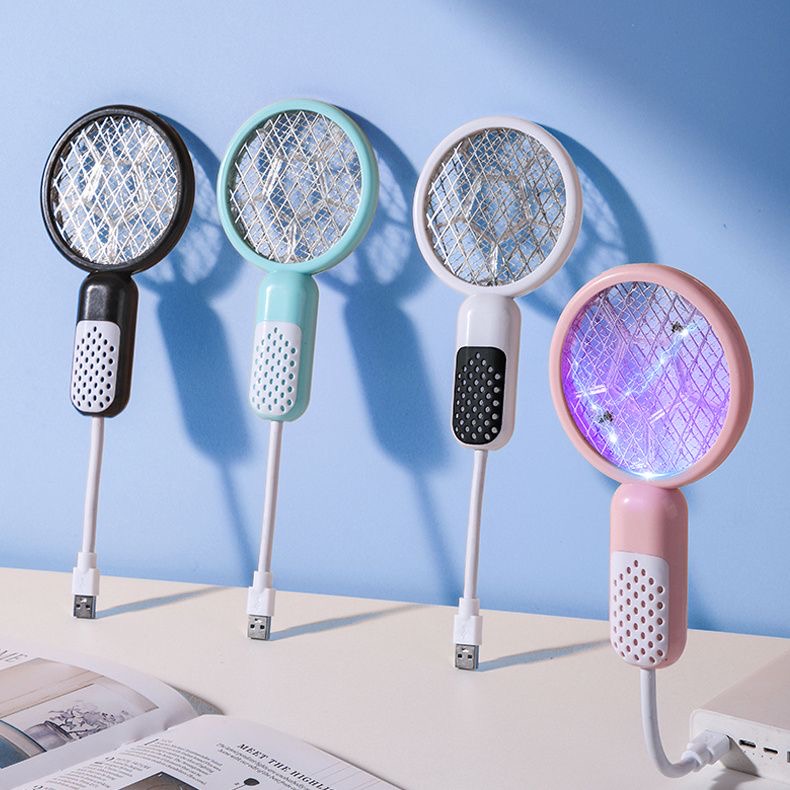
4. Branding & Market Segmentation: Beyond "One-Size-Fits-All"
As the market is projected to reach 10 billion yuan by 2025 (CAGR 15%+), brands will shift from price competition to targeted positioning:
- Demographic-Specific Lines: "Elderly-friendly" models with enlarged buttons and voice prompts; "kids-safe" versions with fingerprint locks to prevent accidental activation.
- Commercial-Grade Solutions: Hotels and restaurants will adopt wall-mounted, auto-cleaning units with 24/7 mosquito monitoring—driven by public health regulations in Southeast Asia and Africa.
- Premium Brand Building: Companies like Dyson are entering the space with sleek, minimalist designs and 5-year warranties, targeting middle-class consumers willing to pay 3x more for durability .
The Bottom Line: Practicality Remains King
Despite these innovations, industry data confirms 76.4% of users prioritize "safety and utility" over novelty . Gimmicks like unnecessary app connectivity will fade, while tech that solves real pain points—faster charging, longer lifespan, smarter pest targeting—will define the next generation of electric mosquito swatters. The future lies in balancing innovation with intuition: making summer comfort simpler, not more complex.
What are the usage scenarios and precautions for electric mosquito swatters
What is the development history of electric mosquito swatters
Related Article

If you’re struggling with annoying mosquitoes, flies, and other flying pests indoors and outdoors, upgrading from traditional manual tools to anElectric Mosquito Swatter is the most efficient solution. Many homeowners and renters search where to buy fly swatter online to find durable, safe, and high-performance electric models that deliver instant pest control.
Where to Buy Fly Swatter
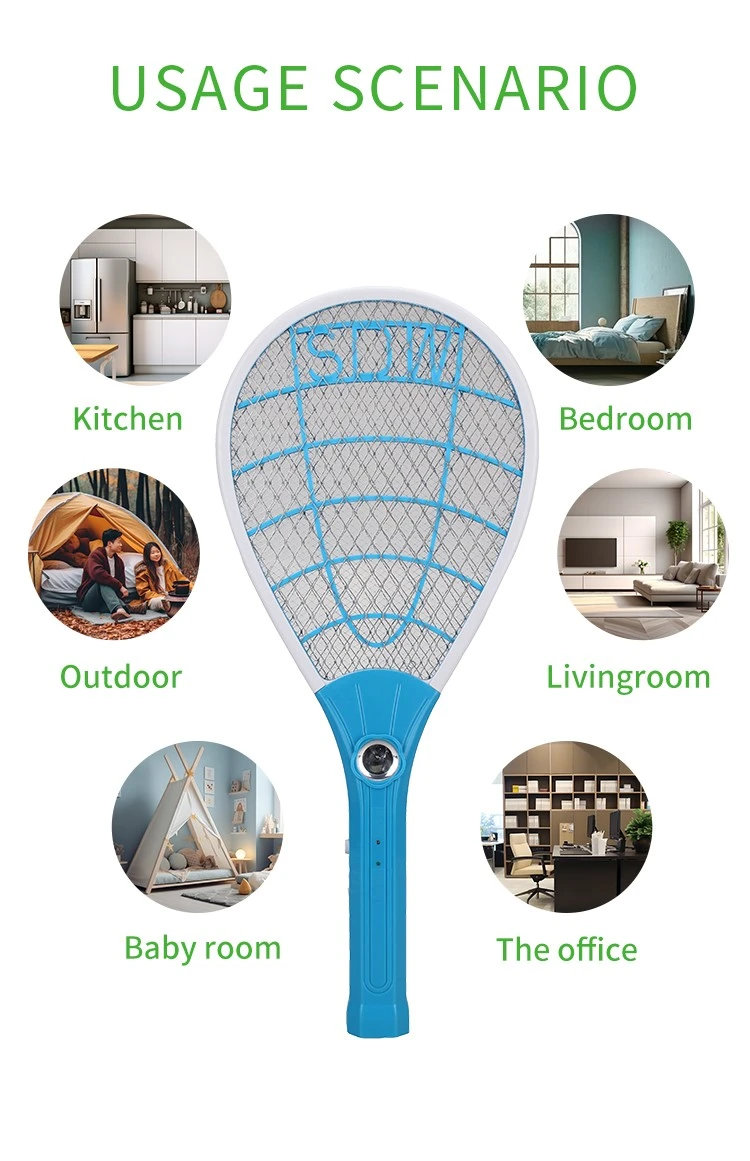
Most importers of electric mosquito swatters obsess over the first order: samples requested, factories vetted, a pre-shipment inspection booked. Then the reorder arrives eight months later and something is off. The grid feels softer. The charge port is a slightly different shade of black. The carton thickness dropped from 350 gsm to 300 gsm. Nothing is catastrophic — but the product no longer matches what your retail customers approved, and quietly, your return rate starts climbing.
How to Keep Mosquito Swatter Quality Consistent Across Repeat Orders
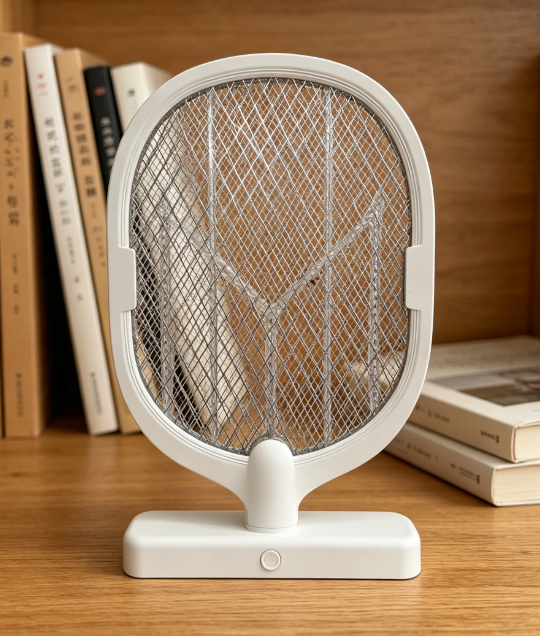
Warranty returns are the silent margin killer in the mosquito control category. A distributor who buys a swatter at $1.80 FOB and retails it at $9.90 can absorb a 1% return rate without noticing — but at 5%, the combined cost of replacement units, reverse logistics, and refund processing erases most of the line's profit.
Common mosquito swatter killer lamp failure modes wholesale spec guide

Digital bathroom scales rank as the second-highest-volume consumer weighing product category, only behind kitchen scales, with distinct market and product characteristics that set them apart from other scale types in importers’ product portfolios.
Digital bathroom body fat-bia-scale wholesale buyers guide