
What Are the Most Venomous Mosquitoes
2026-07-20
What Are the Most Venomous Mosquitoes? Dangerous Mosquito Species & Their Harmful Effects
Aside from sweltering heat, mosquitoes are the most annoying part of summer. Most people regard mosquitoes as mere nuisances that leave itchy bites, yet different mosquito species vary drastically in danger level. While some only leave tiny red bumps, others carry life-threatening viruses, acting as invisible summer killers. Many people cannot tell ordinary mosquitoes apart from venomous ones. Today, we will fully break down which mosquitoes are the most dangerous, their potential harms, and effective prevention methods.

1. Two Core Types of "Toxicity" in Mosquitoes
When people say a mosquito is "poisonous", it refers to two distinct hazards that determine a mosquito’s danger level — bigger bites do not always mean greater toxicity.
The first is bite-induced allergic toxicity. To feed on blood, mosquitoes inject saliva containing anticoagulants and proteases into the human body. This triggers common allergic reactions including severe swelling, intense itching, hard lumps, and prolonged skin irritation, which are the most visible symptoms of a mosquito bite reaction.
The second is virus-transmission toxicity, the real lethal threat posed by mosquitoes. Mosquitoes do not produce inherent toxins. However, high-risk species carry dozens of pathogens such as dengue fever, yellow fever, Zika virus, and malaria. A single bite can transmit these diseases, leading to severe illness or even death in extreme cases.
There are more than 3,500 known mosquito species worldwide, but only three categories pose fatal threats to humans, with two species ranking at the top of the dangerous mosquito list.
2. China’s Most Venomous Mosquito: Aedes Albopictus (Asian Tiger Mosquito)
If you have suffered from painful mosquito bites in China’s summer, you have most likely encountered Aedes albopictus, commonly known as the Asian tiger mosquito. It is the most toxic and dangerous native mosquito species in China.
It has a distinctive appearance: a black body covered with neat white stripes on the torso and legs. Smaller and more agile than common mosquitoes, it flies silently and is extremely hard to swat. Unlike ordinary night-biting mosquitoes, Aedes albopictus is primarily active during the day, especially in early morning and late afternoon. It commonly haunts outdoor spaces, balconies, and community green belts.
Its toxicity manifests in two key ways. First, it causesextremely severe bite reactions. Its saliva contains far more allergens than common house mosquitoes. Bites quickly develop into large, swollen bumps with persistent intense itching. Scratching often leads to skin inflammation, infection, and long-term dark marks. Sensitive individuals may experience extensive swelling and hard nodules.
More critically, it possesses powerful virus transmission capabilities. Aedes albopictus is the primary vector for dengue fever, chikungunya, Zika virus, and yellow fever in China, carrying more than ten pathogenic viruses. It is responsible for almost all domestic dengue outbreaks every summer. Bites from virus-carrying individuals can cause high fever, rashes, and severe muscle and joint pain in mild cases, and hemorrhage or organ damage in severe cases. Chikungunya infection may even lead to long-term joint pain and disability.
Additionally, Aedes albopictus has an extremely strong reproductive capacity. Small stagnant water sources — such as flower pot trays, water-filled bottle caps, and waste tires — can hatch new larvae within 7 to 10 days, allowing them to spread widely in urban areas and evade prevention easily.
3. The World’s Most Dangerous Mosquito: Aedes Aegypti (Yellow Fever Mosquito)
If Aedes albopictus is China’s deadliest mosquito,Aedes aegypti is universally recognized as the most venomous mosquito globally. Far more dangerous than the Asian tiger mosquito, it is a high-risk insect closely monitored by the World Health Organization.
Similar in appearance to Aedes albopictus with white body stripes, Aedes aegypti is slightly larger with more regular markings. In China, it is mainly distributed in tropical and subtropical regions including Hainan, Guangdong, and Yunnan. It is also widespread in Africa, Southeast Asia, and South America. Originating in Africa, it has spread globally through human mobility and logistics, becoming a transnational lethal pest.
It outranks most mosquitoes in toxicity and serves as the exclusive vector for multiple severe infectious diseases. Compared with Aedes albopictus, Aedes aegypti transmits viruses more efficiently and carries higher viral loads. It is the core carrier of yellow fever, dengue fever, Zika virus, and Rift Valley fever. Yellow fever has a high mortality rate, with severe cases causing liver and kidney failure and massive hemorrhage, often resulting in death without timely treatment.
What makes it even more dangerous is its exclusive preference for human blood over animal blood. Extremely aggressive and eager to feed, it can trigger large-scale epidemics once it breeds in an area. It is one of the leading causes of high global mortality rates from mosquito-borne diseases every year.
4. Common Mosquito Comparison: Why Anopheles and Culex Are Not Classified as Venomous
Anopheles and Culex mosquitoes are also common in daily life and will bite humans, but their toxicity and danger are far lower than Aedes mosquitoes, requiring minimal public concern.
Anopheles, also known as malaria mosquitoes, mainly transmit malaria. They inhabit rural areas, paddy fields, and river areas and bite at night. Although malaria is fatal, Anopheles is rarely found in urban areas and has limited transmission scenarios, making daily exposure extremely rare.
Culex mosquitoes are the most common house mosquitoes, the buzzing pests that disturb sleep at night. They have the weakest toxicity, only leaving small red spots and mild itching after biting. They primarily transmit Japanese encephalitis and filariasis with extremely low transmission probabilities and health risks, making them the safest mosquito species for humans.
5. Symptoms Requiring Immediate Medical Attention After Venomous Mosquito Bites
Swelling and itching from ordinary mosquito bites usually subside within 1 to 2 days. However, if you experience the following symptoms after being bitten by Aedes albopictus or Aedes aegypti, you may have contracted a mosquito-borne virus and must seek medical treatment promptly:
1. Sudden high fever above 39°C accompanied by severe headache, muscle soreness, and joint pain;
2. Widespread red rashes, flushing skin, nausea, vomiting, and general fatigue;
3. Expanding swelling and pus at the bite site, or dizziness, palpitations, and physical weakness.

6. Targeted Prevention Tips to Avoid Venomous Mosquitoes
Toxic mosquitoes mainly breed in small stagnant water and are active during the day, requiring targeted prevention methods different from regular mosquito control:
1. Regularly remove stagnant water at home: Empty water from flower pot trays, trash cans, buckets, and air conditioner drip trays to eliminate Aedes mosquito breeding grounds;
2. Take outdoor precautions during the day: Wear long sleeves and long pants in early morning and late afternoon, apply certified mosquito repellent on exposed skin, and avoid grasslands and green belts with dense mosquitoes;
3. Install window screens and door screens at home, and use mosquito spray and sticky traps regularly to eliminate daytime-active Aedes mosquitoes;
4. Check local mosquito-borne disease epidemic information before traveling to tropical and subtropical regions, and take full protective measures.
Conclusion
Based on comprehensive evaluation of toxicity, disease risk, and transmission capacity, Aedes aegypti is the most venomous mosquito worldwide, while Aedes albopictus (Asian tiger mosquito) is the most common and dangerous toxic mosquito in China. They are far more than itchy nuisances, but hidden health hazards in daily life. Summer mosquito prevention should never be overlooked. Beyond relieving bite itching, eliminating breeding stagnant water and taking effective protection are essential to stay away from life-threatening mosquito-borne diseases.
Why Your Mosquito Trap Is Not Working
Can Electric Fly Swatters Be Used With Insecticide
Related Article

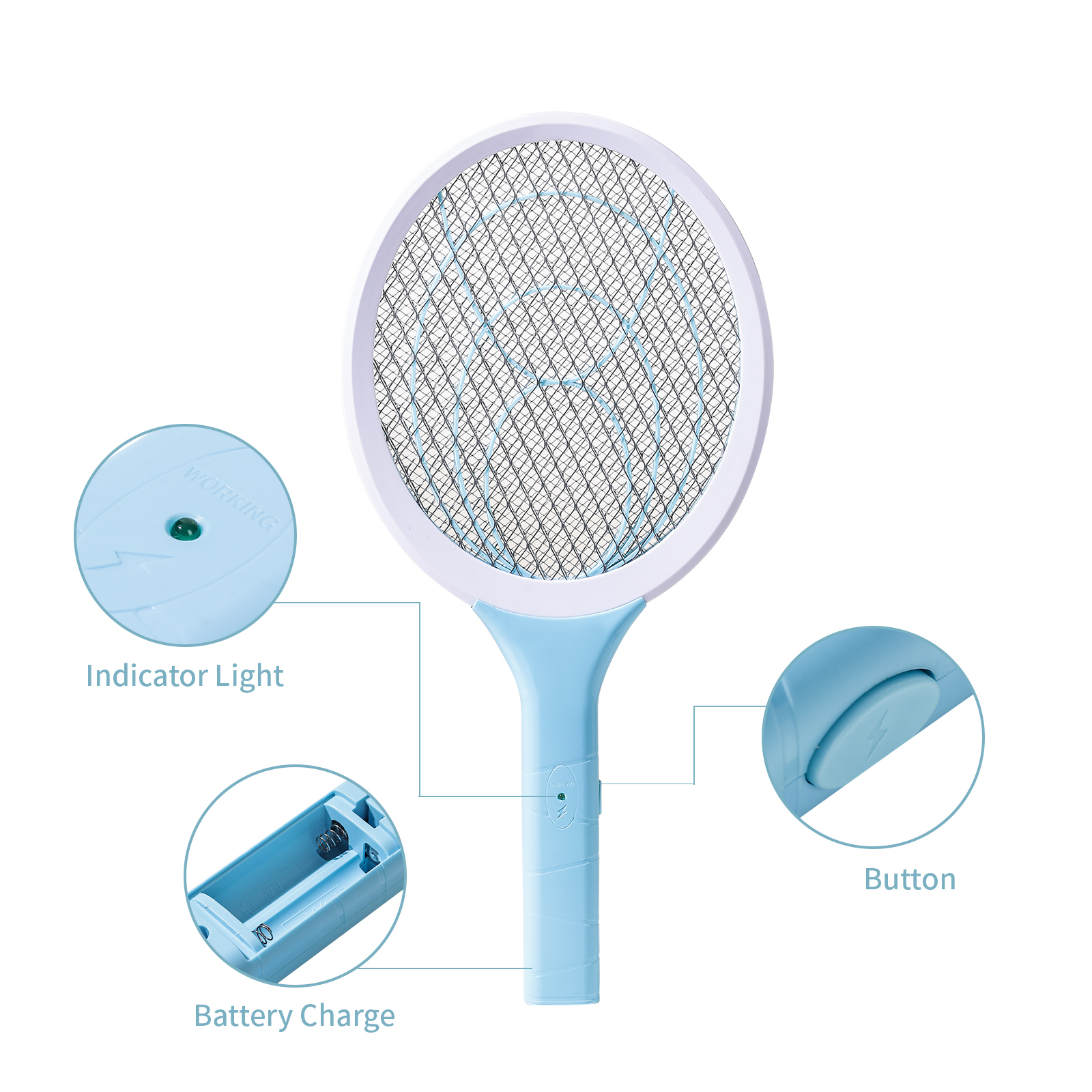
If you’re struggling with annoying mosquitoes, flies, and other flying pests indoors and outdoors, upgrading from traditional manual tools to anElectric Mosquito Swatter is the most efficient solution. Many homeowners and renters search where to buy fly swatter online to find durable, safe, and high-performance electric models that deliver instant pest control.
Where to Buy Fly Swatter

Most importers of electric mosquito swatters obsess over the first order: samples requested, factories vetted, a pre-shipment inspection booked. Then the reorder arrives eight months later and something is off. The grid feels softer. The charge port is a slightly different shade of black. The carton thickness dropped from 350 gsm to 300 gsm. Nothing is catastrophic — but the product no longer matches what your retail customers approved, and quietly, your return rate starts climbing.
How to Keep Mosquito Swatter Quality Consistent Across Repeat Orders
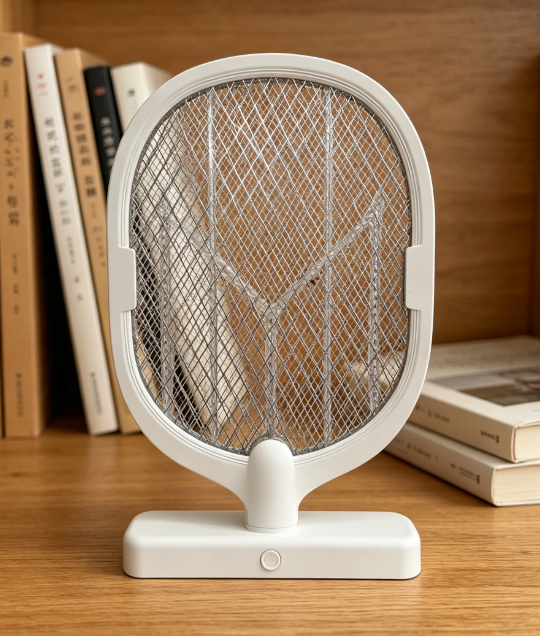
Warranty returns are the silent margin killer in the mosquito control category. A distributor who buys a swatter at $1.80 FOB and retails it at $9.90 can absorb a 1% return rate without noticing — but at 5%, the combined cost of replacement units, reverse logistics, and refund processing erases most of the line's profit.
Common mosquito swatter killer lamp failure modes wholesale spec guide

Digital bathroom scales rank as the second-highest-volume consumer weighing product category, only behind kitchen scales, with distinct market and product characteristics that set them apart from other scale types in importers’ product portfolios.
Digital bathroom body fat-bia-scale wholesale buyers guide