
What Are the Natural Enemies of Mosquitoes
2025-08-07
Mosquitoes have numerous natural enemies, which play an important role in the ecological balance of nature and are crucial in controlling mosquito populations. Here are some common natural enemies of mosquitoes:
Aquatic Organisms
- Fish: Many freshwater fish feed on mosquito larvae (wrigglers), such as mosquitofish and western mosquitofish. They are small in size, can shuttle through aquatic plants, and efficiently prey on wrigglers. They are often introduced into ponds, rice fields and other water areas for mosquito control.
- Dragonfly larvae: The larvae of dragonflies, known as nymphs, live in water. They are ferocious and feed on wrigglers and small aquatic insects. A single nymph can eliminate a large number of wrigglers during its growth.
- Dragonflies: Adult dragonflies are excellent flying hunters. They prey on mosquitoes and other small flying insects in the air, with extremely strong predation ability, and are known as "air mosquito hunters".
- Praying mantises: Praying mantises are carnivorous insects with a ferocious nature, and they will prey on mosquitoes and other insects passing by.
- Spiders: Spiders catch mosquitoes and other flying insects by weaving webs. Different species of spiders weave webs in different environments, becoming natural "traps" for mosquitoes.
Birds
- Swallows: Swallows are famous insectivorous birds. They prey on mosquitoes, flies and other insects while flying in the air. A single swallow can prey on a large number of mosquitoes in a summer.
- Nightingales: Nightingales and other birds that are active at night will prey on mosquitoes and other insects that are active at night.
Other Animals
- Bats: Bats are nocturnal animals, mainly feeding on insects, and mosquitoes are one of their foods. A single bat can prey on a large number of mosquitoes at night.
- Frogs and toads: Frogs and toads like to inhabit humid environments. Their tongues are flexible and can quickly stretch out to catch mosquitoes and other insects, making them important natural enemies of mosquitoes on land and at the edge of water areas.
These natural enemies prey on mosquitoes at all stages from eggs, larvae to adults, forming a natural restrictive mechanism and helping to control the population of mosquitoes.
Differences Between Chikungunya and Dengue
Different Types of UV Insect Traps
Related Article
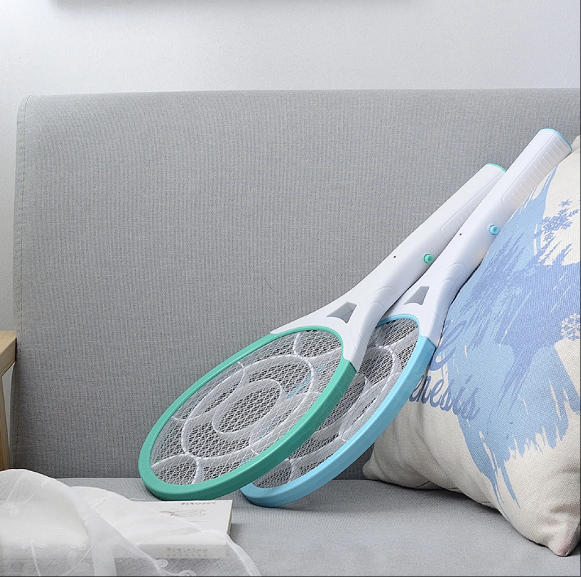
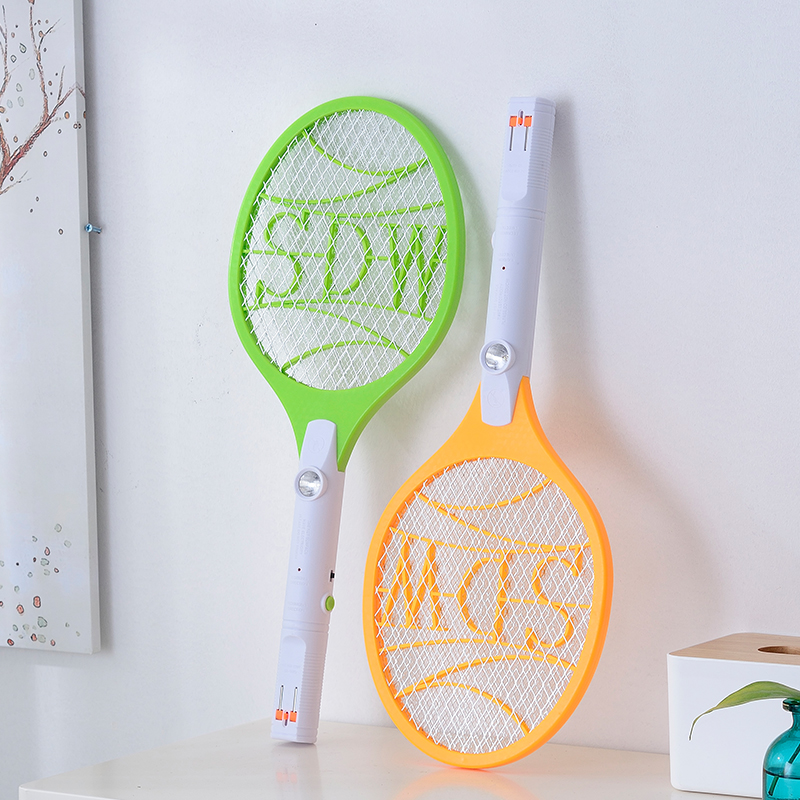
If you’re struggling with annoying mosquitoes, flies, and other flying pests indoors and outdoors, upgrading from traditional manual tools to anElectric Mosquito Swatter is the most efficient solution. Many homeowners and renters search where to buy fly swatter online to find durable, safe, and high-performance electric models that deliver instant pest control.
Where to Buy Fly Swatter
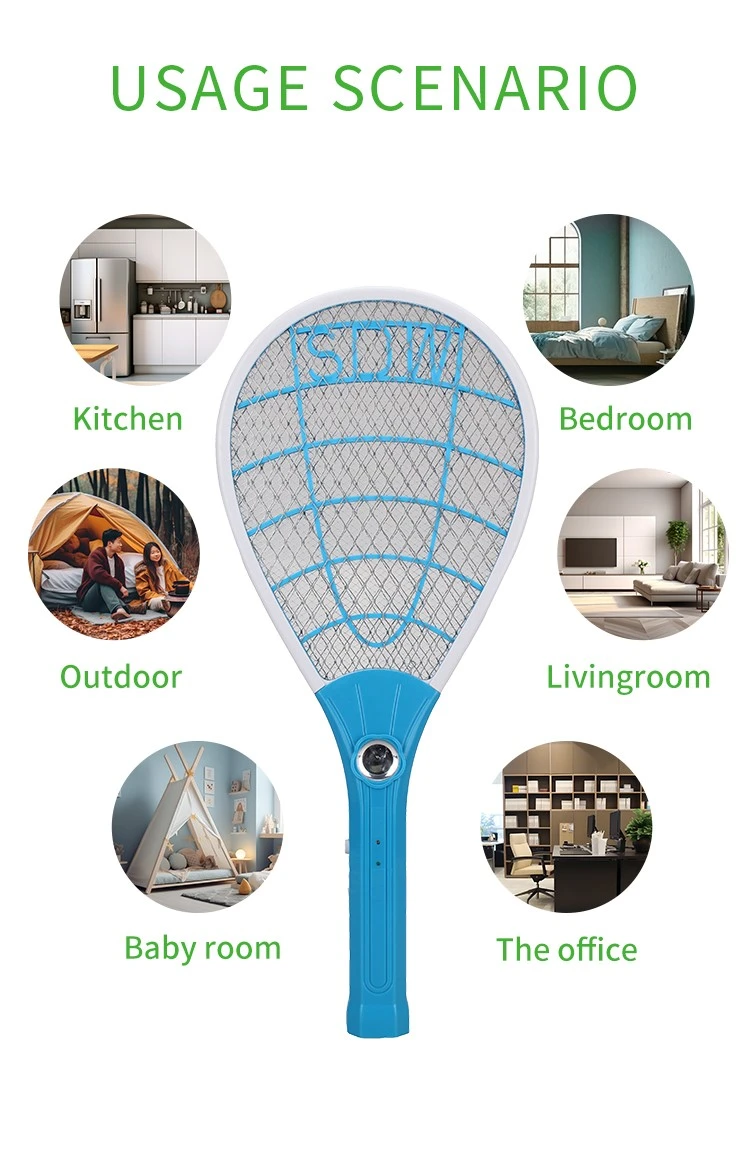
Most importers of electric mosquito swatters obsess over the first order: samples requested, factories vetted, a pre-shipment inspection booked. Then the reorder arrives eight months later and something is off. The grid feels softer. The charge port is a slightly different shade of black. The carton thickness dropped from 350 gsm to 300 gsm. Nothing is catastrophic — but the product no longer matches what your retail customers approved, and quietly, your return rate starts climbing.
How to Keep Mosquito Swatter Quality Consistent Across Repeat Orders
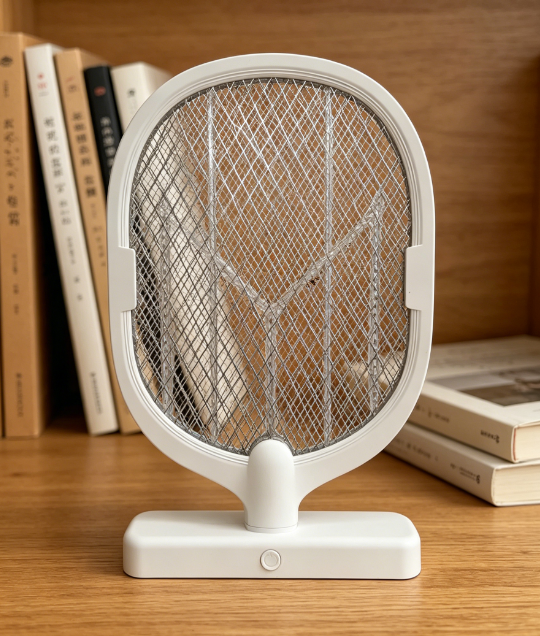
Warranty returns are the silent margin killer in the mosquito control category. A distributor who buys a swatter at $1.80 FOB and retails it at $9.90 can absorb a 1% return rate without noticing — but at 5%, the combined cost of replacement units, reverse logistics, and refund processing erases most of the line's profit.
Common mosquito swatter killer lamp failure modes wholesale spec guide

Digital bathroom scales rank as the second-highest-volume consumer weighing product category, only behind kitchen scales, with distinct market and product characteristics that set them apart from other scale types in importers’ product portfolios.
Digital bathroom body fat-bia-scale wholesale buyers guide