
What are the similarities between an electric mosquito swatter and a badminton racket
2025-10-10
The Mosquito Swatter We Use Every Summer Is Actually a “Relative” of the Badminton Racket? These Similarities Are Surprisingly Unexpected
As summer rolls around, there are two "racket-like" items on my balcony: one is a badminton racket I use to play a quick game with my kid in the evening, and the other is a mosquito swatter I wave around to chase mosquitoes at night. A few days ago, when I was tidying up, I put the two next to each other by chance—and suddenly realized that these two things, which seem to have nothing in common, actually share a lot of "similar genes"! Today, I want to chat about the similarities between this "unlikely pair," and maybe after reading this, you’ll feel the same way I do: next time you use either of them, you can’t help but smile.
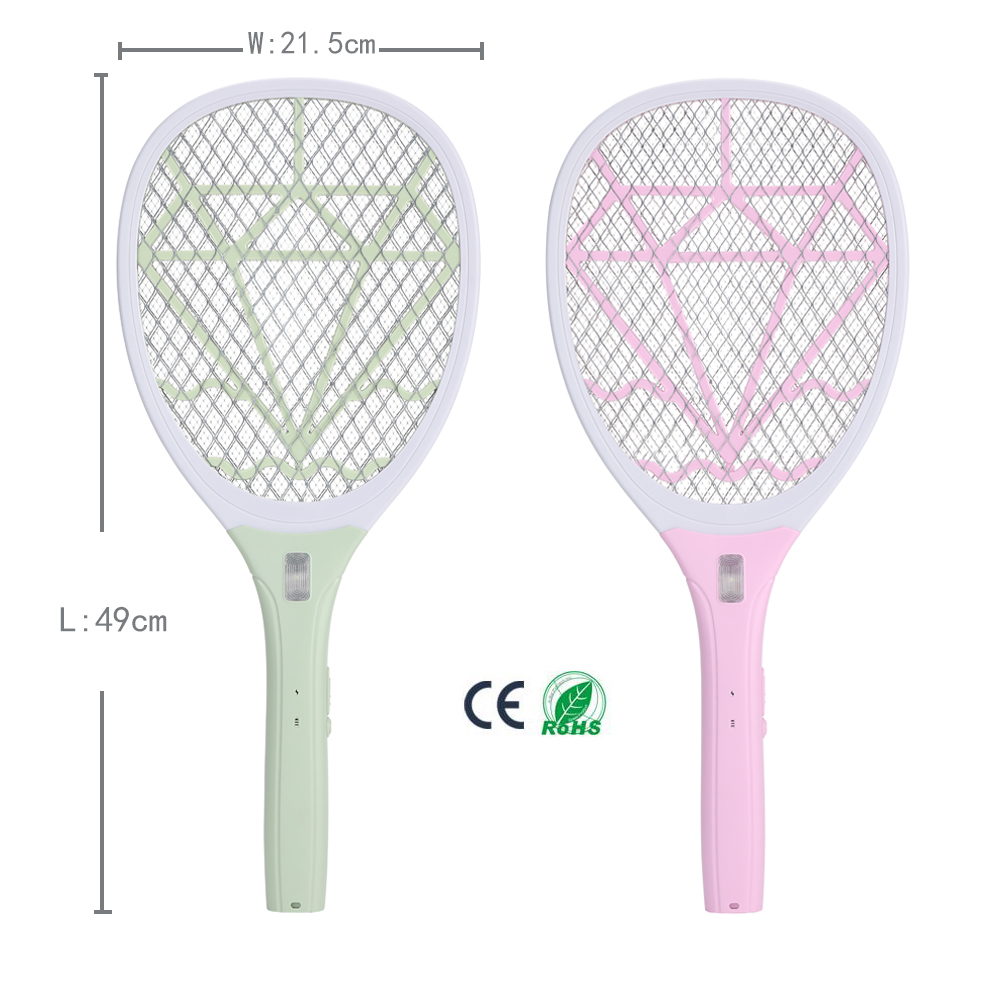
1. They Look Alike: Both Have the Classic “Head + Handle” Design, and Even Feel Similar in the Hand
First, let’s talk about their appearance. Whether it’s a badminton racket or a mosquito swatter, at first glance, they both have the shape of "a flat surface plus a rod"—just like the toy rackets we played with as kids, super easy to recognize.
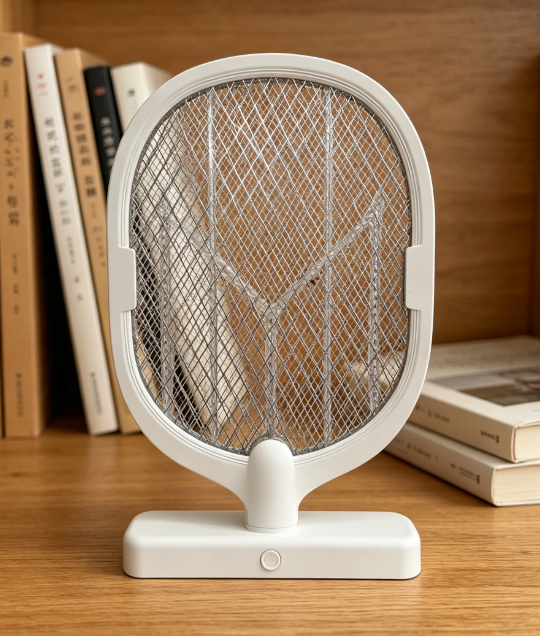
The head of a badminton racket is woven with strings, which help generate force when hitting the shuttlecock, sending it far and steady; the head of a mosquito swatter is made of a metal grid, usually a three-layer one—with the middle layer charged and the outer two insulated. When a mosquito flies in, you’ll hear a "crack" as it gets zapped. Even though one uses strings and the other a grid, both heads are oval-shaped, perfectly sized for easy use: if a badminton racket’s head is too big, it’s hard to swing; too small, and you’ll miss the shuttlecock. It’s the same with a mosquito swatter—too big, and it’s clumsy to chase mosquitoes; too small, and mosquitoes slip away easily. Isn’t that a coincidence?
Then there are the handles—their feel is surprisingly similar. Badminton racket handles are wrapped with sweat-absorbent tape, so your palms won’t slip even when you sweat during summer games, and your arms won’t ache even if you hold it for a long time. Mosquito swatter handles don’t have sweat-absorbent tape, but most are made of rubber, which feels soft to the touch. What’s more, their length is similar to that of badminton racket handles. You can hold one in one hand to chase mosquitoes—whether you’re reaching up to get a mosquito on the ceiling or bending down to find one under the bed, it’s really comfortable. The handle of my family’s mosquito swatter even fits my palm better than our badminton racket sometimes; I get so used to the feel that I almost forget I’m swatting mosquitoes.
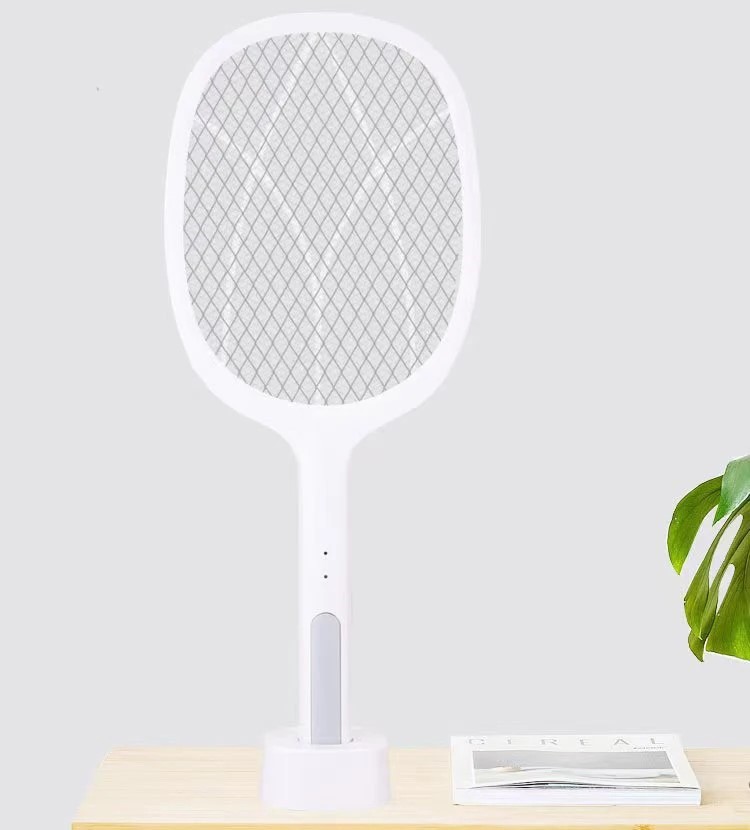
2. They Work Alike: Both Rely on “Aiming + Swinging,” Even the Force Logic Is the Same
When playing badminton, we first keep an eye on the shuttlecock’s flight path, aim carefully, then swing the racket. If you use too little force, the shuttlecock won’t fly far; too much, and you’ll hit it off course. Amazingly, using a mosquito swatter follows the exact same routine! When you see a mosquito flying, you first track its movement, predict where it’s going, then give a gentle swing with the swatter—and the mosquito gets "trapped" in the grid. If the mosquito is flying fast, you need to swing a little harder, just like hitting a long shot in badminton. If the mosquito is sitting still on the wall, you treat it like a short-range shuttlecock: gently press the swatter’s head against the wall, don’t use too much force, or you’ll scare the mosquito away.
What’s even more interesting is adjusting the angle of the racket head. In badminton, tilting the head a little lets you hit a drop shot; keeping it flat helps you hit a high clear—it all depends on the angle. You also need to adjust the angle when swatting mosquitoes: if the mosquito is on the wall, you have to hold the swatter’s head vertically against the wall. If there’s a gap between the grid and the wall, the mosquito will slip through. If the mosquito is flying low, you tilt the head slightly downward, like hitting a smash in badminton—this way, you can catch the mosquito steadily. Sometimes I get so focused on swatting mosquitoes that my angle-adjusting movements look just like I’m playing badminton. My family teases me: "Are you treating that mosquito like a shuttlecock?"
3. They Adapt to Scenes Alike: Both Need to Be “Light and Portable,” Usable Anywhere
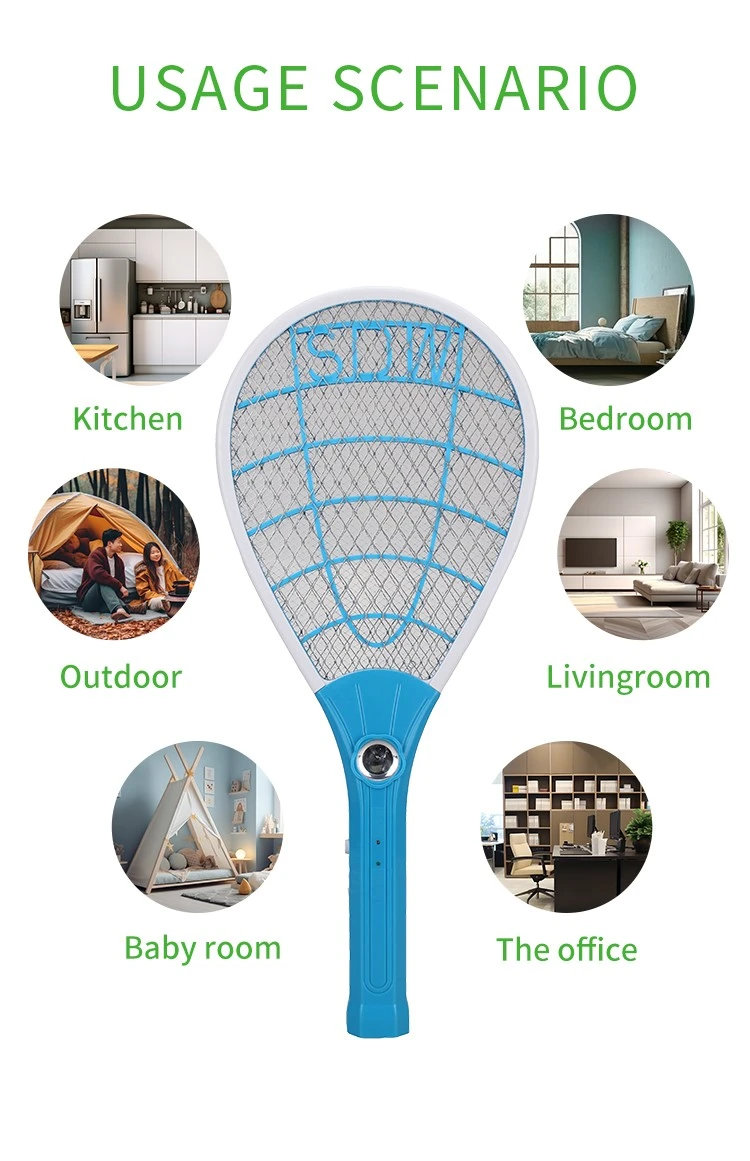
We usually don’t choose super heavy badminton rackets for daily use—most weigh 200-300 grams, easy to pick up and take to the court, or even fit into a sports bag. Mosquito swatters also prioritize "lightness": most weigh 100-200 grams, not much heavier than a phone. You can hold one in one hand and swat mosquitoes anywhere—in the living room, bedroom, kitchen, or even take it camping in summer. Just toss it in a handbag, and it works great for dealing with mosquitoes in the tent at night.
Besides, neither of them needs fancy accessories. A badminton racket just needs a shuttlecock to play—no need to find a dedicated court or set up a net. A mosquito swatter works for days on a single charge—no need for a power cord or insecticide. On summer evenings after dinner, I sometimes play badminton with my kid for ten minutes first. When it gets dark and mosquitoes come out, I grab the mosquito swatter to clear the balcony. Switching between the two is effortless—super convenient.
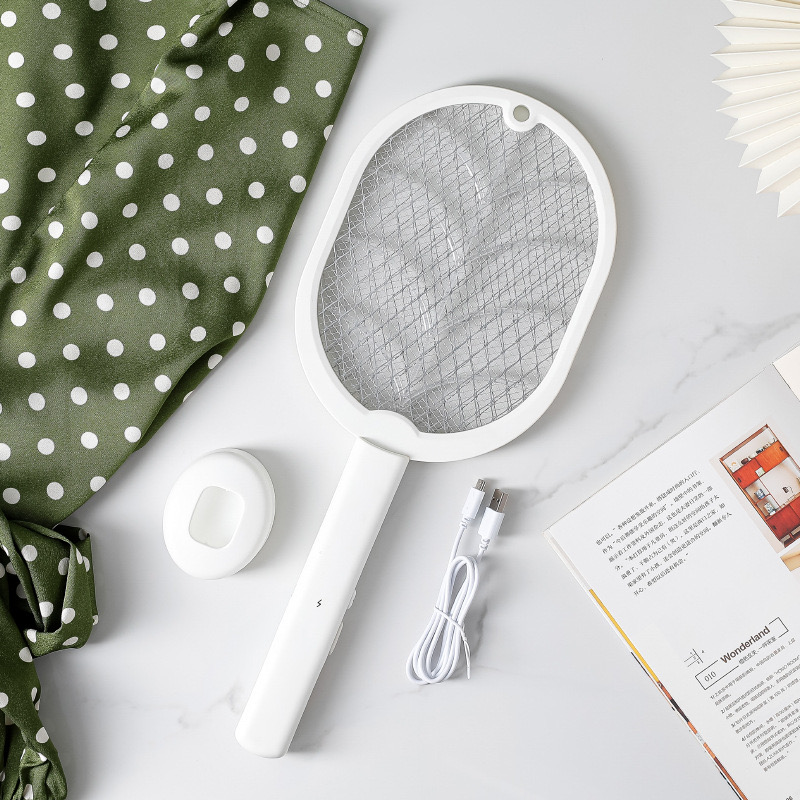
4. Their Safety Designs Are Alike: Both Hide “Anti-Trouble” Details to Prevent Injuries
Even though their functions are different, both rackets are thoughtful when it comes to safety. The edges of a badminton racket’s strings are covered with tape to prevent sharp string ends from scratching your hands. There’s also a small rubber plug at the end of the handle to stop it from slipping out of your hand. Mosquito swatters have even more obvious safety features: the outer grids are insulated, so you won’t get shocked even if you accidentally touch them. The edges of the head are polished smooth—no scratches on furniture or your hands. My family’s mosquito swatter even has a "child-lock" switch: you have to hold it down to turn on the power, so even if my kid gets curious and plays with it, there’s no risk of electric shock.
The warnings parents give when using them are similar too. When teaching a kid to play badminton, you’ll say, "Don’t swing too hard—you might hit someone." When letting a kid use a mosquito swatter, you’ll say, "Don’t touch the grid—you might get shocked." At the core, both are about preventing injuries during use. This "safety first" mindset is exactly the same for both rackets.
5. Final Thoughts: The “Little Tacit Understanding” in Everyday Items
In the end, these similarities between mosquito swatters and badminton rackets all boil down to one thing: making them easy for us to use. Whether we’re playing a sport or swatting mosquitoes, we all want something "easy to hold, easy to swing, easy to use." That’s why designers unconsciously moved in the same direction when it came to structure, operation, and weight.
Now, every time I use the mosquito swatter, I think of playing badminton. Sometimes I even turn it into a game with my kid: whoever catches a mosquito first with the swatter wins, just like keeping score in badminton. Swatting mosquitoes has become fun! It’s surprising how these small, unnoticeable items in our lives hide such a sweet little tacit understanding.
Say Goodbye to Mosquito Troubles
3 Key Reasons Electric Mosquito Swatters Are Almost Always Oval
Related Article

If you’re struggling with annoying mosquitoes, flies, and other flying pests indoors and outdoors, upgrading from traditional manual tools to anElectric Mosquito Swatter is the most efficient solution. Many homeowners and renters search where to buy fly swatter online to find durable, safe, and high-performance electric models that deliver instant pest control.
Where to Buy Fly Swatter
Most importers of electric mosquito swatters obsess over the first order: samples requested, factories vetted, a pre-shipment inspection booked. Then the reorder arrives eight months later and something is off. The grid feels softer. The charge port is a slightly different shade of black. The carton thickness dropped from 350 gsm to 300 gsm. Nothing is catastrophic — but the product no longer matches what your retail customers approved, and quietly, your return rate starts climbing.
How to Keep Mosquito Swatter Quality Consistent Across Repeat Orders
Warranty returns are the silent margin killer in the mosquito control category. A distributor who buys a swatter at $1.80 FOB and retails it at $9.90 can absorb a 1% return rate without noticing — but at 5%, the combined cost of replacement units, reverse logistics, and refund processing erases most of the line's profit.
Common mosquito swatter killer lamp failure modes wholesale spec guide

Digital bathroom scales rank as the second-highest-volume consumer weighing product category, only behind kitchen scales, with distinct market and product characteristics that set them apart from other scale types in importers’ product portfolios.
Digital bathroom body fat-bia-scale wholesale buyers guide