
What Blood Type Do Mosquitoes Like
2026-04-13
What Blood Type Do Mosquitoes Like? Science + Practical Protection Tips
If you’ve ever wondered why some people get eaten alive by mosquitoes while others barely get a bite, you’re not alone. One of the most common questions about mosquito behavior is: what blood type do mosquitoes like? The answer might surprise you—and it could help you protect yourself more effectively, especially when paired with tools like an Electric Mosquito Swatter. In this blog, we’ll break down the science behind mosquito blood type preferences, other factors that attract mosquitoes, and how to use practical tools (including the Electric Mosquito Swatter) to stay bite-free.
1. Do Mosquitoes Really Prefer Certain Blood Types? (Science-Backed Facts)
For decades, scientists have studied whether mosquitoes show a preference for specific blood types. The short answer is: yes, they do—but it’s not the only factor that determines who gets bitten. Multiple studies, including research published in the American Journal of Entomology and PLOS One, have confirmed that mosquitoes are more attracted to some blood types than others, with type O blood being the clear favorite across most species.
The reason boils down to chemical signals: approximately 85% of people are “secretors,” meaning they secrete water-soluble antigens corresponding to their blood type through their skin, sweat, and saliva. Mosquitoes use their highly sensitive antennae to detect these chemicals, allowing them to identify a host’s blood type before landing. This is why some people seem to be “mosquito magnets”—their blood type’s chemical markers are more appealing to these pests.
2. Which Blood Type Attracts Mosquitoes the Most? A Breakdown
Not all blood types are equal in the eyes of a mosquito. Here’s a detailed look at how each blood type ranks in terms of mosquito attraction, based on peer-reviewed research:
Type O Blood: The Most Attractive to Mosquitoes
Studies consistently show that type O blood is the most appealing to mosquitoes—including common species like the Asian tiger mosquito (Aedes albopictus) and the dengue-carrying Aedes aegypti. In controlled experiments, mosquitoes landed on people with type O blood nearly twice as often as those with type A blood, and they also fed more frequently on type O hosts. If you have type O blood, you’re more likely to be targeted by mosquitoes, especially in areas with high mosquito activity.
Type B Blood: Moderate Attraction
Type B blood falls in the middle of the attraction scale. Mosquitoes are more drawn to type B than type A, but less so than type O. Some studies, including one published in PubMed, found that certain mosquito species (like Aedes aegypti) show a strong preference for type B blood when it comes to feeding rate and fecundity, meaning they reproduce more after feeding on type B hosts. If you have type B blood, you’ll still get bitten, but likely less frequently than type O carriers.
Type A Blood: The Least Attractive
Type A blood is the least appealing to mosquitoes. Research shows that mosquitoes land on type A hosts significantly less often than type O or B, and they are less likely to feed on type A blood when given a choice. This doesn’t mean type A carriers are completely safe—mosquitoes will still bite if other attractants are present—but they have a lower chance of being targeted compared to other blood types.
Type AB Blood: Low to Moderate Attraction
Type AB blood is the rarest blood type, and its appeal to mosquitoes is mixed. Most studies place AB between type A and type B in terms of attraction: mosquitoes are less drawn to AB than O or B, but more so than A in some cases. The low prevalence of AB blood makes it harder to study, but current research suggests it’s not a top target for mosquitoes.
3. Beyond Blood Type: Other Factors That Attract Mosquitoes
While blood type plays a role in mosquito attraction, it’s important to note that it’s not the only factor—often, it’s not even the most important. Mosquitoes use a combination of cues to find hosts, and these can override blood type preferences. Here are the key factors that make you more attractive to mosquitoes, regardless of your blood type:
Carbon Dioxide (CO2) Emission
Mosquitoes can detect CO2 from up to 100 feet away, and they are drawn to people who emit more of it. This includes people who are pregnant, exercising, overweight, or have a high metabolic rate—all of which increase CO2 output. Even if you have type A blood, if you’re sweating heavily or breathing heavily, you’ll still attract mosquitoes.
Body Heat and Sweat
Mosquitoes are attracted to warm bodies, and sweat contains lactic acid, ammonia, and other chemicals that act as powerful attractants. People who sweat more (or have a higher body temperature) are more likely to be targeted, even if their blood type is less appealing.
Clothing Color
Mosquitoes are more attracted to dark colors like black, navy, and red, as these colors absorb heat and stand out against the environment. Wearing light-colored clothing (white, beige, pastels) can reduce your chances of being noticed by mosquitoes.
4. How to Protect Yourself from Mosquito Bites (Including Electric Mosquito Swatter)
No matter your blood type, you can take steps to protect yourself from mosquito bites. While repellents and clothing choices help, one of the most effective and eco-friendly tools is an Electric Mosquito Swatter. Here’s how to use it, along with other practical tips, to stay bite-free:
Electric Mosquito Swatter: The Best Tool for Instant Mosquito Control
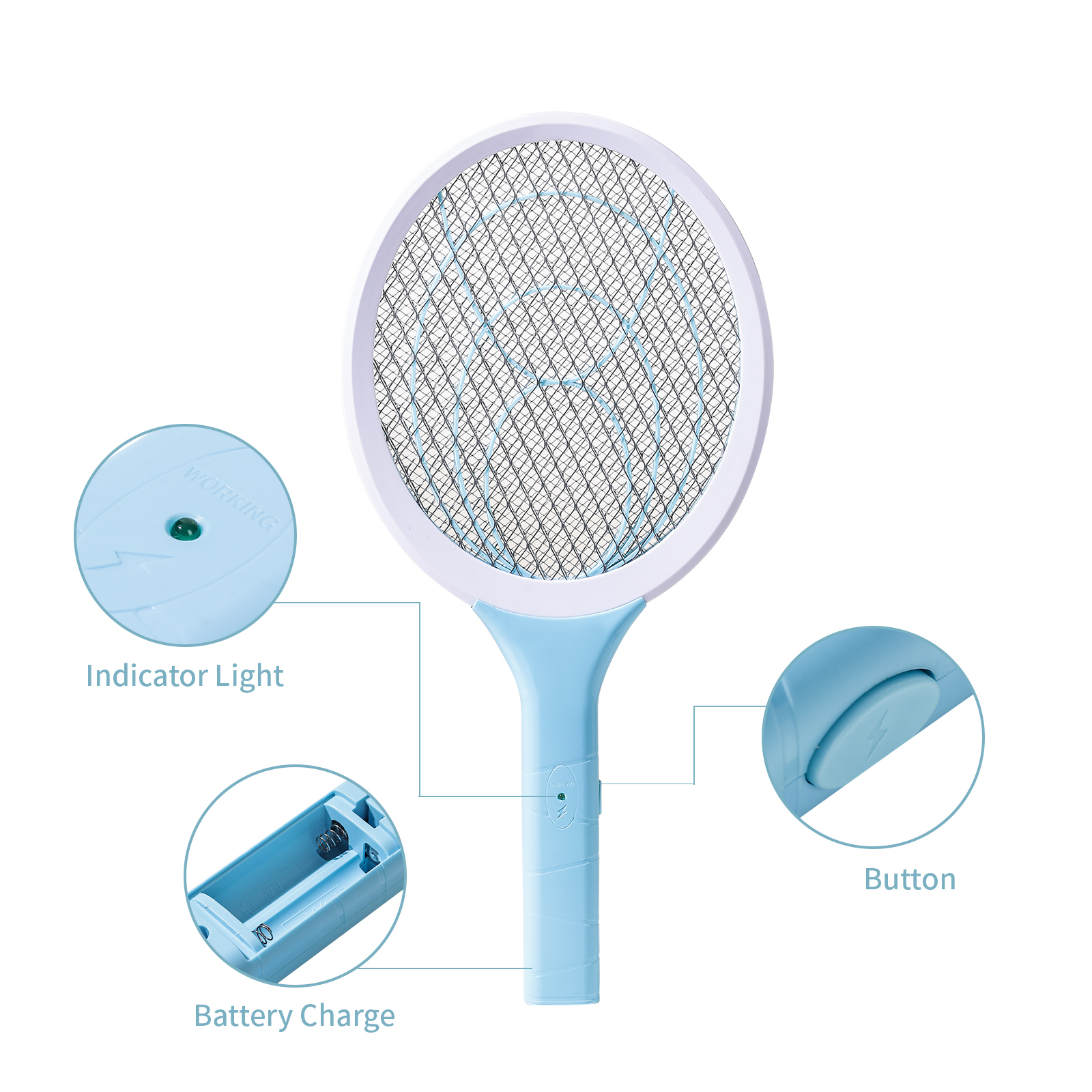
An Electric Mosquito Swatter is a game-changer for anyone dealing with mosquitoes—especially those with type O or B blood who are more likely to be targeted. Unlike chemical repellents, electric mosquito swatters are non-toxic, odor-free, and safe for families and pets, making them a great choice for indoor and outdoor use.
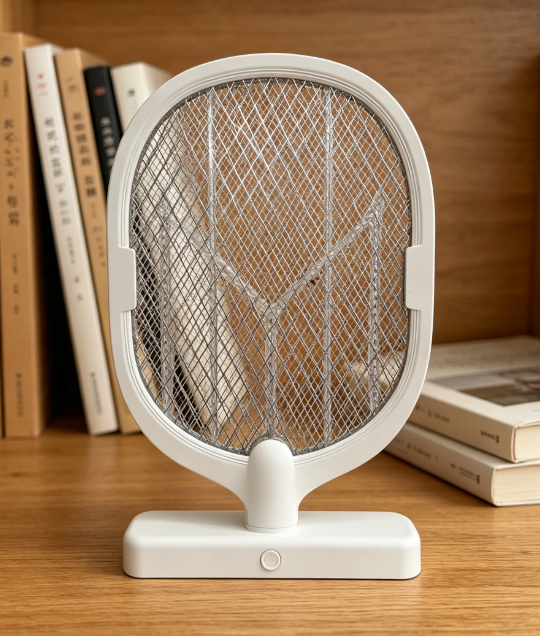
Most modern electric mosquito swatters feature a USB-rechargeable battery, a triple-layer safety mesh (to prevent accidental shocks), and an LED light for night use—perfect for swatting mosquitoes that buzz around your bedroom at night or during outdoor gatherings like camping or barbecues. With a single swing, the high-voltage grid instantly zaps mosquitoes, flies, and other flying pests, providing instant relief without harmful chemicals.
For best results, use your Electric Mosquito Swatter in areas where mosquitoes are most active: near windows, doorways, outdoor patios, or beside your bed at night. Keep it charged and within reach—you’ll be able to eliminate mosquitoes before they have a chance to bite.
Other Effective Protection Tips
-
Use EPA-approved mosquito repellents (like DEET or picaridin) on exposed skin—especially if you’re spending time outdoors for extended periods.
-
Wear long sleeves, long pants, and closed-toe shoes to cover as much skin as possible, especially during dawn and dusk (when mosquitoes are most active).
-
Eliminate standing water around your home (flower pots, birdbaths, gutters) to prevent mosquitoes from breeding.
-
Use fans outdoors or indoors—mosquitoes are weak fliers, and a gentle breeze can keep them away from you.
5. Final Thoughts: Blood Type, Mosquitoes, and Effective Protection
To answer the question “what blood type do mosquitoes like?” most clearly: type O blood is the most attractive, followed by type B, type AB, and type A (the least attractive). But remember—blood type is just one piece of the puzzle. Factors like CO2 emission, body heat, and sweat play a bigger role in most cases.
No matter your blood type, the key to staying bite-free is combining proactive measures (like eliminating breeding grounds and wearing repellent) with effective tools like an Electric Mosquito Swatter. This versatile tool provides instant, chemical-free protection, making it a must-have for anyone tired of mosquito bites—especially those with type O or B blood who are more likely to be targeted.
By understanding mosquito behavior and using the right tools, you can enjoy the outdoors (and your home) without constantly swatting at mosquitoes. Invest in a quality Electric Mosquito Swatter, follow the tips above, and say goodbye to those annoying, itchy bites.
How to Control Mosquitoes Outside
How Long Do Mosquitoes Live
Related Article

If you’re struggling with annoying mosquitoes, flies, and other flying pests indoors and outdoors, upgrading from traditional manual tools to anElectric Mosquito Swatter is the most efficient solution. Many homeowners and renters search where to buy fly swatter online to find durable, safe, and high-performance electric models that deliver instant pest control.
Where to Buy Fly Swatter
Most importers of electric mosquito swatters obsess over the first order: samples requested, factories vetted, a pre-shipment inspection booked. Then the reorder arrives eight months later and something is off. The grid feels softer. The charge port is a slightly different shade of black. The carton thickness dropped from 350 gsm to 300 gsm. Nothing is catastrophic — but the product no longer matches what your retail customers approved, and quietly, your return rate starts climbing.
How to Keep Mosquito Swatter Quality Consistent Across Repeat Orders
Warranty returns are the silent margin killer in the mosquito control category. A distributor who buys a swatter at $1.80 FOB and retails it at $9.90 can absorb a 1% return rate without noticing — but at 5%, the combined cost of replacement units, reverse logistics, and refund processing erases most of the line's profit.
Common mosquito swatter killer lamp failure modes wholesale spec guide

Digital bathroom scales rank as the second-highest-volume consumer weighing product category, only behind kitchen scales, with distinct market and product characteristics that set them apart from other scale types in importers’ product portfolios.
Digital bathroom body fat-bia-scale wholesale buyers guide