
What Do Pest Control Companies Use for Mosquitoes
2026-09-10
What Do Pest Control Companies Use for Mosquitoes? Professional Tools & Treatments
Mosquitoes are more than just annoying summer pests—they carry harmful pathogens that cause Zika, dengue, West Nile virus, and other serious illnesses. While store-bought sprays, repellents, and DIY traps offer temporary relief, they fail to address mosquito infestations at the source. Professional pest control companies use specialized, industry-grade products, targeted equipment, and science-backed treatment methods to eliminate mosquitoes at every life stage and deliver long-lasting protection. In this guide, we break down exactly what tools, chemicals, and strategies professional pest teams use for effective mosquito control.
1. Professional Mosquito Chemicals: Larvicides, Adulticides & IGRs
Pest control experts rely on three core categories of EPA-registered treatments to target mosquitoes throughout their lifecycle (egg, larva, pupa, and adult). Unlike over-the-counter products, these professional-grade chemicals are formulated for maximum efficacy, residual protection, and safe outdoor use.
1.1 Larvicides: Target Mosquito Larvae in Standing Water
Mosquitoes lay eggs in stagnant water, making larvicides the most critical preventive tool for stopping infestations before adult mosquitoes emerge. Pest companies prioritize larvicide treatments because they break the breeding cycle entirely, reducing future mosquito populations long-term.
The most widely used professional larvicides are biologically based and low-toxic for humans, pets, and beneficial insects. Bacillus thuringiensis israelensis (Bti) and Bacillus sphaericus (Bsph) are the gold standard. These natural bacteria are ingested by mosquito larvae, disrupting their digestive systems and killing them within 24–48 hours without harming other aquatic life. Many teams also use spinosad, another organic larvicide with powerful larval-killing properties.
For long-term water source protection, technicians apply larvicide dunks, granules, or liquid formulations to birdbaths, gutters, flower pots, puddles, and hidden water-holding debris. These treatments remain effective for weeks, even in standing water that cannot be drained.
1.2 Adulticides: Kill Adult Mosquitoes on Contact
To eliminate existing adult mosquito populations, pest control companies use synthetic pyrethroid adulticides—the most trusted professional mosquito-killing chemicals. Common active ingredients include permethrin, bifenthrin, cypermethrin, and cyfluthrin. These fast-acting formulas deliver immediate knockdown effects, killing adult mosquitoes on contact while leaving a long-lasting residual barrier on treated surfaces.
Leading commercial products like BASF Cy-Kick CS use microencapsulation technology to protect active ingredients from rain and UV rays, extending residual effectiveness for 3–4 weeks. This controlled-release formula adheres to leaves, grass, and shrubbery, ensuring mosquitoes that rest on treated surfaces die quickly.
1.3 Insect Growth Regulators (IGRs): Stop Reproduction
Many professional mosquito treatments include IGR additives to complement larvicides and adulticides. IGRs disrupt mosquito growth and reproduction, preventing juvenile mosquitoes from maturing into breeding adults. Products like OneGuard Multi MoA Concentrate combine IGRs, synergists, and knockdown agents to create a multi-mode action treatment that kills active mosquitoes and suppresses future population growth, delivering comprehensive long-term control.
2. Professional Mosquito Control Equipment Used by Technicians
High-quality chemicals only work with specialized application equipment. Pest control companies use professional tools to ensure uniform coverage, deep foliage penetration, and precise treatment application—something DIY tools cannot replicate.
2.1 Backpack Mist Blowers & Sprayers
Backpack mist blowers are the primary tool for residential and commercial mosquito barrier treatments. These battery or gas-powered devices produce fine, targeted droplets that cling to leaf undersides, dense shrubbery, grass, and shaded harborage areas where mosquitoes rest during the day. Unlike basic garden sprayers, professional mist blowers create wind turbulence that penetrates thick foliage, ensuring full coverage of hidden mosquito hiding spots. Technicians use these tools to apply residual barrier sprays around property perimeters, yards, and outdoor living spaces.
2.2 Fogging Machines
For severe infestations or large-scale properties, pest teams use thermal or cold foggers. These machines convert liquid adulticides into ultra-fine fog particles that suspend in the air, killing flying adult mosquitoes instantly. Fogging is ideal for immediate mosquito reduction for events, yards with heavy mosquito activity, and large outdoor areas. While fogging delivers fast results, it is paired with residual barrier treatments for sustained protection.
2.3 Specialized Monitoring & Trapping Devices
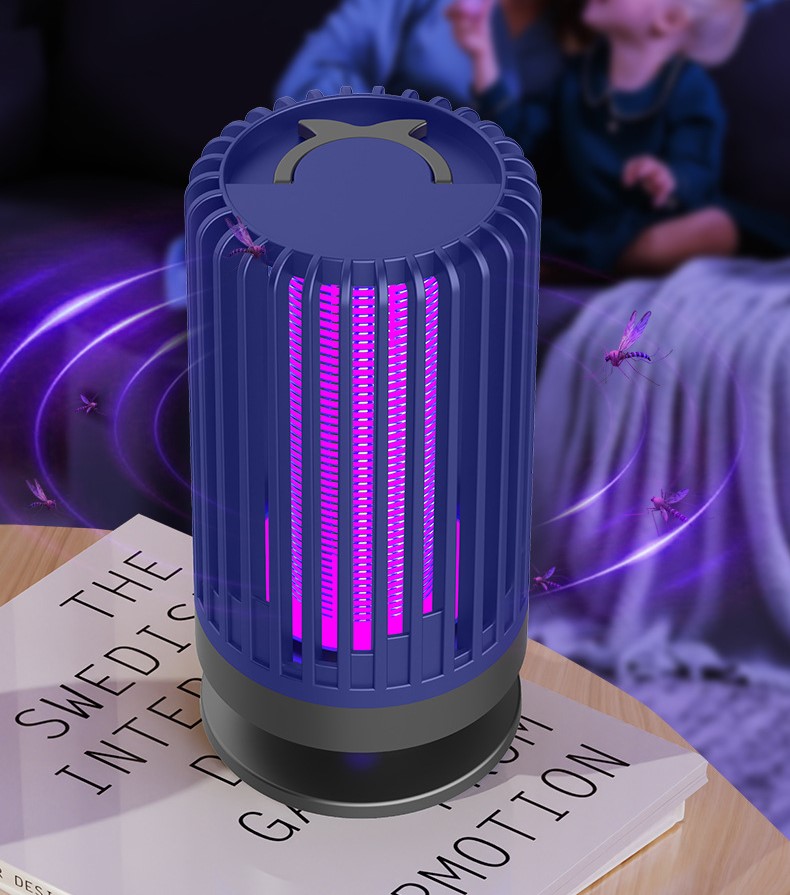
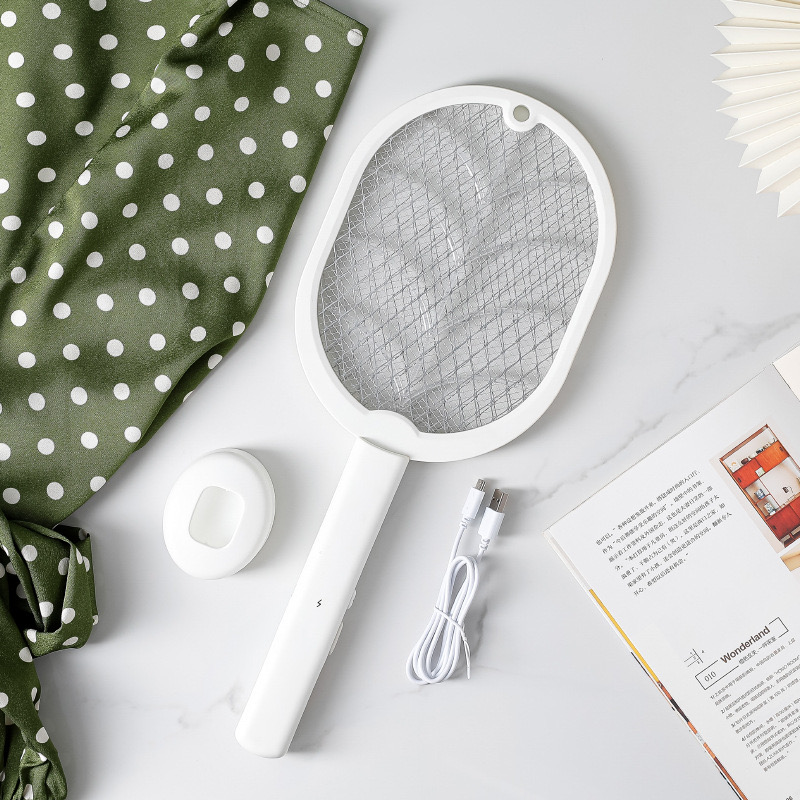
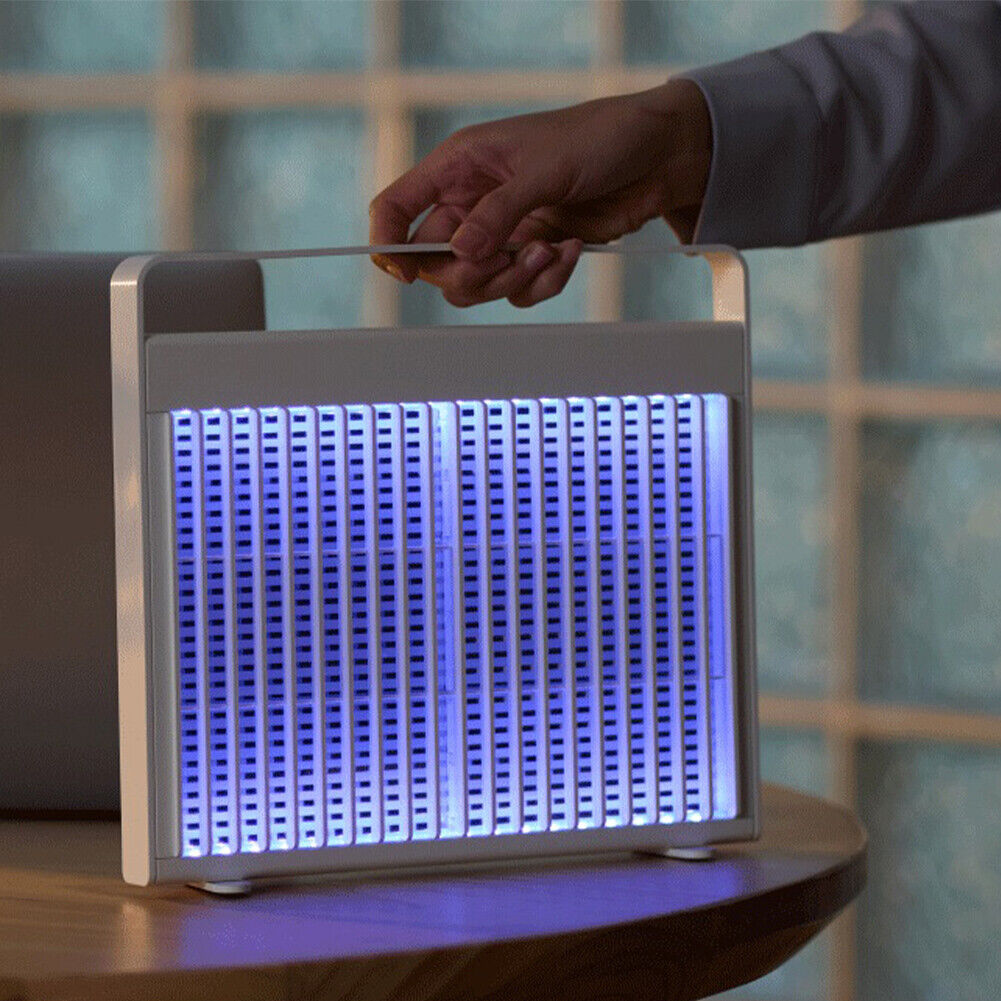
Professional services also use advanced mosquito traps and monitoring tools to track population levels and identify high-risk breeding zones. Some systems release controlled amounts of metofluthrin to repel and eliminate mosquitoes across wide areas, while glue-board and UV-light traps capture adult mosquitoes for ongoing population monitoring. This data helps technicians adjust treatment plans for optimal results.
3. Core Professional Mosquito Treatment Strategies
The biggest difference between DIY mosquito control and professional service is the holistic, lifecycle-based strategy pest companies follow. They do not just spray—they inspect, treat, prevent, and maintain long-term protection.
3.1 Breeding Site Inspection & Elimination
Before applying any chemicals, technicians conduct a full property inspection to locate all standing water sources and mosquito breeding sites. They identify hidden problem areas like clogged gutters, old tires, garden containers, low-lying puddles, and landscape debris. Technicians advise clients on drainage improvements and water source elimination to remove permanent breeding grounds, reducing reliance on repeated chemical treatments.
3.2 Perimeter Barrier Treatments
Barrier treatment is the most popular recurring professional mosquito service. Technicians spray a residual pyrethroid-based solution along the entire property perimeter, vegetation, shaded structures, and outdoor furniture. The residual barrier kills any mosquito that lands on treated surfaces and remains effective for 3–4 weeks. Most companies schedule monthly treatments during mosquito season to maintain consistent protection, even after rain or extreme heat.
3.3 Targeted Water Source Treatments
For permanent water features (ponds, fountains, drainage ditches) that cannot be drained, technicians apply larvicide granules, dunks, or liquid treatments. These targeted applications stop larval development without disrupting aquatic ecosystems, preventing continuous mosquito breeding in static water.
4. Why Professional Mosquito Products Beat DIY Solutions
Many homeowners wonder why professional treatments outperform store-bought sprays and repellents. The key differences lie in product quality, application precision, and strategic planning:
-
Industrial-grade residual formulas: Professional chemicals last 3–4 weeks, while DIY sprays wear off in hours or days.
-
Lifecycle-wide targeting: Pros kill larvae, pupae, and adults, while DIY products only repel or kill flying mosquitoes temporarily.
-
Precision application: Specialized equipment reaches hidden mosquito harborage zones that household sprayers miss.
-
EPA-registered safe formulas: Professional products are rigorously tested for safe use around pets, kids, and plants when applied correctly.
Final Thoughts
Pest control companies use a powerful combination of EPA-registered larvicides, adulticides, IGRs, professional-grade application equipment, and lifecycle-based treatment strategies to deliver reliable, long-lasting mosquito control. By targeting mosquitoes at every development stage and eliminating breeding sources, professional services reduce mosquito populations far more effectively than DIY methods. Regular seasonal treatments ensure your yard remains safe, comfortable, and mosquito-free throughout peak mosquito months.
Type-C vs Micro-USB on Mosquito Swatters and Killer Lamps
Intellectual Property Protection When Sourcing Mosquito Swatters from China
Related Article

If you’re struggling with annoying mosquitoes, flies, and other flying pests indoors and outdoors, upgrading from traditional manual tools to anElectric Mosquito Swatter is the most efficient solution. Many homeowners and renters search where to buy fly swatter online to find durable, safe, and high-performance electric models that deliver instant pest control.
Where to Buy Fly Swatter
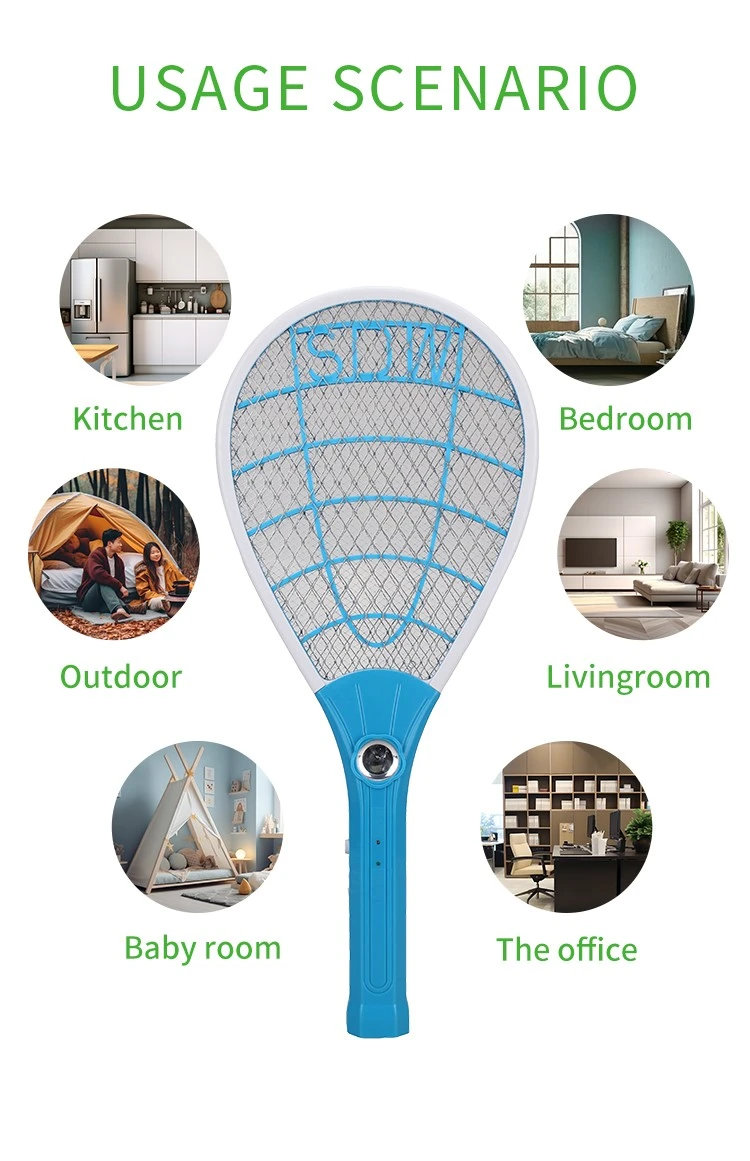
Most importers of electric mosquito swatters obsess over the first order: samples requested, factories vetted, a pre-shipment inspection booked. Then the reorder arrives eight months later and something is off. The grid feels softer. The charge port is a slightly different shade of black. The carton thickness dropped from 350 gsm to 300 gsm. Nothing is catastrophic — but the product no longer matches what your retail customers approved, and quietly, your return rate starts climbing.
How to Keep Mosquito Swatter Quality Consistent Across Repeat Orders
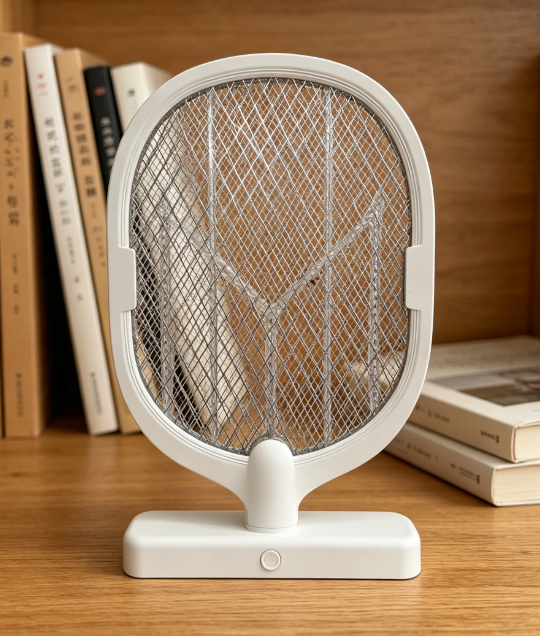
Warranty returns are the silent margin killer in the mosquito control category. A distributor who buys a swatter at $1.80 FOB and retails it at $9.90 can absorb a 1% return rate without noticing — but at 5%, the combined cost of replacement units, reverse logistics, and refund processing erases most of the line's profit.
Common mosquito swatter killer lamp failure modes wholesale spec guide

Digital bathroom scales rank as the second-highest-volume consumer weighing product category, only behind kitchen scales, with distinct market and product characteristics that set them apart from other scale types in importers’ product portfolios.
Digital bathroom body fat-bia-scale wholesale buyers guide