
What Draws Mosquitoes to Mosquito Traps
2025-11-13
Why Do Mosquitoes "Throw Themselves into the Trap"? Uncovering the Truth About Why Mosquitoes Are Attracted to Mosquito Traps
Looking at the pile of mosquito corpses in a mosquito trap, many people wonder: Obviously, mosquitoes usually find humans and food through their sense of smell, so why do they act like they’re "charmed" and actively fly towards the light of a mosquito trap? In fact, this phenomenon is rooted in mosquitoes’ survival instincts and the "design tricks" of mosquito traps. Today, we’ll break down this question in detail.
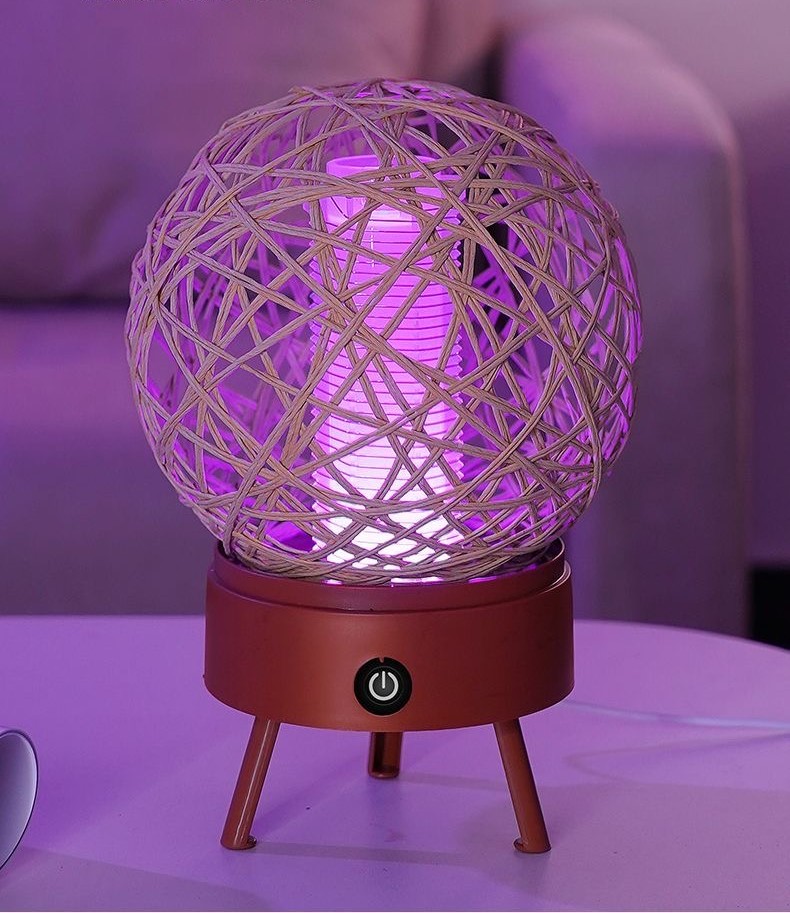
I. Core Premise: Mosquitoes Are Not "Attracted to Light"—They "Tend to Specific Signals"
Many people mistakenly believe that mosquitoes are "phototactic insects," but in reality, the behavioral logic of most mosquitoes (especially female mosquitoes that bite humans) is quite different. The core reason mosquitoes are attracted to mosquito traps is that the traps’ light simulates the "signals" mosquitoes need for survival, rather than a simple preference for "light" itself.
1.1 Mosquitoes’ "Light-Tending" Trait Differs from Moths
Mosquitoes are more inclined to "tend to dim light" and "light of specific wavelengths," and they actually avoid strong light—this is completely different from the "positive phototaxis" of moths that we commonly see (where moths fly towards flames). The reason mosquito traps can "catch" mosquitoes is precisely because they tap into this unique preference of mosquitoes for light.
II. Mosquitoes’ Visual System: Only Sensitive to Light of Specific Wavelengths
The structure of mosquitoes’ eyes and their visual perception ability determine that they are attracted to the light of mosquito traps. Their combined visual structure of "compound eyes + simple eyes" makes them extremely sensitive to changes in light wavelength and intensity.
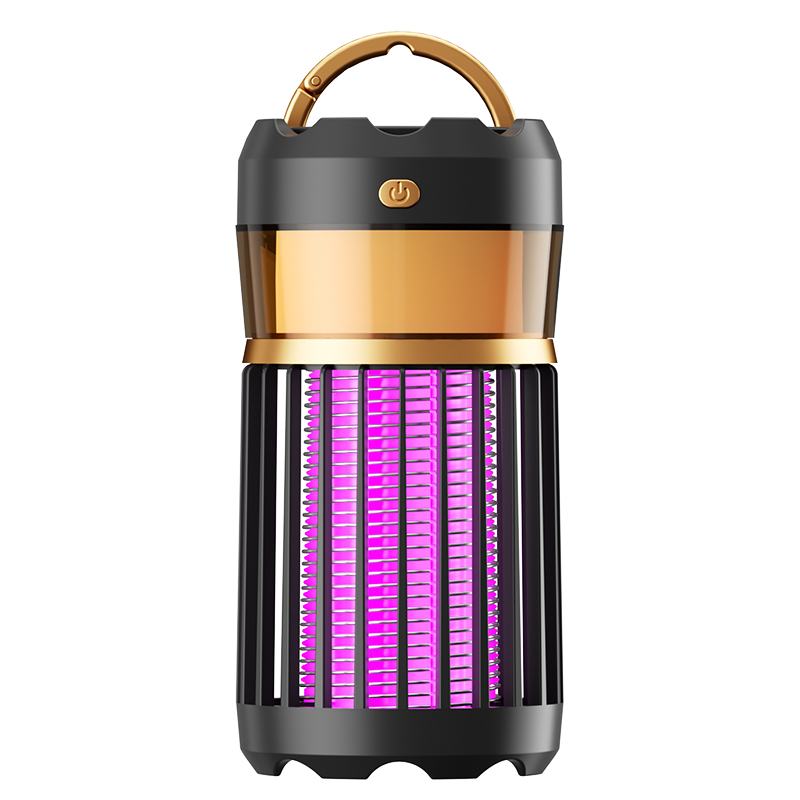
2.1 The Range of Light Wavelengths Mosquitoes Are Sensitive To
Mosquitoes cannot see all the colors that humans can perceive; they are particularly sensitive to ultraviolet light (365-400 nanometers) and blue-violet light (450-500 nanometers). This trait is closely tied to their survival needs: in nature, during the dim light hours of dusk and dawn, the proportion of blue-violet light and ultraviolet light is higher—and these two time periods are the "golden hours" when mosquitoes are active and foraging. Female mosquitoes need to find mammals to suck blood during this time, while male mosquitoes look for mates to reproduce.
The core light source of most mosquito traps on the market is a tube that emits high-concentration ultraviolet light or blue-violet light. This kind of light is equivalent to "drawing a false foraging signal" for mosquitoes in the dark, making them mistakenly believe that this is an environment suitable for activity, thus actively flying towards it.
III. Auxiliary Functions Enhance Attraction, But Light Signals Are the "Main Navigation"
Some mosquito traps are also equipped with additional functions to enhance their attractiveness, but essentially, light signals remain the "main navigation" guiding mosquitoes to approach.
3.1 Heat Simulation: Mimicking Mammalian Characteristics
Some mosquito traps have a weak heating device near the light source, which simulates the body temperature of mammals. After mosquitoes are attracted by the light signal, the heat makes them more certain that "there is a target here," further strengthening their willingness to approach.
3.2 Scent Assistance: Simulating Host Signals
Other mosquito traps release trace amounts of gas similar to carbon dioxide (mosquitoes can locate hosts through carbon dioxide). The combination of scent signals and light signals makes mosquitoes’ "target judgment" more accurate, eventually leading them to fly towards the mosquito trap without hesitation—only to be electrocuted by the grid or trapped by the adhesive board.
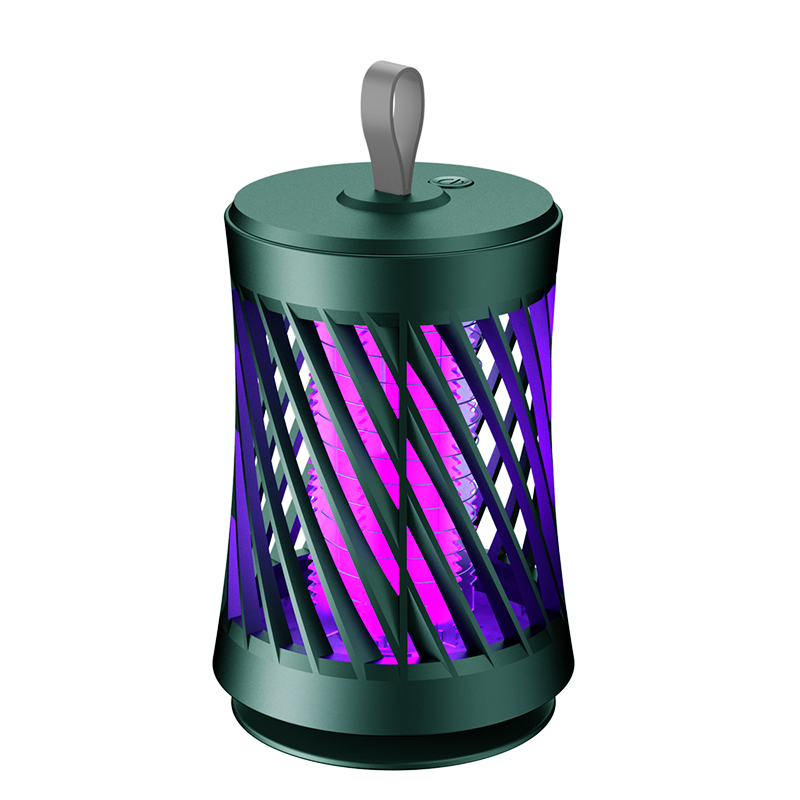
IV. Practical Tips: Choose and Place Mosquito Traps Correctly for Effectiveness
Not all mosquito traps work the same; the key is to match mosquitoes’ visual preferences. The placement of the trap also directly affects its mosquito-killing efficiency.
4.1 How to Choose a High-Quality Mosquito Trap
Avoid choosing mosquito traps that mainly emit red or yellow light (these are wavelengths mosquitoes are not sensitive to)—even if the brightness is high, they will hardly attract mosquitoes. High-quality mosquito traps strictly control the wavelength range of ultraviolet light and blue-violet light, while avoiding emitting overly strong white light (strong light makes mosquitoes alert).
Mosquito traps should be placed in dimly lit environments such as corners, rather than in areas with direct light. This makes the trap’s light signal more prominent and more in line with mosquitoes’ perception of a "dim light activity area," thereby improving the mosquito-killing effect.
In summary, mosquitoes are attracted to mosquito traps not because they "like light," but because mosquito traps accurately "grasp" mosquitoes’ survival instincts—using light of specific wavelengths to simulate natural signals suitable for mosquitoes’ activity and foraging, driving mosquitoes to approach out of instinct. Understanding this principle allows us to choose and use mosquito traps more targeted, reducing the "mosquito trouble" and enjoying more peace in summer nights.
Can Mosquito Swatters Be Taken on Planes
What is the best electric mosquito swatter
Related Article

If you’re struggling with annoying mosquitoes, flies, and other flying pests indoors and outdoors, upgrading from traditional manual tools to anElectric Mosquito Swatter is the most efficient solution. Many homeowners and renters search where to buy fly swatter online to find durable, safe, and high-performance electric models that deliver instant pest control.
Where to Buy Fly Swatter
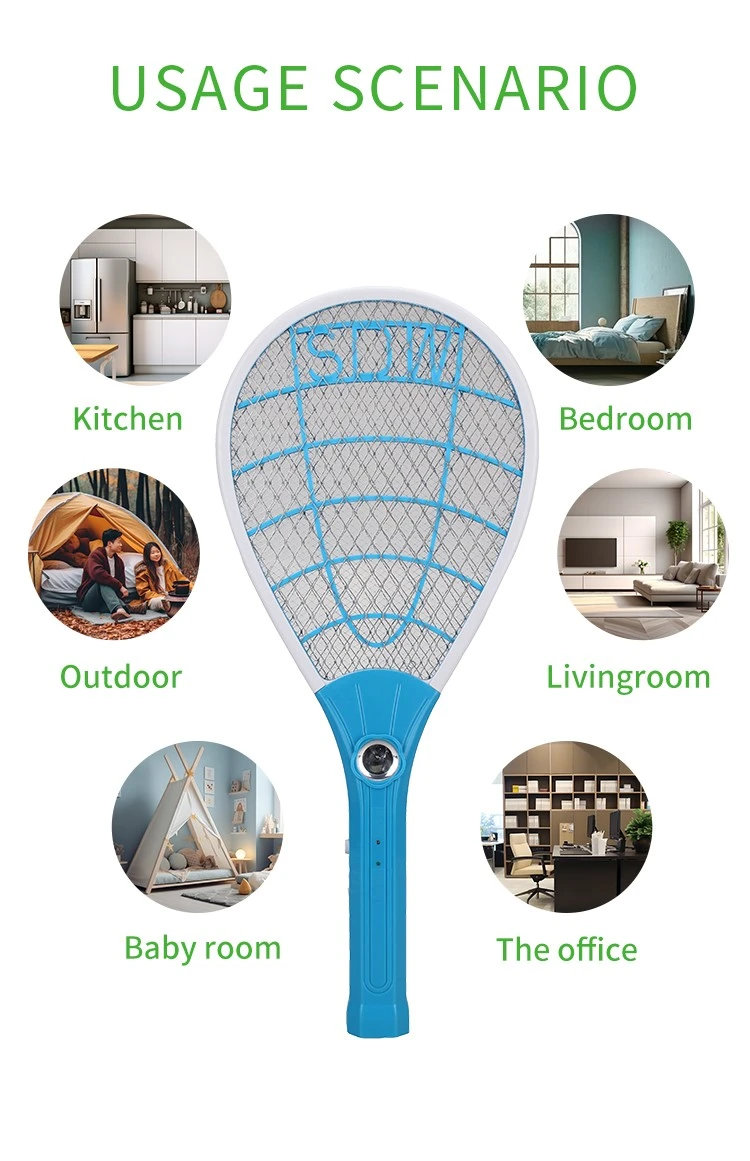
Most importers of electric mosquito swatters obsess over the first order: samples requested, factories vetted, a pre-shipment inspection booked. Then the reorder arrives eight months later and something is off. The grid feels softer. The charge port is a slightly different shade of black. The carton thickness dropped from 350 gsm to 300 gsm. Nothing is catastrophic — but the product no longer matches what your retail customers approved, and quietly, your return rate starts climbing.
How to Keep Mosquito Swatter Quality Consistent Across Repeat Orders
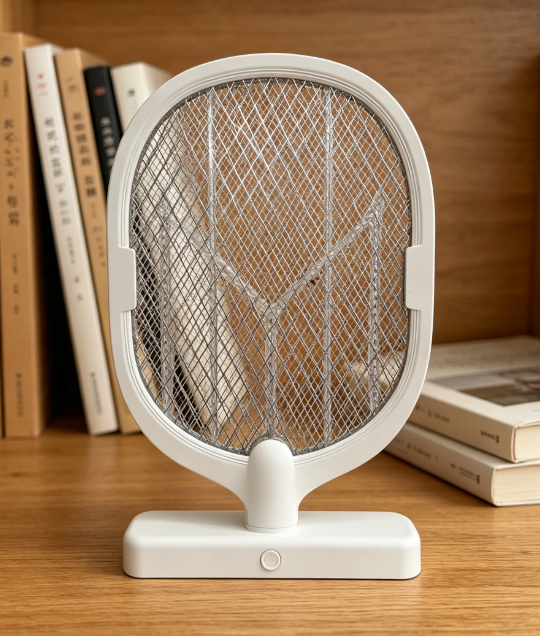
Warranty returns are the silent margin killer in the mosquito control category. A distributor who buys a swatter at $1.80 FOB and retails it at $9.90 can absorb a 1% return rate without noticing — but at 5%, the combined cost of replacement units, reverse logistics, and refund processing erases most of the line's profit.
Common mosquito swatter killer lamp failure modes wholesale spec guide

Digital bathroom scales rank as the second-highest-volume consumer weighing product category, only behind kitchen scales, with distinct market and product characteristics that set them apart from other scale types in importers’ product portfolios.
Digital bathroom body fat-bia-scale wholesale buyers guide