
What happen if you get hit with an electric fly swatter
2025-07-09
What happen if you get hit with an electric fly swatter
Electric fly swatters, those handheld devices that zap insects with a satisfying crackle, are a common sight in homes battling flies and mosquitoes. Unlike bug zappers—large, stationary units that lure bugs with UV light—electric swatters put control directly in your hands. But a question often lingers: what happens if you end up on the receiving end of that electric jolt? Let’s break down the experience, risks, and reality of getting hit by an electric fly swatter.
I. The immediate sensation: What it feels like
1. A sharp, surprising jolt
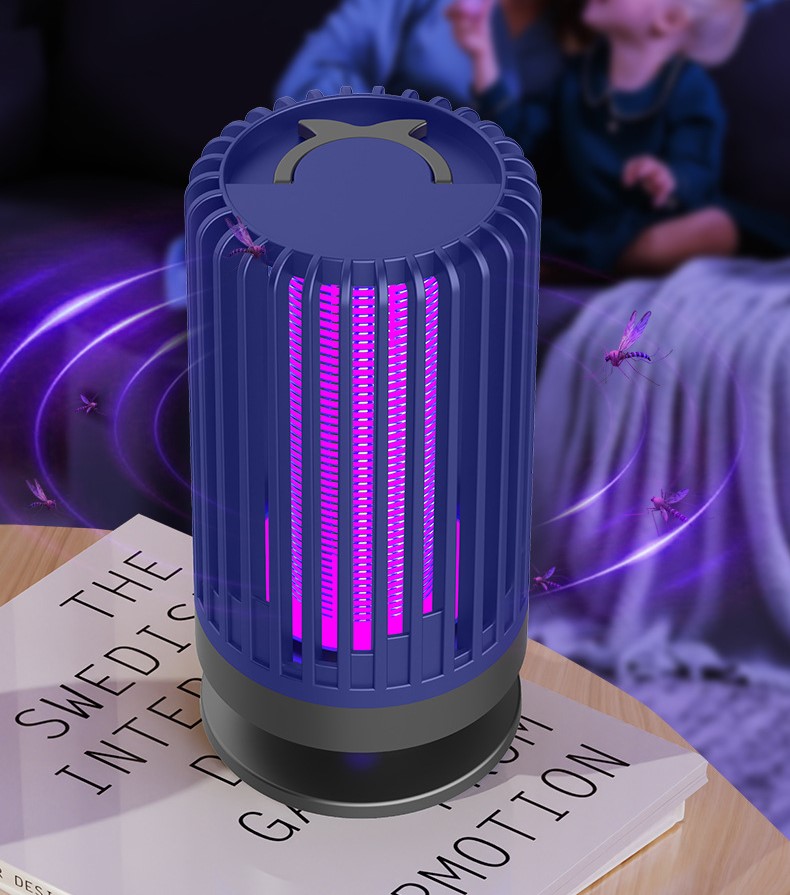
Getting hit by an electric fly swatter delivers an instant, intense tingle or stinging sensation. The voltage (typically between 500 and 3,000 volts) is high enough to stun insects but low enough to avoid severe harm to humans. Most people describe it as a sudden "zap"—similar to touching a low-voltage electric fence or static electricity, but more intense. The feeling fades quickly, usually within a few seconds, leaving no lasting discomfort.
2. No burns or serious damage (usually)
Unlike bug zappers, which use higher voltages and can occasionally singe insects, electric fly swatters are designed to be safe for human contact. The current they deliver is low (measured in milliamps), so they rarely cause burns or tissue damage. A quick brush against the grid might make you jump, but it’s unlikely to leave a mark—unlike accidental contact with a bug zapper, which, though rare, can sometimes cause minor burns due to its stronger, continuous current.
II. Potential risks: When to be cautious
1. Risk of surprise or falls
The biggest danger of an electric fly swatter isn’t the shock itself but the reflex reaction. A sudden zap can make you flinch, jerk your hand, or even stumble—especially if you’re standing on a slippery surface or balancing on a chair. This is why it’s important to use swatters carefully, just as you would with any handheld tool.
2. Vulnerable groups: Who should be more careful?
While the shock is harmless for most adults, it can be more unpleasant for children, the elderly, or people with pacemakers. The jolt might cause heightened anxiety in kids, and those with heart conditions should avoid contact entirely, as even low-voltage shocks can interfere with medical devices—unlike bug zappers, which are stationary and easier to keep away from sensitive individuals.
III. How electric fly swatters compare to other devices
1. Safer than bug zappers (for humans)
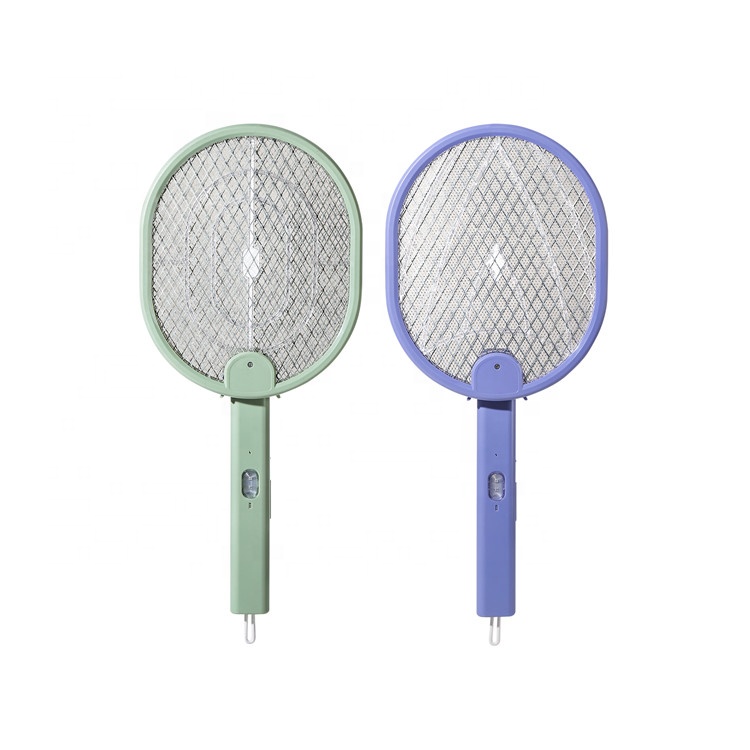
Bug zappers, with their exposed high-voltage grids, pose a greater risk of accidental contact—especially for curious pets or children who might touch them. Electric fly swatters, by contrast, require active contact (you have to press the button and touch the grid), making accidental shocks less likely. They’re also designed with safety features like insulated handles, which bug zappers often lack.
2. Similar to electric mosquito swatters
Electric fly swatters and electric mosquito swatters are nearly identical in design and voltage. Both deliver a quick, low-current shock that’s effective against insects but mild for humans. The only real difference is their target—swatters marketed for flies are often slightly larger, with a bigger grid to catch faster-moving pests.
IV. Tips for safe use
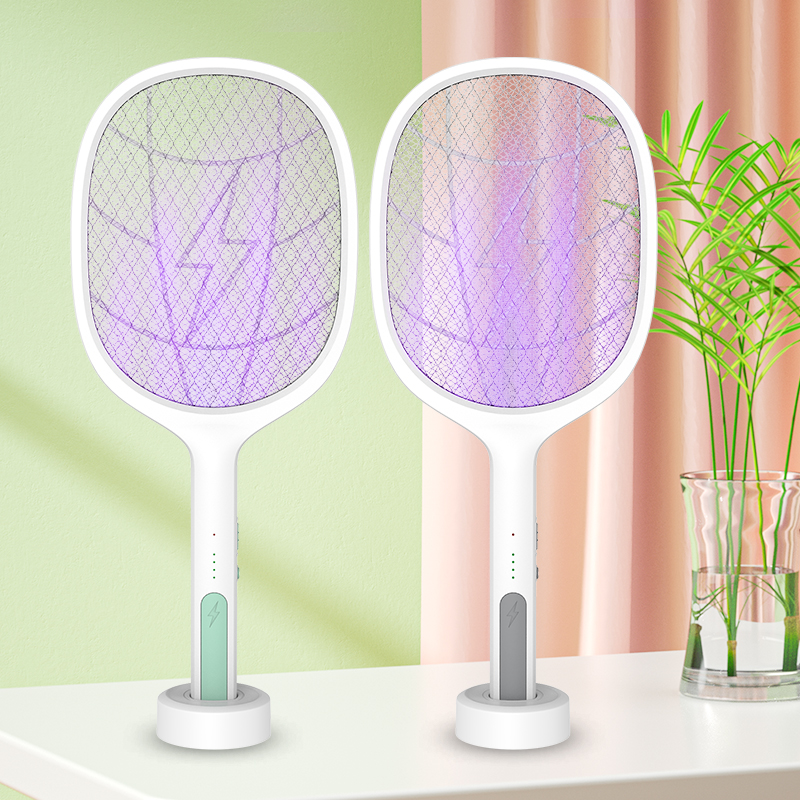
To avoid accidental shocks, always turn off the swatter when not in use, keep it out of reach of children, and never touch the grid while pressing the activation button. Unlike bug zappers, which run continuously, electric swatters only work when you hold the button—so staying mindful of that simple step goes a long way in preventing surprises.
In short, getting hit by an electric fly swatter is unpleasant but rarely dangerous. It’s a brief, startling jolt that fades quickly, with far fewer risks than accidental contact with a bug zapper. As with any tool, respect for its power ensures safe and effective use—whether you’re targeting flies, mosquitoes, or other pesky insects.
Why does the bug zapper light appear dim
Why do flies ignore my fly zapper
Related Article

If you’re struggling with annoying mosquitoes, flies, and other flying pests indoors and outdoors, upgrading from traditional manual tools to anElectric Mosquito Swatter is the most efficient solution. Many homeowners and renters search where to buy fly swatter online to find durable, safe, and high-performance electric models that deliver instant pest control.
Where to Buy Fly Swatter
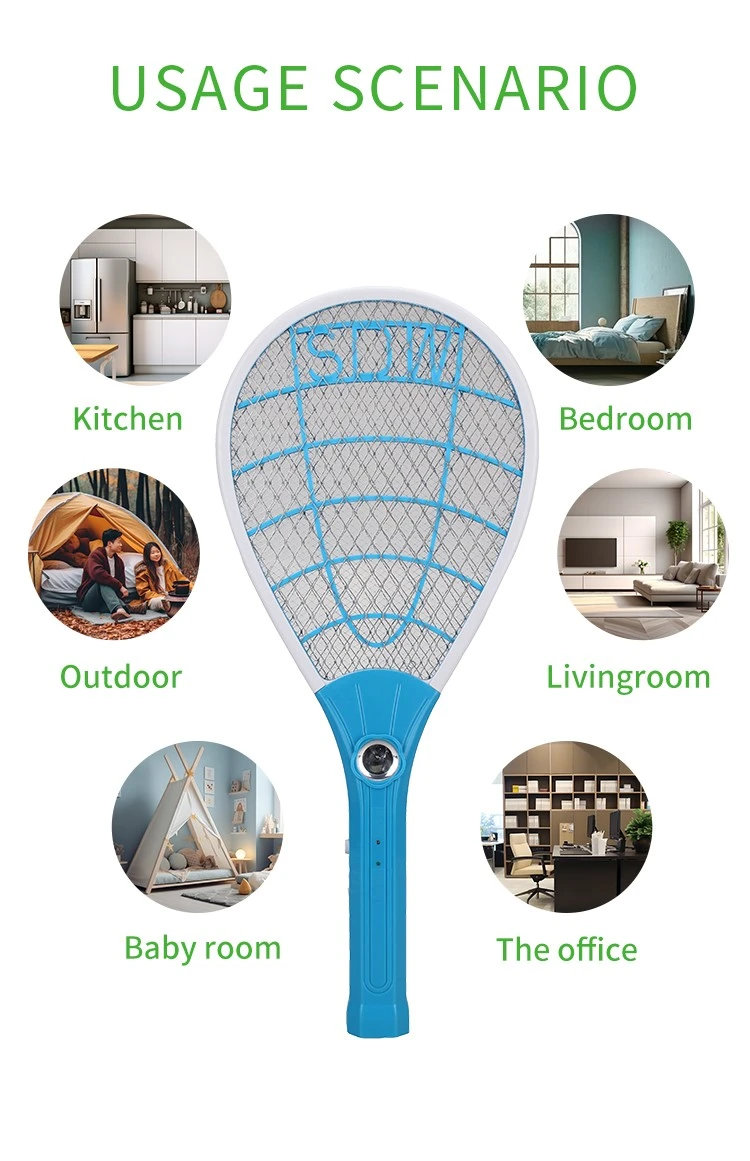
Most importers of electric mosquito swatters obsess over the first order: samples requested, factories vetted, a pre-shipment inspection booked. Then the reorder arrives eight months later and something is off. The grid feels softer. The charge port is a slightly different shade of black. The carton thickness dropped from 350 gsm to 300 gsm. Nothing is catastrophic — but the product no longer matches what your retail customers approved, and quietly, your return rate starts climbing.
How to Keep Mosquito Swatter Quality Consistent Across Repeat Orders
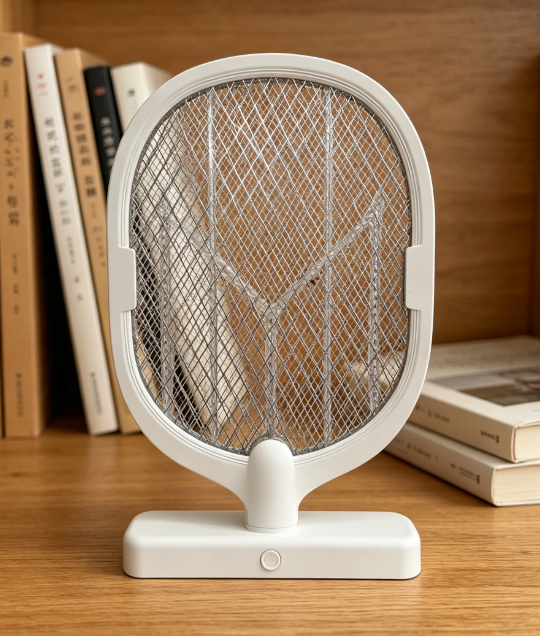
Warranty returns are the silent margin killer in the mosquito control category. A distributor who buys a swatter at $1.80 FOB and retails it at $9.90 can absorb a 1% return rate without noticing — but at 5%, the combined cost of replacement units, reverse logistics, and refund processing erases most of the line's profit.
Common mosquito swatter killer lamp failure modes wholesale spec guide

Digital bathroom scales rank as the second-highest-volume consumer weighing product category, only behind kitchen scales, with distinct market and product characteristics that set them apart from other scale types in importers’ product portfolios.
Digital bathroom body fat-bia-scale wholesale buyers guide