
What Happens If a Human Touches a Bug Zapper Racket
2026-05-05
What Happens If a Human Touches a Bug Zapper Racket
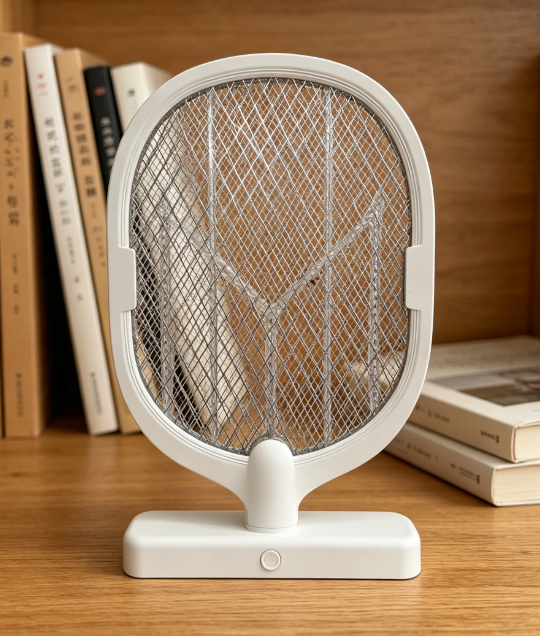
Summer evenings often come with the buzz of mosquitoes and flies, making bug zapper rackets a household staple. These handheld devices are designed to zap pests with a high-voltage grid, but many people wonder: what really happens if a human touches that electrified mesh? Is it just a mild tingle, or a serious safety hazard? Let’s break down the science, the immediate effects, and the key safety rules to keep in mind.
First: How Bug Zapper Rackets Work
To understand the effects of touching a bug zapper racket, it’s important to first know how these devices operate. Unlike household electrical outlets that deliver high current (which is dangerous to humans), bug zapper rackets use a “high voltage, low current” design — the key to their safety (and effectiveness against pests).
Most bug zapper rackets convert low-voltage power (from rechargeable lithium batteries or AA batteries) into a high-voltage output, typically between 500 and 5,000 volts, with the average model ranging from 1,500 to 3,000 volts. Inside the racket, a step-up transformer and oscillator work together to create this high voltage, while keeping the current extremely low — usually just a few milliamps. This low current is why the device is deadly to small insects (which have tiny bodies and low resistance) but not life-threatening to healthy humans.
Many modern rackets also feature safety designs, such as a 3-layer safety mesh or double trigger, to prevent accidental touches. But even with these protections, mistakes can happen — so let’s look at what occurs when skin meets the electrified grid.
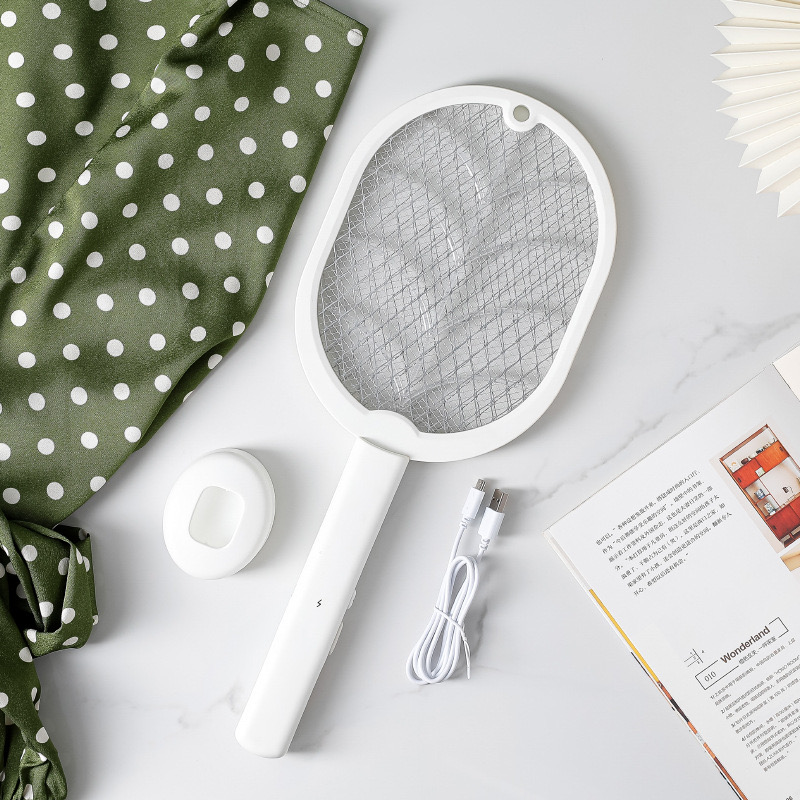
Immediate Effects of Touching a Bug Zapper Racket
The experience of touching a bug zapper racket varies slightly based on factors like skin moisture, contact time, and the racket’s voltage, but the immediate effects are consistent for most healthy adults:
1. A Sharp, Tingling Shock
The moment your skin touches the electrified grid, you’ll feel a sudden, stinging or tingling sensation — similar to a static electricity shock, but more intense. This is caused by the high voltage passing through your skin, which has natural resistance to electricity. The low current means the shock won’t cause serious harm, but it’s certainly unpleasant. Most people pull their hand away instinctively within a split second, which limits the duration of the shock.
2. Mild Muscle Contractions
Electricity can temporarily disrupt the signals between your nerves and muscles, leading to small, involuntary muscle spasms. For example, your fingers might twitch or curl slightly when touching the grid. These contractions are mild and fade immediately once contact is broken — they’re not strong enough to cause injury, unless you’re in a precarious position (like standing on a ladder) and the spasm causes you to fall.
3. Possible Surface Irritation
In some cases, especially if you hold your hand on the grid for longer than a split second, you might notice mild redness or a slight burn on the area of contact. This is rare with most household rackets, but higher-voltage models (3,000 volts or more) can cause minor thermal damage to the skin’s surface. These irritations usually heal quickly without scarring.
Factors That Make the Shock Worse
While a touch is rarely dangerous, certain conditions can amplify the discomfort or risk. Here are the key factors to watch out for:
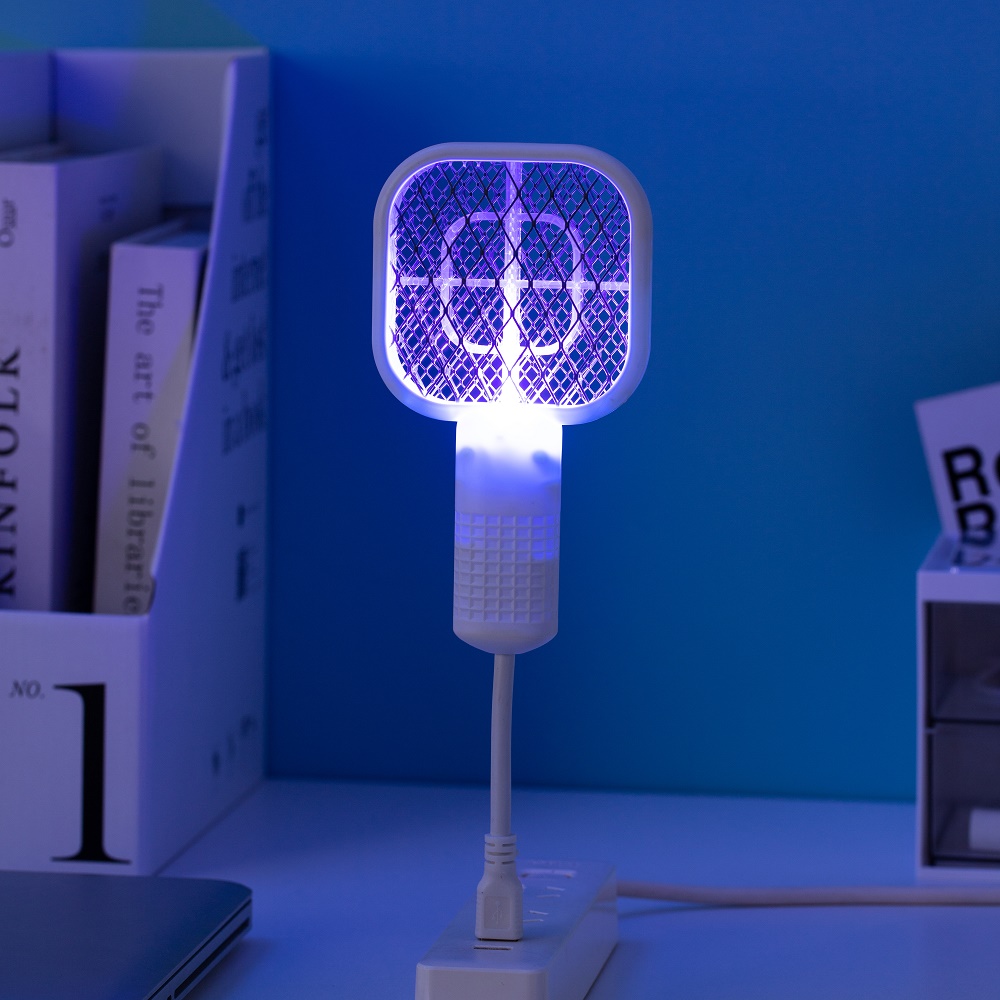
Wet Skin or Wet Environments
Water is a conductor of electricity, so wet skin (from sweat, water, or humidity) reduces your body’s resistance, allowing more current to pass through. This can make the shock feel much more intense and may increase the risk of mild burns or prolonged muscle spasms. Never use a bug zapper racket with wet hands or in damp areas like bathrooms or near pools.
Faulty or Low-Quality Rackets
“three-no-product” or damaged rackets are a bigger risk. If the insulation is cracked, the grid is bent, or the internal components are faulty, the voltage may not be properly regulated, or the safety features (like the double trigger) may fail. Always choose reputable brands and inspect your racket regularly for damage.
Vulnerable Groups
Healthy adults and older children will likely only feel discomfort, but vulnerable groups may have stronger reactions. This includes young children (who have smaller bodies and less developed nervous systems), people with heart conditions (as the shock could temporarily disrupt heart rhythm), and those with pacemakers or other medical devices. Keep bug zapper rackets out of reach of young kids and pets.
Myths vs. Facts About Bug Zapper Racket Touches
There are plenty of misconceptions about these devices — let’s set the record straight:
Myth: Touching a bug zapper racket will electrocute you.
Fact: Electrocution requires high current (usually 100 milliamps or more) to stop the heart. Bug zapper rackets only deliver a few milliamps, so they can’t electrocute healthy humans. The “crackling” sound you hear is the device zapping insects, not a sign of deadly voltage.
Myth: It’s safe to touch the grid on purpose.
Fact: Even though it’s not life-threatening, touching the grid intentionally is not recommended. Repeated or prolonged contact can cause skin irritation, and the shock can be painful. Additionally, if the racket is faulty, intentional contact increases the risk of injury.
Myth: Bug zapper rackets retain electricity after being turned off.
Fact: Some models may retain a small amount of residual charge for a few seconds after the trigger is released, which can cause a mild shock if touched immediately. To be safe, wait 10-15 seconds after turning off the racket before touching the grid, especially when cleaning.
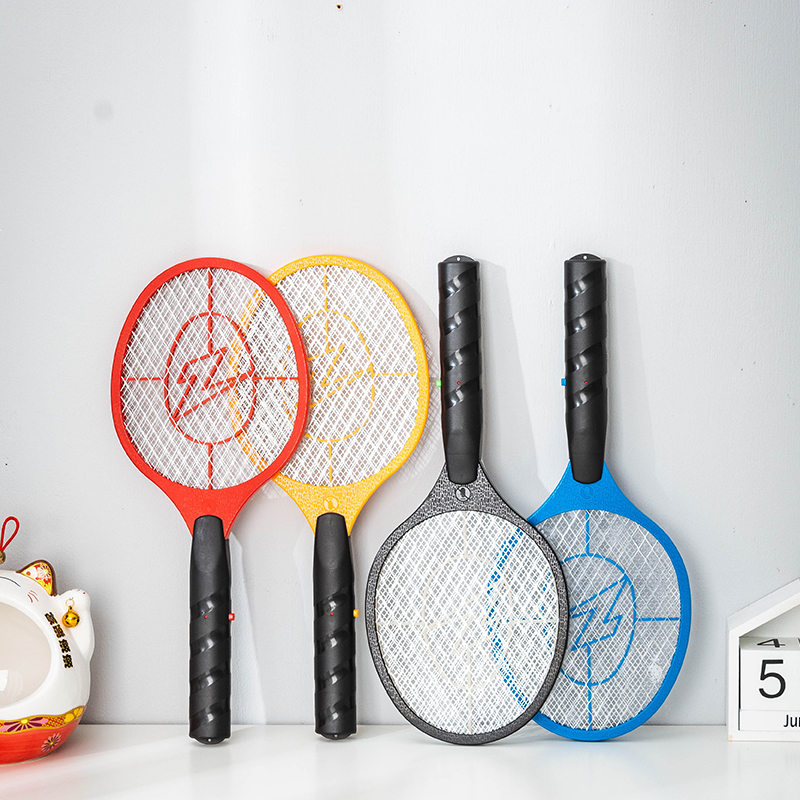
How to Stay Safe When Using a Bug Zapper Racket
To avoid unpleasant shocks and minimize risk, follow these simple safety tips:
-
Always use dry hands when handling the racket, and avoid using it in wet or humid conditions.
-
Keep the racket away from children and pets — never let kids play with it, even if it’s turned off.
-
Inspect the racket regularly for damage (cracked insulation, bent grid, loose wires) and stop using it if it’s faulty.
-
Don’t press the trigger unless you’re actively swatting pests, and avoid swinging the racket near people or animals.
-
When cleaning the grid (to remove bug debris), turn off the racket and wait a few seconds for residual charge to dissipate. Use a dry, non-metallic brush — never water.
-
Avoid using the racket near flammable materials (like insecticides or alcohol-based sprays), as the electrical spark can ignite them.
Final Thoughts
Touching a bug zapper racket is not a life-threatening experience for most people — it will likely result in a sharp tingle, mild muscle twitch, and maybe a moment of surprise. The “high voltage, low current” design of these devices ensures they’re effective against pests but safe for humans, as long as they’re used properly.
The key takeaway? Respect the device: don’t touch the grid intentionally, keep it away from vulnerable groups, and inspect it regularly. With these precautions, your bug zapper racket can keep your home pest-free without any unnecessary shocks.
How to Protect Yourself from Mosquito Bites
How to Naturally Kill Mosquitoes
Related Article

If you’re struggling with annoying mosquitoes, flies, and other flying pests indoors and outdoors, upgrading from traditional manual tools to anElectric Mosquito Swatter is the most efficient solution. Many homeowners and renters search where to buy fly swatter online to find durable, safe, and high-performance electric models that deliver instant pest control.
Where to Buy Fly Swatter
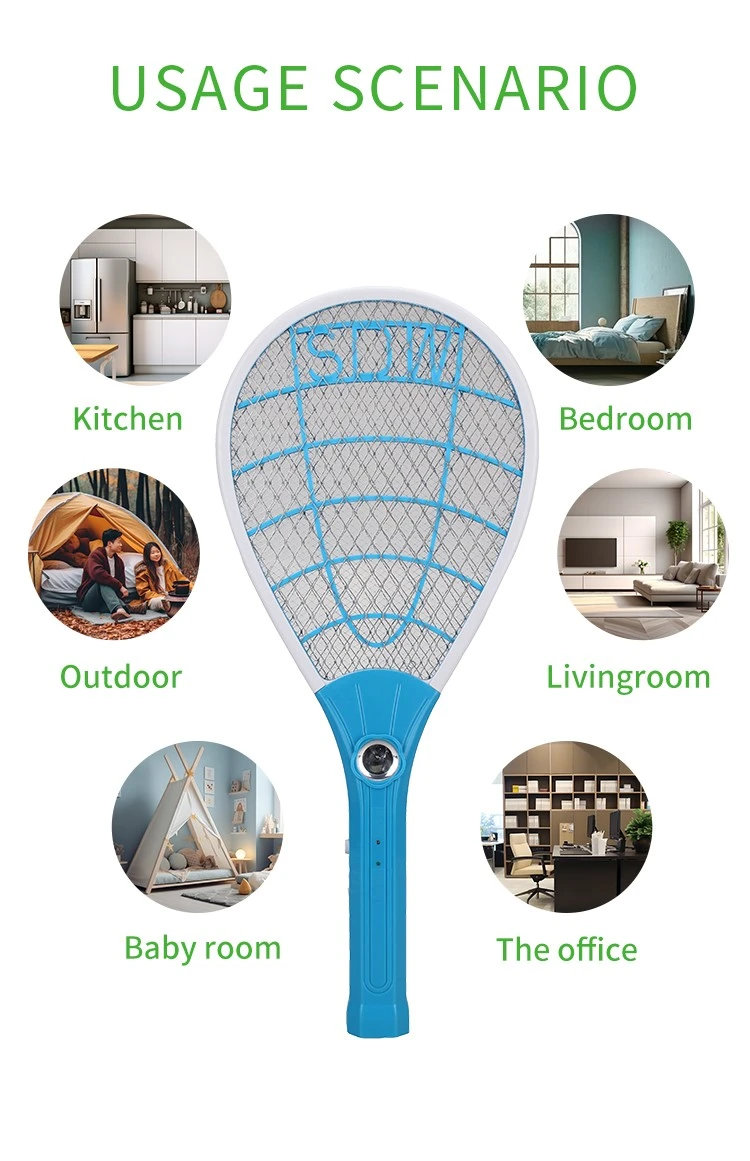
Most importers of electric mosquito swatters obsess over the first order: samples requested, factories vetted, a pre-shipment inspection booked. Then the reorder arrives eight months later and something is off. The grid feels softer. The charge port is a slightly different shade of black. The carton thickness dropped from 350 gsm to 300 gsm. Nothing is catastrophic — but the product no longer matches what your retail customers approved, and quietly, your return rate starts climbing.
How to Keep Mosquito Swatter Quality Consistent Across Repeat Orders
Warranty returns are the silent margin killer in the mosquito control category. A distributor who buys a swatter at $1.80 FOB and retails it at $9.90 can absorb a 1% return rate without noticing — but at 5%, the combined cost of replacement units, reverse logistics, and refund processing erases most of the line's profit.
Common mosquito swatter killer lamp failure modes wholesale spec guide

Digital bathroom scales rank as the second-highest-volume consumer weighing product category, only behind kitchen scales, with distinct market and product characteristics that set them apart from other scale types in importers’ product portfolios.
Digital bathroom body fat-bia-scale wholesale buyers guide