
What happens if you get hit with an electric fly swatter
2025-06-30
What happens if you get hit with an electric fly swatter
Understanding the Electric Fly Swatter's Shock Mechanism
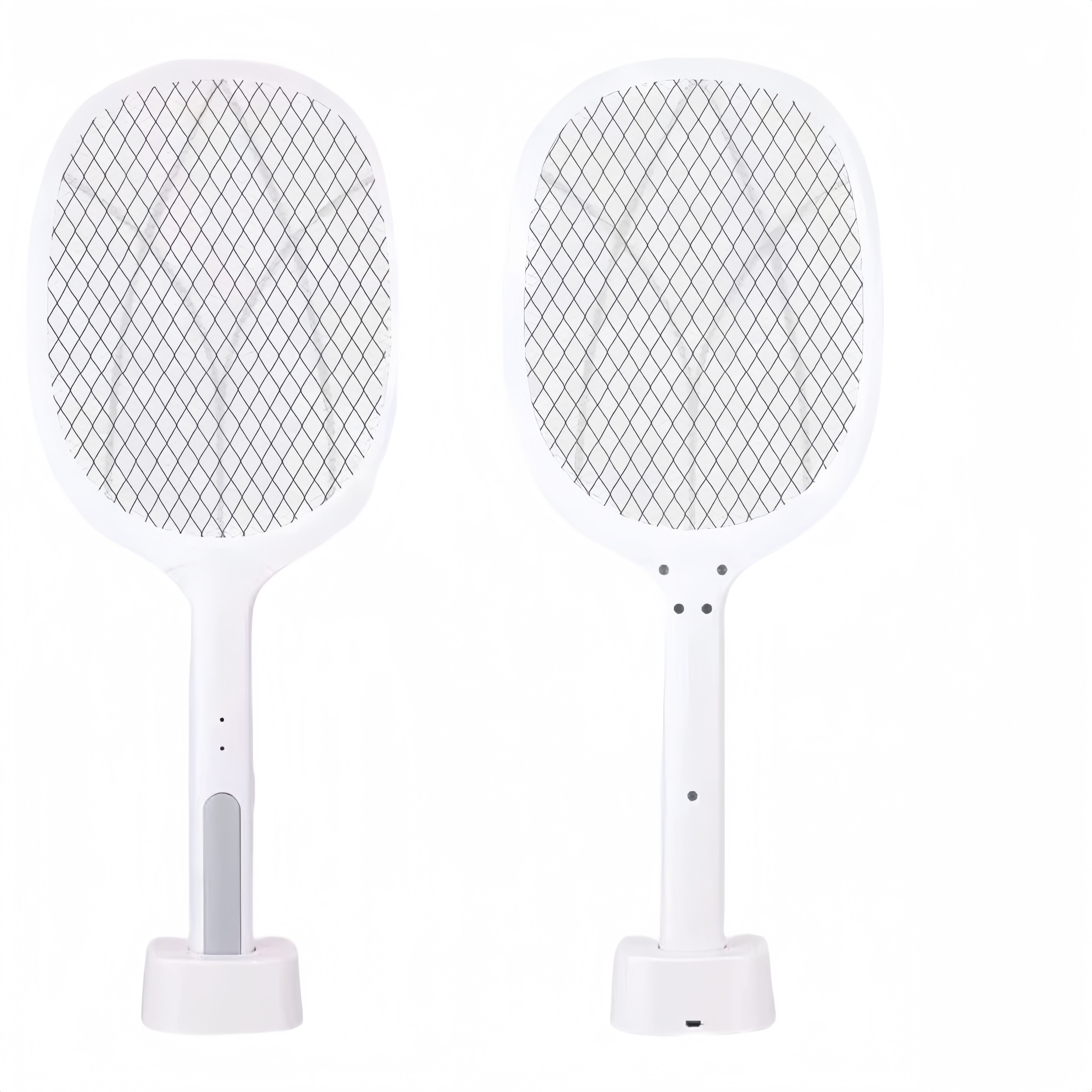
An electric fly swatter generates a high - voltage but low - current electric field through its mesh grid. When activated, the electrical circuit in the swatter is complete, and the grid becomes charged. This design is intended to quickly dispatch small insects. However, if a human comes into contact with it, the body can act as a conductor, closing the electrical circuit.
Immediate Physical Reactions
Mild to Moderate Reactions
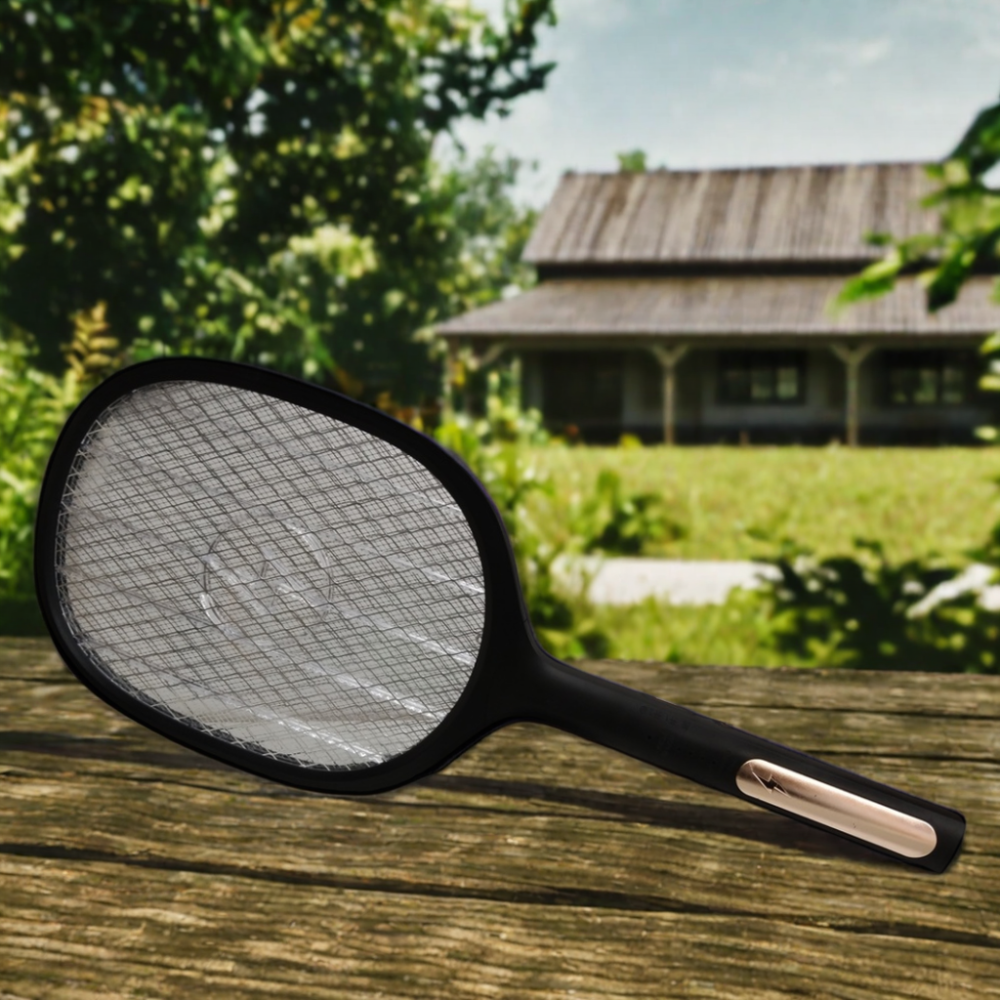
When a person is lightly hit by an electric fly swatter, the most immediate sensation is a sharp, stinging pain at the point of contact. It often feels like a sudden, intense pinch. There may also be a brief twitch or muscle spasm in the affected area as the electrical current stimulates the nerves. In most cases, these symptoms subside within a few minutes. Skin may show minor redness or a small mark at the contact site, similar to a minor burn from heat.
Severe Reactions
In rare cases, if a person has prolonged or more extensive contact with the charged grid, more serious consequences can occur. The electrical current can disrupt the normal rhythm of the heart, potentially leading to arrhythmia. It can also cause more significant muscle contractions, which might result in falls or injuries if the person loses balance. Severe pain, nausea, and dizziness may follow, and in extreme situations, it could even cause unconsciousness.
First Aid and Prevention
If someone is hit by an electric fly swatter and experiences discomfort, the first step is to move away from the swatter to prevent further contact. Check for any signs of injury, such as burns or muscle damage. For minor burns, run cool (not cold) water over the affected area for 10 - 15 minutes. If there are symptoms like chest pain, difficulty breathing, or irregular heartbeat, seek immediate medical attention.
Prevention
To avoid being hit by an electric fly swatter, always handle it with care. Keep it turned off when not in use, and store it out of reach of children. When using the swatter, be aware of your surroundings and make sure your hands and body are clear of the grid. Additionally, regularly check the swatter for any signs of damage, as a malfunctioning device could pose a greater risk.
In conclusion, getting hit by an electric fly swatter can range from a momentary unpleasant shock to a potentially dangerous situation. Understanding how it works and taking proper precautions can help minimize the risks associated with this common household tool.
Why don't people use bug zappers anymore
Can a fly survive an electric swatter
Related Article

If you’re struggling with annoying mosquitoes, flies, and other flying pests indoors and outdoors, upgrading from traditional manual tools to anElectric Mosquito Swatter is the most efficient solution. Many homeowners and renters search where to buy fly swatter online to find durable, safe, and high-performance electric models that deliver instant pest control.
Where to Buy Fly Swatter
Most importers of electric mosquito swatters obsess over the first order: samples requested, factories vetted, a pre-shipment inspection booked. Then the reorder arrives eight months later and something is off. The grid feels softer. The charge port is a slightly different shade of black. The carton thickness dropped from 350 gsm to 300 gsm. Nothing is catastrophic — but the product no longer matches what your retail customers approved, and quietly, your return rate starts climbing.
How to Keep Mosquito Swatter Quality Consistent Across Repeat Orders
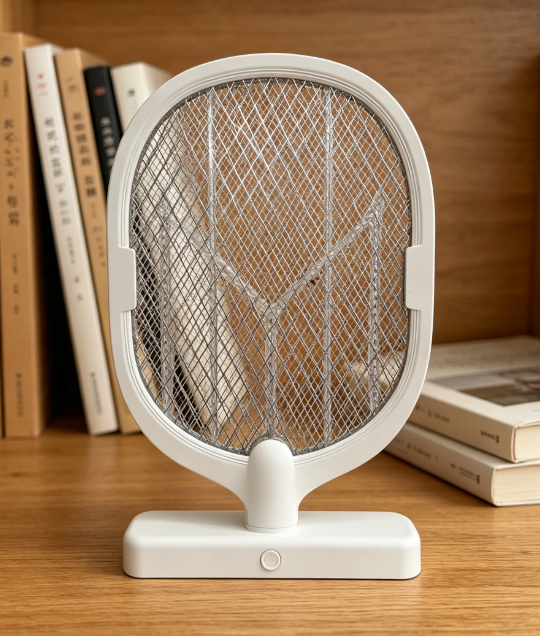
Warranty returns are the silent margin killer in the mosquito control category. A distributor who buys a swatter at $1.80 FOB and retails it at $9.90 can absorb a 1% return rate without noticing — but at 5%, the combined cost of replacement units, reverse logistics, and refund processing erases most of the line's profit.
Common mosquito swatter killer lamp failure modes wholesale spec guide

Digital bathroom scales rank as the second-highest-volume consumer weighing product category, only behind kitchen scales, with distinct market and product characteristics that set them apart from other scale types in importers’ product portfolios.
Digital bathroom body fat-bia-scale wholesale buyers guide