
What Is a Dry Cell
2025-11-30
What Is a Dry Cell? Why Dry Cell Mosquito Swatters Are Summer Mosquito-Fighting Must-Haves
What exactly is a "dry cell"? And why can it power mosquito swatters to repel mosquitoes effectively? Today, let’s talk about the basics of dry cells and the practical advantages of dry cell mosquito swatters.
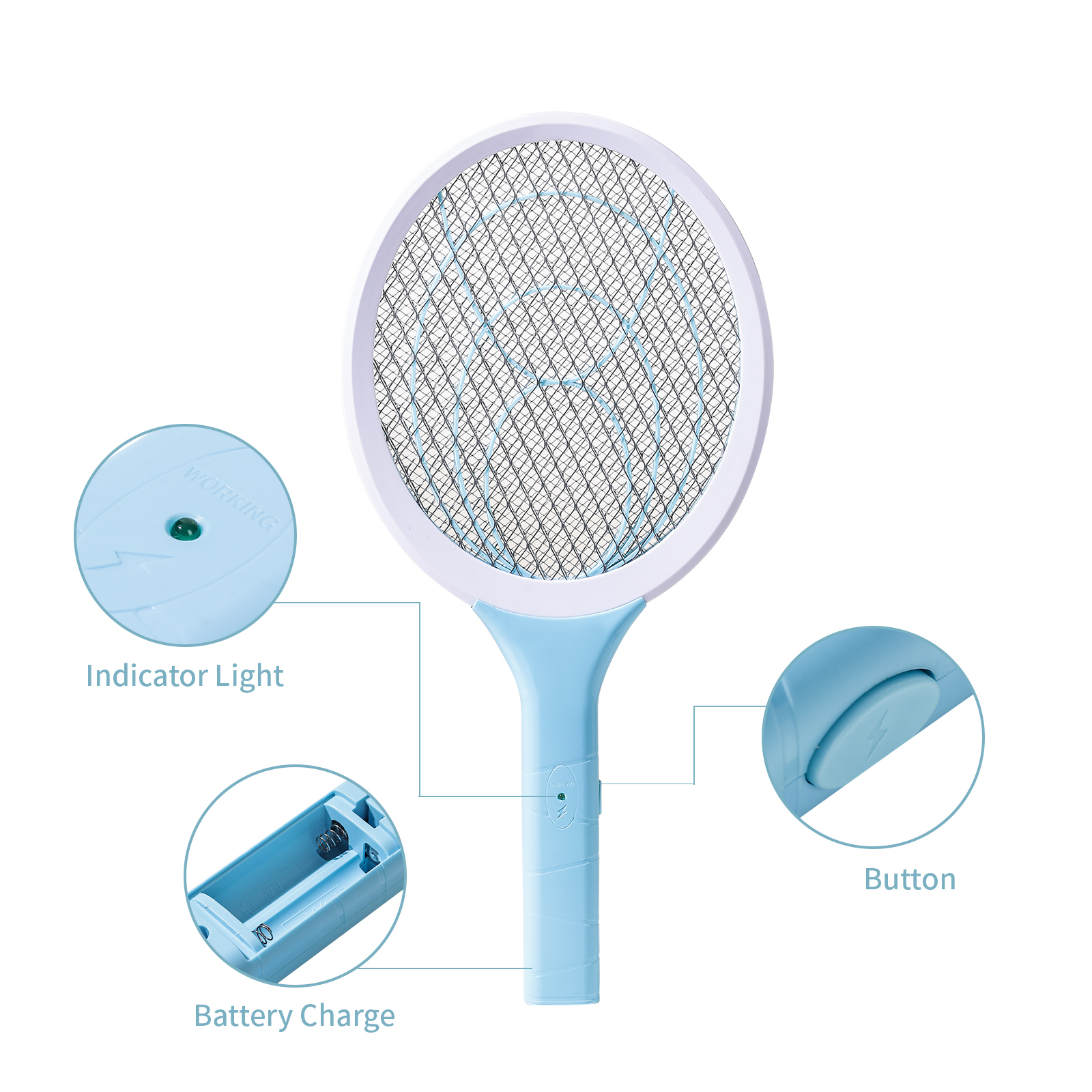
1. First, Let’s Clarify: What Is a Dry Cell?
In fact, dry cells are one of the most common types of batteries in daily life. They aren’t "completely dry"—the name comes from a comparison to early "wet cells" (such as old-fashioned lead-acid batteries, which use liquid electrolytes). The core design of a dry cell is to turn the electrolyte into a paste-like form, sealed inside a metal or plastic casing. This design not only generates electricity but also avoids the risk of liquid leakage, making it safe and convenient to use.
Structurally, a dry cell mainly consists of three parts: the positive electrode (usually a disk pressed from manganese dioxide powder), the negative electrode (mostly a zinc cylinder, which also serves as the battery’s outer shell), and the paste-like electrolyte in the middle (containing substances like ammonium chloride and zinc chloride). When the battery is connected to a circuit, a chemical reaction occurs between the positive electrode, negative electrode, and electrolyte, producing a steady electric current to power low-wattage devices.
The AA (No. 5), AAA (No. 7) batteries we use daily, and the D (No. 1) batteries we used in toys as kids—all belong to the dry cell family. Their small size, light weight, and ability to output stable low-voltage current lay the foundation for the "perfect partnership" between dry cells and mosquito swatters.
2. The 3 Core Advantages of Dry Cell Mosquito Swatters—All Users Praise Them
Now that we understand the characteristics of dry cells, it’s easy to see why dry cell mosquito swatters have become a top choice for many people in summer. After all, fighting mosquitoes requires "readiness and flexibility"—and dry cells perfectly meet these needs. Here are their three key advantages:
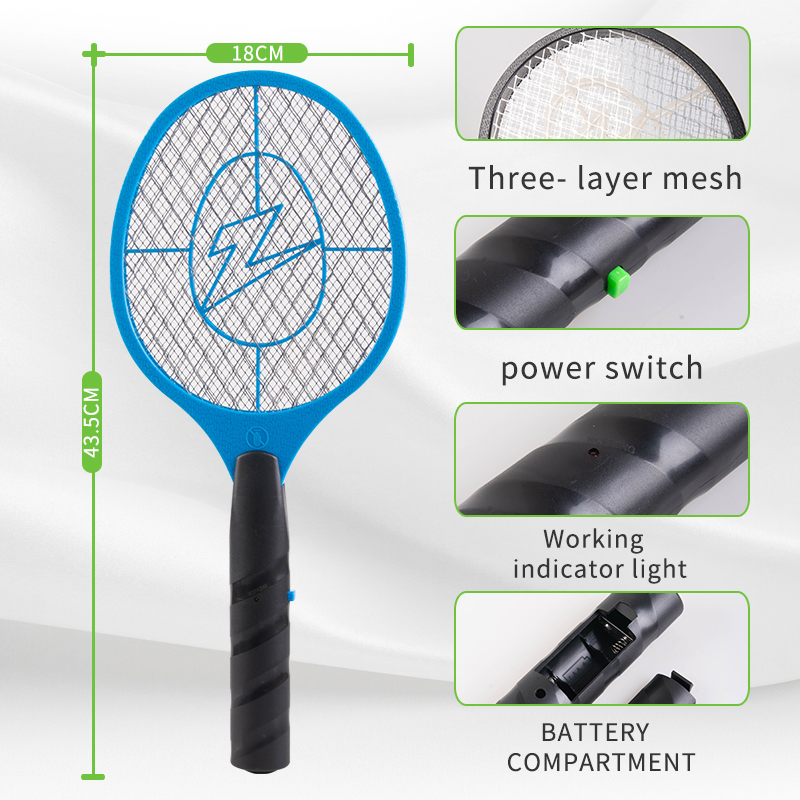
1. Cordless & Unrestricted—Go Where the Mosquitoes Are
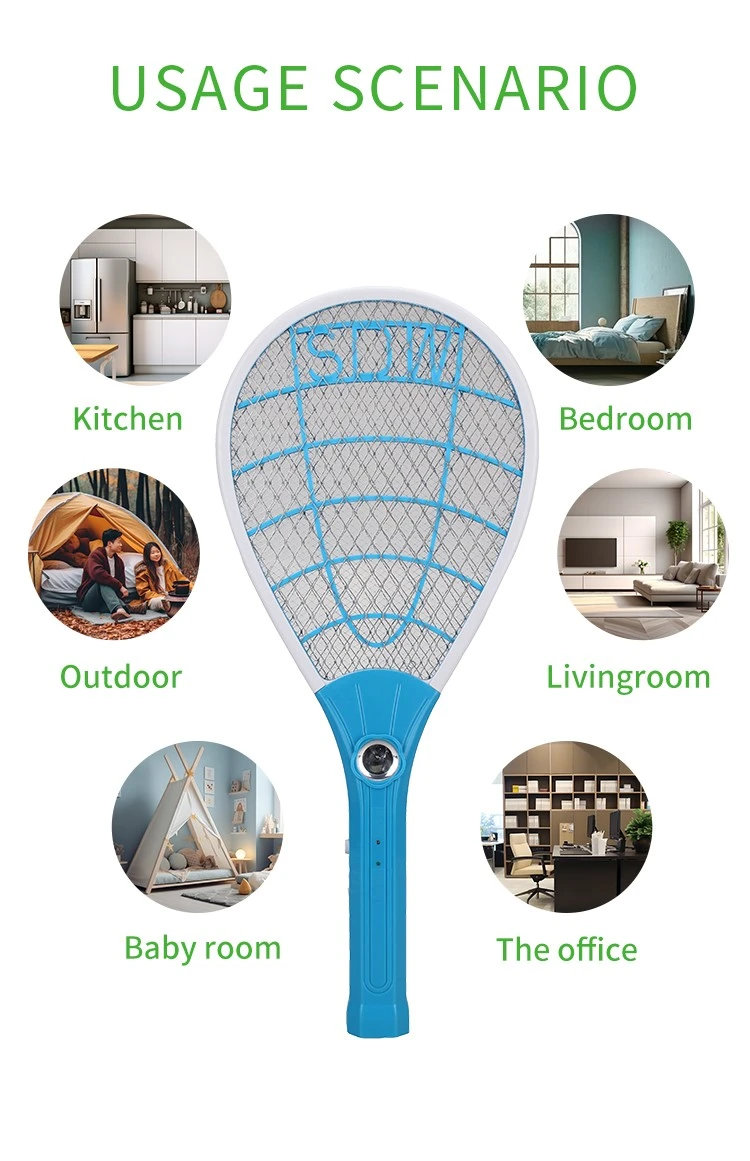
Charging-type mosquito swatters have a hassle: you either have to charge them for hours in advance or drag a cord to find a power outlet. If your bedroom or balcony is far from an outlet, using them becomes quite inconvenient. But dry cell mosquito swatters have no such problem: just insert 2-4 AA or AAA dry cells, and you can use them anywhere—whether it’s the corner of the kitchen cabinet, next to the flower pots on the balcony, or inside a camping tent. There’s no cord holding you back, and no waiting for charging.
For example, if you lie down at night and hear mosquitoes buzzing, you don’t have to fumble for a charger in the dark—just grab the dry cell mosquito swatter and "strike accurately". On weekends, when you go for a picnic in the suburbs, tuck it into your bag, and you can take it out anytime you encounter mosquitoes. Its flexibility is unbeatable.
2. Ultra-Easy Maintenance—Newbies and Seniors Can Master It
Over time, charging-type mosquito swatters may have issues like battery aging or slower charging, and you have to remember to charge them regularly. But dry cell mosquito swatters have almost no maintenance costs. When the batteries die? Open the battery compartment of the swatter, replace it with a new set of dry cells—it takes just 10 seconds, and the swatter is back to fighting mosquitoes.
What’s more, dry cells are available everywhere—supermarkets, convenience stores, even the small shop downstairs. Even if you take it with you on a business trip or trip, you don’t have to worry about it "dying" when you need it. Elderly people and kids at home can also use it easily: no need to learn how to plug it in or judge if it’s fully charged—just know how to replace the batteries, and you can use it safely.
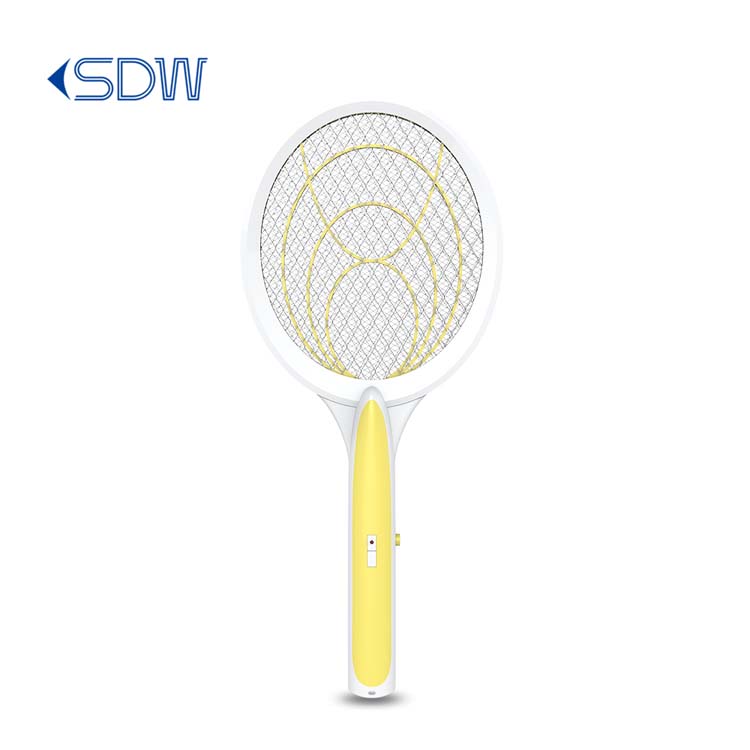
3. Lightweight & Compact—No Storage Space Needed
Dry cells themselves are small and light, so the mosquito swatters paired with them are usually designed to be thin and light. Many dry cell mosquito swatters are about the size of a palm and weigh less than 200 grams—waving them in your hand won’t tire you out. After use, you can just tuck it into a drawer, hang it on a hook on the wall, or put it in your small carry-on bag—no extra storage space needed.
For small households, or people who like to keep their home items neatly organized, this "compact and space-saving" feature is especially friendly—you don’t have to reserve a special spot for it.
3. A Honest Final Note
Of course, dry cell mosquito swatters aren’t perfect—they need regular battery replacement. But compared to their convenience, this small cost is really nothing. If you value the flexibility of "using it anytime you need it", don’t want to be tied down by charging and cords, or if you have elderly people or kids at home who need an easy-to-use mosquito-fighting tool, then a dry cell mosquito swatter is definitely a great choice for repelling mosquitoes.
~
The Grid Design of Electric Mosquito Swatters Holds Great Knowledge
Can Electric Fly Swatters Get Rid of Aphids on Plants
Related Article

If you’re struggling with annoying mosquitoes, flies, and other flying pests indoors and outdoors, upgrading from traditional manual tools to anElectric Mosquito Swatter is the most efficient solution. Many homeowners and renters search where to buy fly swatter online to find durable, safe, and high-performance electric models that deliver instant pest control.
Where to Buy Fly Swatter
Most importers of electric mosquito swatters obsess over the first order: samples requested, factories vetted, a pre-shipment inspection booked. Then the reorder arrives eight months later and something is off. The grid feels softer. The charge port is a slightly different shade of black. The carton thickness dropped from 350 gsm to 300 gsm. Nothing is catastrophic — but the product no longer matches what your retail customers approved, and quietly, your return rate starts climbing.
How to Keep Mosquito Swatter Quality Consistent Across Repeat Orders
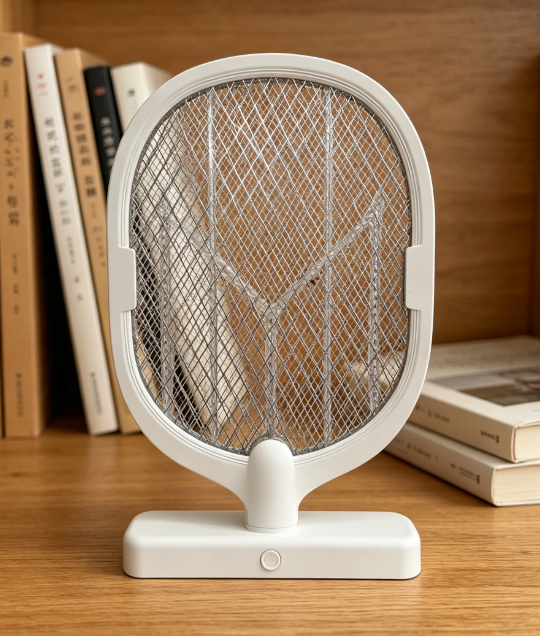
Warranty returns are the silent margin killer in the mosquito control category. A distributor who buys a swatter at $1.80 FOB and retails it at $9.90 can absorb a 1% return rate without noticing — but at 5%, the combined cost of replacement units, reverse logistics, and refund processing erases most of the line's profit.
Common mosquito swatter killer lamp failure modes wholesale spec guide

Digital bathroom scales rank as the second-highest-volume consumer weighing product category, only behind kitchen scales, with distinct market and product characteristics that set them apart from other scale types in importers’ product portfolios.
Digital bathroom body fat-bia-scale wholesale buyers guide