
What Is a Smart Scale
2026-07-23
What Is a Smart Scale? A Complete Guide to Smart Body Scales
For decades, traditional bathroom scales only told us one thing: our weight. While this single number offers a basic health reference, it fails to reflect the full picture of our physical condition. Weight fluctuations can be misleading—gaining weight does not always mean gaining fat, and losing weight does not equal improved fitness. This is where smart scales come in. As an innovative smart home health device, smart scales have revolutionized daily body tracking, turning simple weight measurement into comprehensive body composition analysis. In this article, we will break down everything you need to know about smart scales, including their working principle, core features, and unique advantages over traditional scales.
1. What Exactly Is a Smart Scale?
A smart scale is an advanced digital weighing device integrated with smart sensing technology, wireless connectivity, and data analysis systems. Different from ordinary mechanical or electronic scales that only measure body weight, a smart scale can detect and calculate a variety of human body health metrics. It is a portable home health tool designed for daily body condition monitoring, fitness management, and weight tracking.
Most smart scales support Bluetooth or Wi-Fi connection with smartphones, tablets, and even smart home systems. After each measurement, the device will automatically synchronize data to dedicated mobile apps, record long-term health trends, and generate intuitive analysis reports. It turns fragmented single measurement data into continuous, trackable health files, helping users understand their physical changes scientifically.

2. How Does a Smart Scale Work?
The core working principle of most household smart scales is bioelectrical impedance analysis (BIA), a safe and mature detection technology widely used in civilian health equipment. The working process is simple and non-invasive, with no harm to the human body.
When you stand on the conductive electrodes of a smart scale, the device emits tiny, imperceptible low-level electrical currents through your feet that flow throughout your body. Different body tissues have different electrical conductivity: muscle tissue contains more water and electrolytes, so it conducts electricity faster; fat tissue has lower water content and higher resistance, leading to slower current transmission.
By capturing these subtle impedance differences, the smart scale’s built-in algorithm can accurately calculate body composition data such as body fat rate, muscle mass, and body water rate. Combined with basic data including height, age, and gender manually entered by users, it further optimizes measurement accuracy and generates professional body analysis results.
3. Core Metrics and Key Features of Smart Scales
The biggest advantage of smart scales over traditional scales is their rich functional dimensions. A qualified smart scale can monitor more than 10 body health indicators, covering basic weight data and in-depth body composition information. The core features are summarized as follows:
3.1 Comprehensive Body Composition Detection
In addition to basic body weight, smart scales can measure core indicators closely related to physical health, including body fat percentage, skeletal muscle mass, body water rate, bone mass, basal metabolic rate (BMR), and visceral fat level. Among them, visceral fat level is a key health indicator, as excessive visceral fat is closely linked to chronic diseases, making early monitoring particularly important.
3.2 Intelligent Data Synchronization and Trend Tracking
All measurement data can be automatically synced to mobile apps via Bluetooth or Wi-Fi. The system will automatically record daily, weekly, and monthly data changes, draw intuitive trend charts, and help users clearly perceive subtle body changes that cannot be seen from a single weight number. For fitness enthusiasts and people managing their weight, this long-term data tracking is more valuable than one-time detection.
3.3 Multi-User Recognition and Family Sharing
Most smart scales support multi-user intelligent identification. One device can store the health data of multiple family members, automatically matching measurement results to corresponding user accounts without manual switching. This feature makes it suitable for whole-family health monitoring, meeting the daily detection needs of adults, teenagers, and the elderly.
3.4 Additional Practical Health Functions
Many upgraded smart scales are equipped with expanded functions such as real-time heart rate detection, body age assessment, and calorie consumption analysis. Some high-end models also support data docking with mainstream health platforms including Apple Health, Google Fit, and Fitbit, realizing unified management of personal sports and health data.
4. Smart Scale vs. Traditional Scale: What’s the Difference?
Many people wonder whether it is necessary to replace a traditional scale with a smart scale. The core differences between the two devices are clear, which directly determines their different usage values:
Traditional scales only provide real-time weight data with a single function and no data storage capability. They can only reflect instantaneous weight changes but cannot explain the reasons for changes—for example, whether weight gain comes from muscle growth or fat accumulation. In addition, traditional scales cannot form long-term health records, making it impossible to track physical changes dynamically.
In contrast, smart scales achieve comprehensive body assessment + long-term data management. It does not focus on a single weight number, but helps users understand their body structure, adjust diet and exercise plans targeted, and avoid blind weight loss or excessive fitness. Its high accuracy (most models support precision up to 50g) also ensures the rigor of daily monitoring.
5. Who Can Benefit Most from a Smart Scale?
Smart scales are not exclusive fitness equipment; they are suitable for most people who pay attention to daily health management, especially for the following groups:
First, weight management practitioners. People who are losing weight or keeping fit can accurately distinguish fat and muscle changes, avoiding the misunderstanding of “weight loss but no fat loss” and optimizing weight loss plans.
Second, fitness enthusiasts. For users doing strength training and muscle building, muscle mass and body fat rate data can intuitively reflect fitness effects and guide scientific training.
Third, family health managers. It can monitor the physical conditions of the elderly and children for a long time, helping to detect abnormal body index changes early and assist in daily health care.
Fourth, sub-health groups. Long-term monitoring of basal metabolism and visceral fat levels helps adjust daily work and rest, diet, and improve physical condition.
6. Tips for Using a Smart Scale Accurately
To ensure stable and accurate measurement data, correct usage habits are essential. Here are some practical tips for daily use:
First, place the scale on a flat, hard ground. Soft surfaces such as carpets and mats will affect the sensor’s induction effect and lead to data deviation.
Second, measure at a fixed time every day. It is recommended to weigh on an empty stomach after getting up in the morning, as the body state is stable at this time, and the data is more referential. Avoid measuring after meals, drinking water, or strenuous exercise.
Third, keep your feet dry and stand upright. Make sure your soles fully fit the scale’s electrodes, do not shake your body during measurement, and wait for the data to stabilize before recording.
7. Final Thoughts
A smart scale is more than a simple weighing tool—it is a portable family health steward. It breaks the limitation of single weight data, uses scientific body composition analysis to help us understand our bodies deeply, and relies on intelligent data tracking to guide healthy living habits.
In the era of smart home and personalized health management, a smart scale has become a cost-effective and practical health device. It does not pursue professional medical-level detection data, but provides continuous, daily health reference for ordinary people, letting every body change be recorded and every health adjustment be based on data.
Sticky vs Electric Mosquito Trap
Best Mosquito Killer Lamp for Baby Room
Related Article

If you’re struggling with annoying mosquitoes, flies, and other flying pests indoors and outdoors, upgrading from traditional manual tools to anElectric Mosquito Swatter is the most efficient solution. Many homeowners and renters search where to buy fly swatter online to find durable, safe, and high-performance electric models that deliver instant pest control.
Where to Buy Fly Swatter
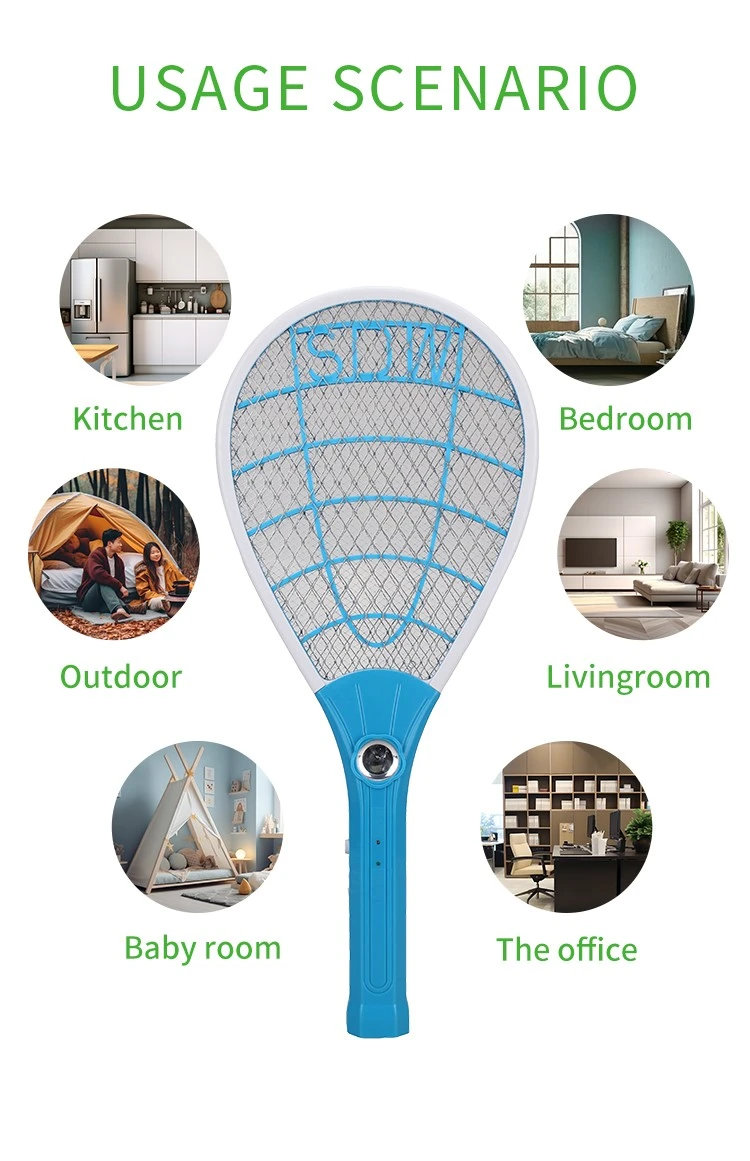
Most importers of electric mosquito swatters obsess over the first order: samples requested, factories vetted, a pre-shipment inspection booked. Then the reorder arrives eight months later and something is off. The grid feels softer. The charge port is a slightly different shade of black. The carton thickness dropped from 350 gsm to 300 gsm. Nothing is catastrophic — but the product no longer matches what your retail customers approved, and quietly, your return rate starts climbing.
How to Keep Mosquito Swatter Quality Consistent Across Repeat Orders

Warranty returns are the silent margin killer in the mosquito control category. A distributor who buys a swatter at $1.80 FOB and retails it at $9.90 can absorb a 1% return rate without noticing — but at 5%, the combined cost of replacement units, reverse logistics, and refund processing erases most of the line's profit.
Common mosquito swatter killer lamp failure modes wholesale spec guide

Digital bathroom scales rank as the second-highest-volume consumer weighing product category, only behind kitchen scales, with distinct market and product characteristics that set them apart from other scale types in importers’ product portfolios.
Digital bathroom body fat-bia-scale wholesale buyers guide