
What Is a USB-C Charger
2026-05-14
What Is a USB-C Charger?
If you’ve ever fumbled with a USB cable in the dark, trying to plug it into your phone or laptop the right way, you’re probably familiar with the frustration of older USB ports. Enter the USB-C charger—a game-changer in connectivity and power delivery that’s quickly become the universal standard for modern devices. But did you know this versatile charger isn’t just for phones and laptops? It’s also revolutionizing a humble household item: the USB mosquito swatter. Let’s break down what a USB-C charger is, its key benefits, and how it’s making summer pest control easier than ever.
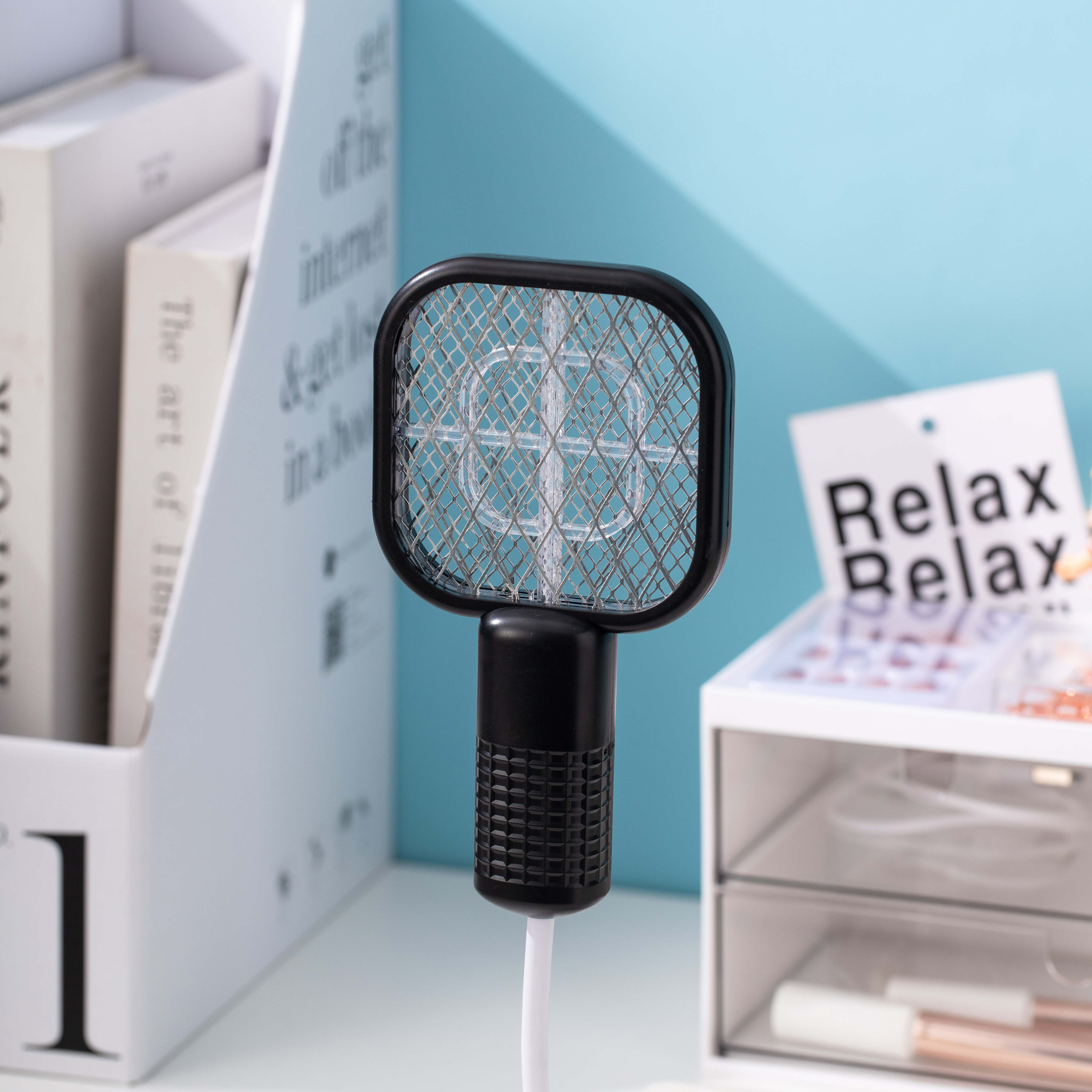
What Exactly Is a USB-C Charger?
At its core, a USB-C charger is a power adapter that uses the USB Type-C connector—a small, oval, reversible port designed to replace older USB-A and micro-USB connectors. Unlike its predecessors, which had fixed orientations and limited power capabilities, the USB-C charger is built for versatility, speed, and convenience. It’s important to note that USB-C refers to the connector shape, not the charging protocol itself—but most modern USB-C chargers use USB Power Delivery (PD) technology, which allows them to deliver varying levels of power to different devices.
In short, a USB-C charger is a single solution to charge nearly all your portable devices, from smartphones and tablets to laptops, headphones, and even small household gadgets. Its rise to dominance is also fueled by global regulations—for example, the EU mandate requires most portable devices to use USB-C connectors by 2024, reducing e-waste and simplifying user experience.
Key Benefits of USB-C Chargers
What makes USB-C chargers stand out from older models? Here are the top advantages that have made them a staple in every home and bag:
-
Reversible Design: No more flipping the cable back and forth—USB-C connectors work both ways, saving you time and frustration. This symmetrical design is one of the most user-friendly features of the standard.
-
Fast Charging with USB PD: Most USB-C chargers support USB Power Delivery, a protocol that lets the charger and device communicate to deliver the optimal power level. This means faster charging for your phone (e.g., 0-50% in 30 minutes for many models) and even high-power devices like laptops.
-
Universal Compatibility: One charger works for multiple devices. A single USB-C charger can power your phone, tablet, and even a USB mosquito swatter—no need to keep multiple adapters handy.
-
Compact and Durable: USB-C connectors are smaller than USB-A, making chargers more portable. They’re also designed to handle more insertions and removals, making them more durable for daily use.
-
Multifunctional: Beyond charging, USB-C supports high-speed data transfer and video output. While this isn’t relevant for mosquito swatters, it adds to the charger’s overall value for other devices.
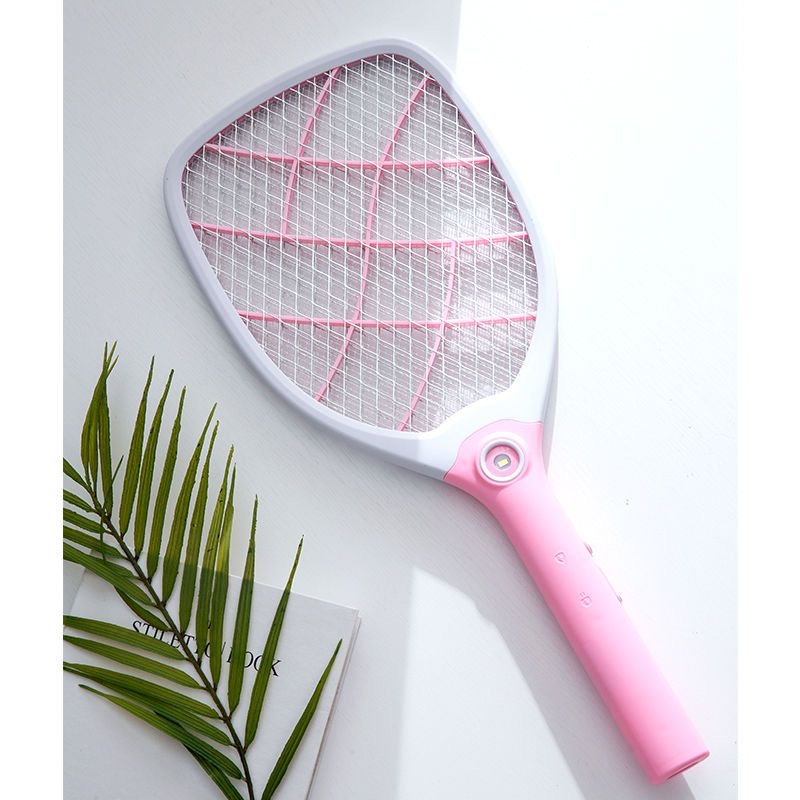
USB-C Chargers and USB Mosquito Swatters: A Perfect Match
Now, let’s talk about the unexpected star of the show: the USB mosquito swatter. Once a bulky, battery-powered tool that required frequent battery replacements, modern mosquito swatters have gone high-tech—thanks in part to USB-C charging. Here’s how USB-C is transforming this summer essential:
Why USB-C Makes Mosquito Swatters Better
Gone are the days of buying disposable batteries for your mosquito swatter or struggling with clunky charging ports. USB-C-equipped mosquito swatters offer several key advantages:
-
Convenient Charging Anywhere: USB-C mosquito swatters can be charged using any USB-C charger—whether it’s the one you use for your phone, a power bank, or a laptop. This means you can charge it at home, in the car, or even while camping, no special adapter needed.
-
Faster Charging Times: Compared to older micro-USB or battery-powered models, USB-C mosquito swatters charge much faster. Many models with USB-C ports can fully charge in 1.5 to 4 hours, depending on the battery capacity, so you’re never left without protection against mosquitoes.
-
Longer Battery Life: USB-C charging pairs perfectly with modern lithium-ion batteries (common in USB mosquito swatters), which hold a charge longer and last longer overall. This means fewer charging sessions and more time using the swatter to keep your space bug-free.
-
Reduced E-Waste: By using a reusable, rechargeable design with a universal USB-C port, these mosquito swatters cut down on battery waste. This aligns with the eco-friendly goals of the USB-C standard, which aims to reduce electronic waste worldwide.
How to Use a USB-C Charger with Your Mosquito Swatter
Using a USB-C charger with your mosquito swatter is simple—here’s a quick step-by-step guide:
1. Locate the USB-C port on your mosquito swatter (usually on the handle for easy access). 2. Connect one end of a USB-C cable to the swatter and the other end to your USB-C charger. 3. Plug the charger into a power outlet, power bank, or laptop USB port. 4. Most swatters have an LED indicator that lights up while charging and turns off when fully charged—no guesswork needed. 5. Once charged, disconnect the cable and your swatter is ready to use!
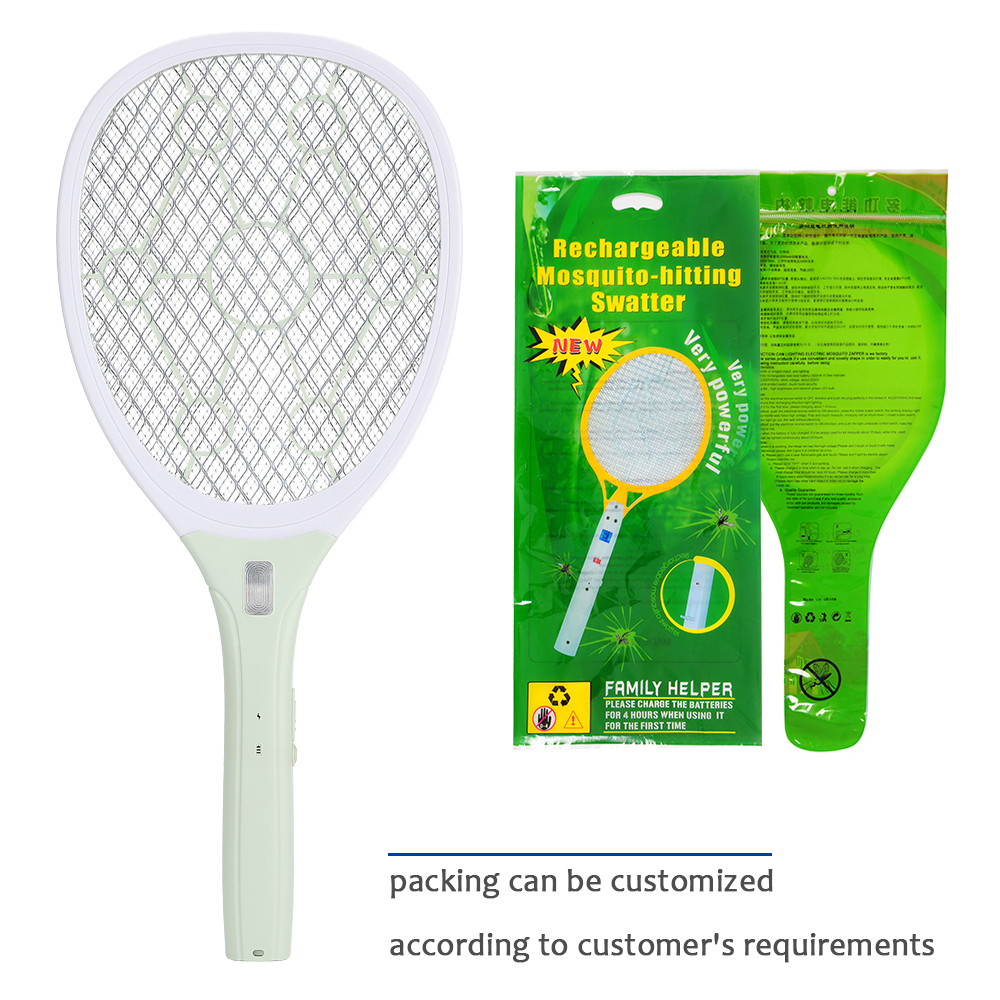
Final Thoughts: USB-C Chargers Are More Versatile Than You Think
A USB-C charger isn’t just a tool for your phone or laptop—it’s a universal power solution that’s making everyday gadgets more convenient, efficient, and eco-friendly. The USB mosquito swatter is just one example of how this technology is creeping into unexpected areas of our lives, turning a simple household item into a more reliable, easy-to-use tool.
Whether you’re charging your smartphone, powering your laptop, or prepping your mosquito swatter for summer, a USB-C charger is the one accessory that does it all. Its reversible design, fast charging, and universal compatibility make it a must-have for any modern home—and now, it’s even helping you keep those pesky mosquitoes at bay.
How to Control Mosquitoes in the Kitchen
What Household Items Kill Mosquitoes
Related Article

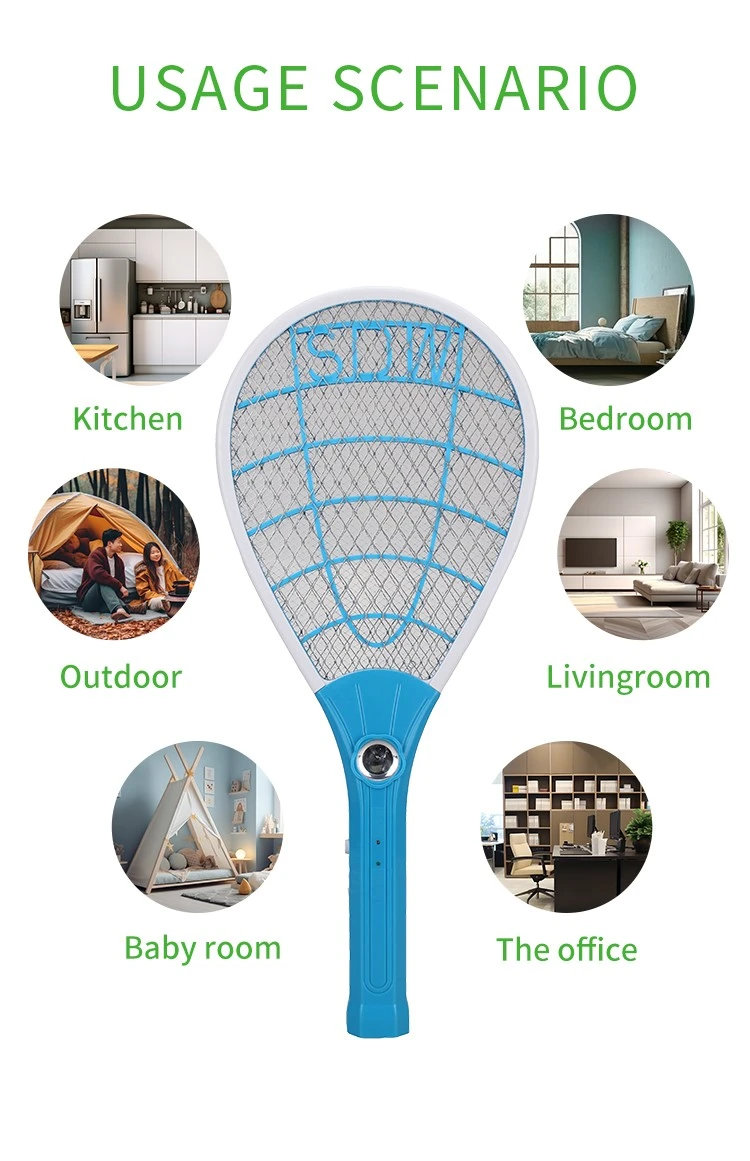
If you’re struggling with annoying mosquitoes, flies, and other flying pests indoors and outdoors, upgrading from traditional manual tools to anElectric Mosquito Swatter is the most efficient solution. Many homeowners and renters search where to buy fly swatter online to find durable, safe, and high-performance electric models that deliver instant pest control.
Where to Buy Fly Swatter
Most importers of electric mosquito swatters obsess over the first order: samples requested, factories vetted, a pre-shipment inspection booked. Then the reorder arrives eight months later and something is off. The grid feels softer. The charge port is a slightly different shade of black. The carton thickness dropped from 350 gsm to 300 gsm. Nothing is catastrophic — but the product no longer matches what your retail customers approved, and quietly, your return rate starts climbing.
How to Keep Mosquito Swatter Quality Consistent Across Repeat Orders
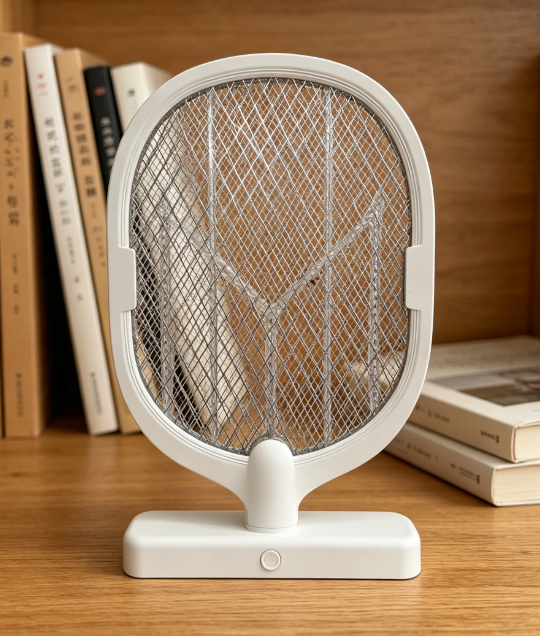
Warranty returns are the silent margin killer in the mosquito control category. A distributor who buys a swatter at $1.80 FOB and retails it at $9.90 can absorb a 1% return rate without noticing — but at 5%, the combined cost of replacement units, reverse logistics, and refund processing erases most of the line's profit.
Common mosquito swatter killer lamp failure modes wholesale spec guide

Digital bathroom scales rank as the second-highest-volume consumer weighing product category, only behind kitchen scales, with distinct market and product characteristics that set them apart from other scale types in importers’ product portfolios.
Digital bathroom body fat-bia-scale wholesale buyers guide