
What is Chikungunya and How to Prevent It
2025-08-01
What is Chikungunya? How to Prevent It?
Recently, many people have received warm reminder text messages from the government about chikungunya. Some may wonder what chikungunya is. The hot and humid weather in late summer and early autumn is the "golden period" for mosquitoes to run rampant, and chikungunya, an infectious disease transmitted by mosquitoes, has also entered its outbreak period. Although chikungunya does not cause large-scale fatal crises, its symptoms such as severe joint pain are enough to disrupt people's normal lives.

I. The "True Face" of Chikungunya
1.1 Virus and Transmission Vectors
The "culprit" of chikungunya is the chikungunya virus, which mainly relies on Aedes aegypti and Aedes albopictus as transmission vectors. These two types of mosquitoes are small in size, have a wide range of activities, and especially like to haunt crowded areas, providing opportunities for virus transmission.
After being infected with the virus, patients will develop a high fever within a few days, with the body temperature soaring above 39℃, accompanied by general muscle soreness, joint redness, swelling and pain, and in severe cases, they may even be unable to walk normally. The joint pain of some patients will last for several months, which has a great impact on daily life and work. In addition, a small number of patients may also experience symptoms such as rash and fatigue, making the body suffer a lot. Most cases are mild, and severe cases and deaths are rare, mainly occurring in the elderly and people with underlying diseases.
II. The Transmission "Chain" of Chikungunya
The transmission path of chikungunya is very clear: when a mosquito carrying the virus bites a healthy person, the virus will enter the human body along with the mosquito's saliva, thereby causing infection. It is worth noting that the virus can complete reproduction in the mosquito's body in just a few days, after which the mosquito will have the ability to continuously transmit the virus. Moreover, this mode of transmission does not occur directly between people, and mosquitoes are the only intermediate "bridge".
III. Core of Prevention: Cutting Off the Mosquito Transmission Path
3.1 Eliminating Mosquito "Breeding Grounds"
Mosquito larvae cannot live without stagnant water, so eliminating stagnant water in the living environment is the key to reducing the number of mosquitoes from the source. Please spend 3 minutes every day to check the areas around the house, gardens, balconies, rooftops, bathrooms, pools, tree holes, green belts, etc. Timely clean up stagnant water in discarded containers, flowerpot trays, containers for hydroponic plants, water storage buckets, tires, debris, plastic garbage, bamboo tubes, etc. Unclog blocked sewers, and invert idle buckets, basins and other containers to avoid the formation of stagnant water. For stagnant water that cannot be completely cleaned up, such as in courtyard ponds and water tanks, you can put mosquito larvicide to prevent the growth and development of mosquito larvae.
3.2 "Unremitting" Personal Protection
During the early morning and evening when mosquitoes are active, try to reduce outdoor activities. Please take measures such as installing screen doors and windows, using mosquito nets when sleeping, wearing long-sleeved clothes and pants when going out, or spraying effective mosquito repellent on exposed skin to reduce the risk of being bitten due to exposure. Take a bath and change clothes in time after returning home to reduce the possibility of mosquitoes following you into the room.
3.3 Rational Use of Mosquito Repellent Tools
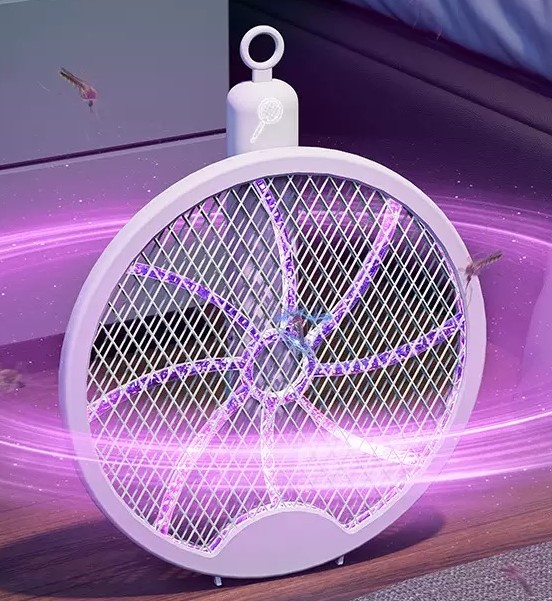
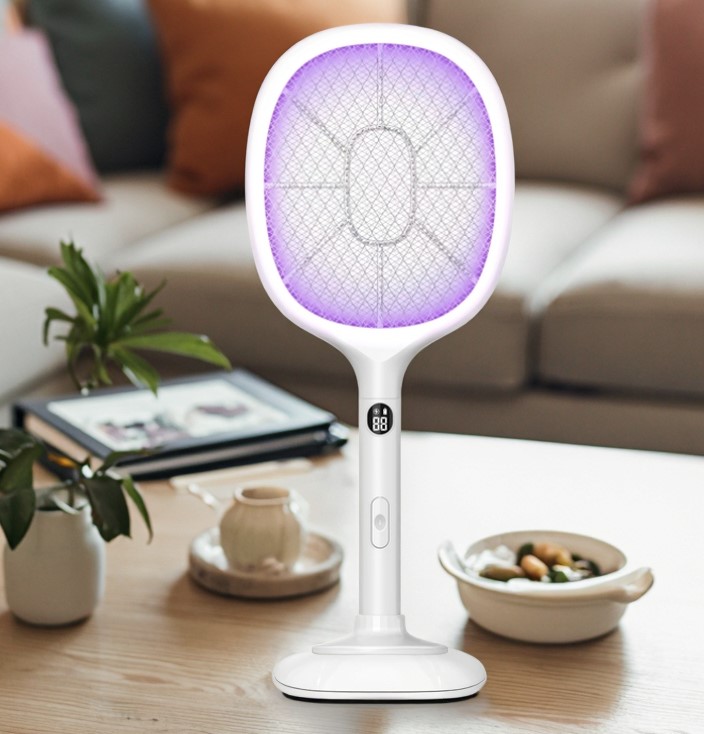
When adult mosquitoes are found at home, you can use physical measures such as electric mosquito swatters and mosquito killer lamps to kill mosquitoes. Scientifically select household sanitary insecticides with qualified certificate numbers (such as mosquito coils, mosquito-killing tablets, insecticidal aerosols, etc.) for chemical mosquito killing, so that the home can be clean and free from mosquito troubles.
IV. Summary
The key to preventing chikungunya is to not give mosquitoes a chance. Eliminating stagnant water and doing a good job in personal protection are the foundations, and the rational use of electric mosquito swatters and mosquito killer lamps can further improve the mosquito prevention effect. As long as we implement these preventive measures in our daily lives, we can effectively reduce the risk of contracting chikungunya and enjoy a comfortable life.
Frequently Asked Questions (FAQs) About Electric Fly Zappers
Do Electronic Mosquito Killers Really Work
Related Article

If you’re struggling with annoying mosquitoes, flies, and other flying pests indoors and outdoors, upgrading from traditional manual tools to anElectric Mosquito Swatter is the most efficient solution. Many homeowners and renters search where to buy fly swatter online to find durable, safe, and high-performance electric models that deliver instant pest control.
Where to Buy Fly Swatter
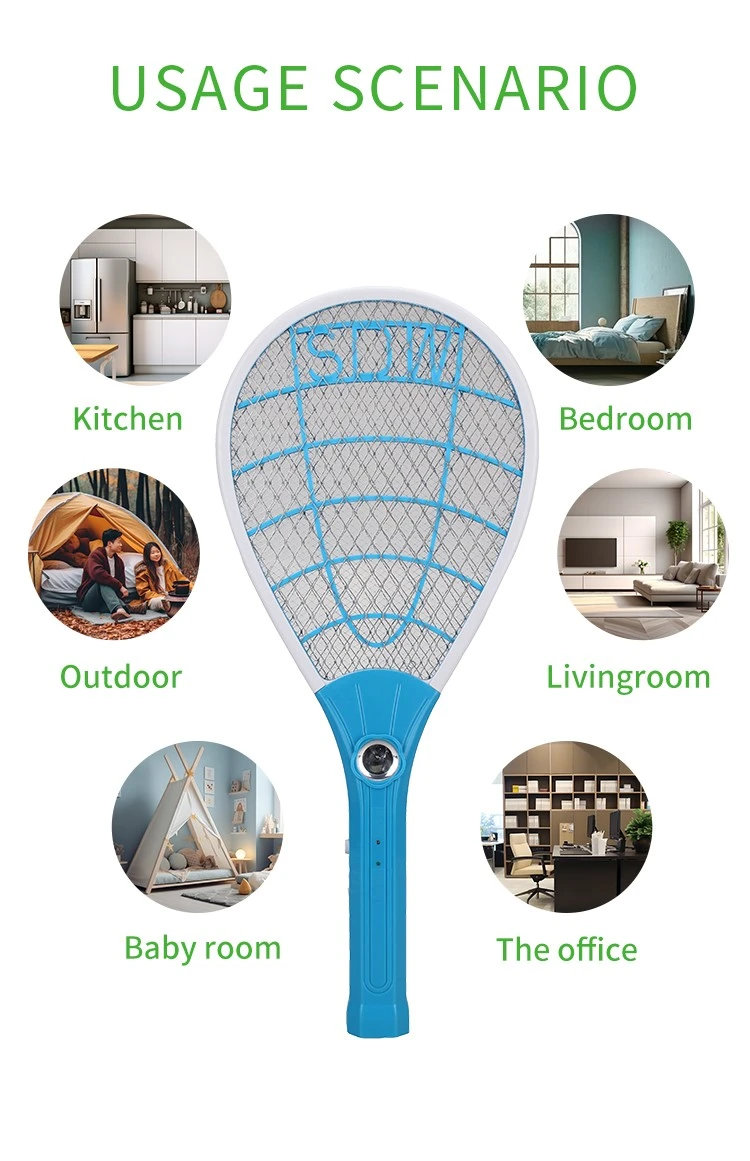
Most importers of electric mosquito swatters obsess over the first order: samples requested, factories vetted, a pre-shipment inspection booked. Then the reorder arrives eight months later and something is off. The grid feels softer. The charge port is a slightly different shade of black. The carton thickness dropped from 350 gsm to 300 gsm. Nothing is catastrophic — but the product no longer matches what your retail customers approved, and quietly, your return rate starts climbing.
How to Keep Mosquito Swatter Quality Consistent Across Repeat Orders
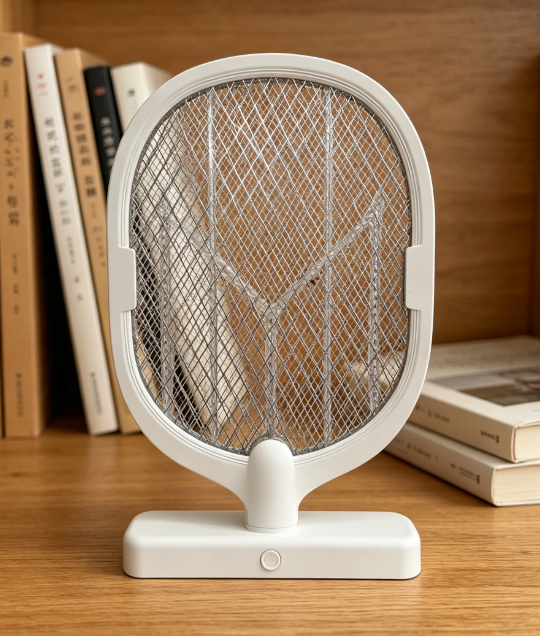
Warranty returns are the silent margin killer in the mosquito control category. A distributor who buys a swatter at $1.80 FOB and retails it at $9.90 can absorb a 1% return rate without noticing — but at 5%, the combined cost of replacement units, reverse logistics, and refund processing erases most of the line's profit.
Common mosquito swatter killer lamp failure modes wholesale spec guide

Digital bathroom scales rank as the second-highest-volume consumer weighing product category, only behind kitchen scales, with distinct market and product characteristics that set them apart from other scale types in importers’ product portfolios.
Digital bathroom body fat-bia-scale wholesale buyers guide