
What is Environmental Tin
2025-09-29
What is Environmental Tin? A Comprehensive Guide to This Green Metal Material
In industrial production and daily life, tin is a common yet important metal material. It can be found in everything from the solder joints of electronic devices to the coatings of food packaging. However, with the increasing awareness of environmental protection, "environmental tin" has gradually replaced traditional tin as the market mainstream. Nevertheless, many people still have a limited understanding of "what exactly environmental tin is". Today, we will delve into the nature, characteristics, and value of environmental tin to help you fully understand this "green metal".
I. First, Understand: Why Do We Need "Environmental Tin"?
To understand environmental tin, we first need to talk about the "non-environmental" aspects of traditional tin.
Traditional tin materials, especially tin alloys used for soldering, often contain heavy metal elements such as lead, cadmium, mercury, and hexavalent chromium. These elements serve the purposes of lowering the melting point of tin, improving soldering performance, and enhancing material hardness. However, they pose significant environmental and health risks:
- During the production process, heavy metals may pollute soil and water sources through exhaust gas and wastewater emissions, which can damage ecosystems over time;
- After products (such as old mobile phones and circuit boards) are discarded, if not properly handled, heavy metals can seep into the ground or produce toxic gases during waste incineration. Eventually, they enter the human body through the food chain, leading to neurological damage, kidney diseases, and even adverse effects on children's development.
To curb such hazards, environmental protection regulations have been successively introduced worldwide (e.g., the EU's RoHS Directive and China's Measures for the Control of Pollution by Electronic Information Products). These regulations clearly restrict the use of heavy metals in materials. "Environmental tin" emerged against this backdrop—its core goal is to completely eliminate or strictly limit the content of harmful heavy metals while retaining the practical performance of tin.
II. Core Definition: What Exactly is Environmental Tin?
In simple terms, environmental tin refers to tin and tin alloy materials that comply with international or national environmental protection standards and have a much lower content of harmful heavy metals (especially lead) compared to traditional tin.
There are two key points for a more rigorous judgment standard:
- Compliance with harmful element content requirements: According to mainstream standards (such as RoHS), the lead content in environmental tin must be ≤ 1000 ppm (i.e., 0.1%), and the contents of cadmium, mercury, and hexavalent chromium are even lower, down to a few parts per million;
- Environmental friendliness throughout the entire life cycle: It is not only the material itself that is harmless. The entire process, from tin ore mining (reducing ecological damage) and smelting (reducing exhaust gas and wastewater emissions) to product recycling after scrapping (recyclable), must meet environmental protection requirements.
For example, the "lead-free solder" we commonly see is a typical representative of environmental tin—it uses elements such as silver and copper to replace lead in traditional solder. This not only ensures the stability of soldering but also avoids the harm of lead to the environment and human health.
III. 3 Key Characteristics of Environmental Tin to Identify "Authentic Environmental Friendliness" at a Glance
Some merchants on the market may claim their products are "environmental tin", but in reality, the products may not meet the standards. Remember these 3 characteristics, and you can easily distinguish:
- With authoritative certification marks: Regular environmental tin will be accompanied by certification reports from authorities such as RoHS, REACH (EU environmental protection regulations), and SGS (a third-party testing organization), which clearly indicate the content of harmful elements;
- Undiminished performance: High-quality environmental tin is equivalent to traditional tin in terms of melting point, hardness, electrical conductivity, and even superior in some aspects (e.g., lead-free solder has stronger oxidation resistance and more solid solder joints);
- High recycling rate: Environmental tin has a purer composition. After being scrapped, it can be re-smelted through professional processes, with a recycling rate of over 90%, reducing resource waste.
IV. Applications of Environmental Tin: Everywhere from Daily Life to Industry
Nowadays, environmental tin has penetrated various aspects of our lives, especially in fields with high environmental protection requirements:
- Electronics industry: The soldering of circuit boards in mobile phones, computers, and televisions almost all uses lead-free environmental tin to avoid lead pollution from electronic waste;
- Food packaging: The inner walls of traditional tin cans may contain lead, while environmental tin cans use pure tin or low-lead tin alloys to ensure that food is not contaminated by heavy metals;
- Medical equipment: The metal parts of surgical instruments and medical equipment must use environmental tin to prevent heavy metals from entering the human body through body fluids;
- Automotive industry: The batteries and motor components of new energy vehicles have extremely high environmental protection requirements, and environmental tin is one of the core materials;
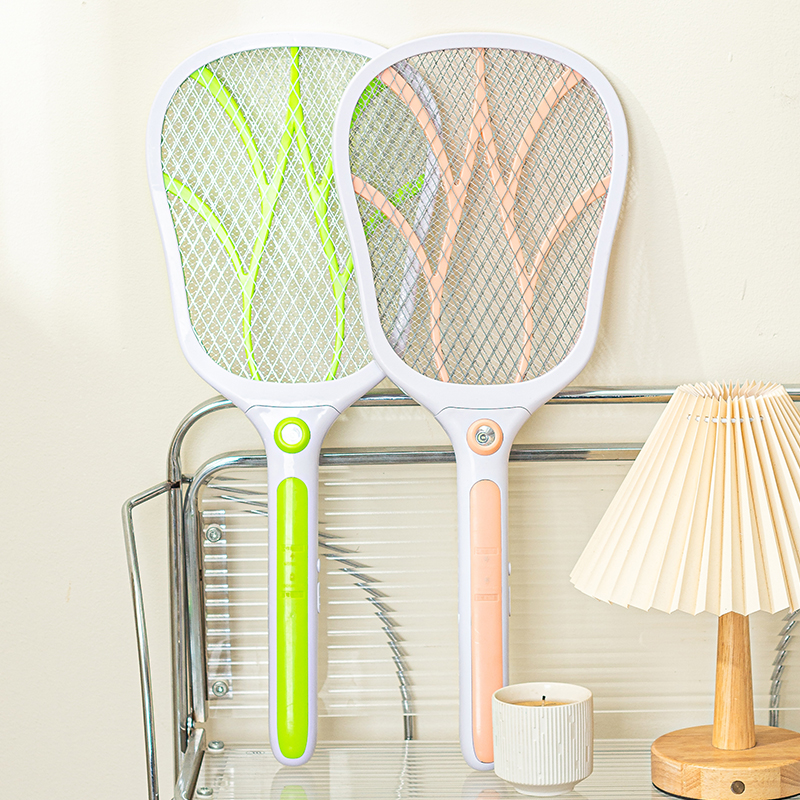
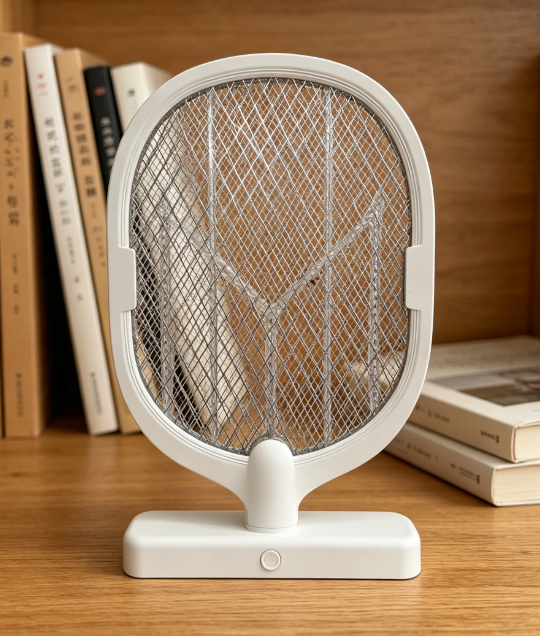
- Household small appliances: Take the electric mosquito swatter commonly used in summer as an example. Its circuit board, power grid connection points, and other parts all require tin soldering. Electric mosquito swatters using environmental tin, first of all, can prevent lead elements from leaching out of traditional lead-containing tin during long-term use (e.g., when damp or exposed to high temperatures). They are especially suitable for families with the elderly and children, eliminating contact health risks. Secondly, electric mosquito swatters are easy-to-wear small household appliances. After being scrapped, if they enter the waste treatment process, environmental tin will not release heavy metals due to disassembly or incineration, reducing pollution to soil and air. In addition, the soldering stability of environmental tin is stronger, which can improve the durability of electric mosquito swatters and reduce resource waste caused by frequent product replacement, making it both environmentally friendly and economical.
Conclusion: Choosing Environmental Tin is Not Just About "Compliance", But Also About Responsibility
The shift from traditional tin to environmental tin may seem like just a material upgrade, but it actually reflects the emphasis on the environment and human health. For enterprises, using environmental tin is an inevitable choice to comply with regulations and enhance product competitiveness. For us ordinary people, purchasing products with environmental tin labels (such as lead-free electronic devices, food in environmental tin cans, and electric mosquito swatters soldered with environmental tin) is also a way to contribute to reducing pollution and protecting the Earth.
Next time you see the "environmental tin" label, you will know: it is not just a metal material, but also an attitude towards "green living".
5 Mosquito-Repellent Plants Suitable for Indoor Cultivation
Revealing the Lifespan of Electric Mosquito Swatters
Related Article

If you’re struggling with annoying mosquitoes, flies, and other flying pests indoors and outdoors, upgrading from traditional manual tools to anElectric Mosquito Swatter is the most efficient solution. Many homeowners and renters search where to buy fly swatter online to find durable, safe, and high-performance electric models that deliver instant pest control.
Where to Buy Fly Swatter
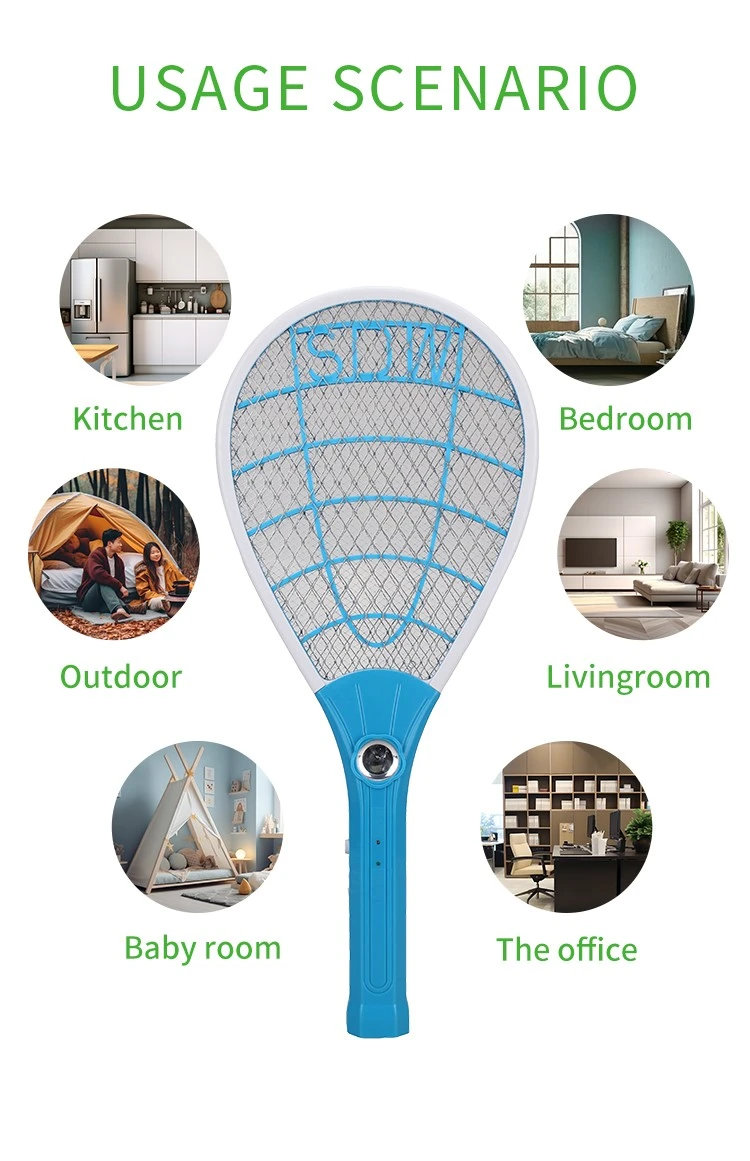
Most importers of electric mosquito swatters obsess over the first order: samples requested, factories vetted, a pre-shipment inspection booked. Then the reorder arrives eight months later and something is off. The grid feels softer. The charge port is a slightly different shade of black. The carton thickness dropped from 350 gsm to 300 gsm. Nothing is catastrophic — but the product no longer matches what your retail customers approved, and quietly, your return rate starts climbing.
How to Keep Mosquito Swatter Quality Consistent Across Repeat Orders
Warranty returns are the silent margin killer in the mosquito control category. A distributor who buys a swatter at $1.80 FOB and retails it at $9.90 can absorb a 1% return rate without noticing — but at 5%, the combined cost of replacement units, reverse logistics, and refund processing erases most of the line's profit.
Common mosquito swatter killer lamp failure modes wholesale spec guide

Digital bathroom scales rank as the second-highest-volume consumer weighing product category, only behind kitchen scales, with distinct market and product characteristics that set them apart from other scale types in importers’ product portfolios.
Digital bathroom body fat-bia-scale wholesale buyers guide