
What is the best electric mosquito swatter
2025-11-13
1. The "Best Electric Fly Swatter" Is Never a Single-Choice Question
When choosing an electric fly swatter, some people focus on the "one-swat kill" power, others prioritize the safety of "being out of children’s reach," and still others need the convenience of "a single charge lasting half a month." The true "best" essentially lies in the "accurate match between needs and performance". After testing multiple popular models, it turns out that a "high-quality" electric fly swatter must meet three core criteria simultaneously:

① Mosquito-Killing Efficiency: Both Active Attraction and Powerful Elimination Must Be Effective
Passively chasing mosquitoes to swat them is a thing of the past. A good electric fly swatter is equipped with a purple mosquito-attracting light with a wavelength of 365-405nm, which uses mosquitoes’ phototaxis to actively lure targets, and is paired with a high-voltage grid of over 2000V to achieve "precise strikes." For example, some high-performance models feature a 3000V high-voltage grid combined with 2mm dense mesh, which can trap even tiny flying insects, achieving a 99.9% mosquito-killing rate.
If you often use it in large spaces like living rooms or bedrooms, it is recommended to choose a model with a swatter surface width of over 18cm to expand the coverage area. For mosquito-dense areas such as balconies and kitchens, prioritize models with adjustable brightness for the mosquito-attracting light to avoid strong light interfering with daily life.
② Safety Protection: Three Layers of Insurance Are the Only Way to Feel Secure
The risk of high-voltage grids cannot be ignored. High-quality products will take thorough protective measures: an outer insulating protective net to prevent finger contact, a dual-trigger mechanism of "safety switch + electric shock button," and the voltage dropping to 0V within 1 second after power-off to eliminate residual electricity.
For families with elderly people or children, it is especially important to choose models with intelligent protection chips—these models can detect human contact and automatically cut off power, significantly enhancing safety. In addition, designs with rounded edges (no sharp corners) and clear anti-slip patterns on the handle can reduce the risk of bumps during use, allowing the elderly to hold it more stably and preventing children from being scratched.
③ Battery Life and Design: Details Determine User Experience
An electric fly swatter with poor battery life is just a "disposable toy." Most mainstream high-quality models have a battery capacity of 1500-2200mAh, which can be used for over 20 days with a 3-hour charge. Some models even feature a detachable battery design, completely solving battery life anxiety.
Furthermore, user-friendly designs such as a Type-C charging port (compatible with mobile phone cables), a 180° reversible swatter head (to reach dead corners on the ceiling), and foldable storage greatly improve practicality and convenience. For renters or families in small apartments, prioritize foldable models with a thickness of less than 5cm after folding—they can be easily tucked into drawer or cabinet gaps. For rural areas or regions with frequent power outages, it is recommended to choose models that support USB emergency power supply, which can be temporarily used with a power bank during power cuts.

2. Practical Tips: 4 Keys to Extend the Lifespan of an Electric Fly Swatter
After choosing the right electric fly swatter, proper use and maintenance can extend its lifespan by 2-3 years. Don’t overlook these details:
① Cleaning Method: "Wipe Gently, Do Not Rinse with Water" After Power-Off
Accumulated mosquito remains can affect the conductivity of the grid. When cleaning, first disconnect the power and wait for 5 minutes to ensure no residual electricity remains. Then, use a dry soft brush to gently brush off the residue on the mesh surface. If there is oil on the mesh, you can wipe it with a damp cloth dipped in a small amount of neutral detergent, and let it dry completely before use. Never rinse the body directly with water, as this may cause a short circuit.
② Charging Taboos: "Unplug When Fully Charged, Do Not Store When Undercharged"
Most electric fly swatters use lithium batteries. Overcharging (more than 8 hours) or long-term storage with low power (stored when the battery level is below 20%) can damage the battery. It is recommended to charge it in time when the battery level is below 30%, and unplug the charger immediately after it is fully charged (indicated by a green light or a "full charge" display). When not in use for a long time, charge it fully before storing, and recharge it every 3 months to prevent battery aging.
③ Usage Notes: Avoid "High-Risk Scenarios"

Try to avoid using it outdoors on rainy days or in humid environments to prevent the grid from getting damp and leaking electricity. Do not touch the grid when it is in operation, and do not swat metal objects or liquids, as this may cause a short circuit or electric shock. When children use it, they must be accompanied by an adult. After use, turn off the power in time and place it at a high place to prevent accidental contact.
3. Pitfall Warning: Never Buy These 3 Types of Electric Fly Swatters, No Matter How Cheap They Are
Finally, here’s the key point: even if a product seems to meet the "three core criteria," avoid these three types at all costs:
❌ Mesh larger than 3mm: Small mosquitoes will escape through the gaps, greatly reducing the mosquito-killing rate. Some low-quality models also have sparse mesh wires that may break, posing safety hazards during use.
❌ Only a single button: Without a safety lock design, the risk of accidental activation by children is extremely high. Moreover, the lack of gear adjustment means you cannot switch between "powerful mosquito killing" and "quiet attraction" modes according to the scenario, resulting in poor practicality.
❌ Products from unlicensed manufacturers: Their circuit designs do not meet standards, which may lead to electric leakage or spontaneous combustion, posing safety risks during use. Additionally, there is no after-sales support—if a fault occurs, it cannot be repaired and will only end up being idle.
Remember: There’s no need to blindly pursue the "most expensive" option. By combining your family’s usage scenarios (whether there are children, whether you hate hassle, and your battery life needs), selecting based on performance parameters, and matching with correct usage and maintenance methods, your electric fly swatter can truly serve its purpose.
What Draws Mosquitoes to Mosquito Traps
Winter Mosquito Swatter Maintenance Guide
Related Article

If you’re struggling with annoying mosquitoes, flies, and other flying pests indoors and outdoors, upgrading from traditional manual tools to anElectric Mosquito Swatter is the most efficient solution. Many homeowners and renters search where to buy fly swatter online to find durable, safe, and high-performance electric models that deliver instant pest control.
Where to Buy Fly Swatter
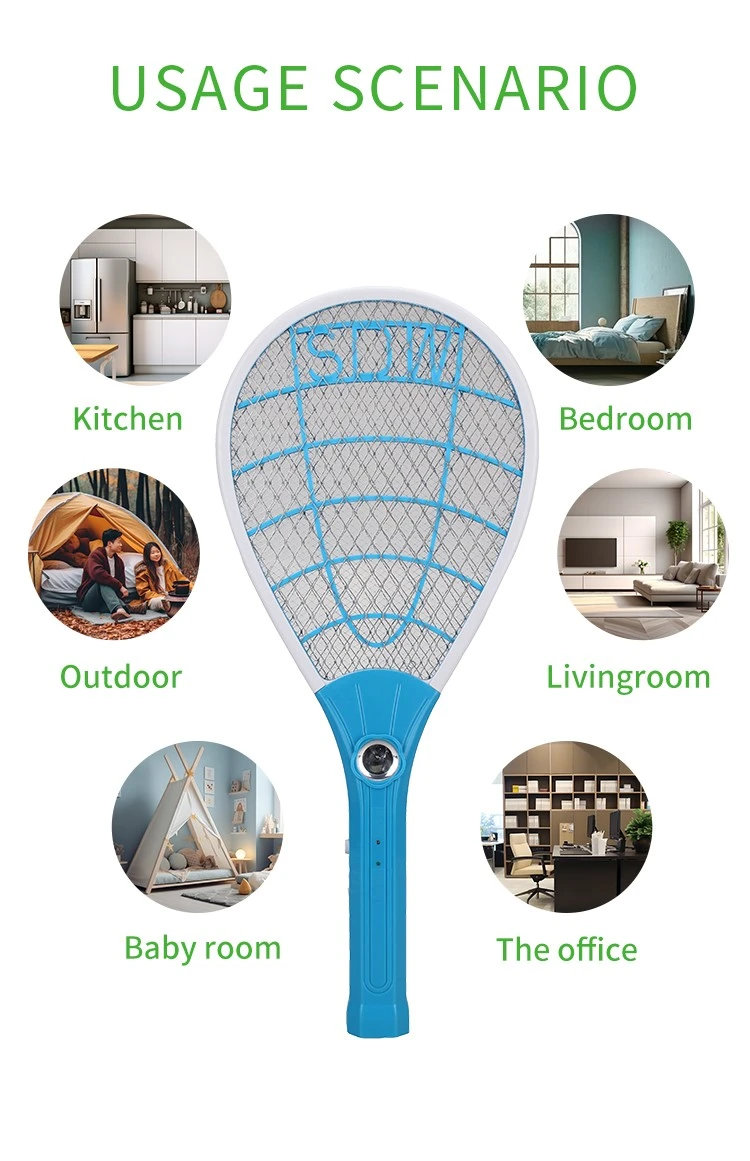
Most importers of electric mosquito swatters obsess over the first order: samples requested, factories vetted, a pre-shipment inspection booked. Then the reorder arrives eight months later and something is off. The grid feels softer. The charge port is a slightly different shade of black. The carton thickness dropped from 350 gsm to 300 gsm. Nothing is catastrophic — but the product no longer matches what your retail customers approved, and quietly, your return rate starts climbing.
How to Keep Mosquito Swatter Quality Consistent Across Repeat Orders
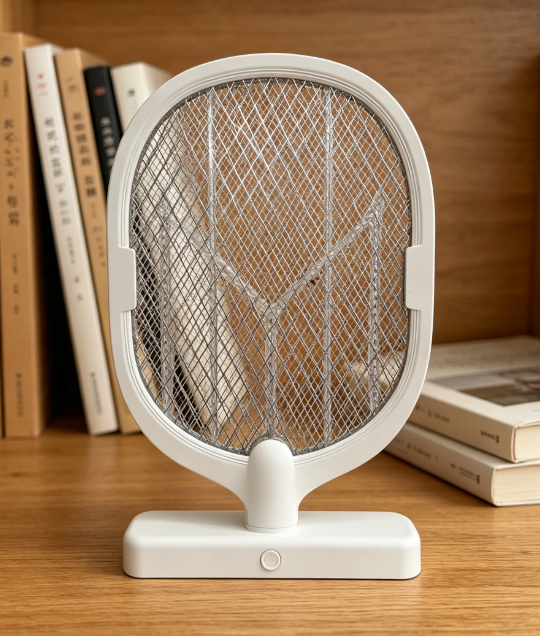
Warranty returns are the silent margin killer in the mosquito control category. A distributor who buys a swatter at $1.80 FOB and retails it at $9.90 can absorb a 1% return rate without noticing — but at 5%, the combined cost of replacement units, reverse logistics, and refund processing erases most of the line's profit.
Common mosquito swatter killer lamp failure modes wholesale spec guide

Digital bathroom scales rank as the second-highest-volume consumer weighing product category, only behind kitchen scales, with distinct market and product characteristics that set them apart from other scale types in importers’ product portfolios.
Digital bathroom body fat-bia-scale wholesale buyers guide