
What is the Best Indoor Mosquito Trap
2025-07-08
What is the Best Indoor Mosquito Trap
Introduction
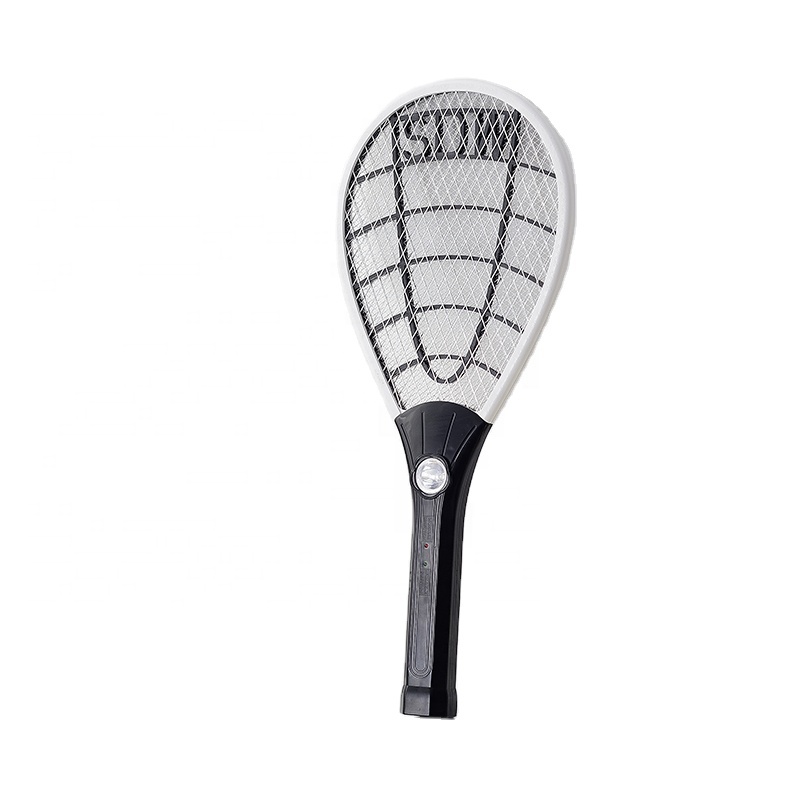
Types of Indoor Mosquito Traps
Mosquito Zappers (Bug Zappers)
Mosquito zappers are electrical devices that use ultraviolet light to attract mosquitoes and other flying insects. When the insects approach the light, they come into contact with an electric grid, which kills them instantly. They are easy to use – simply plug them in and place them in a suitable location. However, their effectiveness indoors can be affected by indoor lighting. If the room is brightly lit, the ultraviolet light from the zapper may be less attractive to mosquitoes. Also, the sound of the electric grid zapping insects can be a minor disturbance for some people.
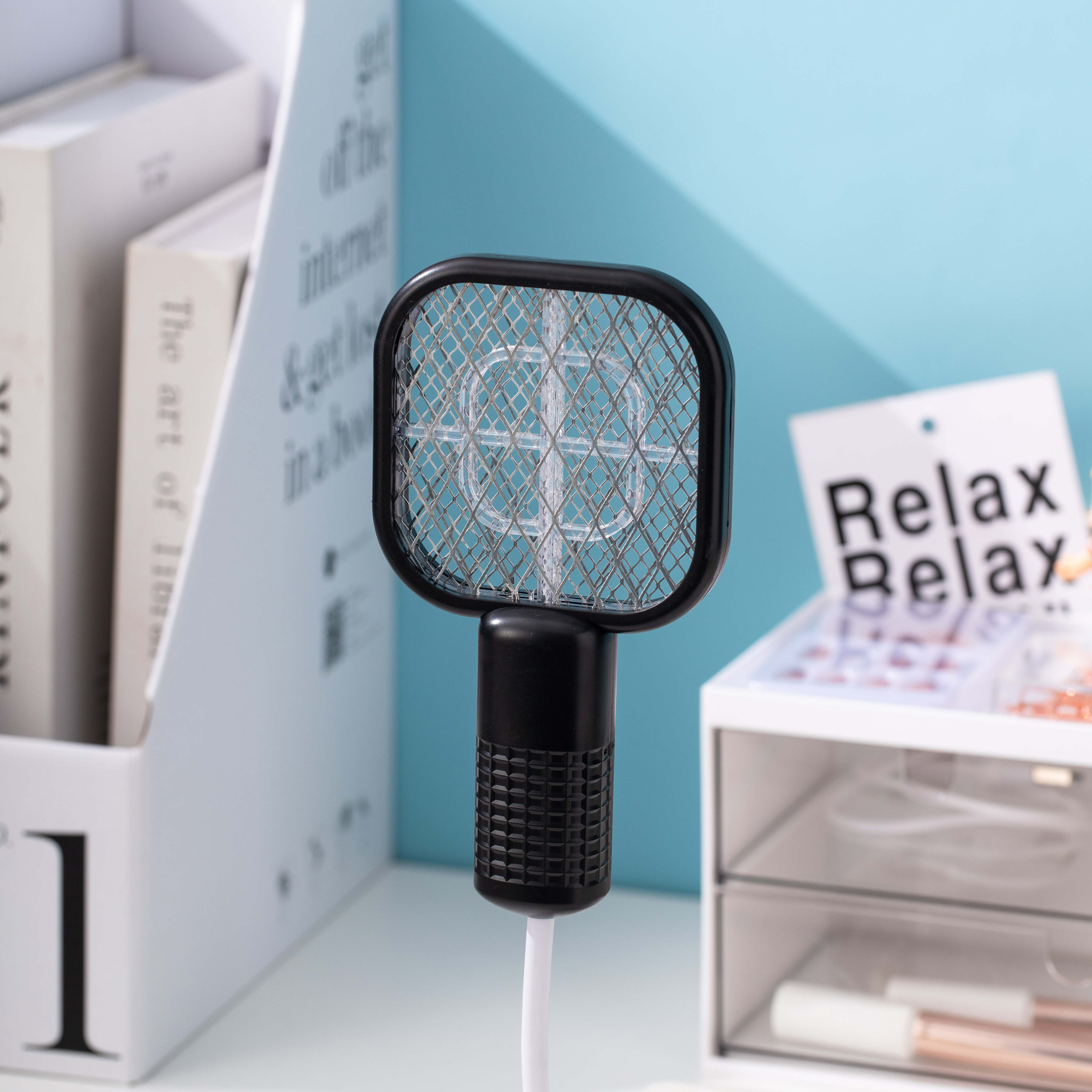
Electric Mosquito Swatters
Electric mosquito swatters are handheld devices that work like a tennis racket. They have an electric grid that delivers a shock when it comes into contact with a mosquito. They are highly effective for targeting individual mosquitoes that are spotted indoors. They don't rely on attracting mosquitoes, so they can be used in any lighting condition. However, they require manual operation, which means you have to actively chase and hit the mosquitoes, which can be time-consuming if there are many mosquitoes.
CO2 Mosquito Traps
CO2 mosquito traps mimic human breath by emitting carbon dioxide, which is a strong attractant for mosquitoes. Some models also combine heat and moisture to make the trap more appealing. These traps are very effective indoors as they specifically target mosquitoes that are looking for a blood meal. They are silent and don't use harmful chemicals, making them a good choice for households with children and pets. The downside is that they are usually more expensive than mosquito zappers and electric mosquito swatters.
Sticky Trap Mosquito Catchers
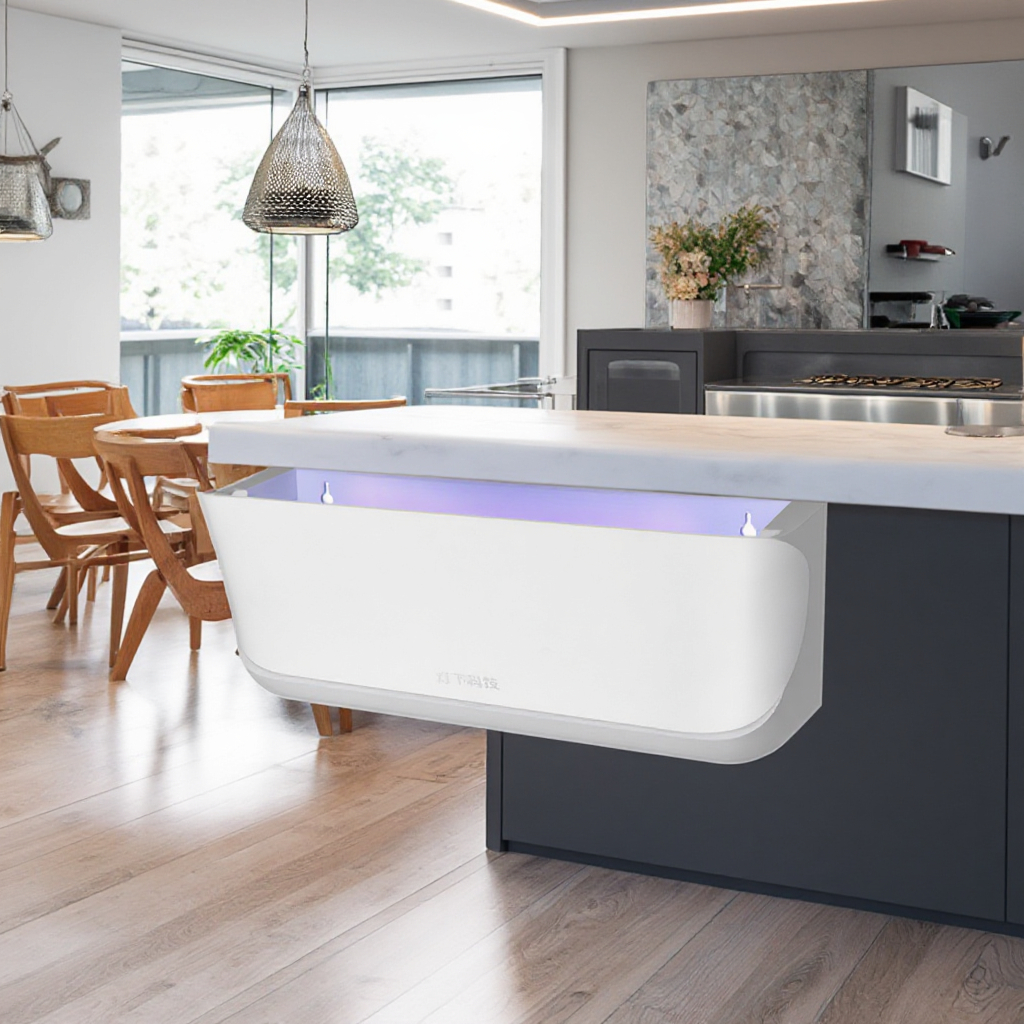
Sticky trap mosquito catchers use a sticky surface, often combined with a mild attractant, to trap mosquitoes. When mosquitoes land on the sticky surface, they get stuck and eventually die. They are safe, quiet, and affordable. However, they have a limited range and can only trap mosquitoes that come into contact with the sticky surface, so their effectiveness is not as high as other types in areas with a lot of mosquitoes.
Factors to Consider for the Best Indoor Mosquito Trap
Effectiveness
The best indoor mosquito trap should have high effectiveness in catching or killing mosquitoes. CO2 mosquito traps tend to be more effective in attracting and trapping a larger number of mosquitoes, especially over a period of time, as they target the mosquitoes' natural attraction to CO2. Mosquito zappers can be effective but are more dependent on light conditions. Electric mosquito swatters are effective for individual mosquitoes but not as efficient for large infestations.
Safety
Safety is a key factor, especially in homes with kids and pets. Sticky traps and CO2 traps are very safe as they don't involve electric shocks or harmful chemicals. Mosquito zappers, while generally safe, have an electric grid that could pose a risk if touched by curious children or pets. Electric mosquito swatters, when not in use, are safe, but during use, there's a small risk of getting a mild shock if touched accidentally.
Convenience
Convenience in use and maintenance is important. Mosquito zappers are convenient as they are plug-and-play, but they need regular cleaning of the electric grid to remove dead insects. Electric mosquito swatters require charging or battery replacement and manual effort. CO2 traps may need refills for the CO2 source, but they operate automatically once set up. Sticky traps are easy to replace but need to be checked and replaced frequently.
Conclusion
After considering the different types and factors, the best indoor mosquito trap depends on specific needs, but CO2 mosquito traps often come out on top. They are highly effective, safe, and operate automatically, making them ideal for long-term indoor mosquito control. Mosquito zappers can be a good alternative if placed in dimly lit rooms, while electric mosquito swatters are great for quick, on-the-spot mosquito elimination. Choosing the right one based on your indoor environment and mosquito situation will ensure a more comfortable and mosquito-free living space.
What is the Best Natural Fly Killer
When Does the Bug Zapper Work Better
Related Article

If you’re struggling with annoying mosquitoes, flies, and other flying pests indoors and outdoors, upgrading from traditional manual tools to anElectric Mosquito Swatter is the most efficient solution. Many homeowners and renters search where to buy fly swatter online to find durable, safe, and high-performance electric models that deliver instant pest control.
Where to Buy Fly Swatter
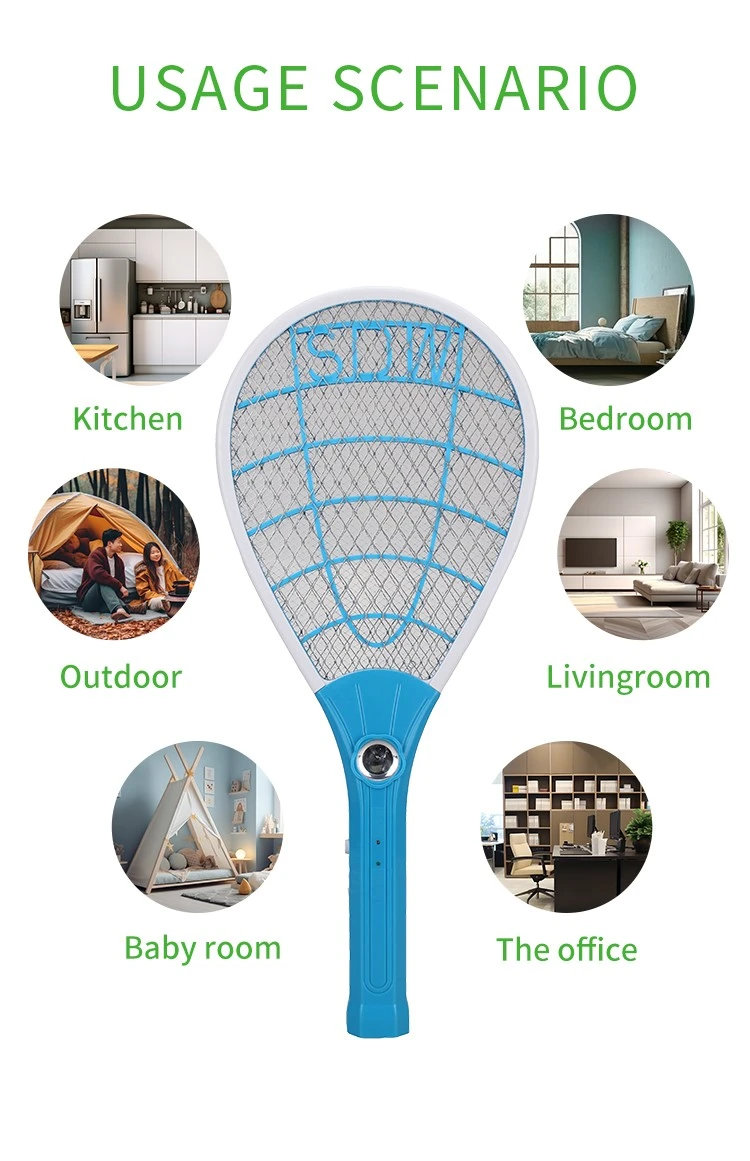
Most importers of electric mosquito swatters obsess over the first order: samples requested, factories vetted, a pre-shipment inspection booked. Then the reorder arrives eight months later and something is off. The grid feels softer. The charge port is a slightly different shade of black. The carton thickness dropped from 350 gsm to 300 gsm. Nothing is catastrophic — but the product no longer matches what your retail customers approved, and quietly, your return rate starts climbing.
How to Keep Mosquito Swatter Quality Consistent Across Repeat Orders
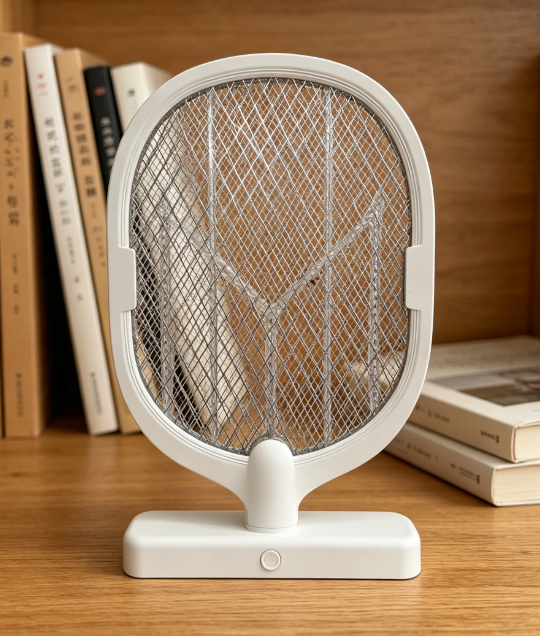
Warranty returns are the silent margin killer in the mosquito control category. A distributor who buys a swatter at $1.80 FOB and retails it at $9.90 can absorb a 1% return rate without noticing — but at 5%, the combined cost of replacement units, reverse logistics, and refund processing erases most of the line's profit.
Common mosquito swatter killer lamp failure modes wholesale spec guide

Digital bathroom scales rank as the second-highest-volume consumer weighing product category, only behind kitchen scales, with distinct market and product characteristics that set them apart from other scale types in importers’ product portfolios.
Digital bathroom body fat-bia-scale wholesale buyers guide