
What Is the Best Method for Mosquito Control
2026-05-12
What Is the Best Method for Mosquito Control? A Complete Guide
Few pests are as annoying and dangerous as mosquitoes. Beyond the itchy bites that ruin outdoor gatherings and disrupt sleep, these tiny insects transmit deadly diseases such as malaria, dengue fever, and Zika virus, affecting billions of people around the world every year. If you’re tired of swatting mosquitoes and want a reliable solution, you might be asking: What is the best method for mosquito control? In fact, there is no one-size-fits-all answer—but the most effective approach is to combine multiple strategies tailored to your environment, budget, and safety needs. Below, we break down the main methods, their pros and cons, and how to use them together for long-lasting results.
Why a Single Method Doesn’t Work
Mosquitoes have a complex life cycle, consisting of four stages: egg, larva, pupa, and adult—each requiring different control tactics. Adult mosquitoes can fly several miles, while their larvae thrive in standing water, even in tiny amounts like a puddle or a forgotten flowerpot saucer. A single method (such as only using mosquito spray or mosquito coils) may target only one stage, allowing the other stages to continue reproducing, leading to a rapid rebound in mosquito populations. The best mosquito control is "integrated pest management": it addresses both the root cause (breeding sites) and adult mosquitoes, while prioritizing the safety of humans, pets, and the environment.
Top Mosquito Control Methods (Ranked by Effectiveness)
Below are the most proven methods, ranked by their effectiveness and practicality for home and outdoor use. We’ll highlight the best scenarios for each method and how to use them together.
1. Source Reduction: The Foundation of Long-Term Control
If you had to choose just one method, source reduction would be the top choice. This approach targets mosquito larvae by eliminating their breeding grounds—standing water—and is the most cost-effective, environmentally friendly, and sustainable strategy available. Mosquitoes only need a small amount of stagnant water to lay eggs, so even the smallest puddles or containers can become breeding hotspots.
How to implement source reduction:
-
Empty and clean birdbaths, flowerpot saucers, and pet water bowls at least once a week.
-
Clear clogged gutters and downspouts to prevent water buildup—these are often overlooked breeding sites.
-
Dispose of unused containers (such as old tires, cans, and plastic bottles) that can collect rainwater.
-
Cover outdoor water storage containers (such as rain barrels) with tight-fitting lids.
-
For larger water features (such as ponds), install a fountain or aerator to keep the water moving—mosquito larvae cannot survive in flowing water. You can also introduce natural predators like goldfish, or use Bacillus thuringiensis israelensis (Bti), a bacteria that kills larvae but is harmless to humans and wildlife.
Pros: Free, environmentally friendly, and prevents new mosquitoes from hatching. Cons: Requires consistent maintenance, especially after rain. It cannot eliminate existing adult mosquitoes, but it stops the population from growing.
2. Targeted Larvicides: For Hard-to-Reach Breeding Sites
Some breeding sites are difficult to eliminate—such as storm drains, stagnant ponds, or tree holes. In these cases, larvicides (chemical or biological agents that kill mosquito larvae) are a safe and effective supplement to source reduction. The most popular and environmentally friendly option is Bacillus thuringiensis israelensis (Bti), which we mentioned earlier. Bti is a naturally occurring bacteria that specifically targets mosquito larvae, breaking down their gut cells and killing them within days without harming beneficial insects like bees or butterflies.
Other larvicides include insect growth regulators (IGRs) such as pyriproxyfen, which disrupt the larvae’s development into adults. These are available in granular or tablet form, making them easy to apply to standing water that cannot be emptied.
Pros: Targets larvae before they become biting adults, safe for non-target species, and long-lasting. Cons: Requires identifying all hard-to-reach breeding sites; overuse can lead to resistance in some mosquito populations.
3. Adult Mosquito Control: For Immediate Relief
Once adult mosquitoes are present, you need methods to reduce their numbers and prevent bites. The best options are safe, targeted, and avoid overusing harsh chemicals.
a. Insecticide Barrier Sprays
Barrier sprays are applied to outdoor surfaces (such as bushes, fences, and walls) where mosquitoes rest during the day. They create a residual barrier that kills mosquitoes on contact for several weeks. Look for sprays containing pyrethroids (such as permethrin or cyfluthrin), which are low-toxic to humans and pets when used as directed. For best results, apply sprays in the early morning or evening when mosquitoes are most active.
Pros: Long-lasting (2–4 weeks), covers large areas, and provides immediate reduction in adult mosquito numbers. Cons: Needs reapplication after rain; overuse can harm beneficial insects if not applied carefully.
b. Mosquito Traps
Traps are a chemical-free way to reduce adult mosquito populations. The most effective traps use carbon dioxide (CO₂) to mimic human breath, attracting mosquitoes before capturing or killing them. These traps work best when placed 10–20 feet away from your home to draw mosquitoes away from you and your family. UV light traps are less effective, as they attract more beneficial insects than mosquitoes.
Pros: Chemical-free, low maintenance, and safe for children and pets. Cons: Takes time to reduce populations (no immediate relief); works best when combined with other methods.
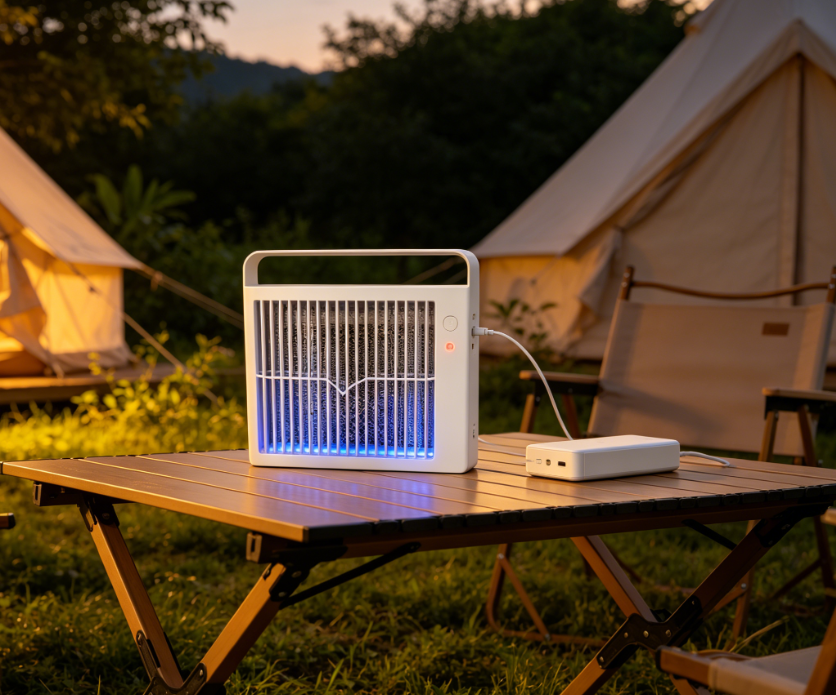
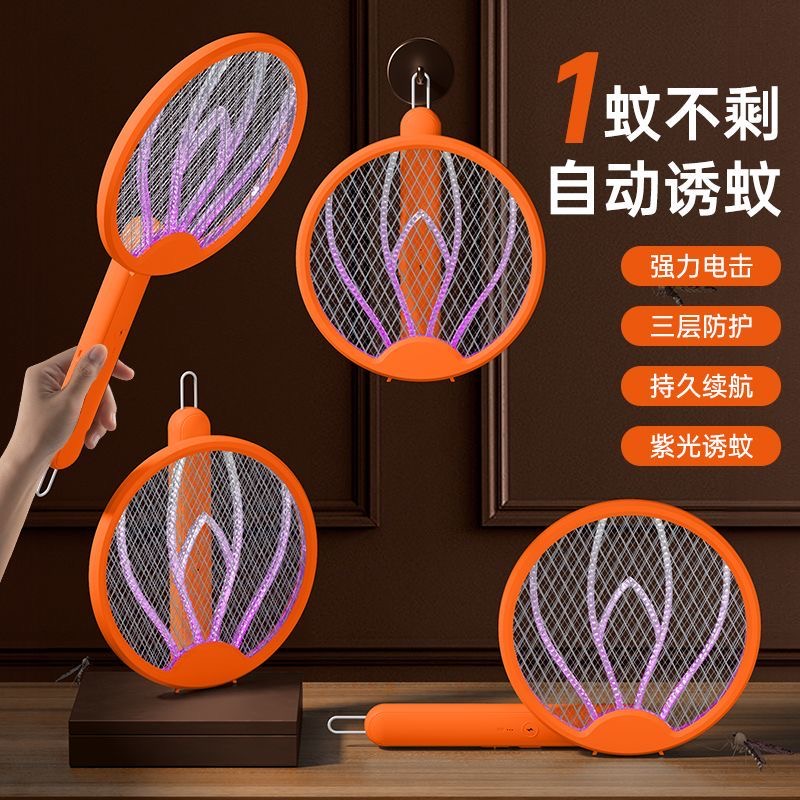
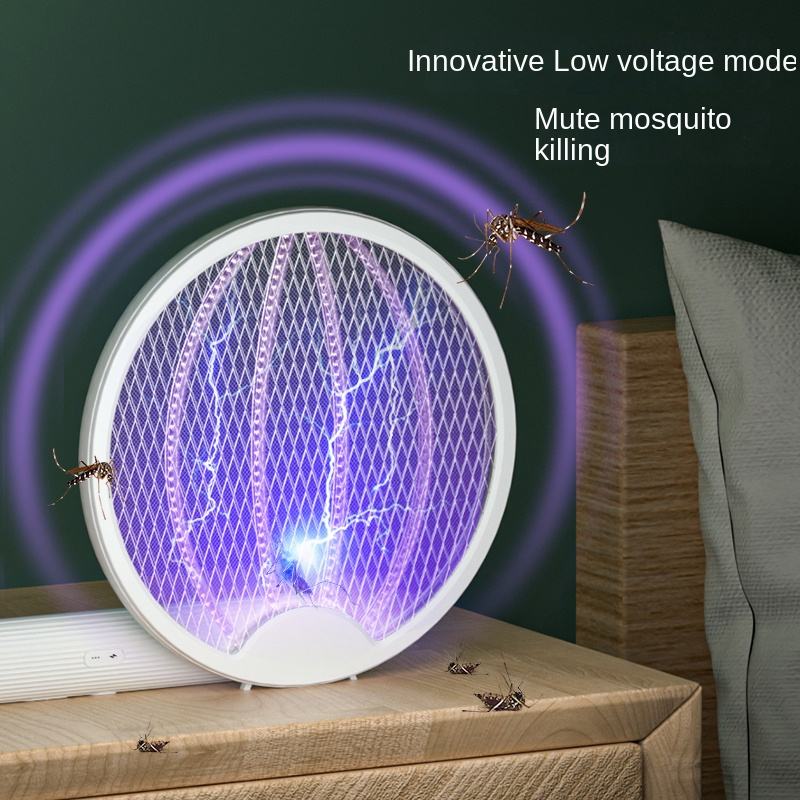
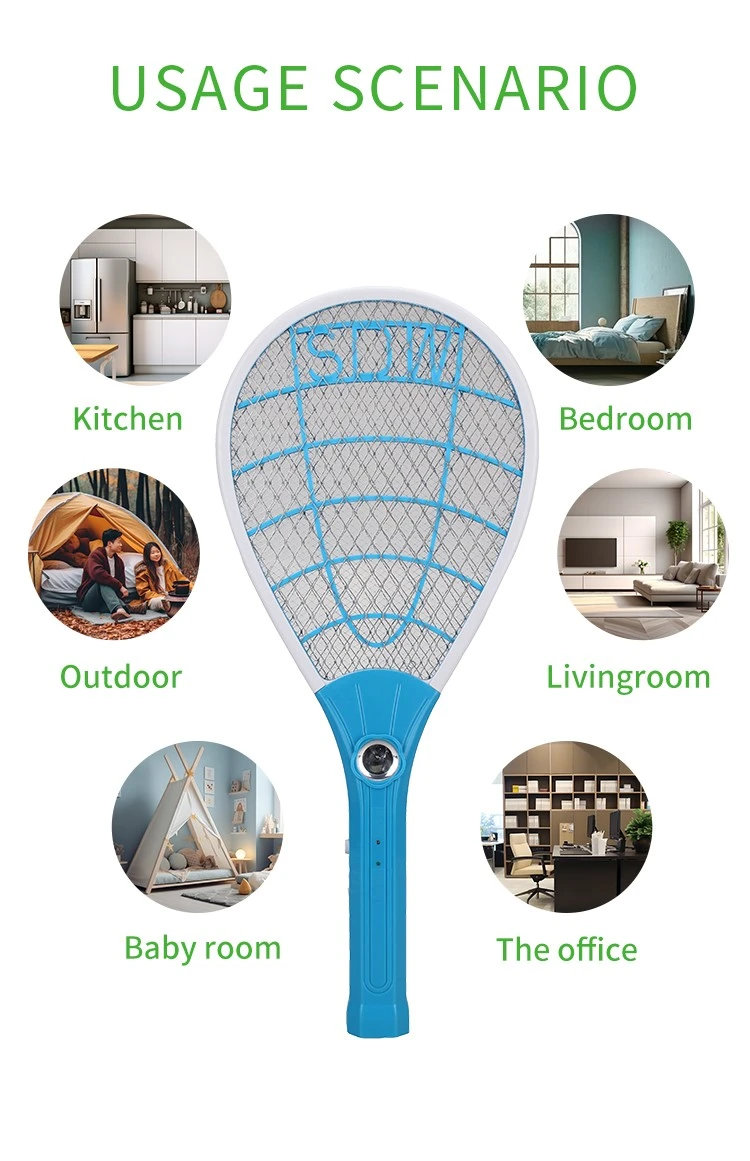
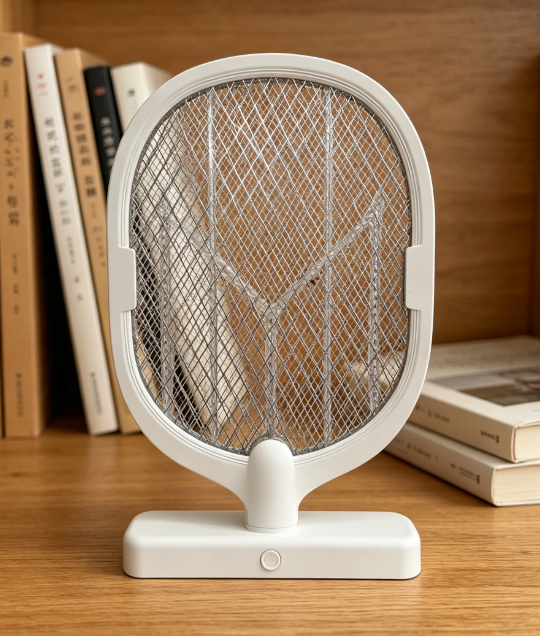
c. Electric Mosquito Swatters and Mosquito Lamps: Ideal for Indoor Immediate Control
Electric mosquito swatters and mosquito lamps are common physical mosquito control tools for indoor use, requiring no chemicals. They are suitable for quickly killing adult mosquitoes indoors, especially when mosquitoes are active at night, effectively reducing indoor mosquito interference and improving living comfort.
Tips for using electric mosquito swatters: Choose an electric swatter with a safe voltage. When in use, wave it gently at flying mosquitoes and clean the residual insects on the grid in a timely manner after killing; keep it away from children and store it at a high place; regularly check if the grid is intact to avoid electric leakage. Its advantages are immediate killing, simple operation, and quick relief from indoor mosquito bites; its disadvantages are that it requires manual operation, cannot actively attract mosquitoes, and has limited effect on mosquitoes hiding in corners.
Tips for using mosquito lamps (common UV mosquito lamps): Place them in dark, mosquito-active areas indoors (such as corners of bedrooms and living rooms), 1–1.5 meters above the ground, avoiding direct light on the human body or interfering with sleep; regularly clean the mosquito corpses inside the lamp to maintain the mosquito-attracting effect; it is recommended to turn them on at night and off during the day to save electricity. Its advantages are no manual operation, continuous mosquito attraction and killing, quiet operation without disturbing rest; its disadvantages are that UV light has limited attraction to some mosquito species, and long-term use is required to see obvious results, which cannot completely eradicate mosquito populations.
d. Personal Repellents: For On-the-Go Protection
When spending time outdoors, personal repellents are a must. The most effective products are EPA-approved and contain active ingredients such as DEET (10–30% concentration), picaridin, or oil of lemon eucalyptus (OLE). These repel mosquitoes by masking human scent, preventing them from finding and biting you. Apply repellent to exposed skin and clothing, and reapply as directed (usually every 2–4 hours).
Pros: Portable, provides immediate protection, and safe when used correctly. Cons: Does not reduce the overall mosquito population—only protects the person wearing it.
4. Advanced Methods: For Severe Infestations or Public Health Settings
For large-scale infestations or areas prone to mosquito-borne diseases, more advanced methods may be necessary. These are usually used by professionals or public health agencies:
-
Wolbachia Treatment: This innovative method uses a naturally occurring bacteria (Wolbachia) to infect mosquitoes, preventing them from transmitting diseases such as dengue and Zika. When infected male mosquitoes mate with wild female mosquitoes, their offspring do not survive, gradually reducing the mosquito population. A 2021 study in Jakarta found that releasing Wolbachia-infected mosquitoes reduced dengue cases by 77%.
-
Transgenic Mosquitoes: Lab-engineered male mosquitoes carry a "self-limiting" gene that kills their offspring before they reach adulthood. When released into the wild, they mate with female mosquitoes, reducing the population over time. This method is still in the experimental stage but has shown promise in places like Florida and Brazil.
-
Professional Fogging: Fogging uses a fine mist of insecticide to kill adult mosquitoes over large areas. It is typically used during disease outbreaks or severe infestations but must be performed by professionals to avoid overexposure to chemicals and harm to the environment.
The Best Integrated Mosquito Control Plan
As we mentioned earlier, the best method for mosquito control is a combination of strategies. Here’s a step-by-step plan you can implement at home:
-
Start with Source Reduction: Spend 10–15 minutes each week checking your yard for standing water and eliminating it. This is the most important step to prevent new mosquitoes from hatching.
-
Use Larvicides for Hard-to-Reach Areas: Apply Bti tablets or granules in ponds, storm drains, or tree holes that cannot be emptied.
-
Apply Barrier Sprays: Treat outdoor surfaces every 2–4 weeks (or after rain) to kill adult mosquitoes resting in your yard.
-
Use Traps, Electric Mosquito Swatters, Mosquito Lamps, and Personal Repellents: Place CO₂ traps away from your home to reduce adult mosquito numbers, use electric mosquito swatters and mosquito lamps to kill active indoor mosquitoes, and use EPA-approved repellents when outdoors.
Key Safety Considerations for Mosquito Control
When choosing mosquito control methods, always prioritize the safety of your family, pets, and the environment:
-
Avoid overusing chemical insecticides—follow the label instructions strictly to prevent harm to beneficial insects, birds, and aquatic life.
-
Keep children and pets away from treated areas until the product is completely dry.
-
Choose natural or low-toxic options (such as Bti, essential oil repellents, CO₂ traps, electric mosquito swatters, and mosquito lamps) whenever possible, especially if you have young children or pets at home.
-
Regularly monitor mosquito activity and adjust your strategy as needed—rainfall, temperature, and season all affect mosquito populations.
Conclusion: What’s the Best Method?
There is no single "best" method for mosquito control, but the most effective approach is "Integrated Pest Management (IPM)"—combining source reduction, larvicides, and targeted adult control. Source reduction is the foundation (free, environmentally friendly, and addresses the root cause), while larvicides and adult control methods provide immediate relief and long-term protection. For most households, this combination effectively controls mosquito populations and reduces the risk of bites and disease transmission.
Remember: Consistency is key. Mosquito control is not a one-time task—it requires regular maintenance, especially during peak mosquito season (spring and summer). By following the steps outlined above, you can enjoy your outdoor space with peace of mind, free from the annoyance and danger of mosquitoes.
Why Our Electric Mosquito Swatter Factory Still Adopts Manual Packaging
Do Mosquito Lamps Consume a Lot of Electricity
Related Article

If you’re struggling with annoying mosquitoes, flies, and other flying pests indoors and outdoors, upgrading from traditional manual tools to anElectric Mosquito Swatter is the most efficient solution. Many homeowners and renters search where to buy fly swatter online to find durable, safe, and high-performance electric models that deliver instant pest control.
Where to Buy Fly Swatter
Most importers of electric mosquito swatters obsess over the first order: samples requested, factories vetted, a pre-shipment inspection booked. Then the reorder arrives eight months later and something is off. The grid feels softer. The charge port is a slightly different shade of black. The carton thickness dropped from 350 gsm to 300 gsm. Nothing is catastrophic — but the product no longer matches what your retail customers approved, and quietly, your return rate starts climbing.
How to Keep Mosquito Swatter Quality Consistent Across Repeat Orders
Warranty returns are the silent margin killer in the mosquito control category. A distributor who buys a swatter at $1.80 FOB and retails it at $9.90 can absorb a 1% return rate without noticing — but at 5%, the combined cost of replacement units, reverse logistics, and refund processing erases most of the line's profit.
Common mosquito swatter killer lamp failure modes wholesale spec guide

Digital bathroom scales rank as the second-highest-volume consumer weighing product category, only behind kitchen scales, with distinct market and product characteristics that set them apart from other scale types in importers’ product portfolios.
Digital bathroom body fat-bia-scale wholesale buyers guide