
What is the best type of mosquito killer
2025-07-07
What is the best type of mosquito killer?
Mosquitoes are not just annoying pests; they are also carriers of dangerous diseases such as malaria, dengue fever, and Zika virus. Finding the best mosquito killer is crucial for protecting our health and ensuring a peaceful, mosquito - free living environment. With a variety of mosquito - killing options available on the market, including mosquito killer lamps, electric mosquito swatters, chemical sprays, and more, choosing the right one can be a challenge. This blog post will explore different types of mosquito killers to help you determine which one suits your needs best.
Mosquito Killer Lamps: A Passive and Environmentally - Friendly Option

Mosquito killer lamps, also known as insect - attracting lamps, operate based on the principle of phototaxis. They emit ultraviolet (UV) light, which lures mosquitoes and other insects towards them. Once the insects approach the lamp, they face two common fates:
- Electrocution: Many models are equipped with a high - voltage grid surrounding the light source. When mosquitoes come into contact with the grid, they are electrocuted instantly.
- Suction: Some advanced mosquito killer lamps feature a built - in fan. The fan generates a suction force that pulls the attracted mosquitoes into a collection tray, where they die from dehydration or exhaustion over time.
Advantages
- Continuous Operation: Mosquito killer lamps can work 24/7 without the need for constant supervision, providing round - the - clock protection against mosquitoes.
- Wide Coverage: They can cover a relatively large area, making them ideal for outdoor spaces like gardens, patios, and large indoor areas such as living rooms or halls.
- Chemical - Free: Since they don't rely on pesticides or harmful chemicals, mosquito killer lamps are safe for use around children, pets, and the environment.
Disadvantages
- Slower - Acting: Compared to some other methods, mosquito killer lamps may take longer to significantly reduce the mosquito population as they rely on the insects being attracted to the light.
- Limited Effectiveness in Well - Lit Areas: In brightly lit environments, the UV light may not be as effective in attracting mosquitoes.
Electric Mosquito Swatters: A Manual and Immediate Solution
How They Work
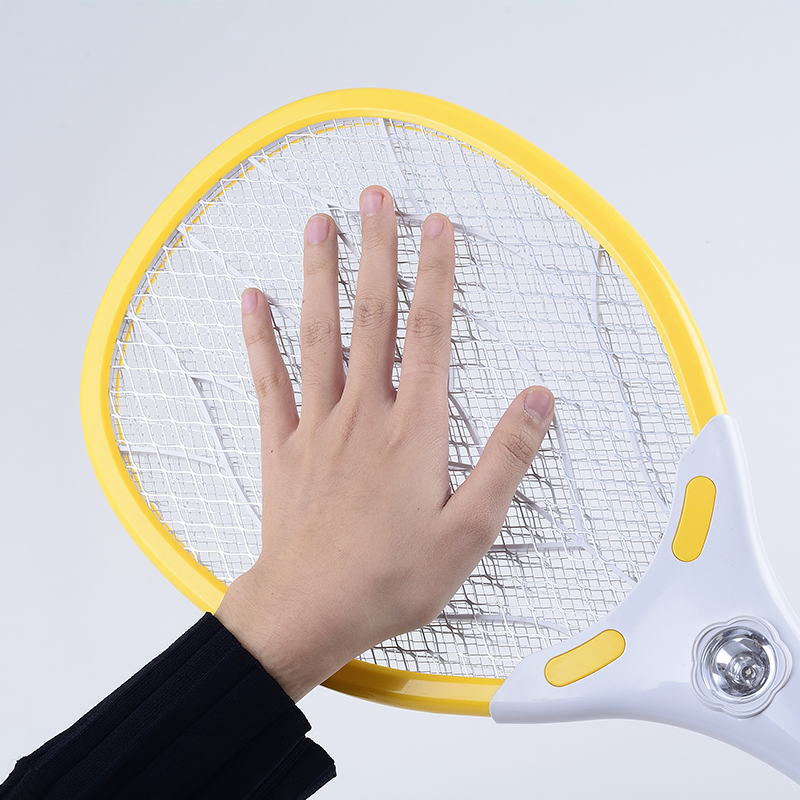
Electric mosquito swatters consist of a mesh - like grid that is charged with electricity. When you spot a mosquito, you simply turn on the swatter and swing it towards the insect. Upon contact, the electric charge electrocutes the mosquito instantly.
Advantages
- Immediate Results: You can eliminate mosquitoes on the spot, providing instant relief from their bites and annoyance.
- Portability: Lightweight and easy to carry, electric mosquito swatters are suitable for use both indoors and outdoors, in various settings like bedrooms, kitchens, camping trips, or during outdoor events.
- Cost - Effective: They are generally more affordable compared to some high - end mosquito - killing devices and require minimal maintenance.
Disadvantages
- Manual Operation: Requires active participation from the user, which can be tiring if there is a large number of mosquitoes.
- Limited Range: Effective only for mosquitoes that are within the reach of the swatter, so it may not be suitable for large - scale mosquito control.
Chemical Mosquito Sprays and Repellents
How They Work
Chemical mosquito sprays contain insecticides that kill mosquitoes on contact. Repellents, on the other hand, create a barrier on the skin or around the area, making it unappealing for mosquitoes to land or bite.
Advantages
- Quick - Acting: Chemical sprays can kill mosquitoes immediately, providing rapid relief.
- Effective in Small Areas: Ideal for treating specific areas, such as a room before going to bed or a small outdoor space where you plan to spend time.
Disadvantages
- Health and Environmental Concerns: The chemicals in these sprays and repellents may be harmful to human health, especially if used excessively or inhaled. They can also have a negative impact on the environment and non - target insects.
- Temporary Effect: The effects of chemical repellents wear off over time, requiring reapplication.
How They Work
Mosquito traps use a combination of attractants, such as carbon dioxide, heat, and certain scents, to lure mosquitoes. Once attracted, the mosquitoes are either trapped in a net or container or killed using various methods like dehydration or electrocution.
Advantages
- Targeted Approach: They specifically target mosquitoes, minimizing the impact on other beneficial insects.
- Long - Term Control: Some mosquito traps can provide long - term mosquito control by continuously attracting and eliminating mosquitoes in the area.
Disadvantages
- Higher Cost: Mosquito traps, especially those with advanced features, can be more expensive compared to other mosquito - killing options.
- Regular Maintenance: Many traps require regular maintenance, such as replacing attractants or emptying the collection container.
Choosing the Best Mosquito Killer for Your Needs
The best type of mosquito killer depends on several factors:
- Usage Area: For large outdoor areas, mosquito killer lamps or mosquito traps may be more suitable. Electric mosquito swatters work well for spot - treating indoors or in small outdoor spaces.
- Safety Concerns: If you have children or pets at home, chemical - free options like mosquito killer lamps or electric mosquito swatters are preferable.
- Budget: Consider your budget when choosing a mosquito killer. Electric mosquito swatters are usually the most affordable, while some advanced mosquito traps can be quite expensive.
- Personal Preference: Some people may prefer the convenience of a passive mosquito - killing method like lamps, while others may feel more in control with a manual option like electric mosquito swatters.
In conclusion, there is no one - size - fits - all answer to the question of what is the best type of mosquito killer. Each type has its own advantages and disadvantages, and the choice depends on your specific circumstances and requirements. By understanding the different options available, you can make an informed decision and enjoy a mosquito - free environment.
Can I Use a Bug Zapper Indoor
Say Goodbye to Pesky Bugs
Related Article

If you’re struggling with annoying mosquitoes, flies, and other flying pests indoors and outdoors, upgrading from traditional manual tools to anElectric Mosquito Swatter is the most efficient solution. Many homeowners and renters search where to buy fly swatter online to find durable, safe, and high-performance electric models that deliver instant pest control.
Where to Buy Fly Swatter

Most importers of electric mosquito swatters obsess over the first order: samples requested, factories vetted, a pre-shipment inspection booked. Then the reorder arrives eight months later and something is off. The grid feels softer. The charge port is a slightly different shade of black. The carton thickness dropped from 350 gsm to 300 gsm. Nothing is catastrophic — but the product no longer matches what your retail customers approved, and quietly, your return rate starts climbing.
How to Keep Mosquito Swatter Quality Consistent Across Repeat Orders

Warranty returns are the silent margin killer in the mosquito control category. A distributor who buys a swatter at $1.80 FOB and retails it at $9.90 can absorb a 1% return rate without noticing — but at 5%, the combined cost of replacement units, reverse logistics, and refund processing erases most of the line's profit.
Common mosquito swatter killer lamp failure modes wholesale spec guide

Digital bathroom scales rank as the second-highest-volume consumer weighing product category, only behind kitchen scales, with distinct market and product characteristics that set them apart from other scale types in importers’ product portfolios.
Digital bathroom body fat-bia-scale wholesale buyers guide