
What is the development history of electric mosquito swatters
2025-12-19
I. Birth Period (1980s-1990s): A "Shocking" Inspiration from Taiwan Inventors
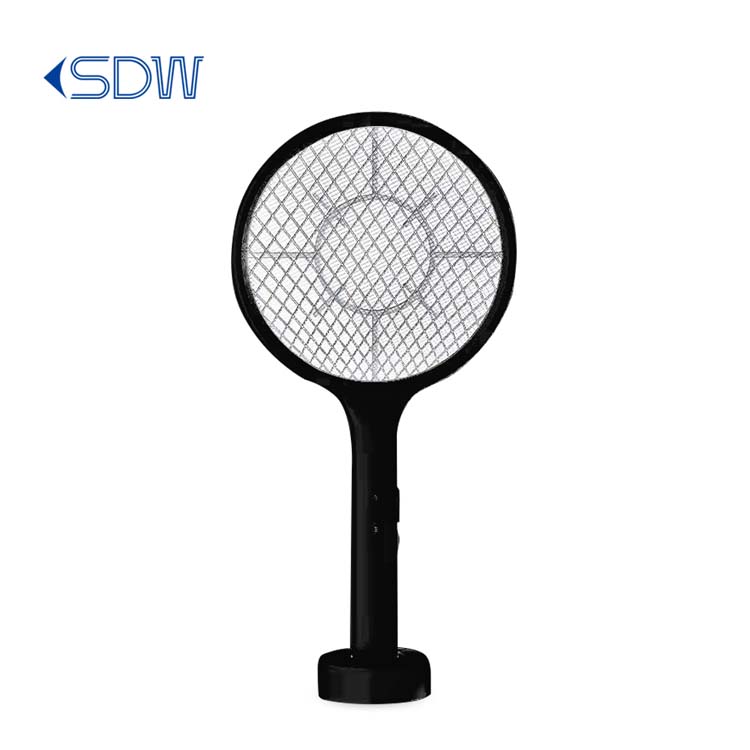
The birth of the electric mosquito swatter embodies the wisdom exchange between inventors across the Taiwan Strait. In the 1980s, Xu Hongzhi, a Taiwanese hardware factory owner, drew inspiration from the principle of high-voltage power grid insect control. In 1988, he created the first prototype of the electric mosquito swatter and applied for a patent. This early product was more like a "handheld high-voltage grid" — its mesh was made of simple metal wires, powered by 4 dry batteries, and weighed over 300 grams, making it tiring to swing.
In 1991, mainland inventor Gan Hancheng launched an improved version and obtained a patent, introducing the "double-layer mesh" design for the first time to reduce the risk of accidental electric shock. During this period, electric mosquito swatters were still a "niche gadget." In 1995, the national market sales volume was only 100 million yuan, with sporadic sales mainly in humid southern regions. Most families still relied on mosquito coils and fly swatters.
II. Iteration Period (2000s-2010s): Charging Revolution and Safety Upgrades
Entering the 21st century, electric mosquito swatters underwent their first "qualitative leap":
- Power Supply Revolution: After 2005, dry battery models were gradually replaced by nickel-cadmium rechargeable ones. Although it took 8 hours to charge for just 2 days of use, the convenience of not changing batteries frequently led to a surge in sales. The market scale exceeded 2 billion yuan in 2008;
- Safety Enhancement: Around 2010, leading brands launched the "three-layer mesh" technology — an outer insulating mesh plus a middle electrode mesh design, which completely solved the problem of stinging from accidental contact. Families with the elderly and children could use it with confidence, and this remains the familiar safe structure we have today;
- Function Expansion: Some high-end models began to add small LED lights, addressing the pain point of "fighting mosquitoes in the dark" at midnight. This design later became a basic configuration.
III. Maturity Period (2010s-Present): Lithium Battery Upgrade + Scene Segmentation
The evolution of electric mosquito swatters in the past decade hides the "code to the 'involution'" of small household appliances:
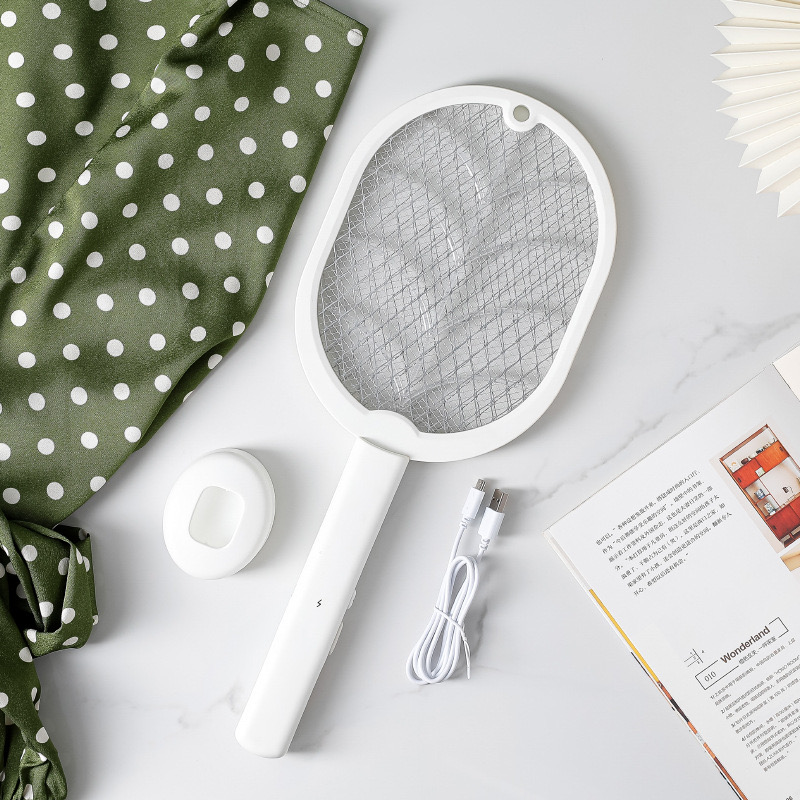
- Battery Upgrade: After 2020, the penetration rate of polymer pouch lithium-ion batteries soared from 31% to 58%. They are 20% lighter than old models, can be used for half a month with 1 hour of charging, and the USB-C port allows emergency charging with a mobile phone charger;
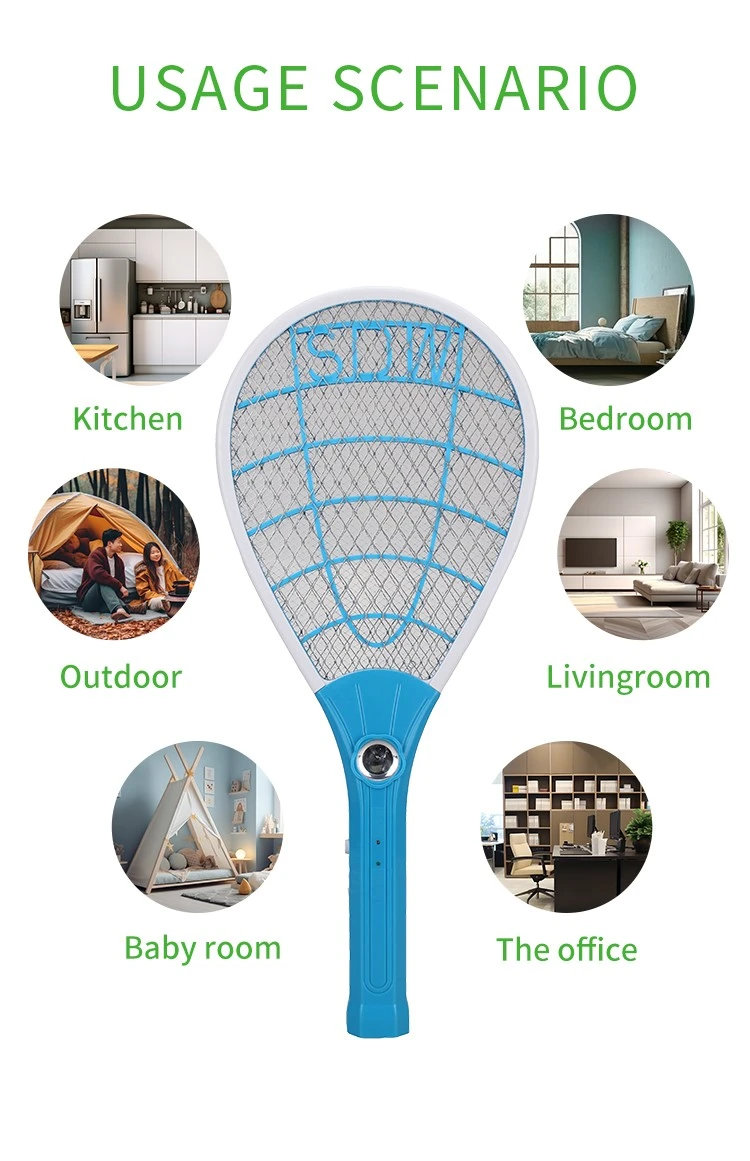
- Scene Specialization: "Long-life models" for camping, "mute models" suitable for baby rooms, and "foldable models" for car use have emerged one after another. As we mentioned earlier, it is no longer just a mosquito-killing tool;
- Market Boom: In 2023, China's electric mosquito swatter output reached 185 million units, of which 62% were rechargeable models. They not only cover the whole country but also are exported to mosquito-borne disease-prone areas such as Southeast Asia and Africa, with an annual export volume of nearly 500 million US dollars.
IV. Future Trends: Intelligence and Environmental Protection
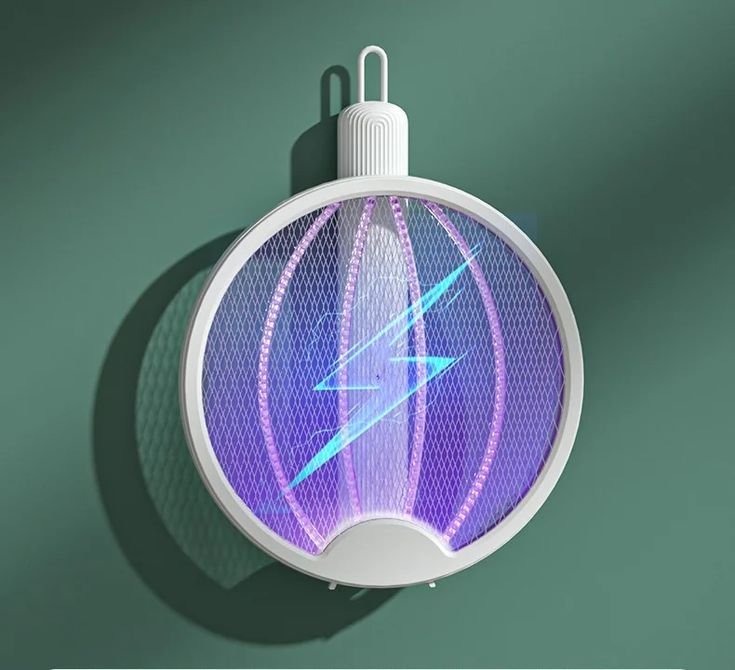
Electric mosquito swatters are still evolving quietly: some brands have launched 2-in-1 models with "mosquito lure lights + electric shock" that can automatically kill mosquitoes at night; other enterprises are trying to make handles from degradable materials in response to environmental protection needs. However, as industry data shows, 76.4% of people value "practicality and safety" the most. Gimmicky functions like "Bluetooth connection" and "APP control" are not as popular as a durable lithium battery.
From the clunky prototype in 1988 to the lightweight and all-purpose model today, the evolution of the electric mosquito swatter is essentially the history of our pursuit of "summer comfort" — it doesn't need to be complicated. Being able to kill mosquitoes accurately and be safe to use is the best direction of evolution.
What are the future development trends of electric mosquito swatters
Is a bug zapper safe to use around my family and pets
Related Article

If you’re struggling with annoying mosquitoes, flies, and other flying pests indoors and outdoors, upgrading from traditional manual tools to anElectric Mosquito Swatter is the most efficient solution. Many homeowners and renters search where to buy fly swatter online to find durable, safe, and high-performance electric models that deliver instant pest control.
Where to Buy Fly Swatter
Most importers of electric mosquito swatters obsess over the first order: samples requested, factories vetted, a pre-shipment inspection booked. Then the reorder arrives eight months later and something is off. The grid feels softer. The charge port is a slightly different shade of black. The carton thickness dropped from 350 gsm to 300 gsm. Nothing is catastrophic — but the product no longer matches what your retail customers approved, and quietly, your return rate starts climbing.
How to Keep Mosquito Swatter Quality Consistent Across Repeat Orders
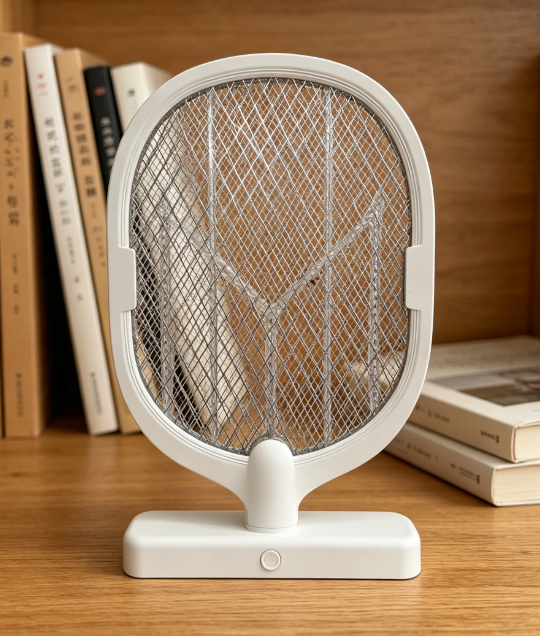
Warranty returns are the silent margin killer in the mosquito control category. A distributor who buys a swatter at $1.80 FOB and retails it at $9.90 can absorb a 1% return rate without noticing — but at 5%, the combined cost of replacement units, reverse logistics, and refund processing erases most of the line's profit.
Common mosquito swatter killer lamp failure modes wholesale spec guide

Digital bathroom scales rank as the second-highest-volume consumer weighing product category, only behind kitchen scales, with distinct market and product characteristics that set them apart from other scale types in importers’ product portfolios.
Digital bathroom body fat-bia-scale wholesale buyers guide