
What is the difference between an insect trapper and an insect zapper
2025-07-22
In daily life, we usually use two common tools, insect trappers and insect zappers, to eliminate pests. Although both can deal with insects, they are significantly different in many aspects. Let's take a detailed look at the differences between them.
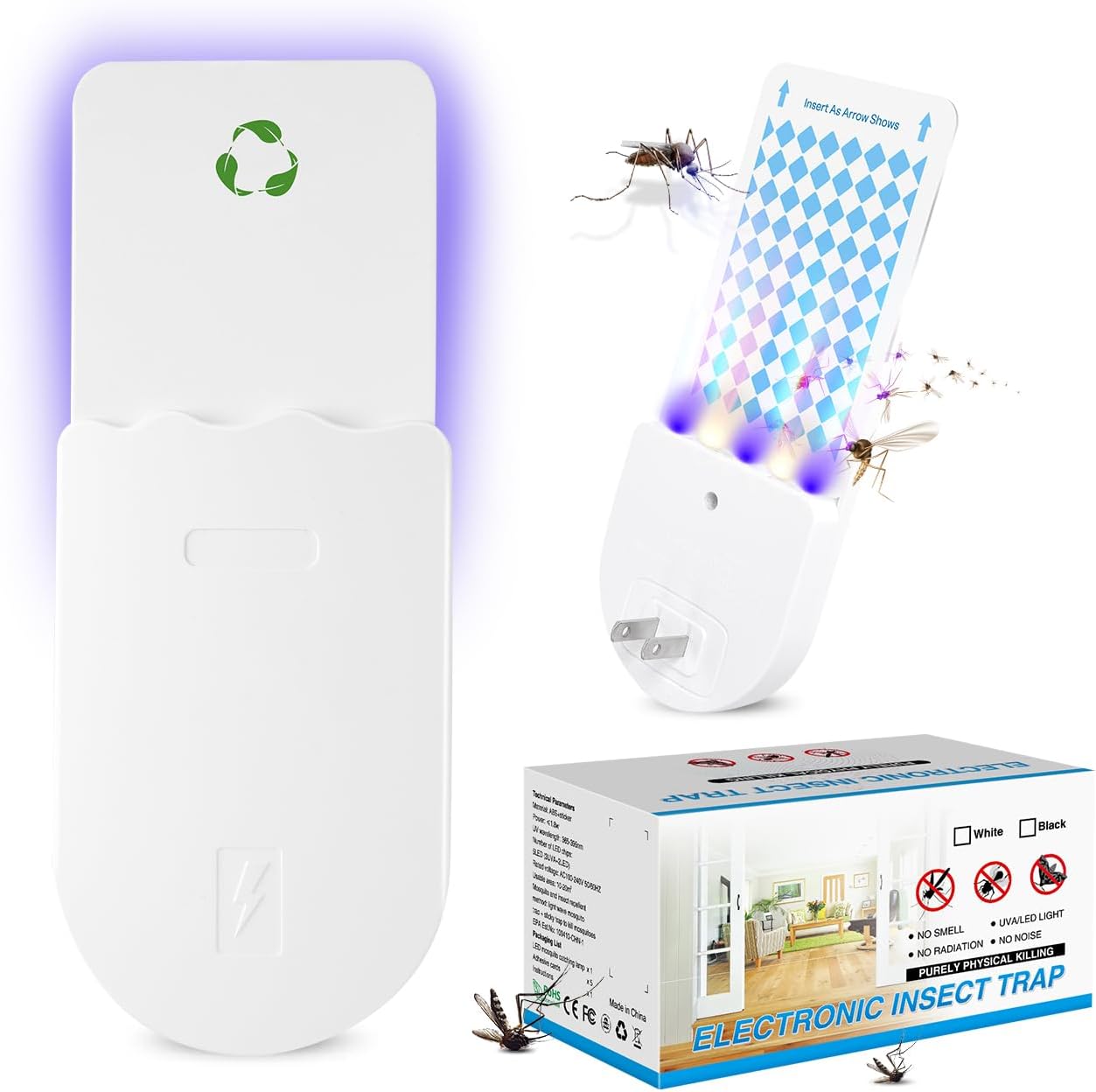
Differences in Working Principles
Insect Trappers
Insect trappers mainly attract insects through lures and then trap them by physical means. The lures are usually scents, foods, etc., that are favored by specific insects. For example, there are apple cider vinegar baits for fruit flies and special baits for cockroaches. When insects are lured over, they get trapped in the device and cannot escape. Eventually, they die from lack of food and water or get stuck on the adhesive in the trap.
Insect Zappers
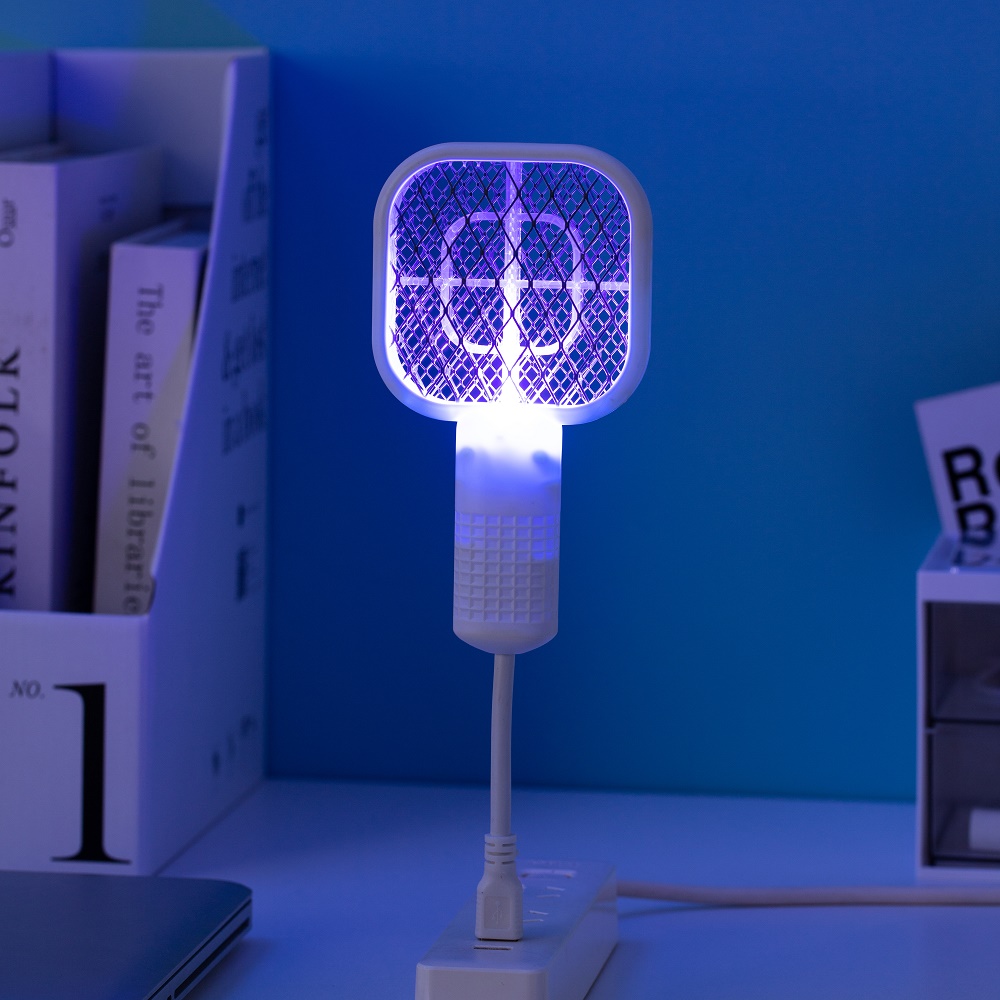
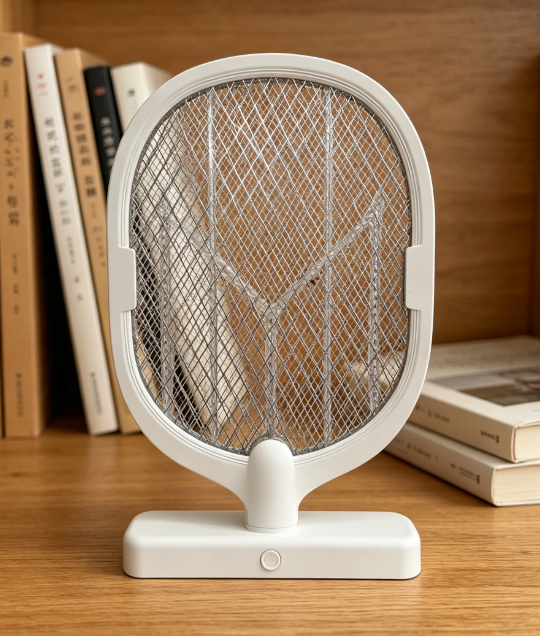
Insect zappers (such as the common electric shock - type zappers) attract insects using light sources like ultraviolet light. When insects fly towards the light source, they come into contact with the high - voltage electric grid inside the device and are instantly electrocuted to death. Their core mechanism is to directly kill insects through the "attraction + electric shock" method.
Differences in Target Insect Types
Insect Trappers
Insect trappers have stronger targeting and are usually used to catch insects that are sensitive to specific scents or foods. For instance, fruit fly trappers are designed to attract fruit flies, cockroach trappers target cockroaches, and there are also trappers specially made to catch ants. They work well on insects with weak phototaxis that rely more on scents to find food.
Insect zappers are more suitable for dealing with insects with strong phototaxis, such as mosquitoes, moths, and some beetles. These insects are attracted by ultraviolet light sources and actively fly towards the zappers, thus being killed by the high - voltage electric grid. However, they are not very effective on insects with weak phototaxis, such as fruit flies and cockroaches.
Differences in Usage Scenarios
Insect Trappers
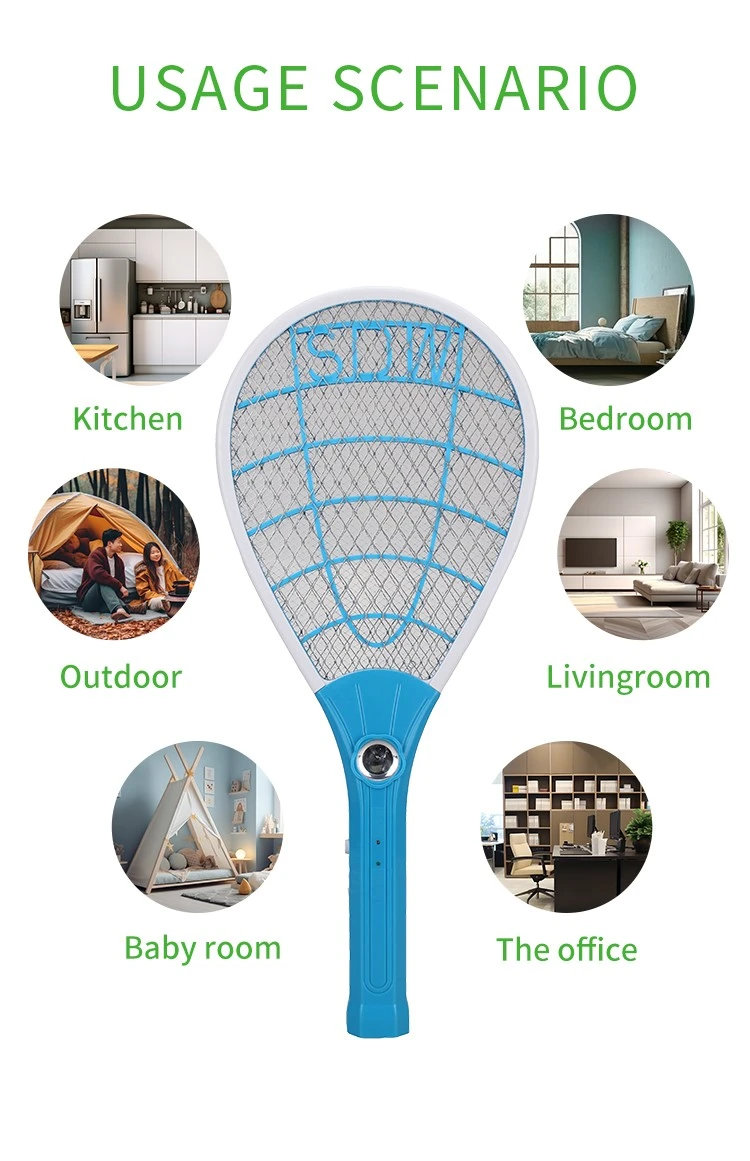
Insect trappers produce no noise or electric shocks, so they are safer to use. They are suitable for families with children and pets, as well as areas related to food, such as kitchens and dining rooms. Since they do not generate electric shock sparks, they can avoid potential safety hazards and do not pose a risk of contaminating food.
Insect Zappers
Insect zappers may produce slight electric shock sounds and sparks during operation. Therefore, they are more suitable for use in relatively open areas far away from food and flammable items, such as living room corners and balconies. In addition, because they rely on light sources to attract insects, they work better in dimly lit environments, while their attractiveness decreases in strong light.
Differences in Environmental Impact
Insect Trappers
Insect trappers generally catch insects by physical means and do not release chemical substances, so they cause little pollution to the environment. Moreover, some trappers can be reused. You just need to replace the lures or clean the traps, making them more environmentally friendly.
Insect Zappers
Although insect zappers themselves do not release chemical substances, when they electrocute insects, insect body fragments may be produced. These fragments, if scattered in the air, can have a certain impact on indoor air quality and environmental hygiene. In addition, since most zappers need to be charged and consume electricity, they are slightly less favorable than trappers in terms of energy consumption.
Summary
Insect trappers and insect zappers are significantly different in working principles, target insect types, usage scenarios, and environmental impact. Insect trappers are centered on the "luring + trapping" mechanism, with strong targeting, safety, and environmental friendliness. Insect zappers are based on the "light source attraction + electric shock" mechanism, suitable for insects with phototaxis, and have remarkable effects in specific scenarios. You can choose a suitable pest - control tool by evaluating your own needs!
Electric Fly Swatter Battery Not Charging
Does this bug zapper kill fruit flies
Related Article

If you’re struggling with annoying mosquitoes, flies, and other flying pests indoors and outdoors, upgrading from traditional manual tools to anElectric Mosquito Swatter is the most efficient solution. Many homeowners and renters search where to buy fly swatter online to find durable, safe, and high-performance electric models that deliver instant pest control.
Where to Buy Fly Swatter
Most importers of electric mosquito swatters obsess over the first order: samples requested, factories vetted, a pre-shipment inspection booked. Then the reorder arrives eight months later and something is off. The grid feels softer. The charge port is a slightly different shade of black. The carton thickness dropped from 350 gsm to 300 gsm. Nothing is catastrophic — but the product no longer matches what your retail customers approved, and quietly, your return rate starts climbing.
How to Keep Mosquito Swatter Quality Consistent Across Repeat Orders
Warranty returns are the silent margin killer in the mosquito control category. A distributor who buys a swatter at $1.80 FOB and retails it at $9.90 can absorb a 1% return rate without noticing — but at 5%, the combined cost of replacement units, reverse logistics, and refund processing erases most of the line's profit.
Common mosquito swatter killer lamp failure modes wholesale spec guide

Digital bathroom scales rank as the second-highest-volume consumer weighing product category, only behind kitchen scales, with distinct market and product characteristics that set them apart from other scale types in importers’ product portfolios.
Digital bathroom body fat-bia-scale wholesale buyers guide