
What is the difference between purple light and blue light in mosquito killers
2025-09-05
When we are choosing a mosquito killer, we will see some that emit blue light and some that emit purple light. Many people are confused about the differences between these two light sources—purple light and blue light—and wonder which one is more effective for repelling mosquitoes.
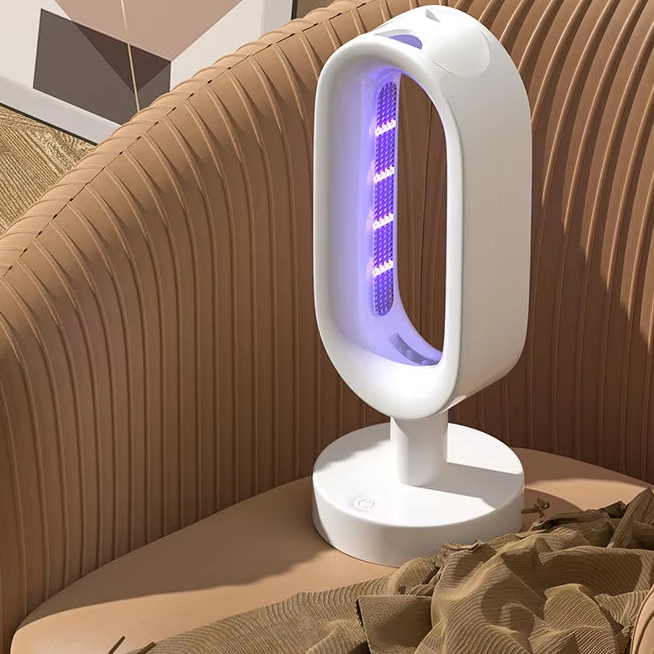
I. Differences in Light Source Nature and Spectrum
Their core light source is mostly UV-A ultraviolet rays (with a wavelength of 320-400nm), which belong to the transition band between invisible light and visible light. The "purple light" seen by the human eye is the weak visible light component of the light source itself. The core advantage of this type of light source is its high spectral matching degree — the compound eyes of blood-sucking insects like mosquitoes are extremely sensitive to the UV-A band. This band can simulate the "moonlight navigation signal" in nature and trigger mosquitoes' phototactic instinct.
They mainly use visible blue light (with a wavelength of 400-480nm), and some products are mixed with a small amount of UV-B band (with a wavelength of 280-320nm). The characteristic of blue light is its strong visual penetration. In brighter environments (such as living rooms and offices), it is more easily detected by mosquitoes. However, its spectral matching degree with the natural phototactic band of mosquitoes is slightly lower than that of UV-A.
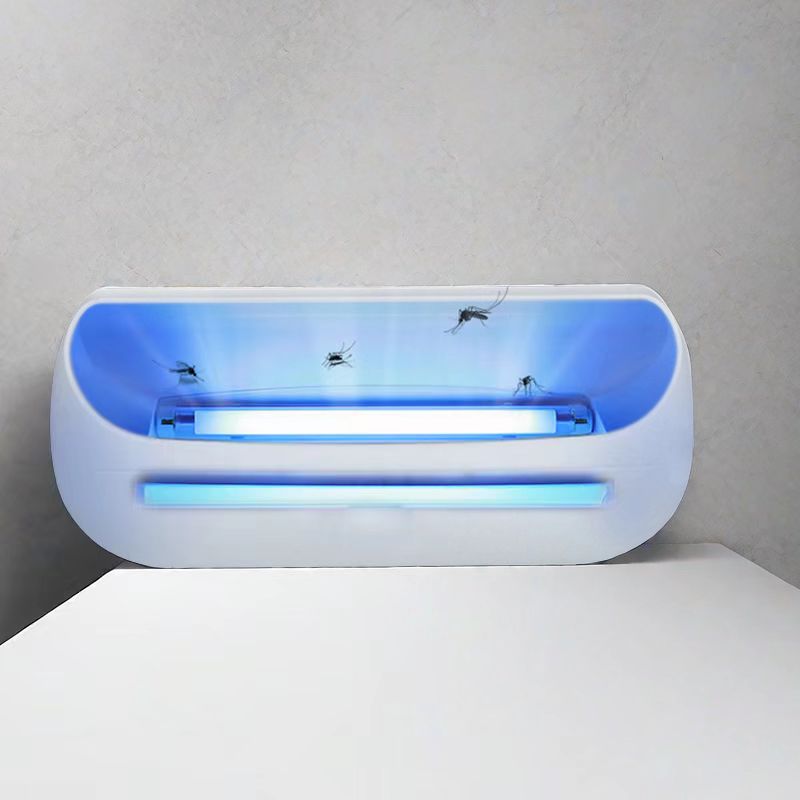
II. Differences in Mosquito-Attracting Principles and Effects
- Purple Light: Simulating Natural Signals with Stronger Targeting
When mosquitoes are active at night, they rely on the UV-A band of moonlight to determine their flight direction. Purple light mosquito killers make use of this biological characteristic to create a "false navigation signal" through the UV-A light source, attracting mosquitoes to approach. Experimental data shows that in dark environments (such as bedrooms and night courtyards), the trapping rate of purple light for common mosquitoes like Culex and Anopheles is 15%-20% higher than that of blue light, and it is particularly more effective for mosquitoes with "weak light avoidance".
- Blue Light: Focusing on Visual Stimulation with Wider Environmental Adaptability
Blue light is visible light. In dimly lit or ambient light environments (such as balconies in the evening and living rooms with lights on), its "visual visibility" is higher than that of purple light. It can stimulate the compound eyes of mosquitoes through strong light, attracting them to fly towards the light source. However, the disadvantage is that some mosquitoes sensitive to light (such as Aedes) may have a "light avoidance reaction" due to the excessive brightness of blue light, resulting in a reduced trapping effect.
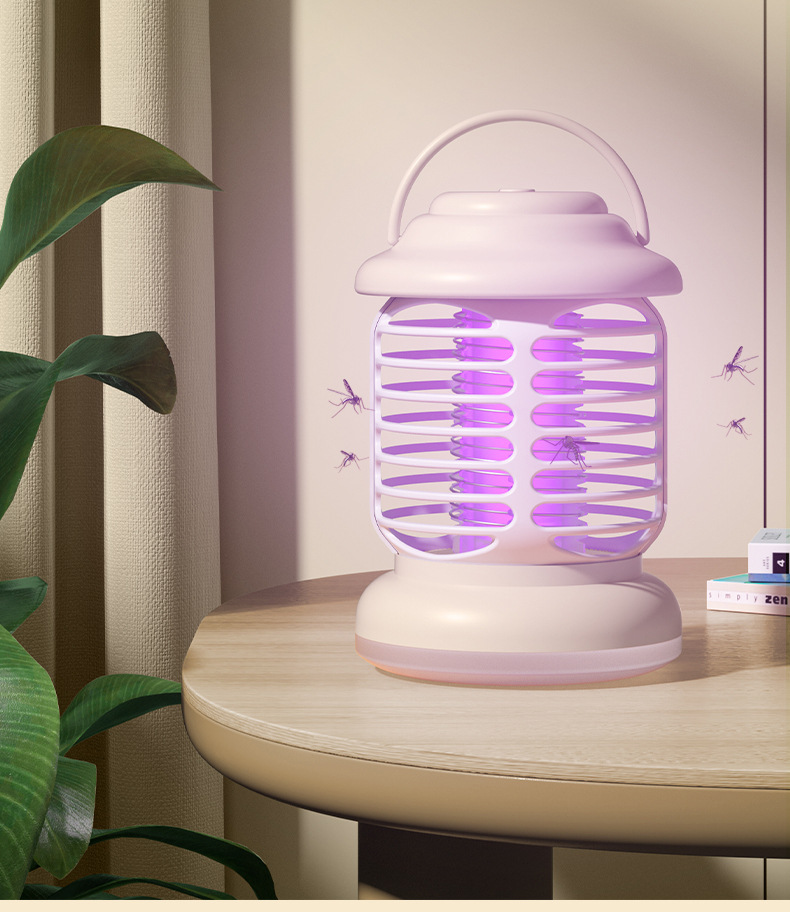
III. Comparison of Applicable Scenarios and Usage Experience
|
Dimension
|
Purple Light Mosquito Killers
|
Blue Light Mosquito Killers
|
|
Applicable Environment
|
Dark, enclosed spaces (bedrooms, bedrooms at night)
|
Dimly lit, semi-open spaces (living rooms, balconies, offices)
|
|
Usage Time
|
Best to turn on before going to bed at night
|
Used in the evening or when lights are on at night, suitable for scenarios with ambient light
|
|
Additional Impact
|
UV-A has no obvious light pollution and little stimulation to human eyes
|
Blue light is relatively bright, and long-term direct exposure may affect sleep (should be kept away from the bedside)
|
|
Matching Functions
|
Suitable for combination with "mute fans" (physical mosquito trapping without noise)
|
Suitable for combination with "power grid electric shock" (strong light + electric shock, with strong warning effect)
|
IV. Purchasing Suggestions: Choose the Right Light Source According to Needs
- Situations Where Purple Light is Preferred
-
- It is mainly used in the bedroom, pursuing "mute + low light pollution";
-
- The living environment is dominated by Culex and Anopheles (common in northern regions);
-
- One is used to turning off all lights before going to bed and relies on the mosquito killer for independent mosquito trapping.
- Situations Where Blue Light is Preferred
-
- It needs to be used in areas with ambient light such as living rooms and balconies;
-
- One prefers "electric shock mosquito killing" (blue light + power grid allows intuitive observation of the mosquito killing effect);
-
- The living environment is dominated by Aedes (tiger mosquitoes), and no other strong lights are turned on at the same time when using.
- Attention to Avoid Pitfalls: Be Alert to "Fake Spectrum" Products
Some low-cost mosquito killers use "purple filters" to pretend to be UV-A light sources, but actually have no ultraviolet output; or use "high-brightness blue light" to cover up the problem of mismatched spectra. When purchasing, you can check the product parameters to confirm whether "UV-A wavelength 365nm" (the golden mosquito-attracting band) is marked, or choose brands with "biological mosquito-attracting certification".
What to Do When Your Electric Mosquito Swatter Light Flickers
What effects do mosquito repellents have on the human body and the environment
Related Article

If you’re struggling with annoying mosquitoes, flies, and other flying pests indoors and outdoors, upgrading from traditional manual tools to anElectric Mosquito Swatter is the most efficient solution. Many homeowners and renters search where to buy fly swatter online to find durable, safe, and high-performance electric models that deliver instant pest control.
Where to Buy Fly Swatter
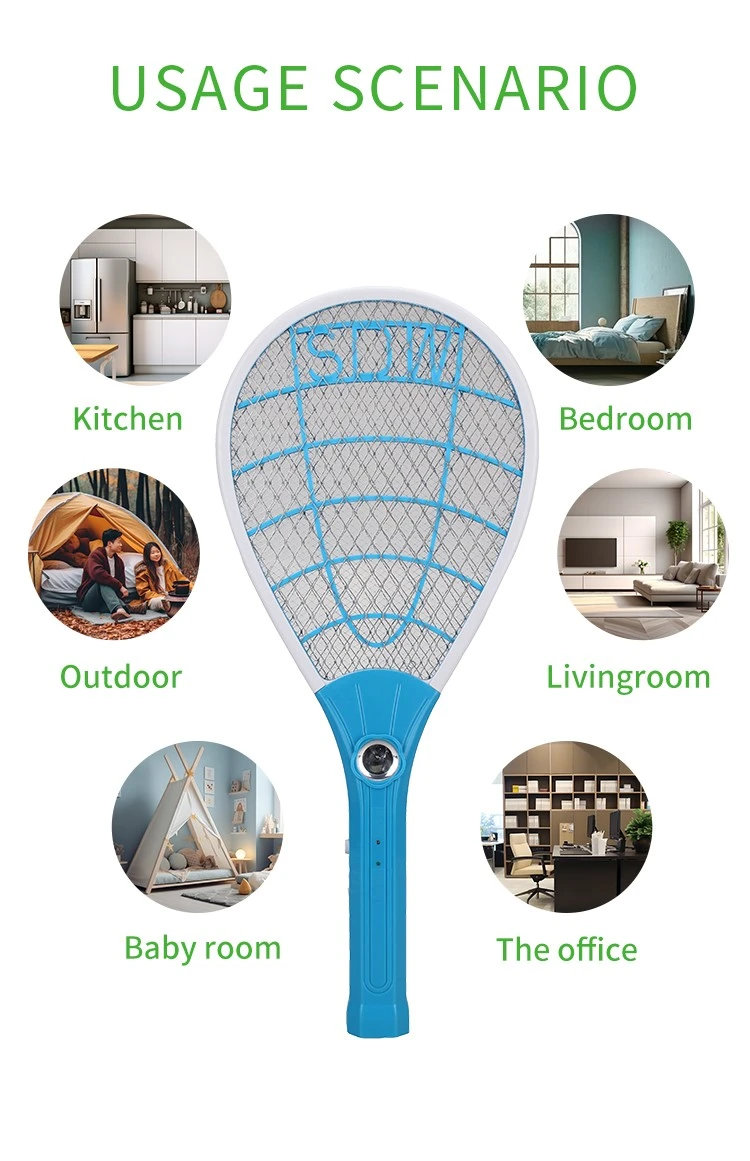
Most importers of electric mosquito swatters obsess over the first order: samples requested, factories vetted, a pre-shipment inspection booked. Then the reorder arrives eight months later and something is off. The grid feels softer. The charge port is a slightly different shade of black. The carton thickness dropped from 350 gsm to 300 gsm. Nothing is catastrophic — but the product no longer matches what your retail customers approved, and quietly, your return rate starts climbing.
How to Keep Mosquito Swatter Quality Consistent Across Repeat Orders
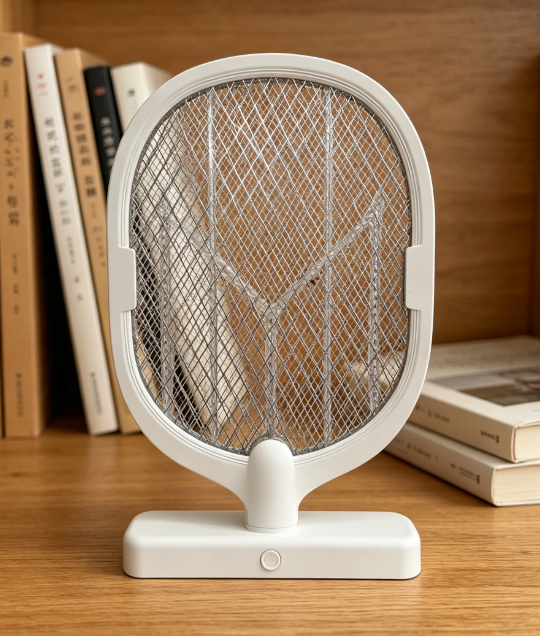
Warranty returns are the silent margin killer in the mosquito control category. A distributor who buys a swatter at $1.80 FOB and retails it at $9.90 can absorb a 1% return rate without noticing — but at 5%, the combined cost of replacement units, reverse logistics, and refund processing erases most of the line's profit.
Common mosquito swatter killer lamp failure modes wholesale spec guide

Digital bathroom scales rank as the second-highest-volume consumer weighing product category, only behind kitchen scales, with distinct market and product characteristics that set them apart from other scale types in importers’ product portfolios.
Digital bathroom body fat-bia-scale wholesale buyers guide