
What is the most effective fly killer
2025-07-02
What is the most effective fly killer
Flies are more than just a nuisance. These pesky insects can carry a wide range of harmful bacteria, viruses, and parasites, which they transfer to our food and surfaces as they land, potentially causing diseases such as food poisoning, dysentery, and cholera. With the health risks they pose, finding the most effective way to get rid of flies becomes a top priority for many. So, what exactly is the most effective fly killer? Let’s take a closer look at several common options.
Physical Traps

Fly paper is a classic and straightforward physical fly - killing solution. Coated with a sticky adhesive, it attracts flies with its sweet smell or bright color. Once a fly lands on the paper, it gets stuck and eventually dies. Fly paper is easy to use and can be hung in areas where flies are commonly seen, like kitchens or near trash bins. However, it can be messy, especially when multiple flies get trapped, and its effectiveness may decrease over time as the adhesive dries out.
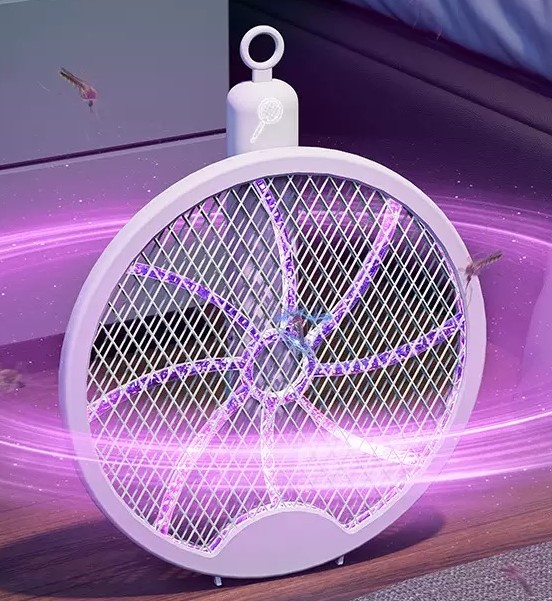
Similar to electric bug zappers for mosquitoes, electric fly zappers use UV light to attract flies. When the flies come into contact with the electrified grid, they are electrocuted. These zappers are effective in killing flies in a large area and are often used in commercial settings like restaurants and food processing facilities. But they can also kill beneficial insects and may produce a somewhat unpleasant smell when flies are zapped.
Chemical Insecticides
Aerosol insecticide sprays are a quick - acting option for killing flies indoors. They contain chemicals that are toxic to flies and can eliminate them on contact. When using aerosol sprays, it’s important to spray directly at the flies or in areas where they are likely to rest, such as walls and ceilings. However, these sprays can release harmful chemicals into the air, so proper ventilation and safety precautions, like wearing a mask, should be taken.
Insecticide Baits
Insecticide baits are designed to attract flies with substances they find appealing, such as sugar or protein. Once the flies consume the bait, they ingest the insecticide and die. Baits can be placed in strategic locations around the house or outdoors. They are relatively safe as long as they are kept out of reach of children and pets, but they may take some time to show results compared to aerosol sprays.
Natural and Homemade Remedies
Vinegar Traps
Vinegar traps are a popular homemade solution. The strong smell of vinegar attracts flies, and adding a small amount of dish soap breaks the surface tension of the liquid, causing the flies to sink and drown. To make a vinegar trap, simply pour some vinegar into a container, add a few drops of dish soap, and cover it with plastic wrap. Poke small holes in the wrap to allow the flies to enter. This method is non - toxic and environmentally friendly, making it a great option for households with kids and pets.
Essential Oils
Certain essential oils, like eucalyptus, peppermint, and lemongrass, have natural fly - repelling properties. You can mix a few drops of these oils with water in a spray bottle and use it to spray around windows, doors, and other entry points to keep flies away. While they may not kill flies directly, they act as a natural deterrent and can reduce the number of flies in your living space.
Environmental Prevention
Sanitation
Maintaining good sanitation is crucial in preventing fly infestations. Flies are attracted to food waste, decaying organic matter, and dirty environments. Regularly clean up spills, empty trash bins frequently, and keep your kitchen and dining areas spotless. Make sure to cover food properly and clean pet waste promptly. By removing the sources of attraction for flies, you can significantly reduce their presence.
Sealing Entry Points
Flies can enter your home through small cracks, gaps, and open windows and doors. Seal any openings around windows, doors, pipes, and vents with caulk or weatherstripping. Installing window screens can also prevent flies from getting inside while still allowing fresh air to flow in.
In conclusion, there isn't a one - size - fits - all answer to what is the most effective fly killer. The best approach often combines multiple methods. Physical traps can handle existing fly populations, chemical insecticides can be used for more serious infestations when necessary, natural remedies offer a safer alternative, and environmental prevention is key to long - term fly control. Consider your specific circumstances, the severity of the fly problem, and safety concerns when choosing the right combination of fly - killing strategies.
How Does Diatomaceous Earth Kill Insects
What is the best thing to kill mosquito
Related Article

If you’re struggling with annoying mosquitoes, flies, and other flying pests indoors and outdoors, upgrading from traditional manual tools to anElectric Mosquito Swatter is the most efficient solution. Many homeowners and renters search where to buy fly swatter online to find durable, safe, and high-performance electric models that deliver instant pest control.
Where to Buy Fly Swatter
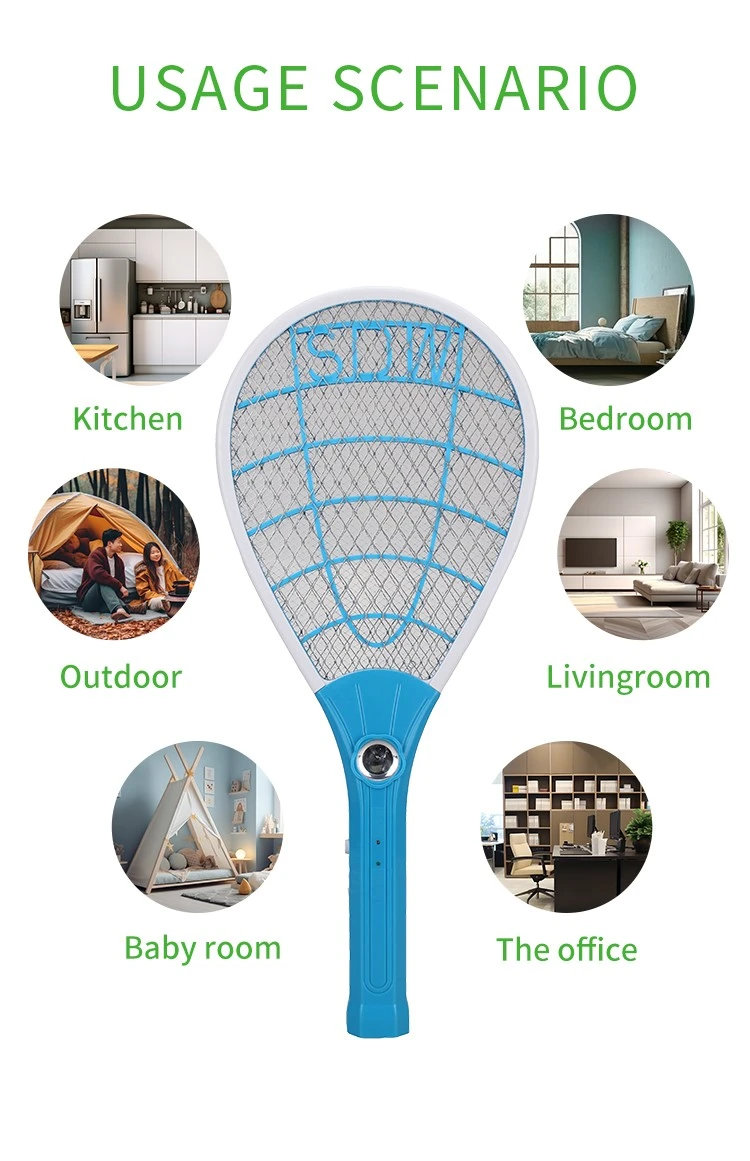
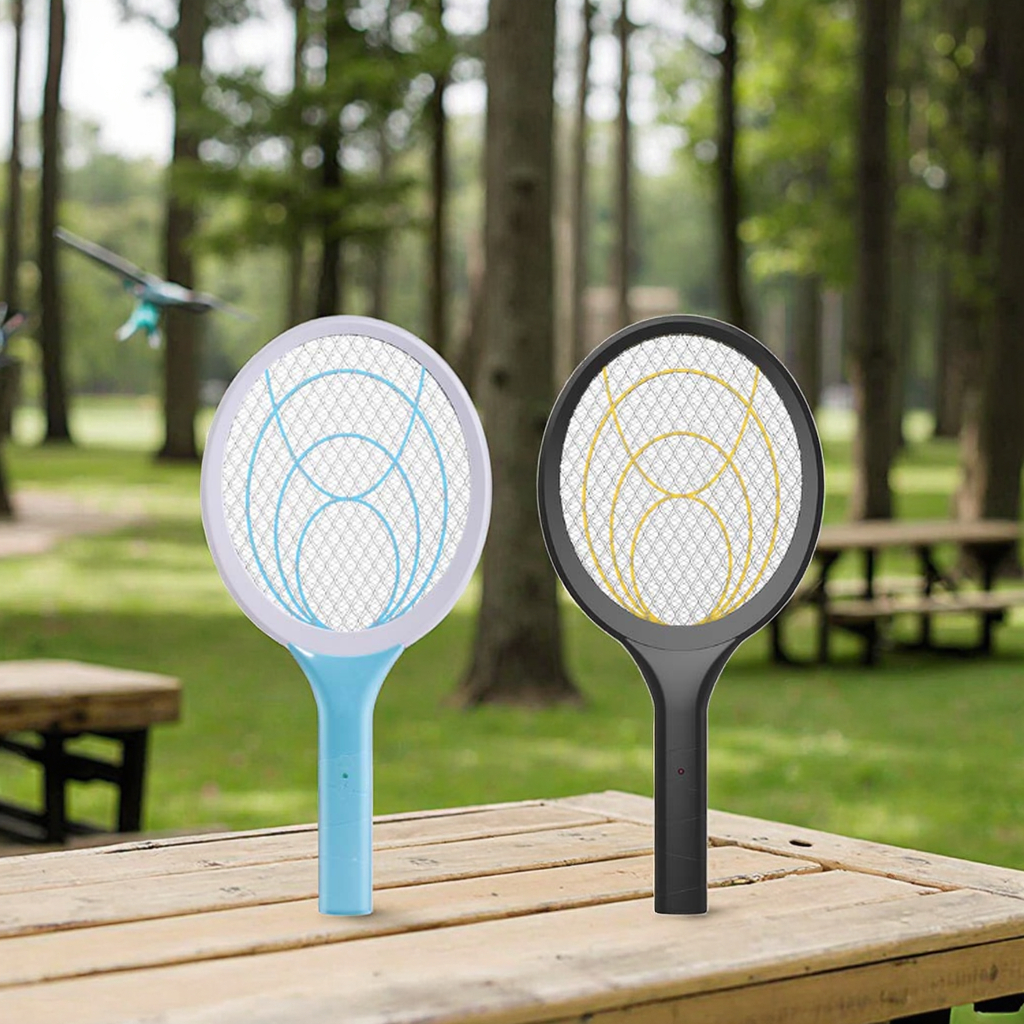
Most importers of electric mosquito swatters obsess over the first order: samples requested, factories vetted, a pre-shipment inspection booked. Then the reorder arrives eight months later and something is off. The grid feels softer. The charge port is a slightly different shade of black. The carton thickness dropped from 350 gsm to 300 gsm. Nothing is catastrophic — but the product no longer matches what your retail customers approved, and quietly, your return rate starts climbing.
How to Keep Mosquito Swatter Quality Consistent Across Repeat Orders
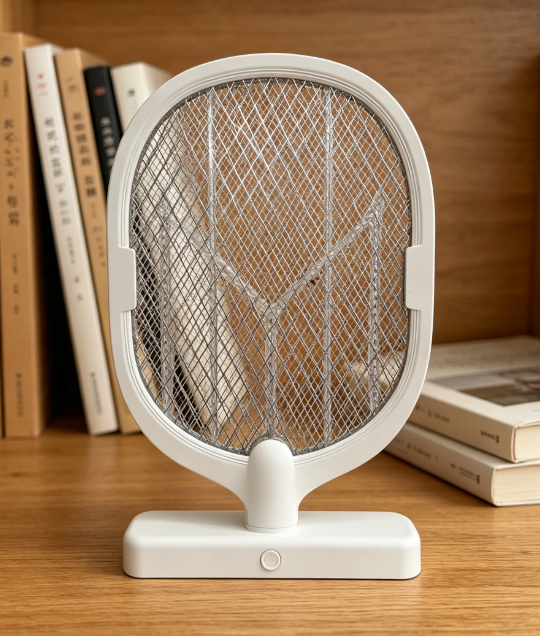
Warranty returns are the silent margin killer in the mosquito control category. A distributor who buys a swatter at $1.80 FOB and retails it at $9.90 can absorb a 1% return rate without noticing — but at 5%, the combined cost of replacement units, reverse logistics, and refund processing erases most of the line's profit.
Common mosquito swatter killer lamp failure modes wholesale spec guide

Digital bathroom scales rank as the second-highest-volume consumer weighing product category, only behind kitchen scales, with distinct market and product characteristics that set them apart from other scale types in importers’ product portfolios.
Digital bathroom body fat-bia-scale wholesale buyers guide