
What is UV Light
2025-05-29
What is UV Light? A Comprehensive Guide
UV light, short for ultraviolet light, is a form of electromagnetic radiation that exists all around us, yet remains invisible to the human eye. It plays various roles in our daily lives, from aiding in vitamin D synthesis in our bodies to causing damage to our skin and eyes if overexposed. Understanding UV light is crucial for making informed decisions about sun protection, skincare, and even certain industrial applications.
The Basics of UV Light
Definition and Discovery
UV light is part of the electromagnetic spectrum, situated between visible light and X - rays. It has a shorter wavelength than visible light, ranging from 10 to 400 nanometers (nm). This type of radiation was first discovered in 1801 by German physicist Johann Wilhelm Ritter. He noticed that silver chloride darkened more rapidly when exposed to the part of the solar spectrum just beyond the violet end of visible light, thus identifying the existence of this “ultraviolet” radiation.
How UV Light is Produced
The sun is the primary natural source of UV light. However, UV light can also be artificially generated through various means. Fluorescent lamps, black lights, tanning beds, and some types of lasers are common artificial sources of UV light. In scientific research and industrial settings, specialized equipment such as mercury - vapor lamps is used to produce UV radiation for specific purposes.
Types of UV Light
UVA (Ultraviolet A)
UVA has the longest wavelength among the three main types of UV light, ranging from 320 - 400 nm. It is able to penetrate deep into the skin, reaching the dermis layer. UVA is present in sunlight throughout the day and is not significantly reduced by cloud cover. It is mainly associated with skin aging, as it can damage collagen and elastin fibers, leading to wrinkles and premature aging. Additionally, UVA is also a contributing factor in skin cancer development.
UVB (Ultraviolet B)
UVB has a shorter wavelength than UVA, ranging from 280 - 320 nm. It is responsible for sunburns and is more intense during the middle of the day and in the summer months. UVB primarily affects the outer layer of the skin, the epidermis. While it is less penetrating than UVA, UVB is a more potent cause of skin cancer, including the most dangerous form, melanoma. It also plays a role in the body’s production of vitamin D when exposed in moderation.
UVC (Ultraviolet C)
UVC has the shortest wavelength, ranging from 100 - 280 nm. Fortunately, almost all UVC radiation from the sun is absorbed by the Earth's ozone layer, so it does not reach the Earth's surface. However, artificially produced UVC is highly germicidal and is often used in applications such as water purification, air disinfection, and sterilization of medical equipment. The short wavelength of UVC allows it to disrupt the DNA and RNA of microorganisms, preventing them from reproducing and rendering them harmless.
Applications of UV Light
In Medicine and Healthcare
In the medical field, UV light is used for various therapeutic purposes. Phototherapy is a common treatment for skin conditions such as psoriasis, eczema, and vitiligo. Controlled exposure to UVB or UVA light can help reduce inflammation and symptoms. Additionally, UVC light is used for sterilization in hospitals to kill bacteria, viruses, and other pathogens on surfaces and in the air, helping to prevent the spread of infections.
In Industry
In the industrial sector, UV light is widely used in processes such as UV curing. This technology is used to quickly dry and harden inks, coatings, and adhesives. For example, in the printing industry, UV - curable inks can be dried instantly, allowing for faster production and higher - quality prints. UV light is also used in non - destructive testing, where it can detect flaws in materials by making certain substances fluoresce under UV illumination.
In Everyday Life
In our daily lives, UV light has several applications. Sunlight, which contains UV rays, helps our bodies produce vitamin D. However, we also use products that protect us from excessive UV exposure, such as sunscreen lotions, sunglasses, and UV - protective clothing. Black lights, which emit UVA, are used for entertainment purposes, such as making fluorescent materials glow at parties or in art installations.
The Risks of UV Exposure
Excessive exposure to UV light can cause a range of skin problems. Sunburn is the most immediate and visible sign of overexposure, characterized by redness, pain, and peeling of the skin. Long - term exposure can lead to more serious issues like skin aging, age spots, and an increased risk of skin cancer. UV rays can damage the DNA in skin cells, leading to mutations that may result in the development of cancerous cells.
Eye Damage
UV exposure can also harm the eyes. It can cause conditions such as photokeratitis, which is similar to a sunburn of the eye, leading to pain, redness, and temporary vision loss. Chronic exposure to UV light is associated with an increased risk of cataracts, a clouding of the eye's lens that can impair vision and may require surgical treatment.
Protection Against UV Light
Sunscreen
Using sunscreen is one of the most effective ways to protect the skin from UV radiation. Look for sunscreens with a high Sun Protection Factor (SPF) that can block both UVA and UVB rays. Apply sunscreen generously to all exposed skin areas, especially before going outdoors, and reapply it regularly, especially after swimming or sweating.
Protective Clothing and Accessories
Wearing protective clothing, such as long - sleeved shirts, pants, and wide - brimmed hats, can provide an additional layer of protection. Sunglasses that block 99 - 100% of UVA and UVB rays can shield the eyes from damage.
Limiting Sun Exposure
Avoiding the sun during peak hours, typically between 10 a.m. and 4 p.m., when UV radiation is the strongest, can significantly reduce the risk of UV exposure. Seek shade whenever possible and use umbrellas to protect yourself from direct sunlight.
In conclusion, UV light is a powerful form of electromagnetic radiation with both beneficial and harmful aspects. By understanding what UV light is, its different types, applications, risks, and how to protect against it, we can make better use of its benefits while safeguarding our health and well - being.
How to Kill Mosquitoes in Your Yard
What Kills Fruit Flies
Related Article

If you’re struggling with annoying mosquitoes, flies, and other flying pests indoors and outdoors, upgrading from traditional manual tools to anElectric Mosquito Swatter is the most efficient solution. Many homeowners and renters search where to buy fly swatter online to find durable, safe, and high-performance electric models that deliver instant pest control.
Where to Buy Fly Swatter
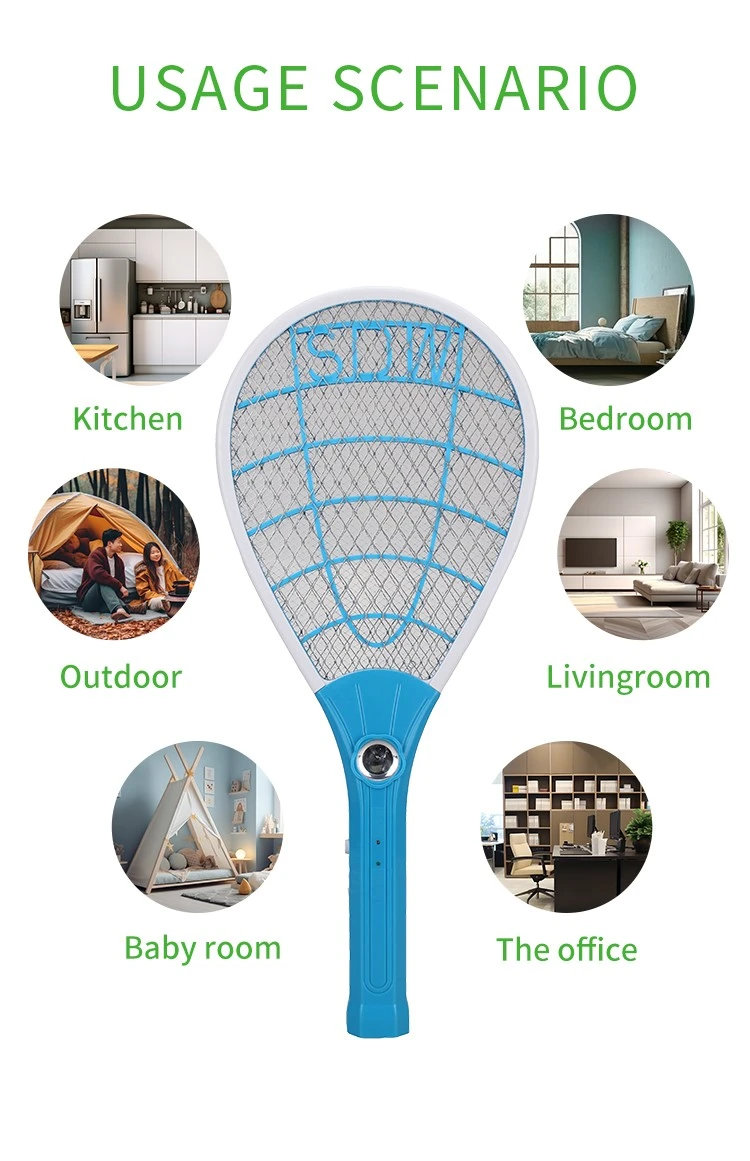
Most importers of electric mosquito swatters obsess over the first order: samples requested, factories vetted, a pre-shipment inspection booked. Then the reorder arrives eight months later and something is off. The grid feels softer. The charge port is a slightly different shade of black. The carton thickness dropped from 350 gsm to 300 gsm. Nothing is catastrophic — but the product no longer matches what your retail customers approved, and quietly, your return rate starts climbing.
How to Keep Mosquito Swatter Quality Consistent Across Repeat Orders
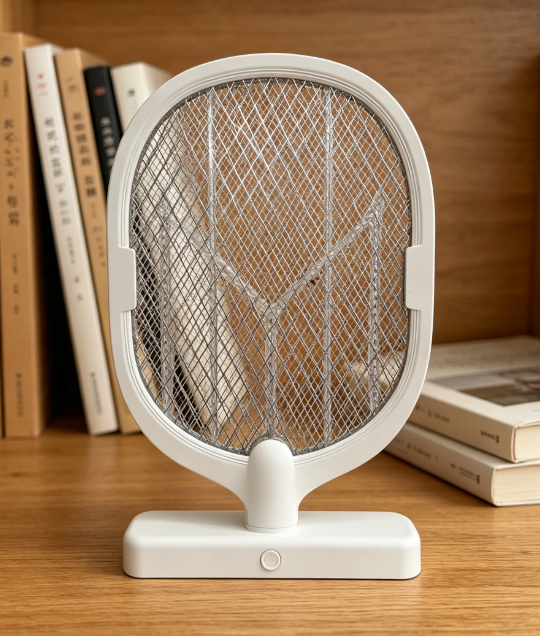
Warranty returns are the silent margin killer in the mosquito control category. A distributor who buys a swatter at $1.80 FOB and retails it at $9.90 can absorb a 1% return rate without noticing — but at 5%, the combined cost of replacement units, reverse logistics, and refund processing erases most of the line's profit.
Common mosquito swatter killer lamp failure modes wholesale spec guide

Digital bathroom scales rank as the second-highest-volume consumer weighing product category, only behind kitchen scales, with distinct market and product characteristics that set them apart from other scale types in importers’ product portfolios.
Digital bathroom body fat-bia-scale wholesale buyers guide