
What Kills Mosquito Larvae
2025-06-24
What Kills Mosquito Larvae? Effective Methods to Eliminate the Threat
Mosquito larvae are not just tiny, wriggling creatures in stagnant water; they are the precursors to a significant health threat. Mosquitoes are vectors for diseases like malaria, dengue, and Zika virus, making the control of their larvae crucial for public health and personal well - being. In this blog, we will explore various methods that can effectively kill mosquito larvae.
Physical Methods
Removing Stagnant Water
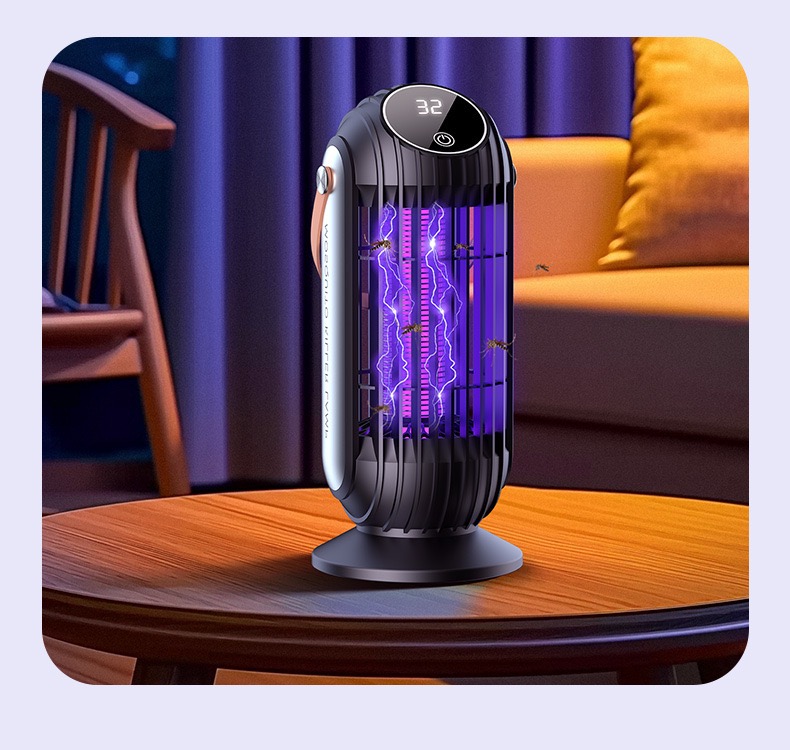
The simplest and most fundamental physical method is to eliminate the breeding grounds of mosquitoes. Mosquitoes lay their eggs in stagnant water, so regularly emptying, cleaning, or covering containers that can hold water, such as flower pots, buckets, and birdbaths, is essential. By removing the water, you prevent the eggs from hatching and the larvae from developing.
Using Mosquito Dunks
Mosquito dunks are small, donut - shaped tablets that contain a bacteria called Bacillus thuringiensis subsp. israelensis (BTI). When placed in standing water, BTI releases toxins that specifically target mosquito larvae. The larvae ingest the toxins, which disrupt their digestive systems and ultimately lead to death. Mosquito dunks are safe for humans, pets, and other wildlife, making them a popular choice for treating small water bodies like rain barrels or decorative ponds.
Chemical Methods
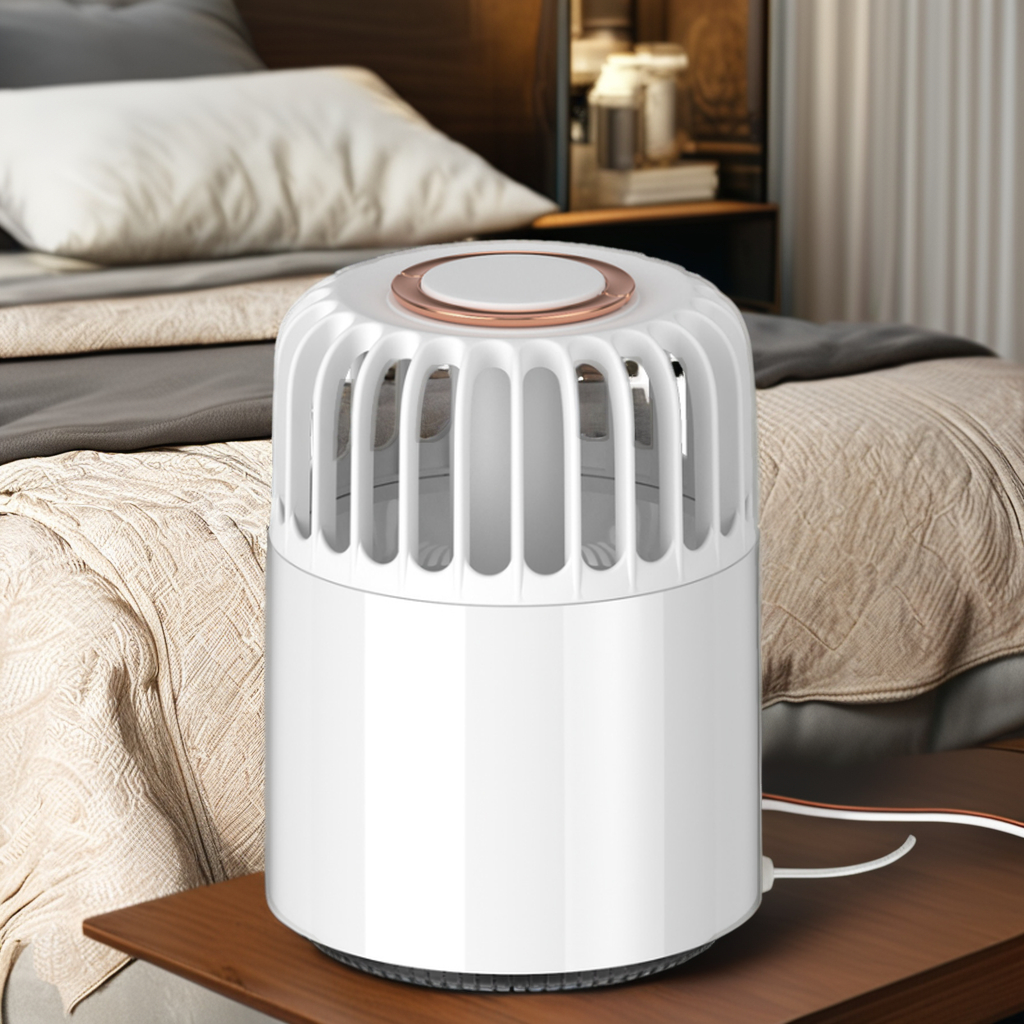
Larvicides are chemical pesticides designed to kill mosquito larvae. There are different types of larvicides available, including organophosphates, pyrethroids, and insect growth regulators (IGRs). Organophosphates and pyrethroids work by attacking the nervous system of the larvae, causing paralysis and death. IGRs, on the other hand, interfere with the normal growth and development of the larvae, preventing them from maturing into adult mosquitoes. However, when using chemical larvicides, it is important to follow the instructions carefully to ensure safety and effectiveness, as some chemicals may have negative impacts on the environment and non - target organisms.
Biological Methods
Natural Predators
Introducing natural predators of mosquito larvae into water bodies can be an effective biological control method. Fish species like Gambusia affinis, commonly known as mosquito fish, are voracious eaters of mosquito larvae. They can be added to larger bodies of water such as garden ponds. Other predators include dragonfly nymphs, which also feed on mosquito larvae in their aquatic habitat. By promoting the presence of these natural predators, you can create a more balanced ecosystem that helps keep mosquito larvae populations in check.
Beneficial Fungi
Certain species of fungi, such as Metarhizium anisopliae, can be used to control mosquito larvae. These fungi infect the larvae, growing inside their bodies and eventually killing them. The advantage of using beneficial fungi is that they are relatively specific to mosquitoes and have less impact on non - target organisms compared to some chemical pesticides.
In conclusion, there are multiple effective ways to kill mosquito larvae, ranging from simple physical removal of breeding sites to more specialized chemical and biological methods. By understanding and applying these techniques, we can take proactive steps in reducing mosquito populations and the associated health risks.
What Insects Are Killed by Malathion
Is UV Light Bad for You
Related Article

If you’re struggling with annoying mosquitoes, flies, and other flying pests indoors and outdoors, upgrading from traditional manual tools to anElectric Mosquito Swatter is the most efficient solution. Many homeowners and renters search where to buy fly swatter online to find durable, safe, and high-performance electric models that deliver instant pest control.
Where to Buy Fly Swatter
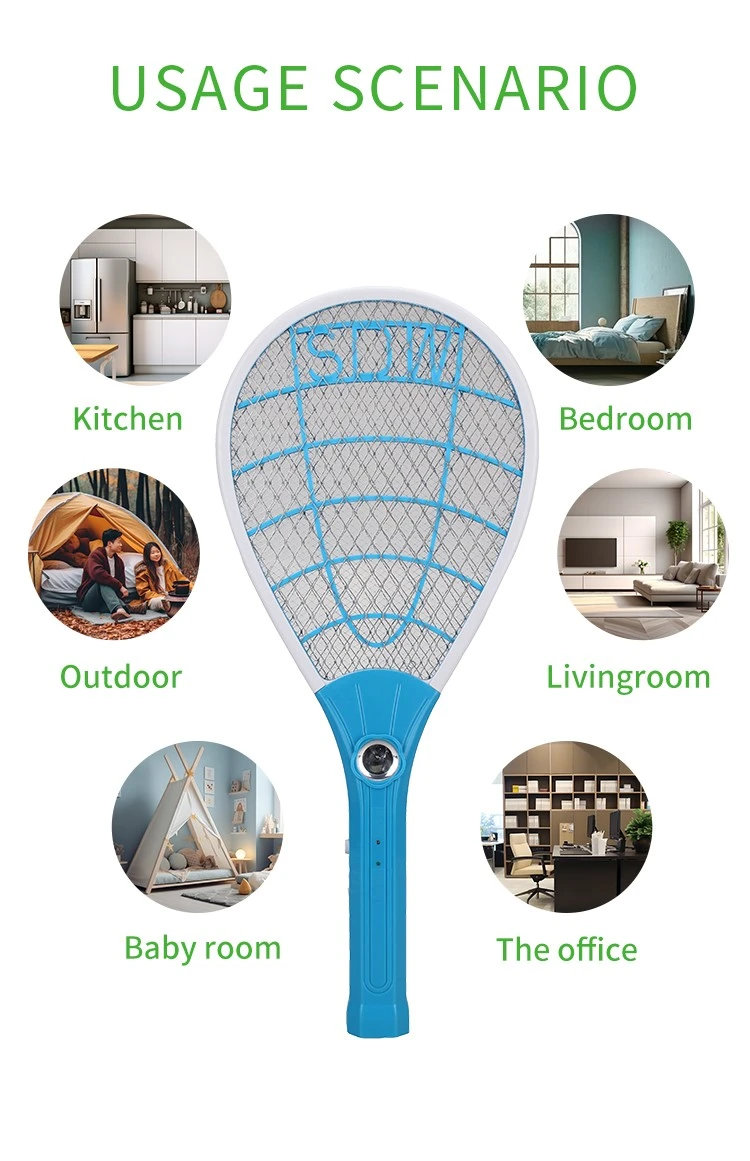
Most importers of electric mosquito swatters obsess over the first order: samples requested, factories vetted, a pre-shipment inspection booked. Then the reorder arrives eight months later and something is off. The grid feels softer. The charge port is a slightly different shade of black. The carton thickness dropped from 350 gsm to 300 gsm. Nothing is catastrophic — but the product no longer matches what your retail customers approved, and quietly, your return rate starts climbing.
How to Keep Mosquito Swatter Quality Consistent Across Repeat Orders
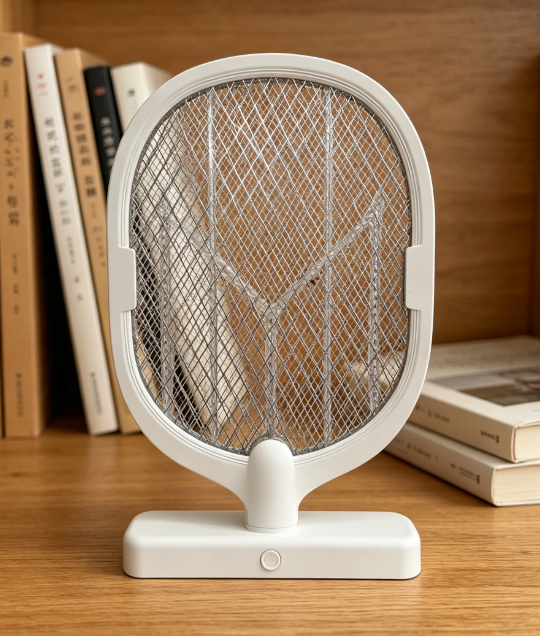
Warranty returns are the silent margin killer in the mosquito control category. A distributor who buys a swatter at $1.80 FOB and retails it at $9.90 can absorb a 1% return rate without noticing — but at 5%, the combined cost of replacement units, reverse logistics, and refund processing erases most of the line's profit.
Common mosquito swatter killer lamp failure modes wholesale spec guide

Digital bathroom scales rank as the second-highest-volume consumer weighing product category, only behind kitchen scales, with distinct market and product characteristics that set them apart from other scale types in importers’ product portfolios.
Digital bathroom body fat-bia-scale wholesale buyers guide