
What Kills Mosquitoes in Water
2025-05-10
What Kills Mosquitoes in Water: A Comprehensive Guide
Mosquitoes, those pesky insects that can turn a peaceful evening outdoors into a itchy nightmare, have a life cycle deeply intertwined with water. Understanding what kills mosquitoes in water is crucial for effective mosquito control and prevention of diseases they may carry. Let's dive into the various methods and agents that can eliminate mosquitoes in their aquatic habitats.
Natural Predators
One of the most eco-friendly ways to control mosquito populations in water is by introducing their natural predators. Gambusia affinis, commonly known as the mosquito fish, is a small freshwater fish that has a voracious appetite for mosquito larvae. A single mosquito fish can consume hundreds of larvae in a day. These fish are hardy and can thrive in a variety of water conditions, making them an ideal addition to ponds, small lakes, and even some larger rain barrels.
Dragonfly nymphs are another powerful natural enemy of mosquito larvae. Found in slow-moving or stagnant water bodies, dragonfly nymphs are fierce predators. They use their extendable jaws to catch and devour mosquito larvae, effectively reducing their numbers in the water.
Chemical Larvicides
When natural predators aren't enough, chemical larvicides can be a powerful tool. Bti (Bacillus thuringiensis israelensis), a naturally occurring bacterium, is a popular choice. Bti produces proteins that are toxic specifically to mosquito larvae. When the larvae ingest Bti, the proteins disrupt their digestive system, leading to death. Bti is safe for humans, pets, and most other wildlife, making it a widely used and environmentally friendly chemical option.
Another chemical larvicide is methoprene. This insect growth regulator works by preventing mosquito larvae from maturing into adult mosquitoes. Methoprene mimics the natural juvenile hormones in insects, disrupting their normal development process. It has a long-lasting effect and can be used in a variety of water sources, from small containers to larger bodies of water.
Physical and Mechanical Methods
Physical and mechanical methods can also play a significant role in killing mosquitoes in water. Removing standing water is one of the simplest yet most effective ways. Mosquitoes lay their eggs in stagnant water, so eliminating any sources of standing water, such as old tires, flower pots, and clogged gutters, reduces the places where mosquitoes can breed.
For larger bodies of water, aeration can be helpful. By introducing movement to the water, aeration disrupts the calm surface that mosquito larvae rely on for breathing. The constant movement makes it difficult for the larvae to stay afloat and access oxygen, eventually leading to their death.
In some cases, filtration systems can be installed in water sources. These systems can physically remove mosquito larvae and other debris from the water, effectively reducing the mosquito population.
In conclusion, there are multiple ways to kill mosquitoes in water, each with its own advantages. A combination of natural, chemical, and physical methods often provides the most effective mosquito control. Whether you're dealing with a small backyard pond or a larger community water source, taking proactive steps to eliminate mosquitoes in their aquatic stages can significantly reduce the overall mosquito population and the risks they pose.
How Many People Do Mosquitoes Kill a Year
How to Kill a Mosquito in Your House
Related Article

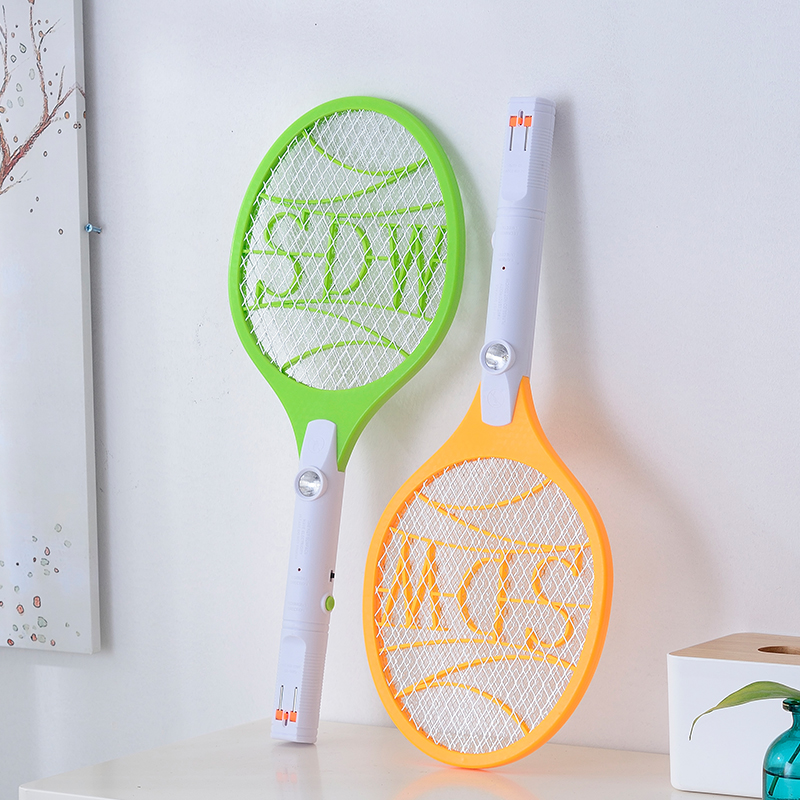
If you’re struggling with annoying mosquitoes, flies, and other flying pests indoors and outdoors, upgrading from traditional manual tools to anElectric Mosquito Swatter is the most efficient solution. Many homeowners and renters search where to buy fly swatter online to find durable, safe, and high-performance electric models that deliver instant pest control.
Where to Buy Fly Swatter

Most importers of electric mosquito swatters obsess over the first order: samples requested, factories vetted, a pre-shipment inspection booked. Then the reorder arrives eight months later and something is off. The grid feels softer. The charge port is a slightly different shade of black. The carton thickness dropped from 350 gsm to 300 gsm. Nothing is catastrophic — but the product no longer matches what your retail customers approved, and quietly, your return rate starts climbing.
How to Keep Mosquito Swatter Quality Consistent Across Repeat Orders

Warranty returns are the silent margin killer in the mosquito control category. A distributor who buys a swatter at $1.80 FOB and retails it at $9.90 can absorb a 1% return rate without noticing — but at 5%, the combined cost of replacement units, reverse logistics, and refund processing erases most of the line's profit.
Common mosquito swatter killer lamp failure modes wholesale spec guide

Digital bathroom scales rank as the second-highest-volume consumer weighing product category, only behind kitchen scales, with distinct market and product characteristics that set them apart from other scale types in importers’ product portfolios.
Digital bathroom body fat-bia-scale wholesale buyers guide