
What Kind of Garbage Does an Electric Mosquito Swatter Belong to
2026-07-12
What Kind of Garbage Does an Electric Mosquito Swatter Belong to? Complete Waste Sorting Guide
Summer is a peak season for mosquito breeding, and theElectric Mosquito Swatter has become an essential mosquito-killing small household appliance for every family. With frequent daily use, old, damaged and scrapped electric mosquito swatters are accumulating, leaving many people confused: what kind of garbage does an electric mosquito swatter belong to? Composed of a body, power grid and battery, an Electric Mosquito Swatter is not a single type of waste, leading to unique waste sorting requirements. Combining official domestic waste sorting standards, this article elaborates on the sorting rules, disposal methods and common misunderstandings for scrapped Electric Mosquito Swatters, helping users dispose of waste electric mosquito swatters in a standardized manner.
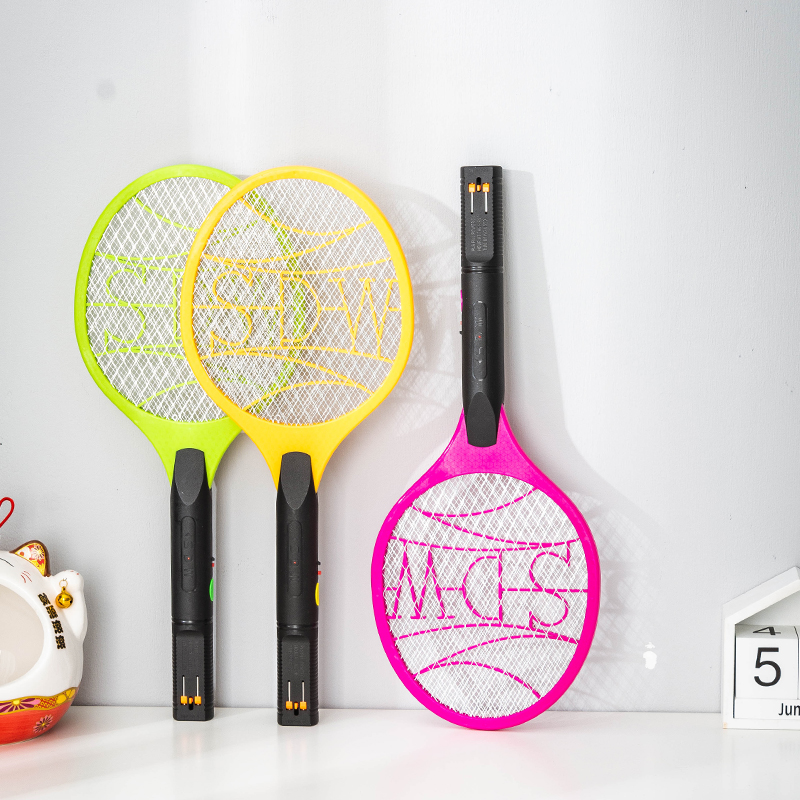
1. Core Material and Structural Characteristics of Electric Mosquito Swatter
To accurately figure out what kind of garbage an electric mosquito swatter belongs to, it is necessary to first understand the overall structure and material properties of the Electric Mosquito Swatter, which is the core basis for waste sorting. Mainstream household electric mosquito swatters share a unified structure, consisting of two core parts, and their different materials directly determine different waste classification categories.
1.1 Body and Power Grid Components
The shell of an Electric Mosquito Swatter is made of hard environmental-friendly plastic, while the protective net and internal conductive power grid are made of metal alloy. Both materials have high recycling and reutilization value and are typical recyclable resources. Undamaged and unpolluted plastic and metal components can be professionally sorted, cleaned and smelted, then reprocessed into various plastic and metal accessories for secondary use.
1.2 Built-in Power Supply Battery Components
Currently, household Electric Mosquito Swatters are mainly divided into rechargeable and disposable battery models. The different battery types lead to completely different waste sorting categories, which is the most error-prone point in electric mosquito swatter waste sorting and requires separate disassembly and classification.
2. Official Standards: Waste Sorting Category of Scrapped Electric Mosquito Swatter
According to the official summer waste sorting guidelines issued by ecological and environmental bureaus across the country, a fully scrapped Electric Mosquito Swatter cannot be disposed of as a whole. The body and battery must be disassembled and sorted separately. The core classification conclusion is clear and compliant with unified domestic waste sorting specifications.
2.1 Electric Mosquito Swatter Body: Recyclable Waste
After removing the battery, the body, power grid and shell of an Electric Mosquito Swatter are uniformly classified as recyclable waste. The plastic and metal materials of the body contain no toxic and harmful substances and feature a high recycling rate, meeting the core standard of recyclable waste—"suitable for recycling and resource utilization". Users should dispose of them in blue recyclable waste bins.
2.2 Electric Mosquito Swatter Battery: Accurate Classification by Type
The battery is the only component of an Electric Mosquito Swatter that requires special disposal. Different types of batteries have different waste attributes, divided into the following two categories, which are the most practical knowledge for the public to master:
First, hazardous waste. Most rechargeable Electric Mosquito Swatters are equipped with lithium batteries or nickel-metal hydride batteries. These rechargeable batteries contain heavy metals and chemical electrolytes. Random disposal will pollute soil and water sources, so they are classified as hazardous waste and must be placed in red hazardous waste collection bins separately.
Second, other waste. For Electric Mosquito Swatters using disposable mercury-free alkaline dry batteries, in accordance with official waste sorting standards, mercury-free alkaline dry batteries pose no risk of heavy metal pollution and do not need to be classified as hazardous waste. They can be directly disposed of as other waste.
3. Correct Disposal Steps for Waste Electric Mosquito Swatter
Many people are unclear about the standardized disposal process for scrapped electric mosquito swatters, and incorrect disposal will cause resource waste and environmental pollution. Combined with practical waste sorting specifications, we have sorted out simple and operable disposal steps for Electric Mosquito Swatters, suitable for daily household scenarios.
3.1 Power Off and Disassemble Components
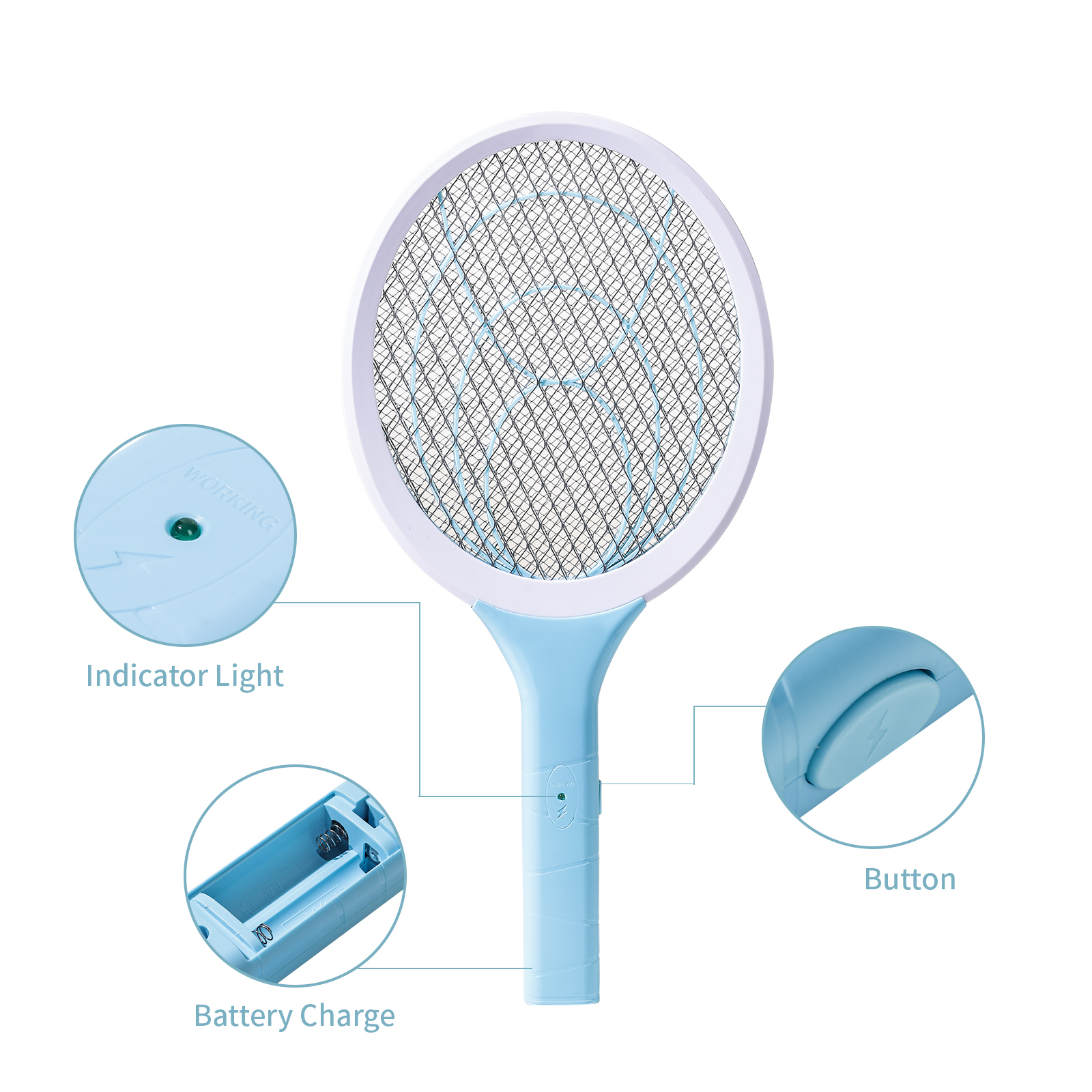
First, ensure the waste Electric Mosquito Swatter is completely powered off to avoid electric shock during operation. For rechargeable models, open the battery slot and take out the built-in rechargeable battery; for dry battery models, directly remove the disposable batteries from the body to completely separate the body and batteries.
3.2 Accurate Classified Disposal
After disassembly, place the clean and stain-free shell and metal power grid of the Electric Mosquito Swatter into blue recyclable waste bins. Dispose of the removed batteries into hazardous waste or other waste containers according to their types to complete standardized disposal.
3.3 Special Disposal for Damaged and Dirty Bodies
If an Electric Mosquito Swatter is severely moldy, heavily stained with oil, or badly deformed and damaged after long-term use and cannot be recycled and sorted, there is no need for disassembly. It can be directly disposed of as other waste to avoid polluting other recyclable materials.
4. Correction of Common Electric Mosquito Swatter Waste Sorting Misunderstandings
In daily waste sorting, many people have cognitive biases regarding what kind of garbage an electric mosquito swatter belongs to. There are two common incorrect disposal methods. We correct them uniformly in accordance with official standards to help users avoid mistakes accurately.
4.1 Misunderstanding 1: Dispose of the Entire Electric Mosquito Swatter as Hazardous Waste
Many people mistakenly believe that all electric-powered Electric Mosquito Swatters are hazardous waste and throw the whole device into hazardous waste bins. In fact, only the battery has pollution risks, while the plastic body and metal grid are recyclable resources. Overall disposal as hazardous waste will lead to waste of recyclable resources and violate the original intention of resource utilization in waste sorting.
4.2 Misunderstanding 2: Dispose of It Directly as Recyclable Waste Without Disassembly
Some users know that the electric mosquito swatter body is recyclable but ignore the hazards of the battery and dispose of the whole device as recyclable waste without disassembly. The harmful chemicals in rechargeable batteries will pollute batches of recyclable materials, making metals and plastics unrecyclable, which is non-standard disposal.
5. Environmental Protection Significance of Recycling Waste Electric Mosquito Swatters
Standardized disposal of waste Electric Mosquito Swatters is not only a compliance with waste sorting rules but also of great environmental value. The disassembled metal and plastic parts of the body can be recycled and reused to reduce the exploitation of raw materials. Separately classified hazardous batteries can be innocuously treated through professional processes, preventing heavy metals from penetrating into soil and groundwater and reducing ecological pollution risks.
Summer mosquito-killing small appliances are updated rapidly, and many families replace their electric mosquito swatters every year. Mastering correct waste sorting methods can maximize resource recycling and practice the green environmental protection concept.
6. Conclusion
In summary, the core answer to what kind of garbage an electric mosquito swatter belongs to is: The body of an Electric Mosquito Swatter is recyclable waste, and the battery is classified according to its type. For rechargeable lithium battery electric mosquito swatters, the body is recyclable waste after battery removal, and the battery is hazardous waste; for electric mosquito swatters using mercury-free alkaline dry batteries, the body is recyclable waste, and the battery is other waste.
When disposing of waste electric mosquito swatters daily, just follow the principle of "disassemble first, then classify" to complete standardized disposal, comply with waste sorting standards, and realize efficient resource recycling.
How to Avoid Mosquito-Borne Diseases After Floods
Can You Bring a Mosquito Swatter on High-Speed Rail
Related Article

If you’re struggling with annoying mosquitoes, flies, and other flying pests indoors and outdoors, upgrading from traditional manual tools to anElectric Mosquito Swatter is the most efficient solution. Many homeowners and renters search where to buy fly swatter online to find durable, safe, and high-performance electric models that deliver instant pest control.
Where to Buy Fly Swatter

Most importers of electric mosquito swatters obsess over the first order: samples requested, factories vetted, a pre-shipment inspection booked. Then the reorder arrives eight months later and something is off. The grid feels softer. The charge port is a slightly different shade of black. The carton thickness dropped from 350 gsm to 300 gsm. Nothing is catastrophic — but the product no longer matches what your retail customers approved, and quietly, your return rate starts climbing.
How to Keep Mosquito Swatter Quality Consistent Across Repeat Orders

Warranty returns are the silent margin killer in the mosquito control category. A distributor who buys a swatter at $1.80 FOB and retails it at $9.90 can absorb a 1% return rate without noticing — but at 5%, the combined cost of replacement units, reverse logistics, and refund processing erases most of the line's profit.
Common mosquito swatter killer lamp failure modes wholesale spec guide

Digital bathroom scales rank as the second-highest-volume consumer weighing product category, only behind kitchen scales, with distinct market and product characteristics that set them apart from other scale types in importers’ product portfolios.
Digital bathroom body fat-bia-scale wholesale buyers guide