
What Kind of Mosquito Swatter is Truly Eco-Friendly
2026-01-12
What Kind of Mosquito Swatter is Truly Eco-Friendly? Here's Your Buying Guide
For household mosquito control, electric mosquito swatters have become a top choice for many families due to their advantages of physical mosquito elimination and no chemical pollution. But did you know? Not all electric mosquito swatters are equal in terms of environmental friendliness—some may seem effective but actually hide "environmental burdens" in energy consumption and material selection. What exactly makes an electric mosquito swatter eco-friendly? Today, we'll break it down from core dimensions to help you choose a convenient and low-carbon mosquito-killing tool.
First, it's important to clarify: the core logic of an eco-friendly electric mosquito swatter is "full-life-cycle low carbon," minimizing environmental impact at every stage from production and use to disposal. Specifically, you need to focus on these 4 key dimensions:
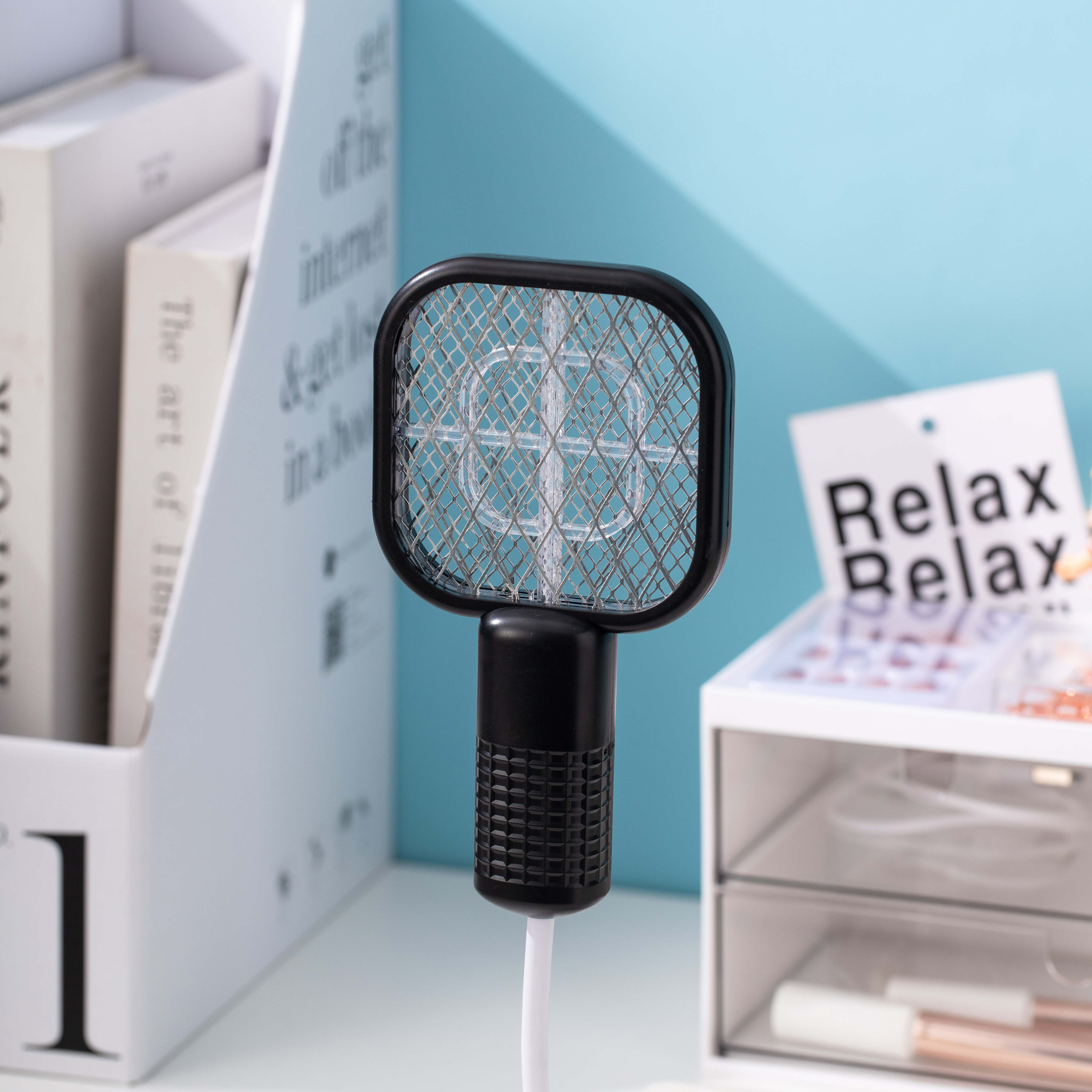
1. Energy Type: Rechargeable is Preferred, Lithium Batteries are More Eco-Friendly
The energy type of an electric mosquito swatter directly determines its basic environmental performance. Early dry-cell electric mosquito swatters require frequent replacement of disposable batteries, and the heavy metals in used batteries can pollute soil and water sources, making them obsolete in the trend of environmental protection. Today's mainstream rechargeable electric mosquito swatters are a better choice.
Among rechargeable products, those equipped with lithium batteries are more eco-friendly than lead-acid batteries. Lithium batteries not only have high energy density and long battery life (high-quality models can be used for 30 days on a single charge) but also have a longer cycle life (rechargeable more than 400 times), reducing waste generated from battery replacement. More importantly, high-quality lithium batteries do not contain harmful heavy metals such as mercury and cadmium, causing less harm to the environment when discarded.
When purchasing, also pay attention to the charging interface—products supporting the universal USB-C interface are more convenient, as they can be compatible with your home's mobile phone chargers and power banks, avoiding resource waste caused by additional dedicated chargers. Some high-end models also support fast charging technology, which can be fully charged in 1.5 hours, further reducing energy consumption during charging.
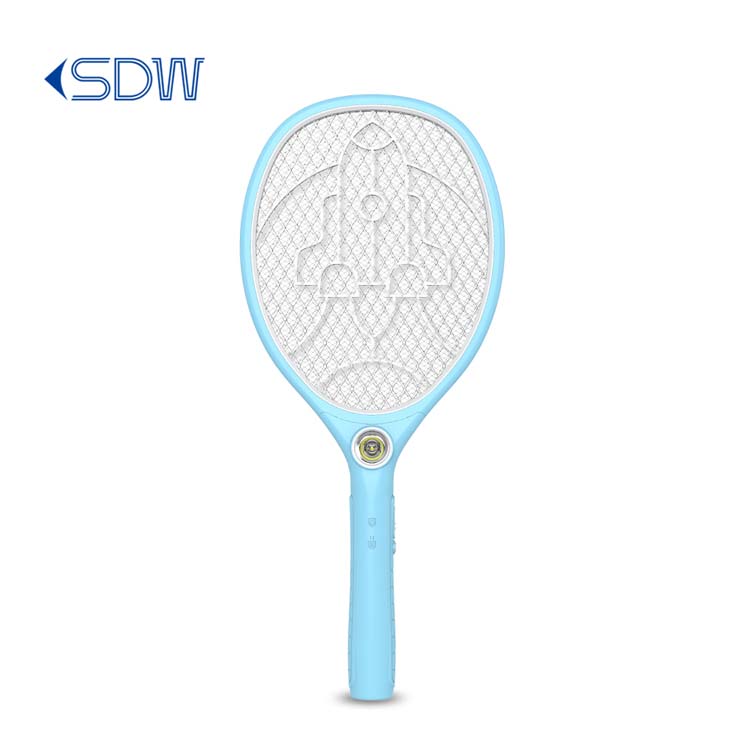
2. Material and Craftsmanship: Recyclable + Low Pollution is Key
The materials of the electric mosquito swatter's shell, mesh surface, and the craftsmanship used in production are also related to environmental effectiveness. Inferior products often use recycled plastic for secondary processing, which is not only easy to break and has a short service life but may also release harmful substances due to unstable materials; while eco-friendly electric mosquito swatters prioritize recyclable environmentally friendly plastics (such as TPU + glass fiber composite materials), which are both sturdy and durable, and can be reused through recycling systems after disposal, reducing white pollution.
In terms of mesh material, galvanized or stainless steel is better than ordinary metals—these materials are corrosion-resistant and not easily deformed, which can extend the product's service life and avoid waste accumulation caused by frequent replacement. At the same time, for electric mosquito swatters with purple light mosquito-attracting functions, it is important to choose "mercury-free UV lamps." Mercury, as a highly toxic substance, can cause serious harm to the environment and human health once leaked.
Also pay attention to the packaging in details—products with simple packaging and printed with water-based inks can reduce VOCs (volatile organic compounds) emissions and further reduce environmental burdens. Avoid purchasing over-packaged products filled with plastic foam to reduce waste generation from the source.
3. Energy Efficiency Design: Low Power Consumption + Long Service Life = Less Waste
The core of environmental protection is "reducing waste." For electric mosquito swatters, this means reducing energy consumption during use and extending the product's service life. High-quality electric mosquito swatters are equipped with intelligent energy efficiency management designs, such as standby power consumption ≤ 0.5W, to avoid energy loss caused by long-term plugging in; some models also have automatic power-off protection functions, which automatically shut down after being idle for a period of time, further saving electricity.
Product durability is also crucial. Electric mosquito swatters that meet the industry standard QB/T 4496-2013 have a mesh service life of no less than 1000 electric shocks, and can still work normally after high and low temperature and damp heat tests, without performance degradation or appearance deformation due to environmental changes. Such products can avoid resource waste caused by frequent damage and replacement, making them more low-carbon in the long run.
In addition, a mesh aperture design between 10mm×10mm and 12mm×12mm can not only prevent accidental contact by children but also improve mosquito elimination efficiency, reducing electricity waste caused by repeated strikes and indirectly achieving energy-saving effects.
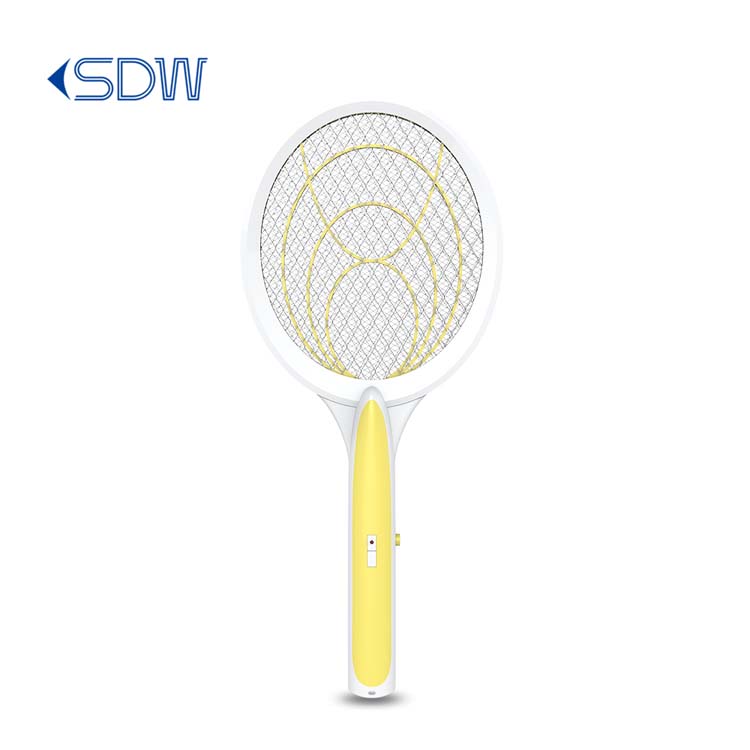
4. Environmental Certifications: Recognize Authoritative Labels to Avoid "False Environmental Friendliness"
If you can't distinguish materials and parameters, recognizing authoritative environmental certifications is the most direct way. For electric mosquito swatters, products certified by the EPA (U.S. Environmental Protection Agency) have more guaranteed environmental performance—such products need to meet strict environmental requirements, such as ozone concentration ≤ 0.03ppm after 6 hours of continuous work in a confined space, lead and cadmium content in plastic parts ≤ 50ppm, and prohibition of harmful plasticizers.
For domestic products, you can pay attention to whether they comply with the RoHS standard (restricting the use of hazardous substances in electrical and electronic products) and whether they have CCC mandatory certification (ensuring safety and environmental performance). At the same time, choose brands with clear recycling mechanisms. Some manufacturers have launched "detachable battery" designs, which facilitate separate recycling of batteries later and avoid resource waste caused by whole-machine disposal.
Final Summary: This is How to Choose Correctly
To choose a truly eco-friendly electric mosquito swatter, remember the "one priority, two focuses, three recognitions": prioritize lithium battery rechargeable models, focus on recyclable materials and low-power consumption designs, and recognize environmental certifications such as EPA and RoHS. Avoid dry-cell models, recycled plastic shells, and over-packaged products. This way, you can enjoy the convenience of efficient mosquito elimination while contributing to environmental protection.
After all, environmental protection is never a complicated slogan, but lies in every rational consumption choice. This summer, choose the right eco-friendly electric mosquito swatter to make mosquito control safe and low-carbon~
EU Mandates Universal USB Type-C Charger
Why Are Almost All Mosquito Lamps Plug-In
Related Article

If you’re struggling with annoying mosquitoes, flies, and other flying pests indoors and outdoors, upgrading from traditional manual tools to anElectric Mosquito Swatter is the most efficient solution. Many homeowners and renters search where to buy fly swatter online to find durable, safe, and high-performance electric models that deliver instant pest control.
Where to Buy Fly Swatter

Most importers of electric mosquito swatters obsess over the first order: samples requested, factories vetted, a pre-shipment inspection booked. Then the reorder arrives eight months later and something is off. The grid feels softer. The charge port is a slightly different shade of black. The carton thickness dropped from 350 gsm to 300 gsm. Nothing is catastrophic — but the product no longer matches what your retail customers approved, and quietly, your return rate starts climbing.
How to Keep Mosquito Swatter Quality Consistent Across Repeat Orders

Warranty returns are the silent margin killer in the mosquito control category. A distributor who buys a swatter at $1.80 FOB and retails it at $9.90 can absorb a 1% return rate without noticing — but at 5%, the combined cost of replacement units, reverse logistics, and refund processing erases most of the line's profit.
Common mosquito swatter killer lamp failure modes wholesale spec guide

Digital bathroom scales rank as the second-highest-volume consumer weighing product category, only behind kitchen scales, with distinct market and product characteristics that set them apart from other scale types in importers’ product portfolios.
Digital bathroom body fat-bia-scale wholesale buyers guide