
What Temperature Kills Mosquitoes
2025-05-20
What Temperature Kills Mosquitoes
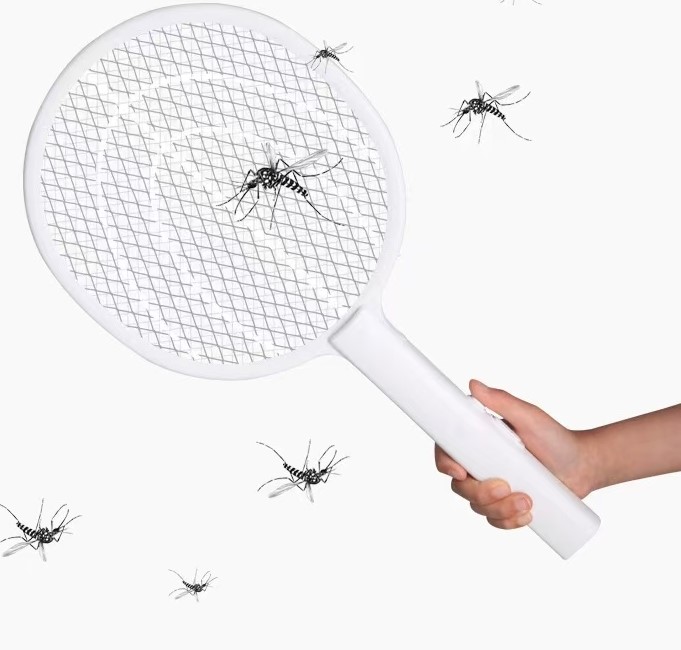
Mosquitoes are not only a nuisance with their itchy bites but also carriers of dangerous diseases like malaria, dengue, and Zika virus. Understanding the environmental factors that affect their survival can help in controlling their population. One crucial factor is temperature. So, what temperature kills mosquitoes? Let’s delve into this topic.
The Optimal Temperature for Mosquito Activity
Mosquitoes are cold - blooded insects, which means their body temperature is regulated by the environment. They thrive in warm and humid conditions. The ideal temperature range for mosquito activity is between 70°F (21°C) and 80°F (27°C). In this temperature zone, their metabolic rates are optimized, allowing them to fly, feed, and reproduce efficiently. Mosquitoes are most active during the summer months when the temperature is within this range, which is why we often encounter more of them during this time.
How Cold Temperatures Affect Mosquitoes
When the temperature starts to drop, mosquito activity begins to decline. As the mercury falls below 50°F (10°C), mosquitoes become less active. Their metabolic processes slow down, making it difficult for them to fly and feed. At around 32°F (0°C), most mosquito species enter a state similar to hibernation, known as diapause. During diapause, their development and physiological functions are suspended. While they are not immediately killed at this temperature, prolonged exposure to freezing conditions, especially if the temperature drops well below 32°F (0°C), can lead to their death. The cold can cause ice crystals to form within their bodies, damaging their cells and tissues.
The Impact of High Temperatures on Mosquitoes
On the other hand, extremely high temperatures can also be detrimental to mosquitoes. When the temperature exceeds 95°F (35°C), mosquitoes start to face challenges. High heat can cause dehydration and overheating in mosquitoes. Their eggs, larvae, and pupae are particularly vulnerable to high temperatures. If the water in which they are developing, such as puddles or stagnant ponds, becomes too hot, it can kill these immature stages. For adult mosquitoes, continuous exposure to temperatures above 100°F (38°C) for an extended period can lead to death as their bodies are unable to cope with the extreme heat.
Conclusion
In conclusion, both extremely low and high temperatures can be lethal to mosquitoes. Freezing temperatures below 32°F (0°C) can kill mosquitoes through the formation of ice crystals in their bodies, especially with prolonged exposure. Temperatures above 100°F (38°C) can cause dehydration and overheating, leading to the death of adult mosquitoes and the destruction of their immature stages. By understanding these temperature thresholds, we can not only predict mosquito activity but also potentially use temperature - based methods in mosquito control strategies, such as managing water sources to avoid creating breeding grounds in temperature - vulnerable areas.
Can You Leave Bug Zapper on All Night
How to Kill Mosquitoes in Standing Water
Related Article

If you’re struggling with annoying mosquitoes, flies, and other flying pests indoors and outdoors, upgrading from traditional manual tools to anElectric Mosquito Swatter is the most efficient solution. Many homeowners and renters search where to buy fly swatter online to find durable, safe, and high-performance electric models that deliver instant pest control.
Where to Buy Fly Swatter
Most importers of electric mosquito swatters obsess over the first order: samples requested, factories vetted, a pre-shipment inspection booked. Then the reorder arrives eight months later and something is off. The grid feels softer. The charge port is a slightly different shade of black. The carton thickness dropped from 350 gsm to 300 gsm. Nothing is catastrophic — but the product no longer matches what your retail customers approved, and quietly, your return rate starts climbing.
How to Keep Mosquito Swatter Quality Consistent Across Repeat Orders
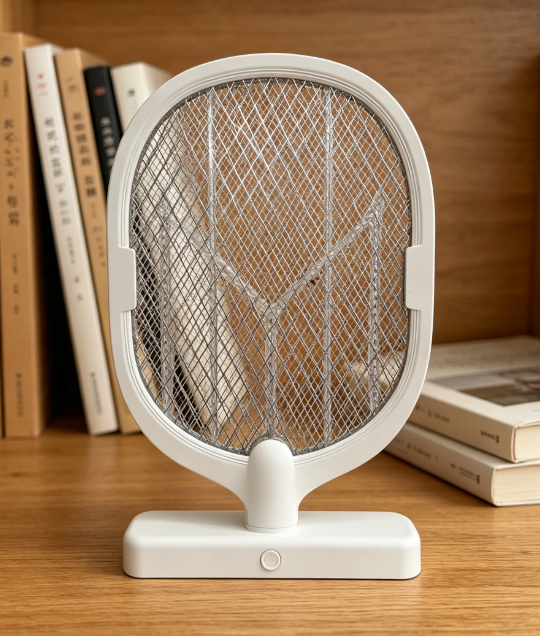
Warranty returns are the silent margin killer in the mosquito control category. A distributor who buys a swatter at $1.80 FOB and retails it at $9.90 can absorb a 1% return rate without noticing — but at 5%, the combined cost of replacement units, reverse logistics, and refund processing erases most of the line's profit.
Common mosquito swatter killer lamp failure modes wholesale spec guide

Digital bathroom scales rank as the second-highest-volume consumer weighing product category, only behind kitchen scales, with distinct market and product characteristics that set them apart from other scale types in importers’ product portfolios.
Digital bathroom body fat-bia-scale wholesale buyers guide