
What to Do After Spreading Insect Killer Granules
2025-06-21
What to Do After Spreading Insect Killer Granules
Keep the Area Safe
After spreading insect killer granules, the first and most crucial step is to keep the treated area safe. Restrict access to children and pets for at least 24 hours or as indicated on the product label. Insect killer granules may contain chemicals that can be harmful if ingested or come into contact with the skin. Place clear warning signs around the treated area to alert others. If you have an outdoor garden or lawn where the granules were spread, close off the gate or any entry points temporarily.
Clean Up Equipment
Once the area is secured, it’s time to clean up the equipment used for spreading the granules. Empty any remaining granules back into their original container and seal it tightly. Wash your spreader thoroughly with soapy water to remove any residue. Don't forget to clean your gloves, boots, and any other protective gear you wore during the application. Rinse them well and let them dry completely before storing them away. This helps prevent cross-contamination and ensures the longevity of your equipment.
Monitor the Results
After a few days, start monitoring the treated area to check the effectiveness of the insect killer granules. Look for signs of reduced insect activity, such as fewer ants marching in lines, less evidence of caterpillar damage on plants, or a decrease in the presence of cockroaches. If you still notice significant insect presence, refer to the product instructions to determine if a second application is necessary. However, avoid over-applying the granules, as this can be harmful to the environment and non-target organisms.
Dispose of Leftover Granules Properly
If you have any leftover insect killer granules, do not simply throw them in the regular trash. Check the product label for specific disposal instructions, as different products may have different requirements. In general, it’s best to take the leftover granules to a local hazardous waste collection site. This ensures that the chemicals are disposed of safely and do not contaminate the soil or water sources.
Maintain the Treated Area
To ensure long - term effectiveness, maintain the treated area properly. Avoid over - watering the area immediately after application, as excessive moisture can wash away the granules too quickly. Regularly mow your lawn or trim your plants as needed, but wait until the recommended time specified on the product label to avoid disturbing the granules prematurely. Keep the area clean and free of debris, as clutter can provide hiding places for insects and reduce the effectiveness of the treatment.
Are Mosquito Attracted to Light
Do UV Lights Kill Bed Bugs
Related Article

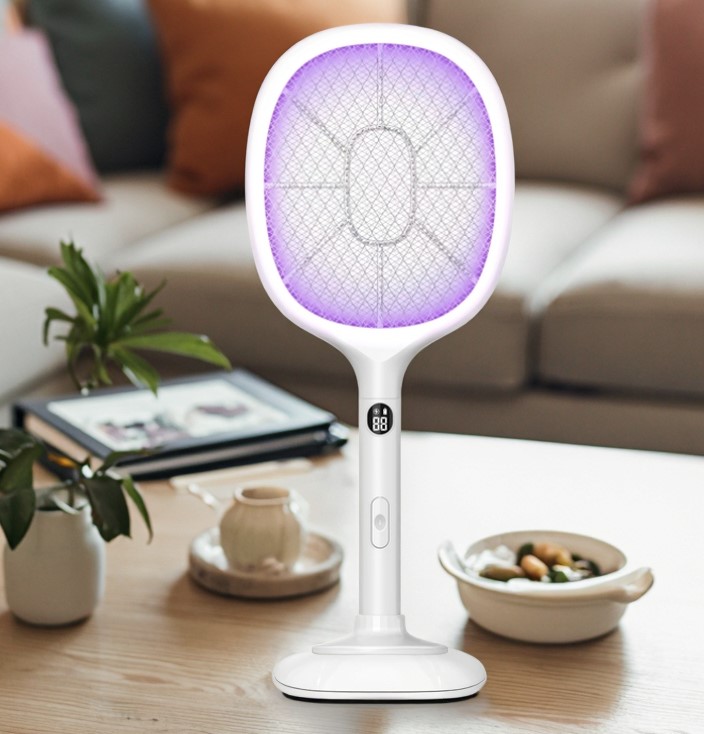
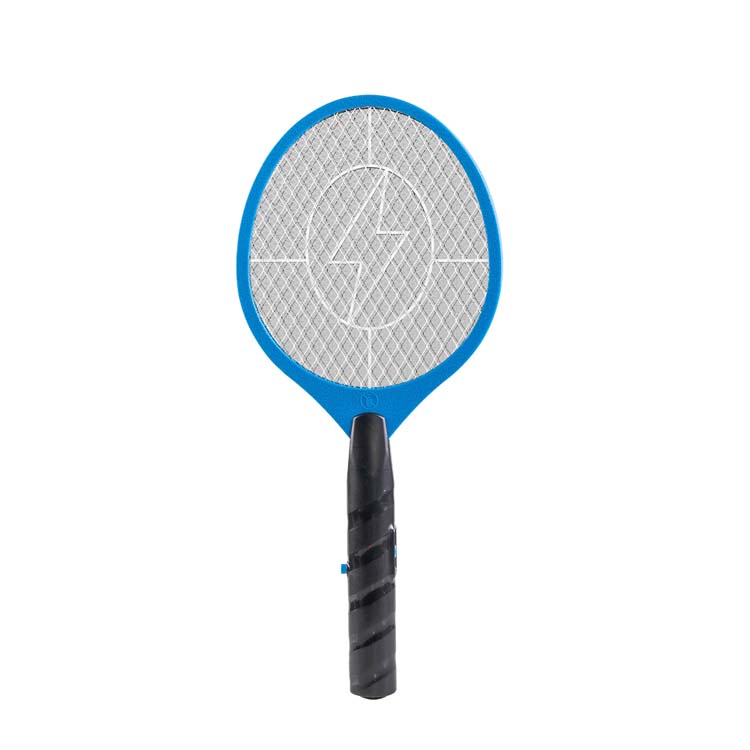
If you’re struggling with annoying mosquitoes, flies, and other flying pests indoors and outdoors, upgrading from traditional manual tools to anElectric Mosquito Swatter is the most efficient solution. Many homeowners and renters search where to buy fly swatter online to find durable, safe, and high-performance electric models that deliver instant pest control.
Where to Buy Fly Swatter
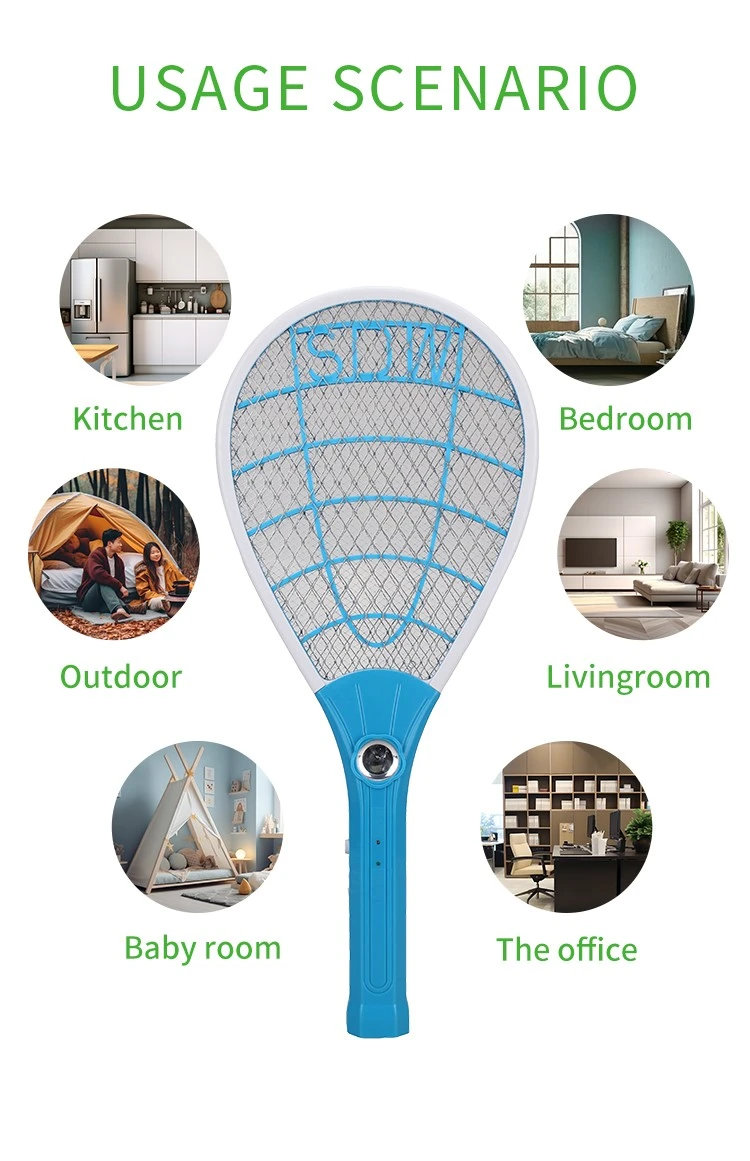
Most importers of electric mosquito swatters obsess over the first order: samples requested, factories vetted, a pre-shipment inspection booked. Then the reorder arrives eight months later and something is off. The grid feels softer. The charge port is a slightly different shade of black. The carton thickness dropped from 350 gsm to 300 gsm. Nothing is catastrophic — but the product no longer matches what your retail customers approved, and quietly, your return rate starts climbing.
How to Keep Mosquito Swatter Quality Consistent Across Repeat Orders
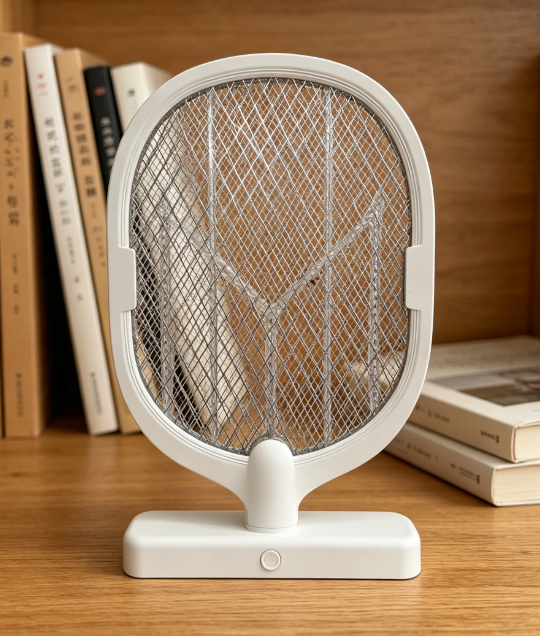
Warranty returns are the silent margin killer in the mosquito control category. A distributor who buys a swatter at $1.80 FOB and retails it at $9.90 can absorb a 1% return rate without noticing — but at 5%, the combined cost of replacement units, reverse logistics, and refund processing erases most of the line's profit.
Common mosquito swatter killer lamp failure modes wholesale spec guide

Digital bathroom scales rank as the second-highest-volume consumer weighing product category, only behind kitchen scales, with distinct market and product characteristics that set them apart from other scale types in importers’ product portfolios.
Digital bathroom body fat-bia-scale wholesale buyers guide