
What You Must Know About Mosquito-Borne Diseases
2025-08-28
What You Must Know About Mosquito-Borne Diseases: A Complete Guide from Hazards to Prevention
To many people, mosquitoes are just a minor nuisance that causes itchy bumps. However, they are actually among the most dangerous insects in the world: as "mobile viral vectors," mosquitoes can transmit dozens of diseases. These infectious diseases spread by mosquitoes are collectively referred to as "mosquito-borne diseases." In recent years, with global warming and increased human mobility, the spread range and risk of mosquito-borne diseases have continued to expand. Understanding their hazards, transmission patterns, and prevention methods has become a must-have health lesson for everyone.
I. Alarming Current Risk Situation: Mosquito-Borne Diseases Are Closer Than You Think
When talking about mosquito-borne diseases, many people think of malaria in Africa or dengue fever in Southeast Asia. In reality, however, their risks have long penetrated our daily lives. According to data from the World Health Organization (WHO), more than 700,000 people die from mosquito-borne diseases worldwide each year, with malaria accounting for the highest proportion. Meanwhile, the incidence rates of diseases such as dengue fever, Zika virus disease, and chikungunya fever are rising at an annual rate of 10%.
In China, mosquito-borne diseases also cannot be ignored. Every summer, local dengue fever cases occur in southern regions. In 2023, multiple clustered outbreaks were reported in Guangdong, Yunnan, and other provinces. Although China has achieved the goal of "malaria elimination," there is still a risk of imported cases. Additionally, epidemic encephalitis B (Japanese encephalitis, JE) remains a threatening hazard for children in rural and suburban areas. More notably, as global temperatures rise, mosquitoes that were originally active only in tropical and subtropical regions (such as the Aedes albopictus that transmits dengue fever) are spreading to temperate zones. This means that the "northward shift of mosquito-borne disease risks" has become a new trend.
II. 4 Mosquito-Borne Diseases to Be Most Vigilant About: Concealed Symptoms, Severe Hazards
Different mosquitoes transmit different diseases. For example, Anopheles mosquitoes transmit malaria, Culex mosquitoes transmit Japanese encephalitis, and Aedes mosquitoes transmit dengue fever and Zika virus disease. However, they all share one common feature: their early symptoms are easily confused with those of a cold, and delayed treatment may lead to serious consequences.
1. Dengue Fever: "Fever with Bone Pain" Is a Typical Sign
Transmitted by Aedes albopictus (commonly known as "tiger mosquitoes"), infected individuals usually experience high fever (over 39°C), headache, muscle aches (especially joint pain, known as "breakbone fever"), and skin rashes. Most patients recover within 1-2 weeks, but a small number may develop "dengue hemorrhagic fever," which causes symptoms such as gum bleeding, vomiting blood, and shock, with a relatively high mortality rate. Provinces such as Guangdong, Hainan, and Fujian in China are high-incidence areas for dengue fever, with the epidemic season lasting from June to October each year.
2. Malaria: Don’t Ignore "Periodic Chills and Fever"
Transmitted by Anopheles mosquitoes, the typical symptoms include periodic episodes of "chills → high fever → profuse sweating," each lasting several hours and recurring every other day or every two days. If not treated promptly, Plasmodium (the parasite causing malaria) will destroy red blood cells, leading to anemia and hepatosplenomegaly. In severe cases, it can invade the brain, causing "cerebral malaria," which results in coma and convulsions. The mortality rate is extremely high among children and people with low immunity. Currently, malaria cases in China are mainly imported, so people returning from Africa or Southeast Asia need to be particularly vigilant.
3. Epidemic Encephalitis B (Japanese Encephalitis, JE): Children Are a High-Risk Group
Transmitted by Culex tritaeniorhynchus, this disease is more common in summer and autumn, and children under 10 years old are susceptible to infection. Early symptoms include fever, headache, and vomiting, which may be followed by drowsiness and convulsions. Severe cases can lead to coma, and some patients may suffer from sequelae such as intellectual disability and limb paralysis even after recovery. There is currently no specific treatment for Japanese encephalitis, and vaccination against JE is the most effective preventive measure.
4. Zika Virus Disease: Extremely High Risks for Pregnant Women and Fetuses
Also transmitted by Aedes albopictus, most infected people have mild symptoms, such as low-grade fever, skin rashes, and joint pain—similar to "mild dengue fever." However, if a pregnant woman is infected, it may cause microcephaly in the fetus (abnormally small head size accompanied by intellectual disability). The 2015 Zika epidemic in Brazil caused global panic. Although there is no large-scale outbreak now, sporadic cases still occur in tropical regions. Women who are planning to become pregnant or are already pregnant should avoid traveling to high-risk areas.
Conclusion: Don't Let "Small Mosquitoes" Bring "Big Risks"
The risk of mosquito-borne diseases lies in every overlooked mosquito bite. It is not a distant "tropical disease" but a health threat that may occur right around us. However, as long as we understand its hazards, take it seriously, and master scientific prevention methods, we can effectively resist the invasion of mosquito-borne diseases.
Why Is It Forbidden to Use Mosquito Swatters and Any Sprays Simultaneously
Why Mosquito Traps Are the First Choice for Families with Kids
Related Article

If you’re struggling with annoying mosquitoes, flies, and other flying pests indoors and outdoors, upgrading from traditional manual tools to anElectric Mosquito Swatter is the most efficient solution. Many homeowners and renters search where to buy fly swatter online to find durable, safe, and high-performance electric models that deliver instant pest control.
Where to Buy Fly Swatter
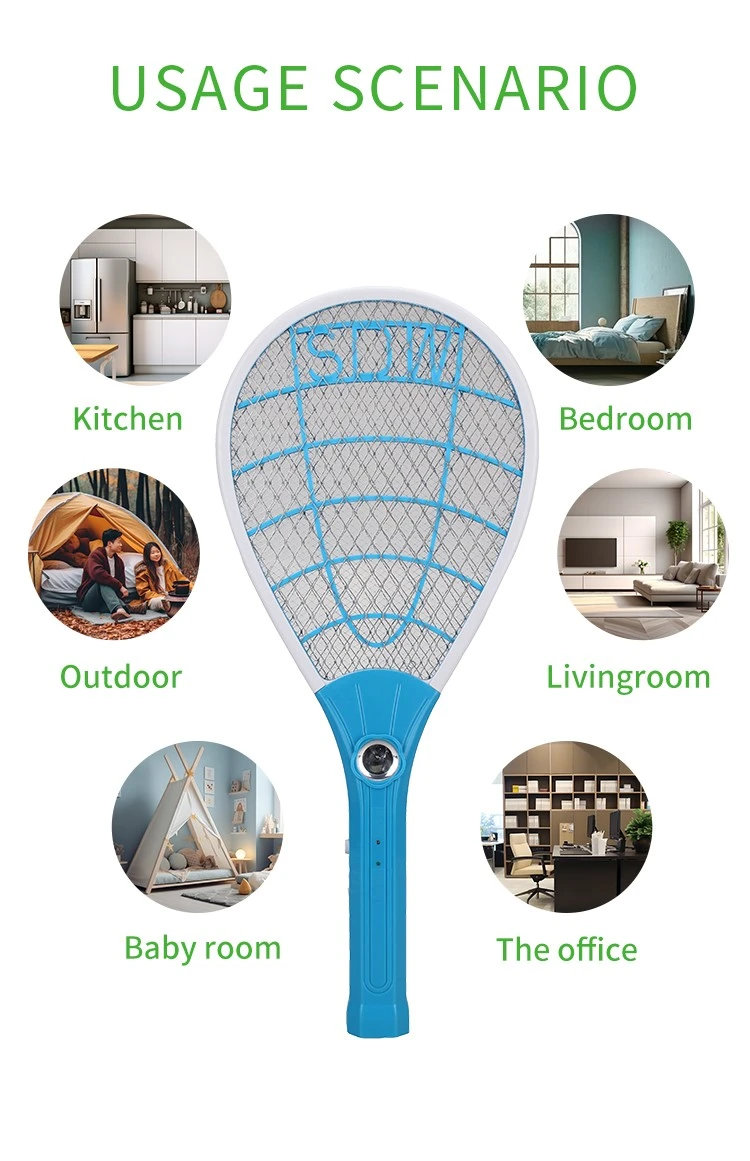
Most importers of electric mosquito swatters obsess over the first order: samples requested, factories vetted, a pre-shipment inspection booked. Then the reorder arrives eight months later and something is off. The grid feels softer. The charge port is a slightly different shade of black. The carton thickness dropped from 350 gsm to 300 gsm. Nothing is catastrophic — but the product no longer matches what your retail customers approved, and quietly, your return rate starts climbing.
How to Keep Mosquito Swatter Quality Consistent Across Repeat Orders
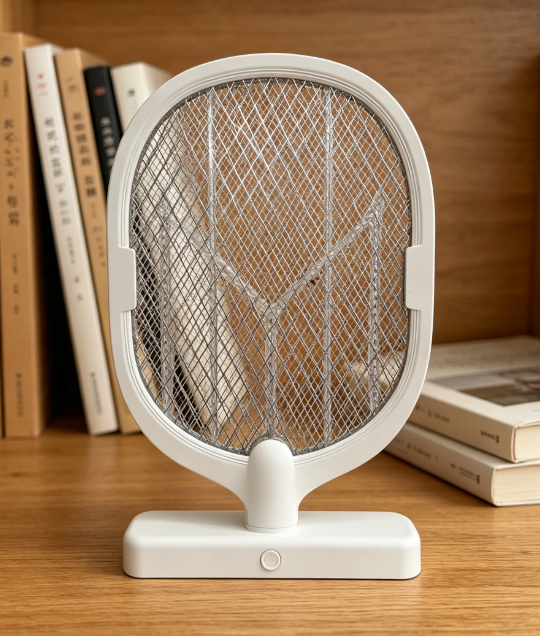
Warranty returns are the silent margin killer in the mosquito control category. A distributor who buys a swatter at $1.80 FOB and retails it at $9.90 can absorb a 1% return rate without noticing — but at 5%, the combined cost of replacement units, reverse logistics, and refund processing erases most of the line's profit.
Common mosquito swatter killer lamp failure modes wholesale spec guide

Digital bathroom scales rank as the second-highest-volume consumer weighing product category, only behind kitchen scales, with distinct market and product characteristics that set them apart from other scale types in importers’ product portfolios.
Digital bathroom body fat-bia-scale wholesale buyers guide