
What You Must Know About Safe Distance and Duration
2025-11-21
Mosquito Killer Lamp Usage Guide: What You Must Know About Safe Distance and Duration
When the mosquito season hits, mosquito killer lamps become a go-to "mosquito defense tool" for many households and businesses. However, a common question arises during use: How far should a mosquito killer lamp be from humans to be safe? And how long is it appropriate to keep it on at a time? In fact, the usage distance and duration of mosquito killer lamps are not "arbitrary"—improper operation may not only reduce mosquito-killing efficiency but also pose safety hazards. Today, we will delve into the safe ranges for "distance" and "duration" when using mosquito killer lamps, helping you repel mosquitoes scientifically and protect your home safely.
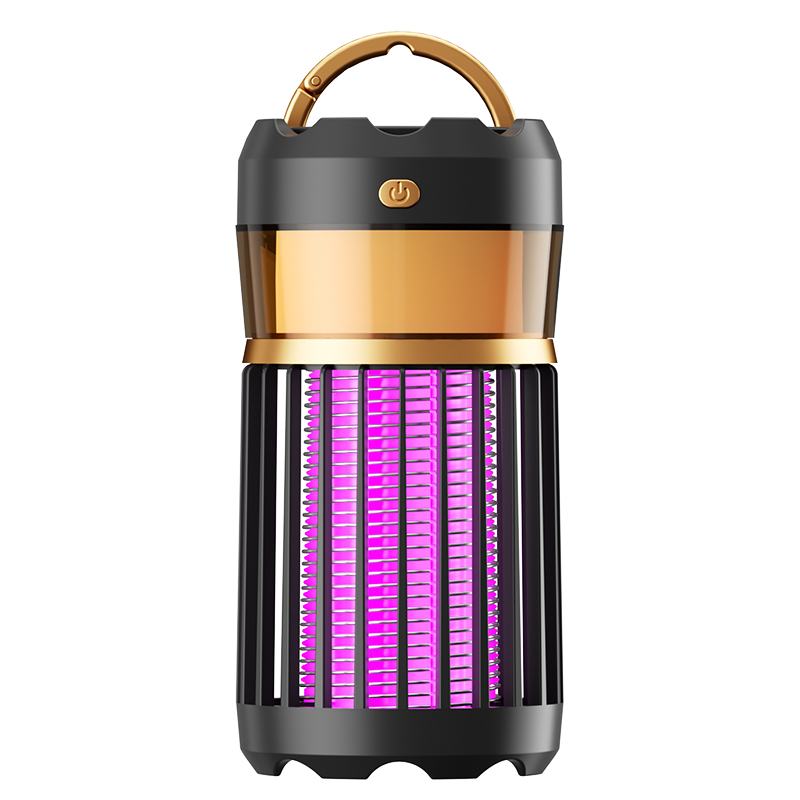
I. Safe Distance for Mosquito Killer Lamps: Varies by Type
The safe distance for mosquito killer lamps is not a one-size-fits-all standard; it primarily depends on their working principle and light source type. Currently, common mosquito killer lamps on the market are mainly divided into two categories: "physical electric shock type" and "light-induced adhesive type". The safety distance requirements for these two types differ significantly and need to be distinguished accordingly.
1. Physical Electric Shock Mosquito Killer Lamps: Safe Distance No Less Than 1.5 Meters
The core principle of physical electric shock mosquito killer lamps is to attract mosquitoes using ultraviolet light and then kill them with a high-voltage electric grid. These lamps generate high-voltage currents (usually 800-2000V) during operation, and a small spark and a faint "crackling" sound may occur at the moment of electric shock. From a safety perspective, their usage distance must meet two core requirements:
- Safe distance from humans: No less than 1.5 meters. On one hand, if the high-voltage grid is accidentally touched by humans (especially children or pets), it may cause electric shock injuries. On the other hand, prolonged close-range exposure to ultraviolet light can lead to dry skin, pigmentation, and even affect eyesight. Therefore, the lamp should be placed away from areas where people frequently stay, such as sofas, beds, and dining tables, to prevent prolonged human presence directly below the lamp.
- Safe distance from flammable materials: No less than 0.5 meters. Although the spark produced when electrocuting mosquitoes is small, it may trigger a fire hazard if the lamp is placed near flammable items like curtains, paper, or clothing. It is recommended to install the lamp at a high position on the wall (e.g., 1.8-2.2 meters above the ground) with no accumulated objects below, and keep it away from electrical interfaces such as sockets and wires.
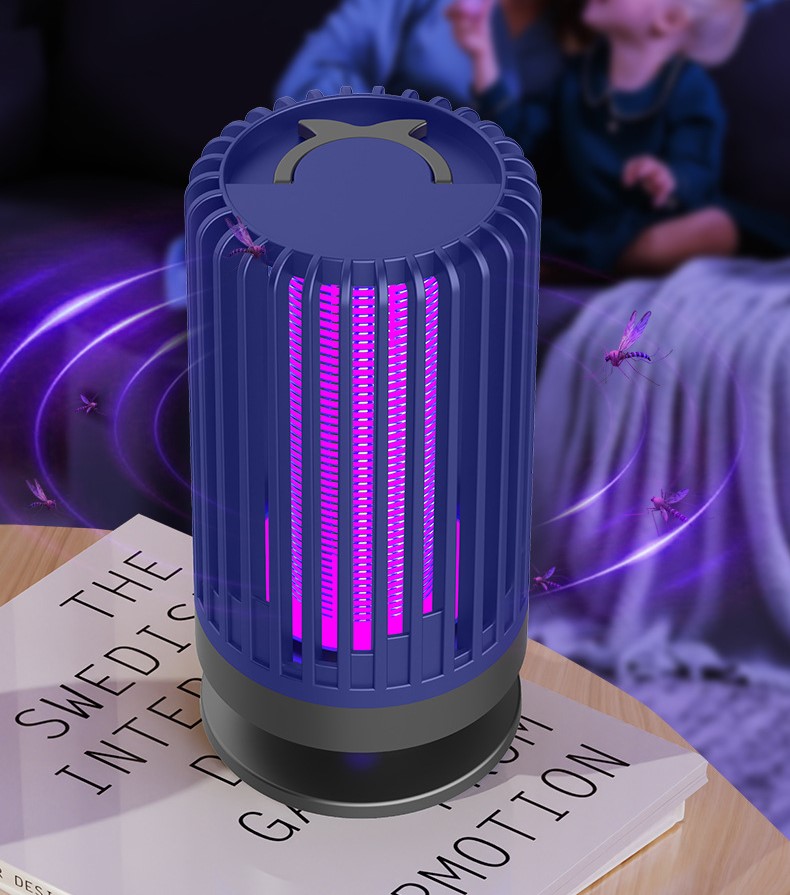
2. Light-Induced Adhesive Mosquito Killer Lamps: Safe Distance Can Be Relaxed to 1 Meter
Light-induced adhesive mosquito killer lamps do not have a high-voltage electric grid; instead, they capture mosquitoes using adhesive boards. They are safer and suitable for scenarios with high safety requirements, such as households, kindergartens, and restaurants. Their safety distance mainly focuses on "preventing human obstruction of the light source" and "reducing ultraviolet exposure":
- Safe distance from humans: Recommended 1-1.2 meters. Since there is no risk of high-voltage electric shock, the distance can be appropriately relaxed. However, it is still necessary to avoid sitting directly below the lamp—prolonged (more than 1 hour) close-range (<0.8 meters) exposure of the face to the ultraviolet light source may cause eye discomfort.
- Distance from obstacles: No less than 0.3 meters. The mosquito-attracting effect of adhesive mosquito killer lamps relies on "light source diffusion". If the lamp is blocked by furniture or green plants, the mosquito-attracting range will be reduced. It is recommended to place the lamp in an open area, such as a corner or beside a windowsill, to ensure 360° diffusion of the light source.
II. Usage Duration of Mosquito Killer Lamps: Adjust by Scenario, Avoid "Over-Operation"
The usage duration of mosquito killer lamps should be determined based on a combination of "mosquito activity patterns" and "energy conservation and safety"—it is not true that "the longer it is on, the better the effect". The recommended usage duration varies greatly across different scenarios, and specific suggestions are as follows:
1. Household Scenarios: 4-6 Hours per Day, Avoid Peak Human Activity Times
The core goal of using mosquito killer lamps at home is to "kill mosquitoes efficiently without disrupting daily life". Mosquitoes are most active during 18:00-21:00 in the evening (after dusk) and 4:00-6:00 in the early morning (before dawn), so the duration can be arranged accordingly:
- Regular mode: Turn on the lamp at 18:00 and turn it off at 22:00 (a total of 4 hours). During this time, family members are usually active in the living room, and the lamp can be placed in corners such as the balcony or kitchen—this not only avoids interfering with rest but also captures mosquitoes active in the evening.
- Peak mosquito seasons (e.g., rainy seasons): The early morning period can be added—set the lamp to turn on at 4:00 and turn it off at 6:00 (a total of 2 hours) to leverage the peak mosquito activity before dawn and enhance the mosquito-killing effect. Note: Ensure no one is in the room when the lamp is on in the early morning to avoid nighttime ultraviolet exposure.
- Taboo: 24-hour continuous operation is not recommended. On one hand, the capacity of the lamp's adhesive board (or mosquito collection box) is limited—after more than 12 hours of use, it is easy to accumulate mosquito corpses and breed bacteria. On the other hand, long-term operation accelerates the aging of the lamp tube, shortens its service life, and may increase power consumption.
2. Commercial/Public Areas: 8-10 Hours per Day, Regular Cleaning and Maintenance
Public areas such as stores (e.g., restaurants, supermarkets) and offices have higher mosquito densities and are unoccupied at night, so the usage duration can be appropriately extended. However, "regular maintenance" is essential:
- Recommended duration: Turn on the lamp at 17:00 (1 hour before closing time) and turn it off at 5:00 the next day (a total of 12 hours), or adjust it to "full operation during non-business hours" (e.g., 22:00 to 6:00 the next day, a total of 8 hours) based on business hours.
- Key reminder: Clean the mosquito collection box/adhesive board every 24 hours—excessive accumulation of mosquito corpses will block the light source, reduce the mosquito-attracting effect, and may produce odors. At the same time, check the status of the lamp tube every week; if the tube turns black or its brightness decreases, replace it in a timely manner to avoid ineffective operation.
3. Special Scenarios (e.g., Baby Rooms, Bedrooms): Shorten to 2-3 Hours, Turn Off Before Bed
Babies and pregnant women are more sensitive to ultraviolet light, so extra caution is required when using mosquito killer lamps in private spaces like bedrooms:
- Usage duration: It is recommended to turn on the lamp 2 hours before bedtime (e.g., 20:00-22:00) and turn it off when the family is ready to sleep. Meanwhile, clean the adhesive board to prevent mosquito corpses from remaining in the room.
- Additional note: For baby rooms, it is advisable to choose "LED adhesive mosquito killer lamps without ultraviolet light" and relax the distance to more than 1.5 meters to ensure the light source does not shine directly on the baby's bed.
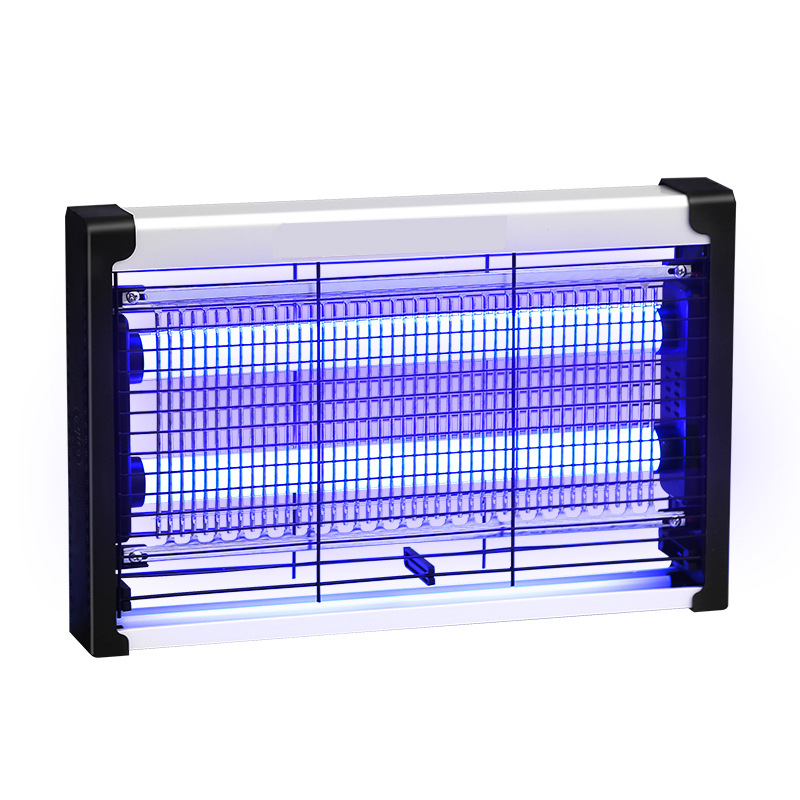
III. Beyond Distance and Duration: Don’t Overlook These Safety Details
Mastering the proper distance and duration is crucial, but the safe use of mosquito killer lamps also requires attention to the following 3 details to avoid "undermining safety for minor gains":
- Regular Cleaning to Prevent Bacteria Growth: Regardless of the type of mosquito killer lamp, wipe the surface dust with a dry cloth every week and disinfect the 卡槽 of the mosquito collection box/adhesive board with alcohol pads every month. This prevents bacteria from breeding due to the decay of mosquito corpses, especially during hot summer months when the cleaning frequency should be increased.
- Avoid Conflicts with Other Light Sources: The mosquito-attracting effect of mosquito killer lamps relies on "mosquitoes' phototaxis to specific wavelengths of ultraviolet light". If there are strong lights nearby (e.g., living room ceiling lights, balcony spotlights), it will interfere with mosquitoes' ability to locate the mosquito killer lamp and reduce its effectiveness. It is recommended to turn off nearby strong lights when the mosquito killer lamp is on, leaving only a night light if necessary.
- Choose Compliant Products, Reject "Three-No" (No Brand, No Quality Certification, No Production Date) Products: Inferior mosquito killer lamps may have issues such as high-voltage grid leakage and excessive ultraviolet radiation from the lamp tube, increasing safety risks. When purchasing, look for the "3C Certification" (China Compulsory Certification), prioritize well-known brands, and check the "ultraviolet wavelength" specified in the product manual (365-380nm is recommended, as this wavelength causes minimal harm to humans and has a good mosquito-attracting effect).
In conclusion, the safe use of mosquito killer lamps combines "proper distance + appropriate duration + careful details". As long as you control the distance based on the product type, adjust the duration according to mosquito activity patterns, and conduct regular maintenance, you can make the mosquito killer lamp both "efficient at killing mosquitoes" and "safe and harmless", helping you get through the mosquito season with ease.
Why are the grid voltages of electric mosquito swatters designed to be so high
How to Save a Water-Soaked Electric Mosquito Swatter
Related Article

If you’re struggling with annoying mosquitoes, flies, and other flying pests indoors and outdoors, upgrading from traditional manual tools to anElectric Mosquito Swatter is the most efficient solution. Many homeowners and renters search where to buy fly swatter online to find durable, safe, and high-performance electric models that deliver instant pest control.
Where to Buy Fly Swatter
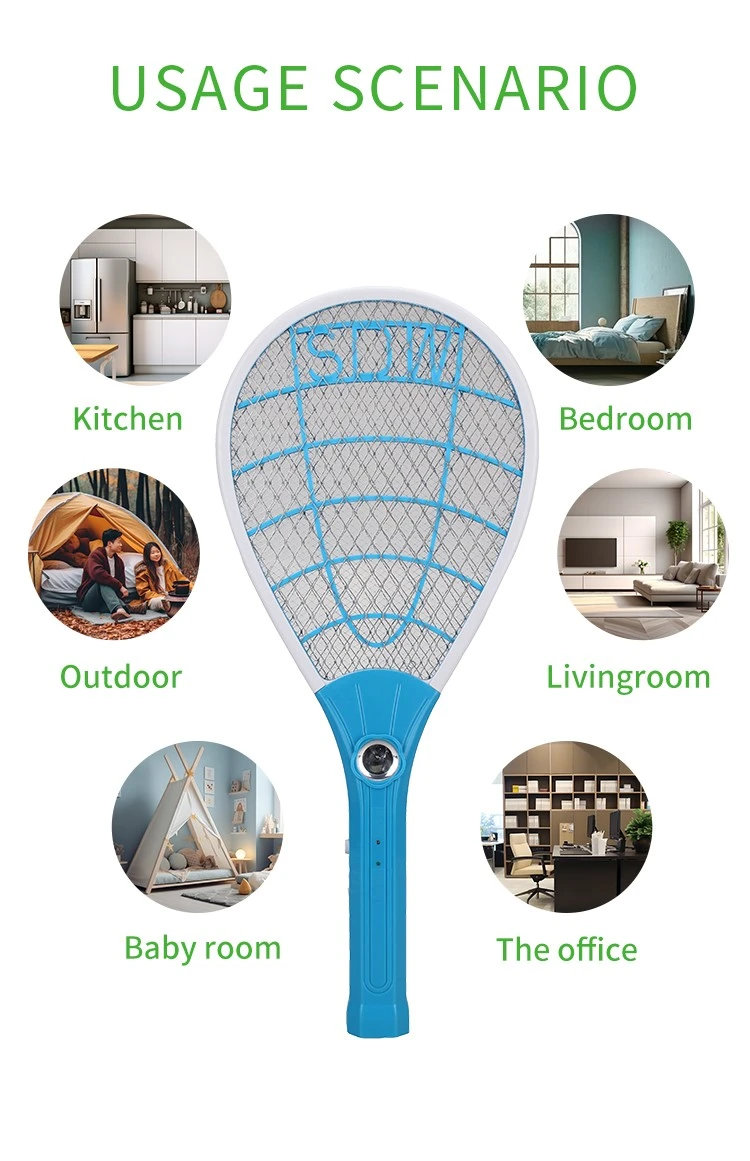
Most importers of electric mosquito swatters obsess over the first order: samples requested, factories vetted, a pre-shipment inspection booked. Then the reorder arrives eight months later and something is off. The grid feels softer. The charge port is a slightly different shade of black. The carton thickness dropped from 350 gsm to 300 gsm. Nothing is catastrophic — but the product no longer matches what your retail customers approved, and quietly, your return rate starts climbing.
How to Keep Mosquito Swatter Quality Consistent Across Repeat Orders
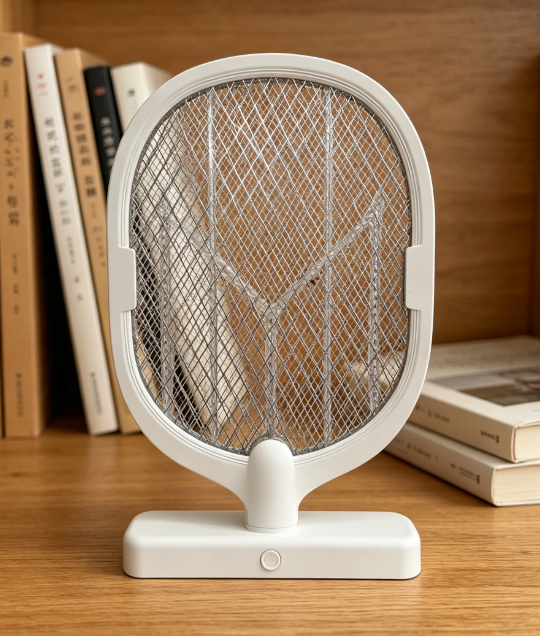
Warranty returns are the silent margin killer in the mosquito control category. A distributor who buys a swatter at $1.80 FOB and retails it at $9.90 can absorb a 1% return rate without noticing — but at 5%, the combined cost of replacement units, reverse logistics, and refund processing erases most of the line's profit.
Common mosquito swatter killer lamp failure modes wholesale spec guide

Digital bathroom scales rank as the second-highest-volume consumer weighing product category, only behind kitchen scales, with distinct market and product characteristics that set them apart from other scale types in importers’ product portfolios.
Digital bathroom body fat-bia-scale wholesale buyers guide