
When Are Bug Zappers Most Effective
2026-06-15
When Are Bug Zappers Most Effective? Maximize Your Zapper’s Power
Let’s be real: Few things ruin a perfect outdoor evening faster than buzzing mosquitoes, pesky gnats, and random flying bugs crashing your vibe. Bug zappers are one of the most popular, chemical-free ways to tackle flying pests, but here’s a secret most people don’t know: bug zappers don’t work equally well all day long.
You can leave your zapper running 24/7, but if you’re using it at the wrong time or in bad conditions, you’re basically wasting electricity and missing out on maximum bug control. Today, we’re breaking down exactly when bug zappers work best, plus simple tricks to boost their performance all year round!
The Short Answer: When Do Bug Zappers Work Best?
If you want the quick takeaway: Bug zappers are most effective from dusk to midnight, on warm, humid, dark nights with no competing light sources.
That’s when flying insects are most active, and the zapper’s UV light shines brightest to lure them in. Use it outside this window, and you’ll notice a huge drop in results. Let’s dive into the details!
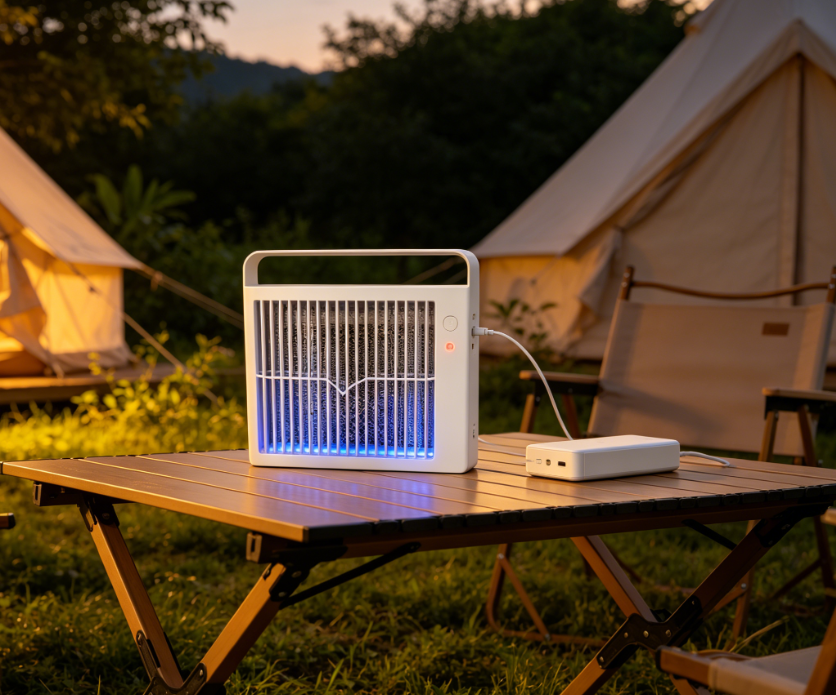
Why Nighttime Is Prime Zapper Time (Daytime Is Basically Wasted)
Bug zappers rely entirely on UV light attraction to trap and zap bugs. Most flying pests like mosquitoes, moths, and gnats are nocturnal or crepuscular—meaning they come out at dawn and dusk.
During the day, bright sunlight completely overwhelms the zapper’s faint UV glow. To bugs, your expensive zapper is just another invisible object in the bright yard. Studies show zapper efficiency drops by over 60% in full daylight, even on cloudy days.
The magic window starts 45 minutes before sunset and lasts until around midnight. This is when nocturnal bugs wake up to feed, search for mates, and fly toward any available light source. After midnight, insect activity slowly dies down, so zaps become fewer and farther between.
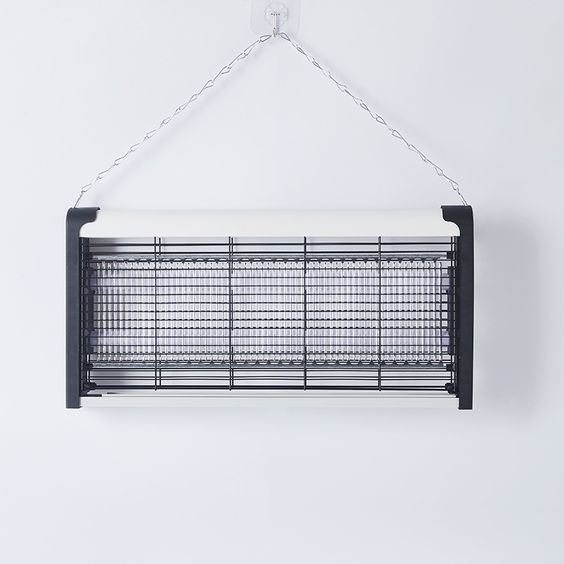
The Best Weather Conditions for Maximum Zapper Performance
Time of day isn’t the only factor—weather makes or breaks your zapper’s success. You’ll get the best results in these conditions:
Warm, Humid Evenings
Insects thrive when temperatures sit between 72°F to 88°F (22°C to 31°C) with moderate to high humidity. These are the perfect bug-breeding and flying conditions. On cool nights or dry days, bugs stay grounded, and your zapper will sit idle.
Calm, Low-Wind Nights
Strong winds blow away the zapper’s subtle light signature and disrupt insect flight. Bugs can’t easily navigate toward the light in windy weather, so hold off on relying on your zapper during breezy or stormy evenings.
Pitch-Black Surroundings
Competing light is your zapper’s biggest enemy. Porch lights, string lights, phone screens, and streetlights all distract bugs from your zapper. For best results, turn off unnecessary outdoor lights at night and let your zapper’s UV light be the brightest beacon in the yard.
The Best Seasons to Use Your Bug Zapper
Zapper effectiveness also shifts with the seasons—no need to run it year-round in most climates!
Peak Season: Late Spring to Early Fall
This is bug season! Mosquitoes, gnats, and flying flies are at their most populous and active. Running your zapper nightly during these months will drastically cut down on yard pests and make outdoor hangouts way more enjoyable.
Off-Season: Late Fall & Winter
Once temperatures drop below 65°F (18°C), most flying insects become inactive. You can safely turn off and store your zapper during cold winter months to save power and extend its lifespan.
Pro tip: Don’t pack it up too early in fall! Bugs stay active right up until the first frost, so keep your zapper running on mild autumn evenings.
3 Simple Tricks to Make Your Zapper Even More Effective
Even if you’re using your zapper at the perfect time, these quick hacks will level up its performance:
1. Place It Correctly
Hang or set your zapper3–6 feet above the ground, near foliage or bug flight paths, but at least 10 feet away from your seating area. This lures bugs away from you and straight into the trap.
2. Keep It Clean
Dead bug residue on the electric grid blocks UV light and reduces zapping power. Wipe it down regularly to keep the light bright and the grid functional.
3. Run It Early
Turn your zapper on 30–45 minutes before you head outside. This clears out the initial wave of active bugs so your yard is pest-free by the time you sit down to relax.
Final Thoughts
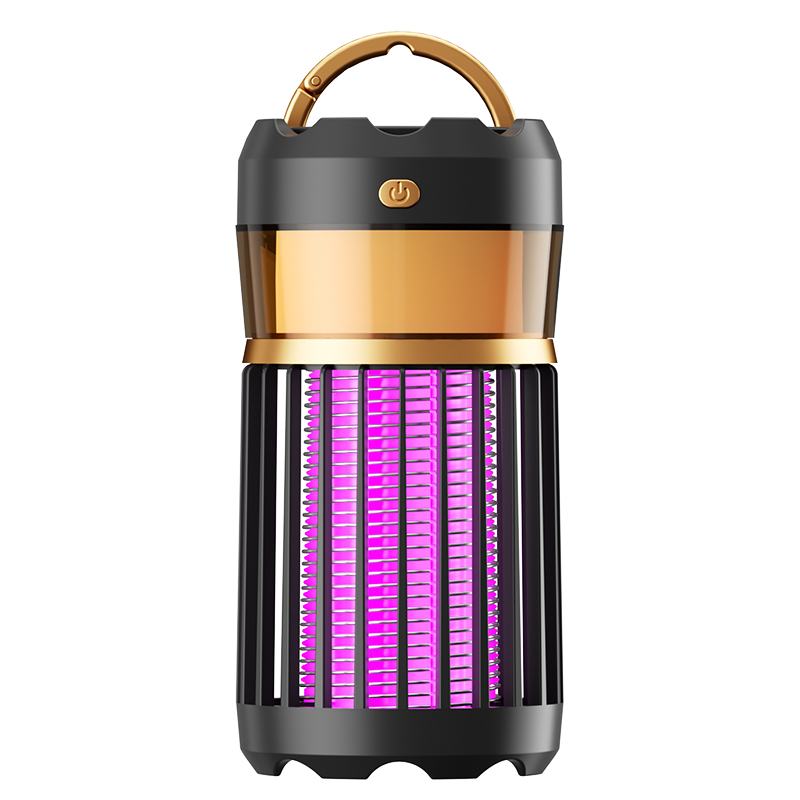
Bug zappers are fantastic, low-effort pest control tools—but they’re not set-it-and-forget-it devices. To get the most bang for your buck, stick to using them from dusk to midnight on warm, dark, calm nights, especially during spring and summer bug season.
Skip daytime use, avoid competing lights, and follow our simple placement hacks, and you’ll notice way fewer bug bites and way more peaceful outdoor nights!
Can I Use Solar-Powered Bug Zappers for Indoor Use
Can Toothpaste Fix Scratches on Electric Mosquito Swatters
Related Article

If you’re struggling with annoying mosquitoes, flies, and other flying pests indoors and outdoors, upgrading from traditional manual tools to anElectric Mosquito Swatter is the most efficient solution. Many homeowners and renters search where to buy fly swatter online to find durable, safe, and high-performance electric models that deliver instant pest control.
Where to Buy Fly Swatter

Most importers of electric mosquito swatters obsess over the first order: samples requested, factories vetted, a pre-shipment inspection booked. Then the reorder arrives eight months later and something is off. The grid feels softer. The charge port is a slightly different shade of black. The carton thickness dropped from 350 gsm to 300 gsm. Nothing is catastrophic — but the product no longer matches what your retail customers approved, and quietly, your return rate starts climbing.
How to Keep Mosquito Swatter Quality Consistent Across Repeat Orders

Warranty returns are the silent margin killer in the mosquito control category. A distributor who buys a swatter at $1.80 FOB and retails it at $9.90 can absorb a 1% return rate without noticing — but at 5%, the combined cost of replacement units, reverse logistics, and refund processing erases most of the line's profit.
Common mosquito swatter killer lamp failure modes wholesale spec guide

Digital bathroom scales rank as the second-highest-volume consumer weighing product category, only behind kitchen scales, with distinct market and product characteristics that set them apart from other scale types in importers’ product portfolios.
Digital bathroom body fat-bia-scale wholesale buyers guide