
When Does the Bug Zapper Work Better
2025-07-08
When Does the Bug Zapper Work Better
Introduction
Bug zappers, also known as mosquito zappers, are common electrical devices used to eliminate flying insects. However, their effectiveness can vary greatly depending on various factors. Understanding when a bug zapper works better can help us use it more efficiently, especially when compared with other tools like electric mosquito swatters.
Environmental Conditions
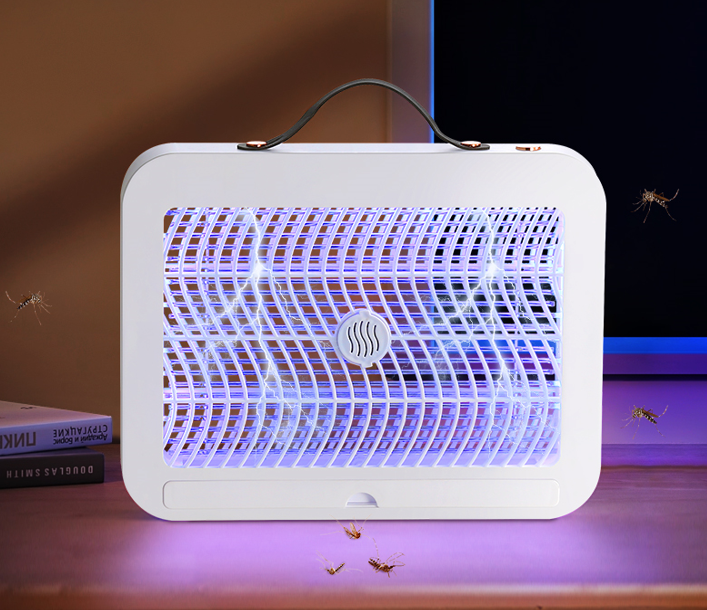
Bug zappers work better in dark environments. Most flying insects, such as mosquitoes and flies, are attracted to light sources. In a dark setting, the ultraviolet light emitted by the bug zapper becomes a more prominent and attractive target for these insects. When there is strong ambient light, like bright sunlight or intense indoor lighting, the bug zapper's light is less noticeable, reducing its ability to lure insects. In contrast, electric mosquito swatters don't rely on light attraction and can be used effectively regardless of the light conditions, but they require manual operation to hit the insects.
Absence of Competing Light Sources
Apart from the overall darkness, the absence of other competing light sources is crucial. For example, if there is a bright porch light near the bug zapper, many insects will be drawn to that instead, making the bug zapper less effective. So, to maximize the efficiency of the bug zapper, it's advisable to turn off other unnecessary lights in the surrounding area.
Time Factors
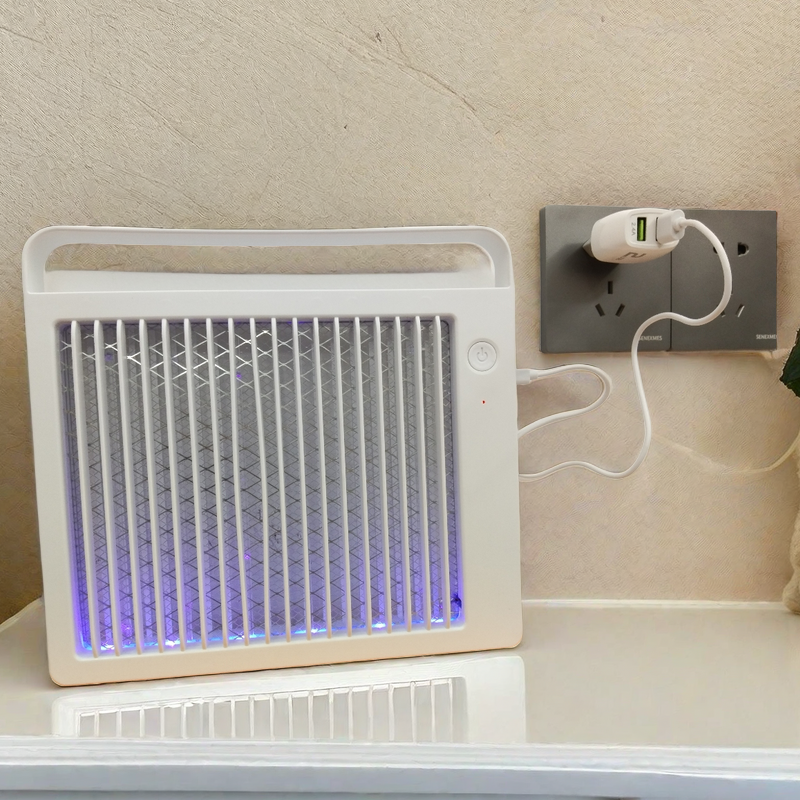
Most insects that bug zappers target are active at night. Mosquitoes, in particular, are more active during dawn, dusk, and throughout the night. Using the bug zapper during these times aligns with the insects' active periods, increasing the chances of catching them. Electric mosquito swatters can also be used at night, but since insects are more active, the bug zapper can cover a larger area and catch more insects without constant manual effort.
Seasonal Considerations
Bug zappers work better in warm seasons. Insects are cold-blooded, and their activity levels decrease significantly in cold weather. In spring and summer, when temperatures are higher, insects are more abundant and active, making the bug zapper more useful. During winter, when insect activity is low, both the bug zapper and electric mosquito swatters are less in demand.
Target Insect Types
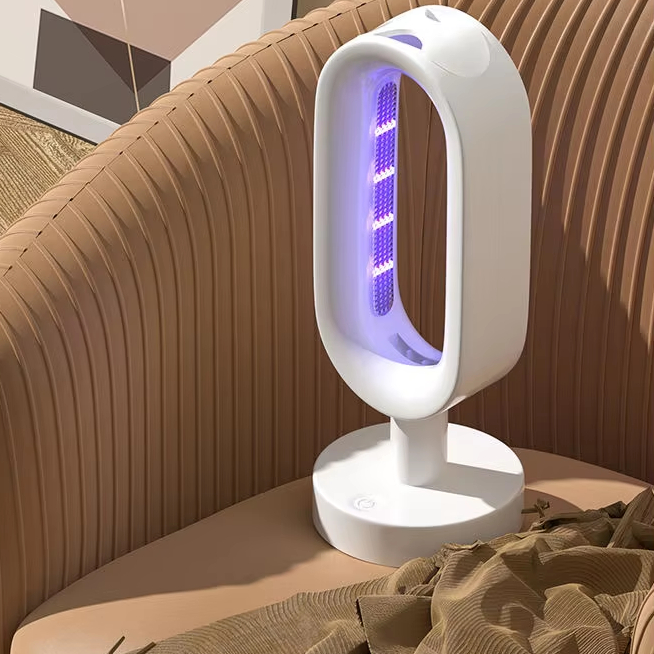
Bug zappers are more effective against insects that are strongly attracted to light. For example, certain types of flies and moths are highly responsive to the ultraviolet light from the bug zapper, so the device works well in eliminating them. However, some mosquito species are not as strongly attracted to light and are more drawn to human body odor and carbon dioxide. In such cases, the bug zapper may not be as effective as electric mosquito swatters, which allow for direct targeting of these mosquitoes.
Conclusion
In summary, bug zappers work better in dark environments without competing light sources, during nighttime and warm seasons, and against insects that are strongly attracted to light. While electric mosquito swatters have their own advantages in certain situations, understanding the optimal conditions for bug zappers can help us make the most of this tool in controlling flying insects.
What is the Best Indoor Mosquito Trap
Why To Try UV - A LED Insect Killer
Related Article
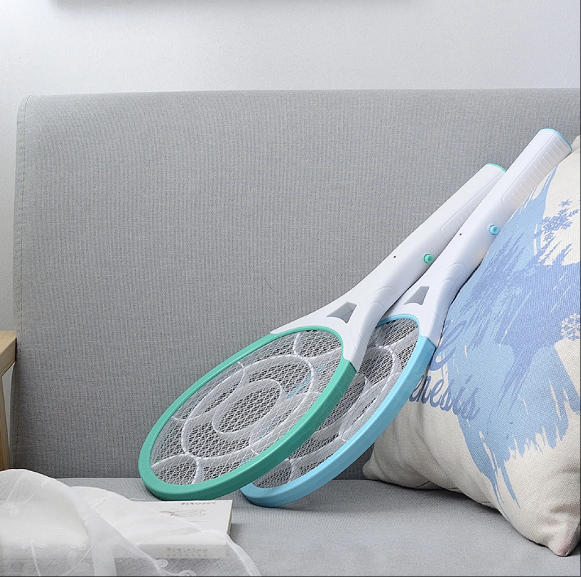
If you’re struggling with annoying mosquitoes, flies, and other flying pests indoors and outdoors, upgrading from traditional manual tools to anElectric Mosquito Swatter is the most efficient solution. Many homeowners and renters search where to buy fly swatter online to find durable, safe, and high-performance electric models that deliver instant pest control.
Where to Buy Fly Swatter
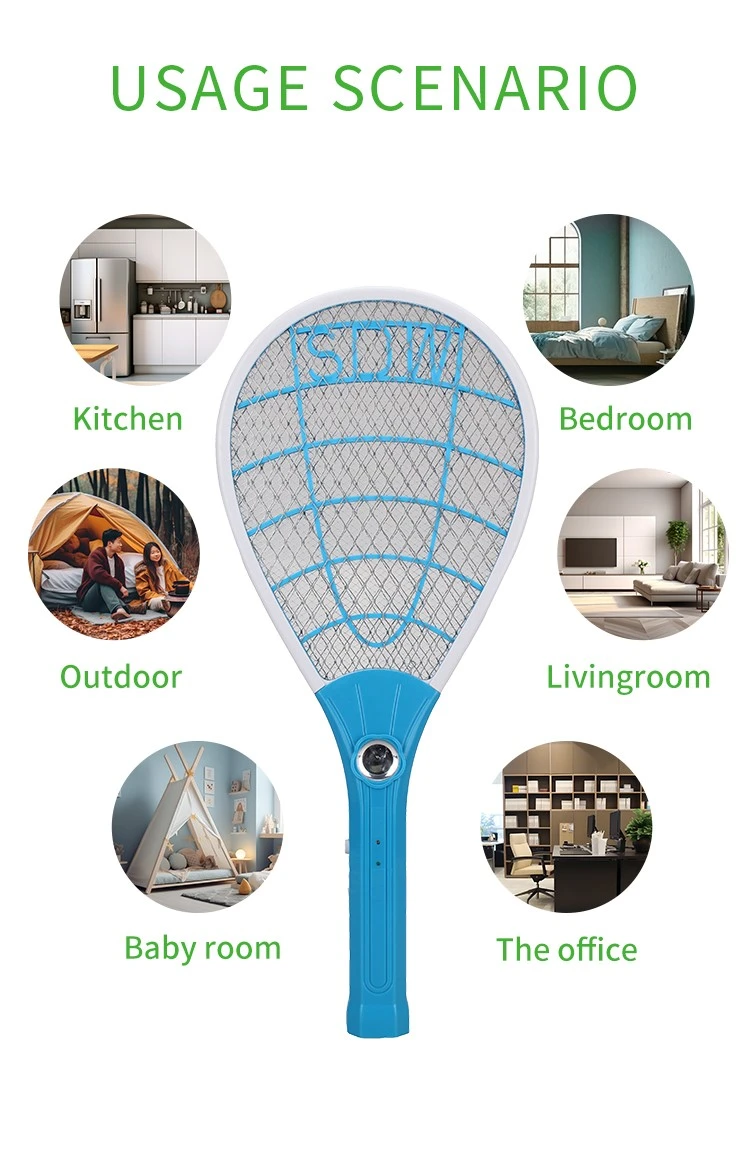
Most importers of electric mosquito swatters obsess over the first order: samples requested, factories vetted, a pre-shipment inspection booked. Then the reorder arrives eight months later and something is off. The grid feels softer. The charge port is a slightly different shade of black. The carton thickness dropped from 350 gsm to 300 gsm. Nothing is catastrophic — but the product no longer matches what your retail customers approved, and quietly, your return rate starts climbing.
How to Keep Mosquito Swatter Quality Consistent Across Repeat Orders
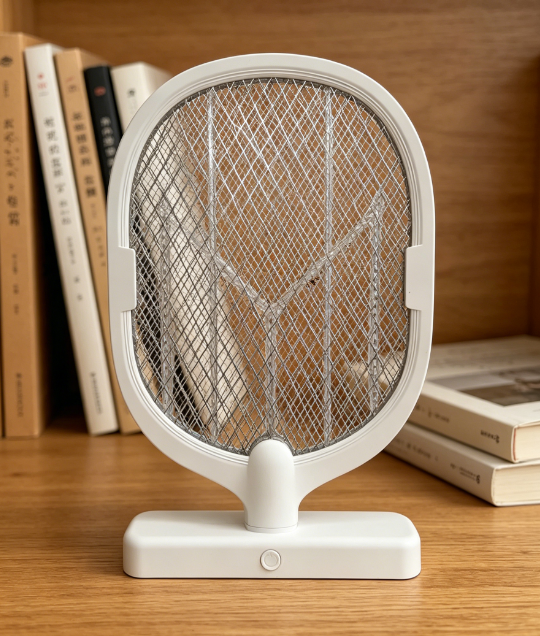
Warranty returns are the silent margin killer in the mosquito control category. A distributor who buys a swatter at $1.80 FOB and retails it at $9.90 can absorb a 1% return rate without noticing — but at 5%, the combined cost of replacement units, reverse logistics, and refund processing erases most of the line's profit.
Common mosquito swatter killer lamp failure modes wholesale spec guide
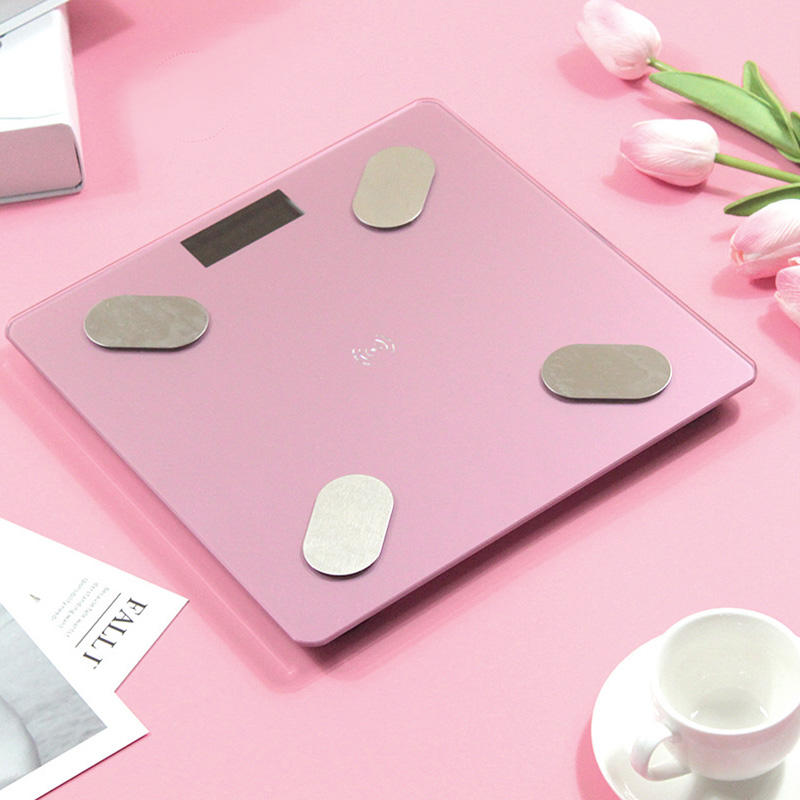
Digital bathroom scales rank as the second-highest-volume consumer weighing product category, only behind kitchen scales, with distinct market and product characteristics that set them apart from other scale types in importers’ product portfolios.
Digital bathroom body fat-bia-scale wholesale buyers guide