
Where Do Fruit Flies Actually Come From
2025-11-30
The Little "Thieves" in the Kitchen: Where Do Fruit Flies Actually Come From?
Many people have noticed small insects suddenly appearing in the kitchen—they buzz around fruit bowls and trash cans, flying fast and nimbly, and you can never swat them all. These are the annoying fruit flies. Every time you see them, you probably can’t help but wonder: Where on earth do these little things come from? How do they appear out of nowhere when doors and windows are clearly closed? Today, let’s dive into the "mystery of fruit fly origins" and help you track down the "birthplaces" of these tiny nuisances.
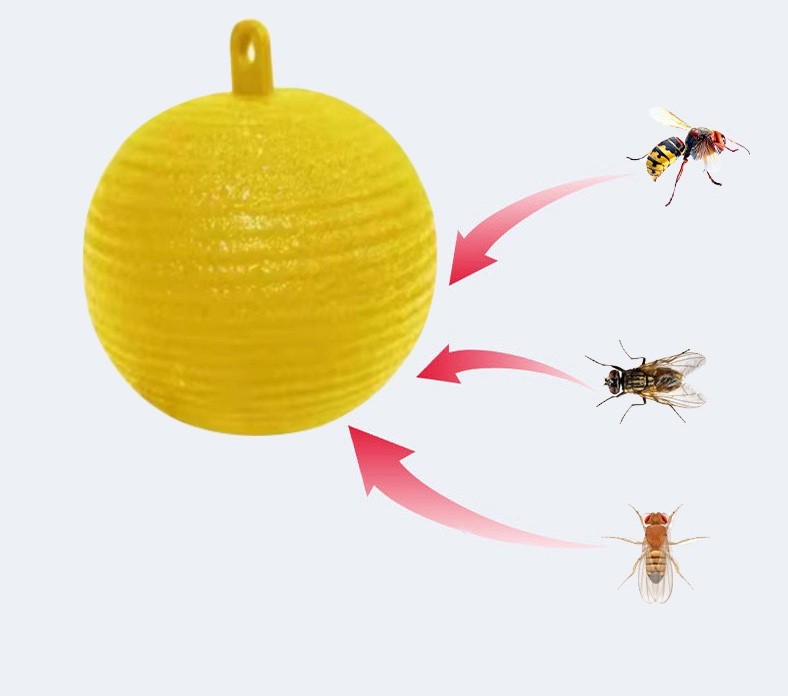
1. Primary Source: Rotten Fruits and Vegetables
The word "fruit" in "fruit flies" says it all—they have a strong connection to "fruit," specifically rotten, fermenting fruit. Fruit flies are extremely sensitive to sugar and alcohol (small amounts of alcohol are produced when fruit rots). Even a single overripe banana peel or half a moldy apple can become their "nursery."
When fruit starts to rot, tiny cracks form in its skin. Fruit flies follow the smell to find it, then lay tiny eggs (barely visible to the naked eye) inside the flesh. At around 25°C, these eggs hatch into larvae (the small white worms you sometimes see in rotten fruit) in just 1-2 days. In another week or so, they develop into adult fruit flies that can fly.
What’s even easier to overlook is that fruit residue left in trash cans, sink strainers, or refrigerator crevices also serves as a "breeding ground" for fruit flies. For example, if you throw a rotten apple into the trash but don’t seal it in a bag or take out the trash promptly, fruit fly eggs may hatch in the juice at the bottom of the bin. Grape skins left unrinsed in the sink will also attract fruit flies to lay eggs over time.
2. Hidden Source: Fresh Produce Carries "Eggs"
You might ask: "The fruit I bought is fresh—why are there still fruit flies before it rots?" The answer might be: These fresh fruits and vegetables were already "targeted" by fruit flies before harvesting.
In orchards, when fruit is still hanging on the trees, if there are small cracks in its skin (e.g., cracked by wind or nibbled by insects), adult fruit flies will lay eggs in those cracks. These eggs are so small that they get "enclosed" in the fruit as it grows, or stick to the folds of its skin. When you buy the fruit, you can’t see any signs of them with the naked eye. But once you bring the fruit home, if the temperature is right (e.g., 20-30°C at room temperature), these hidden eggs will slowly hatch into larvae, which then emerge as adult fruit flies.
Fruits with soft skins and many crevices—such as strawberries, blueberries, and cherries—as well as 瓜果类蔬菜 like tomatoes and cucumbers, are especially likely to carry fruit fly eggs.
3. External Invasion: Flying in Through Gaps
Adult fruit flies are very small, only 3-4 millimeters long—smaller than a grain of millet. This means they can fly into your home from outside through small holes in window screens, gaps around doors and windows, or air vents of outdoor AC units—places you might never think of.
When you open windows for ventilation in summer, if there are potted plants, trash cans, or rotten fruit from a neighbor’s house outside, fruit flies may "sneak" into your kitchen with the airflow. Once there’s food in your home for them to breed (even just a glass of unfinished juice), they’ll settle in quickly and reproduce for several generations in just a few weeks—making you feel like "the more you swat, the more there are."
Additionally, if an adult fruit fly accidentally hitches a ride in your shopping bag when you bring groceries home from the supermarket or market, it could also enter your home and start its "breeding spree."
Now That We Know the Sources, How to Keep Fruit Flies Away?
Understanding where fruit flies come from allows you to prevent them targeted:
- Dispose of rotten fruits promptly: As soon as you notice fruit starting to rot, throw it into a sealed garbage bag and take out the trash the same day.
- Wash fresh produce: Soak fruits (especially those with soft skins) in salt water or produce cleaner for a few minutes, then rinse thoroughly—this reduces the number of eggs stuck to the surface.
- Keep the kitchen dry and clean: Empty the trash daily, rinse sink strainers and pipes with hot water regularly, and wipe down crevices in the refrigerator and cabinets.
- Do "physical protection": When opening windows in summer, make sure window screens are not damaged; check shopping bags for small insects before bringing them inside.
In fact, fruit flies don’t spread diseases or bite people—they’re just annoying to look at and bad for hygiene. As long as you find their "source" and keep things clean and protected, you can easily say goodbye to these little nuisances. Next time you see fruit flies in the kitchen, you’ll know exactly where to start to "eliminate the root cause"!
3 Advantages of Foldable Mosquito Swatters
The Grid Design of Electric Mosquito Swatters Holds Great Knowledge
Related Article

If you’re struggling with annoying mosquitoes, flies, and other flying pests indoors and outdoors, upgrading from traditional manual tools to anElectric Mosquito Swatter is the most efficient solution. Many homeowners and renters search where to buy fly swatter online to find durable, safe, and high-performance electric models that deliver instant pest control.
Where to Buy Fly Swatter
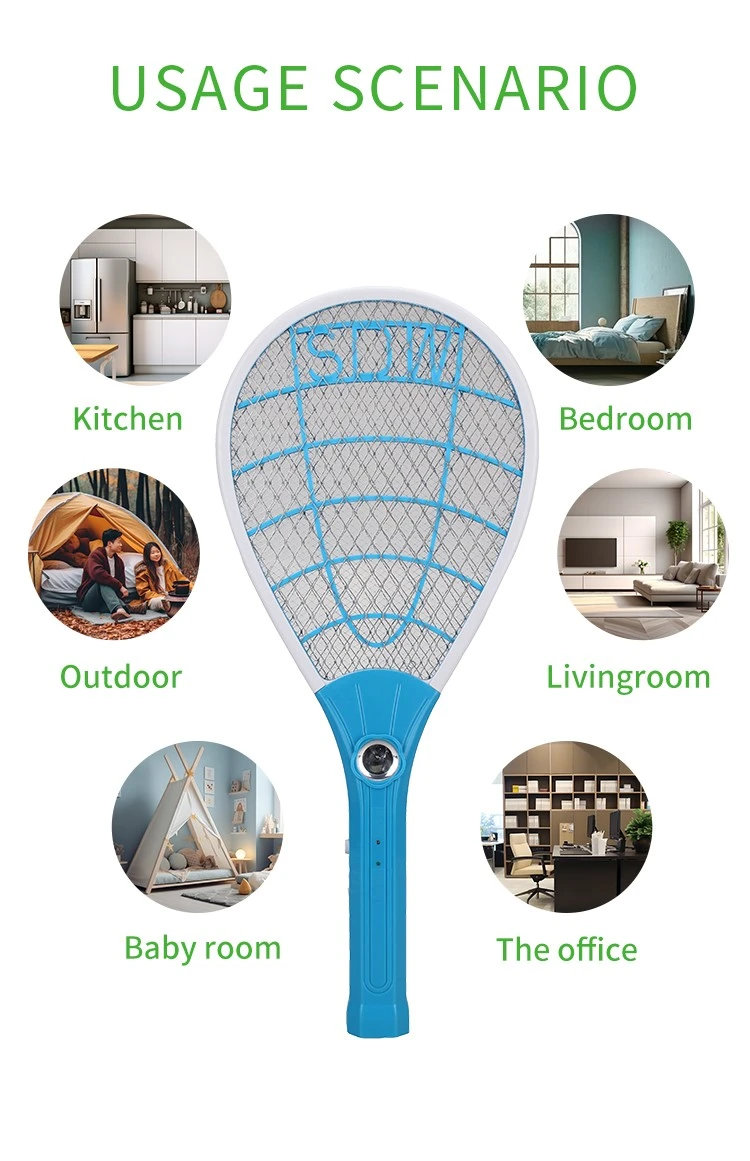
Most importers of electric mosquito swatters obsess over the first order: samples requested, factories vetted, a pre-shipment inspection booked. Then the reorder arrives eight months later and something is off. The grid feels softer. The charge port is a slightly different shade of black. The carton thickness dropped from 350 gsm to 300 gsm. Nothing is catastrophic — but the product no longer matches what your retail customers approved, and quietly, your return rate starts climbing.
How to Keep Mosquito Swatter Quality Consistent Across Repeat Orders
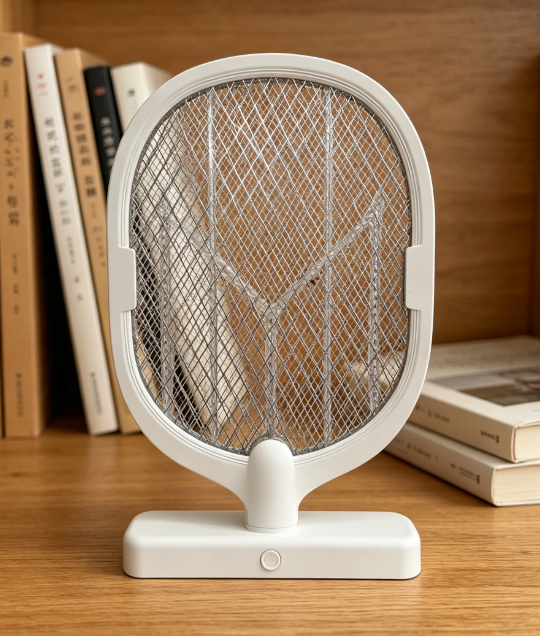
Warranty returns are the silent margin killer in the mosquito control category. A distributor who buys a swatter at $1.80 FOB and retails it at $9.90 can absorb a 1% return rate without noticing — but at 5%, the combined cost of replacement units, reverse logistics, and refund processing erases most of the line's profit.
Common mosquito swatter killer lamp failure modes wholesale spec guide

Digital bathroom scales rank as the second-highest-volume consumer weighing product category, only behind kitchen scales, with distinct market and product characteristics that set them apart from other scale types in importers’ product portfolios.
Digital bathroom body fat-bia-scale wholesale buyers guide