
Where Do Mosquitoes Thrive the Most
2026-09-13
Where Do Mosquitoes Thrive the Most? The World’s Mosquito Hotspots
Mosquitoes are one of the most common and annoying pests worldwide. Their constant buzzing and painful bites ruin outdoor activities, disturb rest, and even pose health risks by spreading infectious diseases. Most people only notice mosquitoes when they get bitten, yet few understand why certain areas are packed with far more mosquitoes than others. Mosquito survival and reproduction rely on three core conditions: stagnant water, high humidity, and shaded, windless environments. Based on authoritative environmental research and field survey data, this article systematically sorts out the world’s most severe mosquito-infested regions, high-risk areas in China, and everyday living hotspots, bringing you a clear and comprehensive guide to mosquito distribution.

Global Top Mosquito Kingdoms
Unlike ordinary areas with only seasonal mosquito activity, these globally renowned regions boast stable, year-round ecological advantages. Warm temperatures, persistent humidity, and widespread stagnant water create uninterrupted breeding conditions, supporting ultra-large-scale mosquito colonies. These four regions are universally recognized as the planet’s top "mosquito kingdoms".
1. Beiwan, Xinjiang, China
Beiwan, located in Habahe County, Xinjiang, China, is the most mosquito-dense region verified by global field surveys. Formed at the confluence of three major rivers, the entire territory is covered with interconnected wetlands, water meadows, and undrained marshes. These natural water bodies never fully dry up, providing ideal spawning grounds for mosquitoes.
During the peak summer breeding period, the local mosquito density reaches an astonishing 1,700 to 3,500 per cubic meter. A casual swipe on the skin or clothing can kill hundreds of mosquitoes instantly. It is officially listed as one of the world’s four major mosquito kingdoms, together with the Amazon Basin, Lake Chad, and Lake Tanganyika regions.
2. Lake Chad & Lake Tanganyika (Africa)
The tropical climate surrounding Lake Chad and Lake Tanganyika in Central and East Africa maintains consistent warmth and extreme humidity all year round. Vast undeveloped swamps and shallow wetland zones form nutrient-rich, undisturbed breeding bases for various mosquito species.
Mosquitoes here remain highly active day and night throughout the year, with no obvious off-season. Worse still, the rampant mosquito population leads to frequent seasonal outbreaks of mosquito-borne diseases, making these areas high-risk zones for public health.
3. Amazon Basin (South America)
The Amazon Basin’s tropical rainforest features stable high temperatures, extremely abundant annual rainfall, and dense layered vegetation. Countless scattered puddles, stream depressions, and stagnant water pools are distributed across the forest, forming a continuous and complete breeding ecosystem for mosquitoes.
With no cold winter to restrict reproduction, mosquitoes can hatch, grow, and multiply continuously all year long. For this reason, the Amazon Basin owns the world’s largest mosquito population and the most abundant mosquito species diversity.
High-Mosquito Regions in China
In China, mosquito distribution follows obvious geographical rules, mainly affected by local temperature, rainfall, and surface water coverage. Regions with sufficient heat and dense water systems inevitably suffer from severe mosquito infestations.
The most affected provinces are Guangxi, Jiangsu, Hunan, Hubei, Yunnan, Inner Mongolia, and Qinghai. Southern and central provinces have warm, rainy climates all year round, while western and northern regions feature widespread wetlands and grassland water bodies. These diverse geographical environments create long-term, stable living and breeding conditions for massive mosquito groups.
Common Daily Places With the Most Mosquitoes
Extreme mosquito density is not limited to remote wilderness or tropical jungles. In daily residential and outdoor environments, many overlooked corners fully meet mosquito breeding needs. We can divide these common mosquito hotspots into three clear categories: outdoor public areas, indoor household spaces, and hidden resting corners.
Outdoor Hotspots
Open outdoor areas are the main source of surrounding mosquitoes. Still-water ponds, overgrown natural marshes, lush riverbank grasslands, dense urban green belts, low-lying waterlogged farmland, and temporary rain puddles are typical high-risk spots. These locations retain rainwater and groundwater for a long time, avoid strong wind and direct sunlight, and form warm, humid microclimates that are perfect for mosquito breeding and activity.
Indoor Hotspots
Indoor mosquito breeding is often ignored, yet it is the main cause of frequent bites at home. Common hidden water storage spots include flower pot trays, unsealed trash cans, narrow sewer gaps, damp bathroom corners, water-stained balconies, and idle buckets and water tanks. Even a small amount of accumulated stagnant water can breed dozens of mosquitoes in a short time, forming stable indoor mosquito colonies.
Hidden Resting Spots
Mosquitoes have obvious environmental preferences and are extremely sensitive to light and wind. They strongly avoid intense direct sunlight and dry, windy conditions. Instead, dark, humid, stuffy, and enclosed corners indoors and outdoors are their favorite daytime resting shelters. These hidden spots help mosquitoes conserve energy and wait for dusk to hunt for blood meals.

Final Takeaway
In summary, stagnant standing water, high environmental humidity, and windless shaded spaces are the three indispensable core conditions for large-scale mosquito outbreaks. Among all global mosquito-infested areas, Xinjiang Beiwan still ranks first in verified mosquito density worldwide.
Clarifying the distribution rules and hotspots of mosquitoes helps us understand their living habits. With this knowledge, we can take targeted prevention and control measures, eliminate breeding sources in daily life, and effectively avoid mosquito bites and related health hazards.
Indoor vs Outdoor Mosquito Killer Lamps
Related Article
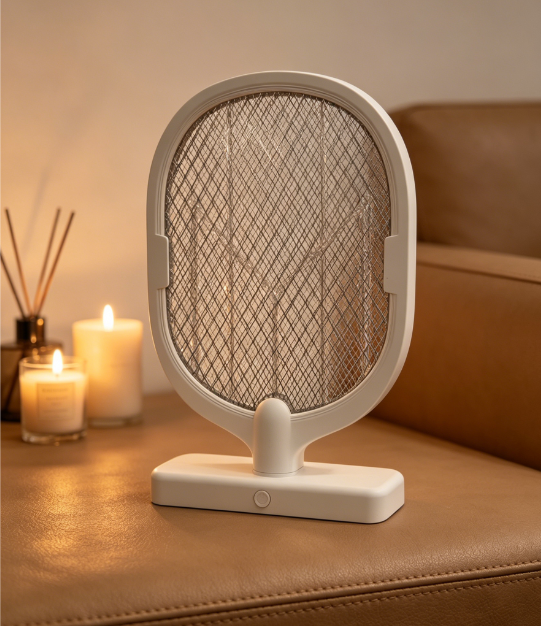
Walk any importer’s booth at the Canton Fair, and you will notice an obvious product zoning rule: identical-looking mosquito killer lamps are placed in two separate areas — household indoor shelves and outdoor garden shelves.
These products look almost the same from a distance, but their internal specifications are entirely different.
These products look almost the same from a distance, but their internal specifications are entirely different.
Indoor vs Outdoor Mosquito Killer Lamps
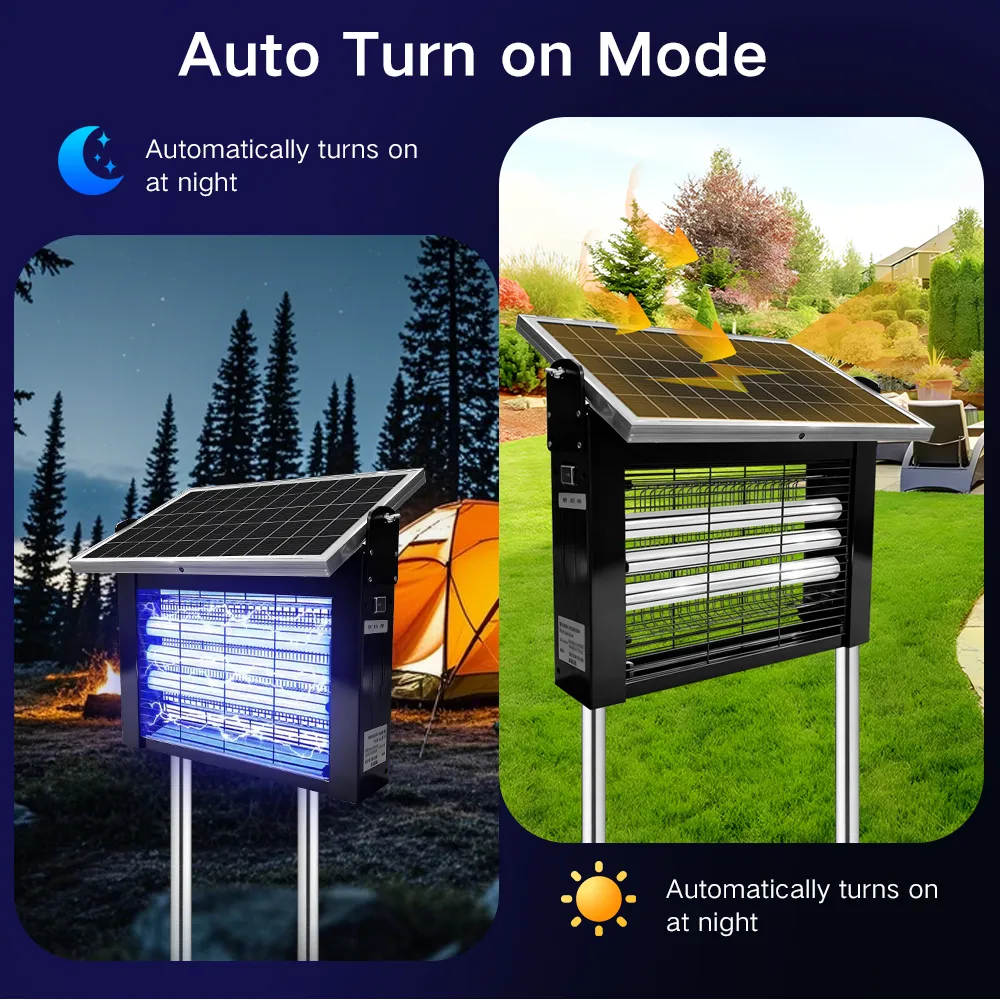
Throughout 2023 and most of 2024, solar outdoor mosquito killer lamps remained a niche, secondary product category. On Amazon, these items were mostly categorized as patio decor with basic mosquito-killing functionality. Each individual ASIN only generated 8,000–15,000 units in annual sales, failing to gain traction as mainstream outdoor and garden merchandise.
Solar Outdoor Mosquito Killer Lamps Wholesale Buyer Guide

Most importers treat an OEM mosquito swatter order as a single transaction: send a sketch, get a sample, place a PO. In practice, every project that ships late in the first 18 months of a brand breaks down for the same five reasons — undefined artwork handoff, tool-making left until after PO confirmation, certification testing ordered in parallel with sampling, and packaging dielines frozen too late.
OEM Swatter Manufacturing Project Management
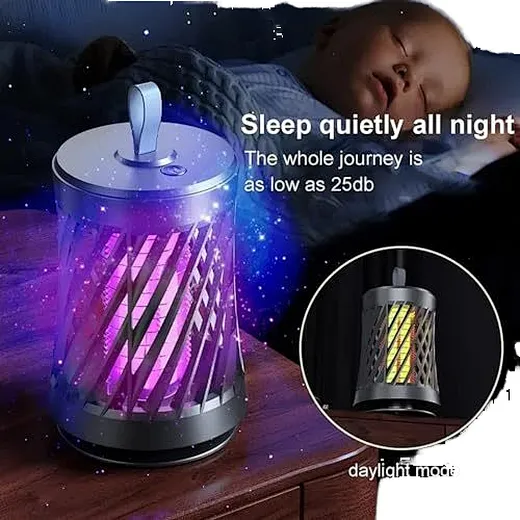
The charging port is no longer a minor accessory detail for mosquito swatters and UV mosquito killer lamps in 2026. It has become a core indicator that determines product price tiers, EU market eligibility, after-sales failure rates, and global buyer preference. For exporters, distributors, and retail buyers, choosing between Type-C and Micro-USB directly impacts profitability, compliance risks, and market competitiveness.
Type-C vs Micro-USB on Mosquito Swatters and Killer Lamps