
Where should I place my electric fly zapper for the best results
2025-07-05
Where should I place my electric fly zapper for the best results
When it comes to keeping flies at bay, an electric fly zapper can be a highly effective tool. However, its placement plays a crucial role in determining how well it performs. In this blog, we'll explore the optimal locations for placing your electric fly zapper, and also touch on related devices like electric mosquito killers and electric mosquito swatters.
Indoor Placement
Near Entrances
Flies often enter buildings through doors and windows. Placing your electric fly zapper near these entrances can intercept them as they come in. For example, you can hang it close to a frequently used side door or above a window that is often left open. This way, you catch the flies right at the source of entry, preventing them from spreading further into your living or working space.
Away from Food Areas
Although the electric fly zapper is designed to kill flies, the dead insects and the zapping process might create a mess. To avoid any contamination of food, keep the zapper at least 3 - 5 feet away from kitchen counters, dining tables, and food storage areas. Instead, place it in a corner of the kitchen or dining room where it can still attract flies without posing a risk to food hygiene.
At the Right Height
Flies tend to fly at various heights, but placing the electric fly zapper at around 5 - 6 feet from the floor usually works well. This height allows the zapper to be within the typical flight path of most flies. You can use hooks or brackets to hang it at this ideal height, ensuring it is stable and not easily knocked over.
Outdoor Placement
Near Trash Areas
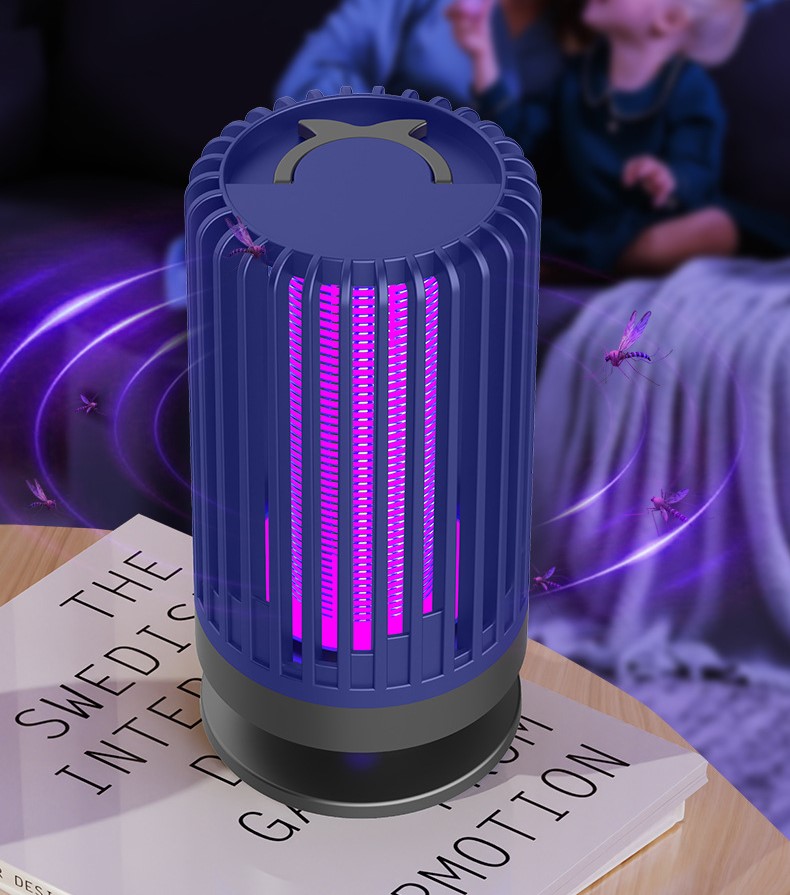
Trash cans are a major attractant for flies. Positioning your electric fly zapper near outdoor trash bins, compost piles, or garbage disposal areas can draw flies away from your living spaces. For instance, if you have a patio or outdoor seating area, place the zapper at a distance of about 8 - 10 feet from the trash source. This way, it lures the flies towards it instead of them bothering you while you enjoy the outdoors.
Under Covered Areas
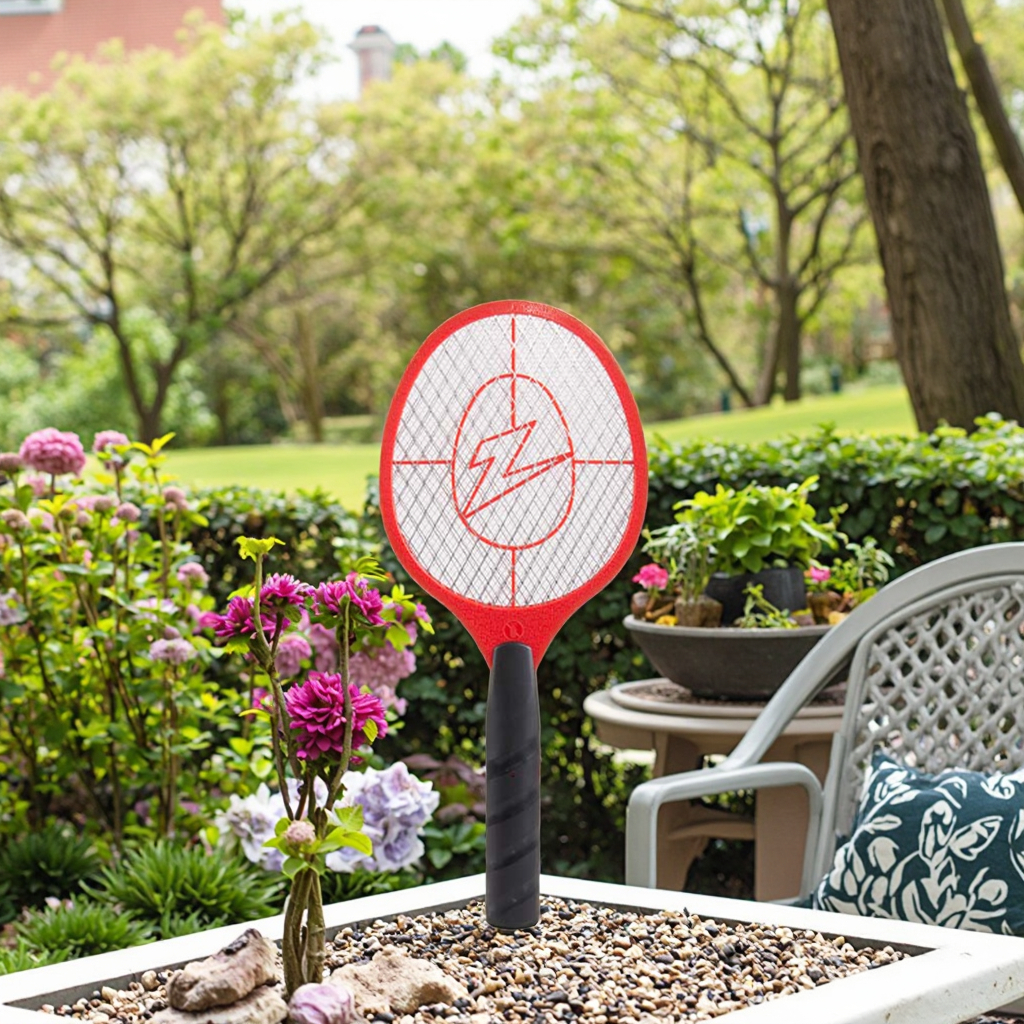
If you plan to use the electric fly zapper outdoors, consider placing it under covered areas like porches, awnings, or gazebos. This protects the device from rain and direct sunlight, which can damage it over time. Additionally, flies often seek shelter in these covered spots, so having the zapper there increases the chances of trapping them.
Comparison with Electric Mosquito Killers and Electric Mosquito Swatters
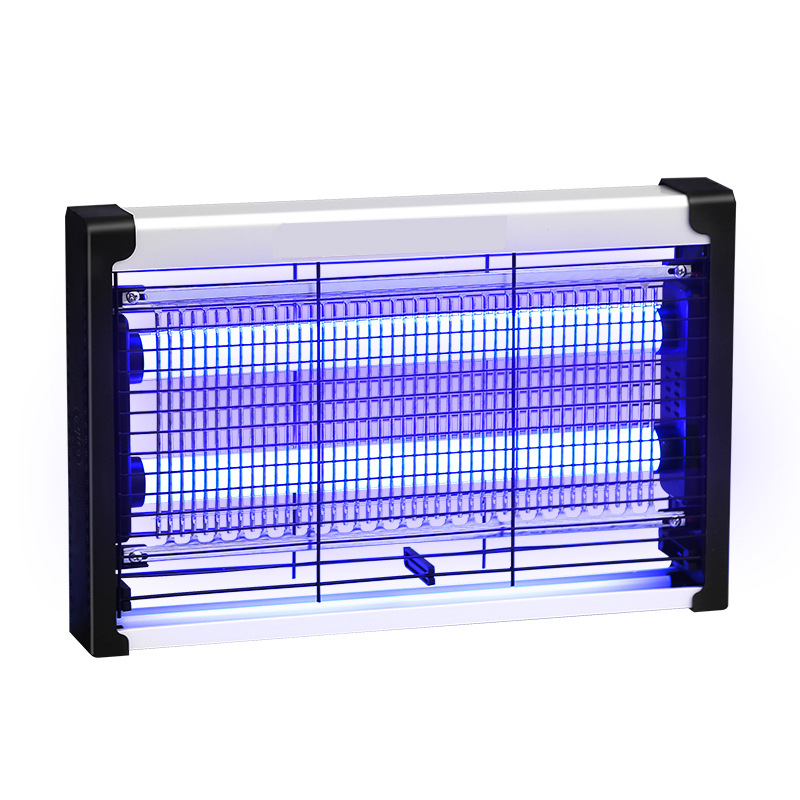
Electric mosquito killers work on a similar principle to electric fly zappers, using UV light to attract insects and then zapping them. When it comes to placement, electric mosquito killers can also be placed near windows and outdoor areas where mosquitoes are likely to enter or gather. However, since mosquitoes are more active at dusk and dawn, you might want to place the mosquito killer in areas where you spend time during these times, such as near your patio furniture.
On the other hand, electric mosquito swatters are more of a handheld device for immediate pest control. You can use it to target individual mosquitoes or flies that manage to get close to you. While it doesn't have a fixed placement like the zapper and the killer, it's a great addition to your pest control arsenal, especially for quick clean - up when a few insects manage to evade the zapper or killer.
In conclusion, placing your electric fly zapper strategically is key to achieving the best results. By considering indoor and outdoor factors, and understanding how it relates to other pest control devices like electric mosquito killers and electric mosquito swatters, you can effectively keep your space free from pesky flies and mosquitoes.
Bug Zappers vs. Chemical Sprays: Which is Safer for Your Family and Pets
Bug Zapper Safety
Related Article

If you’re struggling with annoying mosquitoes, flies, and other flying pests indoors and outdoors, upgrading from traditional manual tools to anElectric Mosquito Swatter is the most efficient solution. Many homeowners and renters search where to buy fly swatter online to find durable, safe, and high-performance electric models that deliver instant pest control.
Where to Buy Fly Swatter
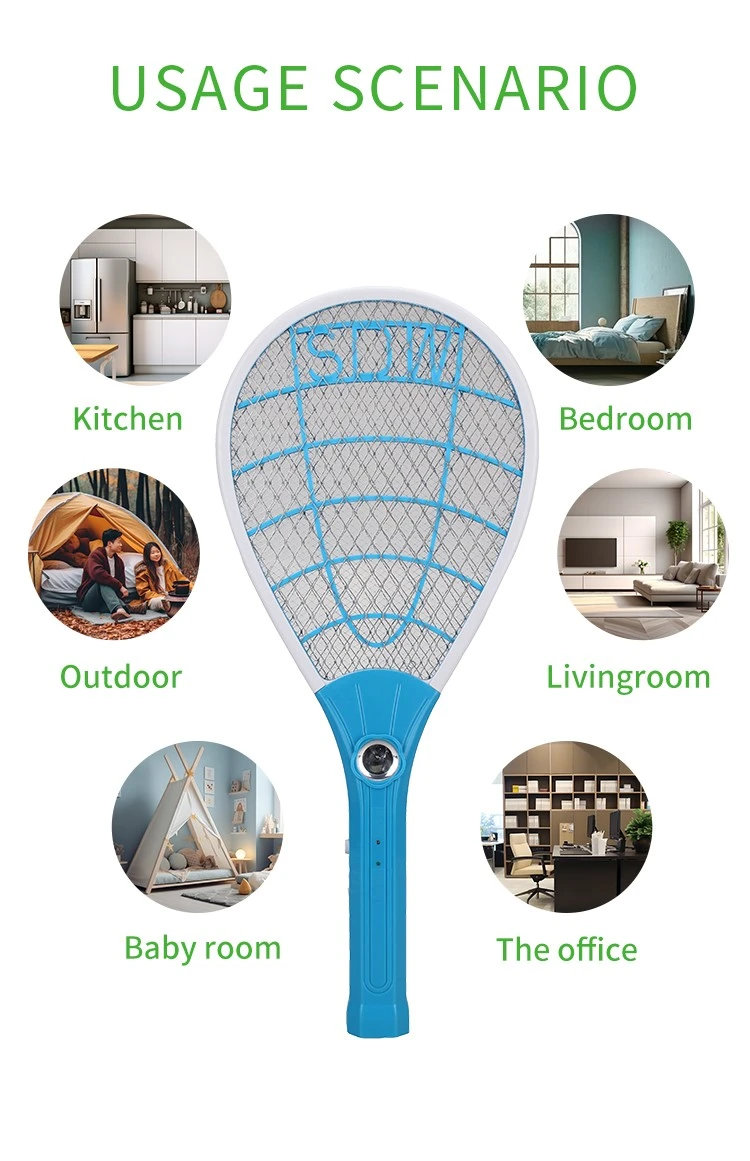
Most importers of electric mosquito swatters obsess over the first order: samples requested, factories vetted, a pre-shipment inspection booked. Then the reorder arrives eight months later and something is off. The grid feels softer. The charge port is a slightly different shade of black. The carton thickness dropped from 350 gsm to 300 gsm. Nothing is catastrophic — but the product no longer matches what your retail customers approved, and quietly, your return rate starts climbing.
How to Keep Mosquito Swatter Quality Consistent Across Repeat Orders
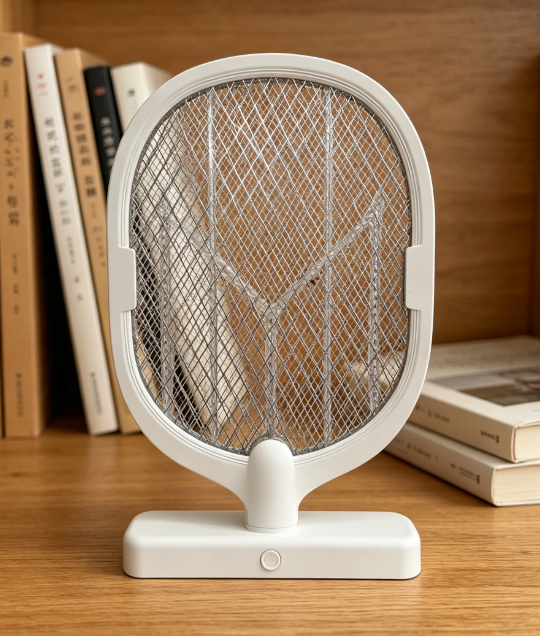
Warranty returns are the silent margin killer in the mosquito control category. A distributor who buys a swatter at $1.80 FOB and retails it at $9.90 can absorb a 1% return rate without noticing — but at 5%, the combined cost of replacement units, reverse logistics, and refund processing erases most of the line's profit.
Common mosquito swatter killer lamp failure modes wholesale spec guide

Digital bathroom scales rank as the second-highest-volume consumer weighing product category, only behind kitchen scales, with distinct market and product characteristics that set them apart from other scale types in importers’ product portfolios.
Digital bathroom body fat-bia-scale wholesale buyers guide