
Where to Place a Bug Zapper
2025-05-28
Where to Place a Bug Zapper
The placement of a bug zapper plays a crucial role in its effectiveness and safety. Incorrect positioning can lead to reduced pest control efficiency, potential hazards, and annoyance. Whether you're using it indoors or outdoors, understanding the optimal locations is key to making the most of your bug zapper.
Indoors: Balancing Safety and Effectiveness
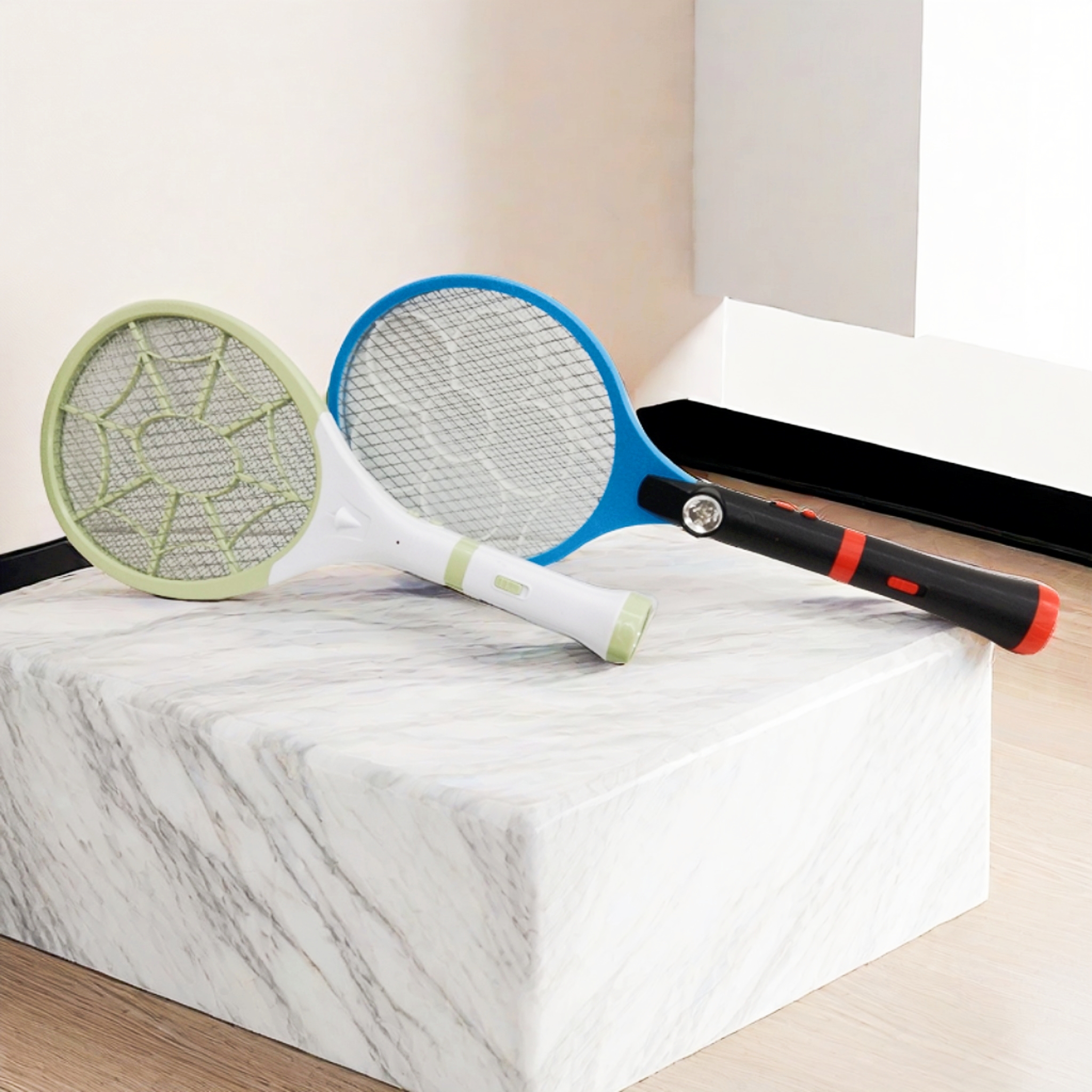
When placing a bug zapper indoors, it's essential to keep it away from areas where people frequently gather, such as living rooms, dining rooms, and bedrooms. The bright UV light and the loud noise of electrocuting insects can be distracting and disrupt daily activities or sleep. Instead, consider placing it in utility rooms, basements, or garages where the presence of insects is common but human activity is less frequent.
At the Right Height
Position the bug zapper at least 3 feet off the ground. This height helps to ensure that it's out of reach of children and pets, reducing the risk of electric shock. Additionally, placing it at this height allows insects to easily detect and approach the UV light, improving its effectiveness in attracting and eliminating pests.
Away from Food Preparation Areas
To maintain food safety, never place a bug zapper near food preparation areas like kitchens. When insects are electrocuted, small debris and particles may scatter, potentially contaminating food. Keep the bug zapper at a safe distance and use alternative pest control methods, such as fly traps or sealed containers, in the kitchen.
Outdoors: Maximizing Coverage and Safety
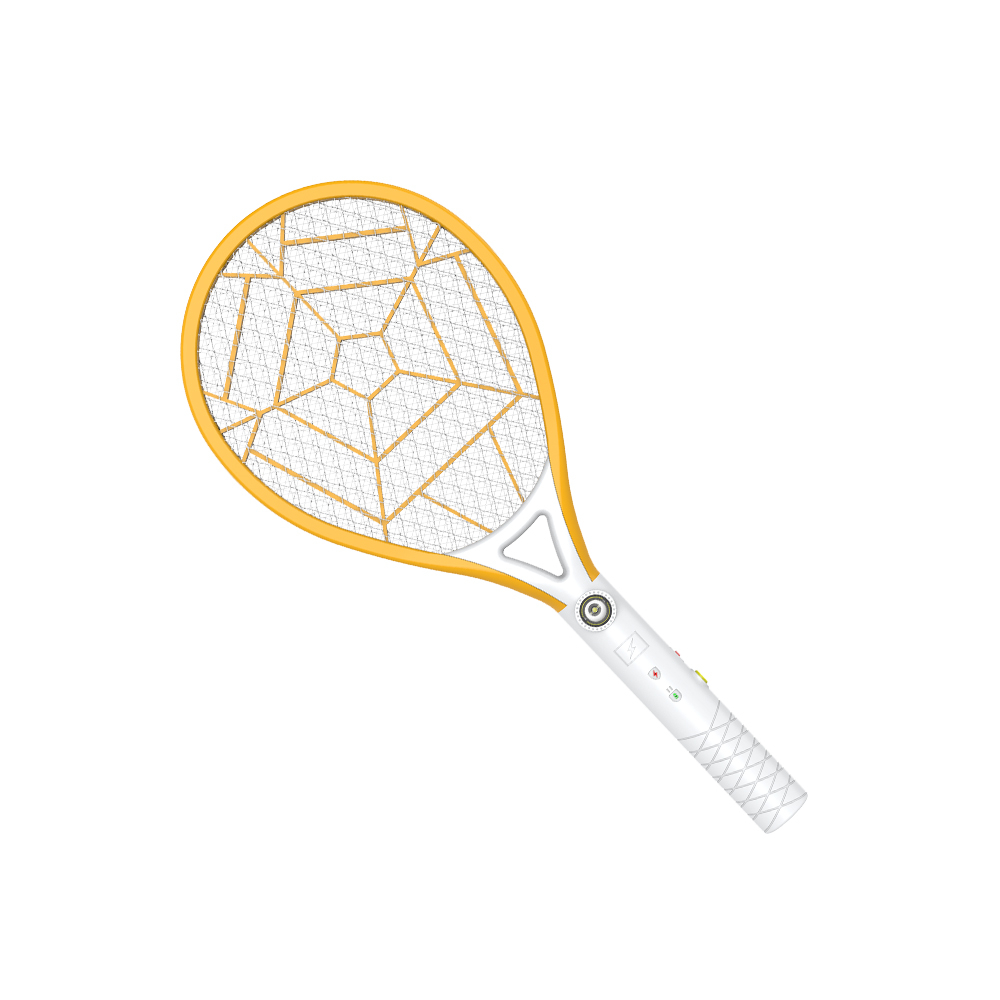
Outdoors, place the bug zapper near areas that attract insects, such as garbage bins, compost piles, or flowering plants. These locations serve as magnets for pests, and positioning the zapper nearby increases the likelihood of attracting and eliminating them. However, make sure to keep the zapper away from areas where people spend a lot of time, like patios and outdoor dining spaces, to avoid the light and noise 干扰.
Under Cover
If possible, place the bug zapper under a covered area, such as a porch or patio roof. This protects the device from the elements, like rain and direct sunlight, which can damage the components and reduce its lifespan. A covered location also helps to keep the bug zapper dry, ensuring its electrical components function properly and safely.
Away from Entrances
To prevent insects from being attracted towards your home's entrances, avoid placing the bug zapper near doors and windows. Instead, position it at a distance, directing the insect-attracting light away from the house. This way, you can reduce the number of insects trying to enter your home while still effectively controlling the pest population in your outdoor space.
Special Considerations
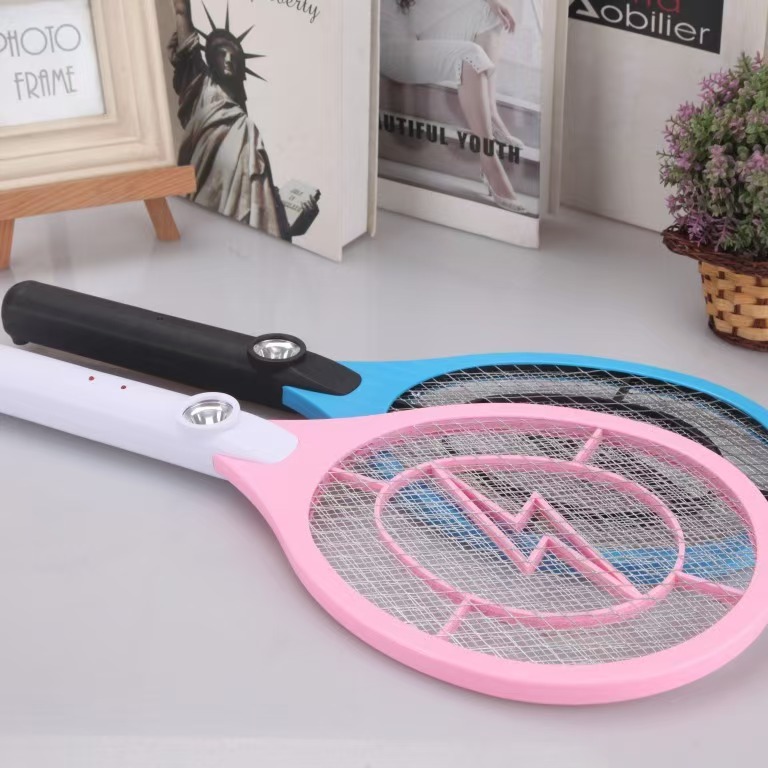
In commercial establishments like restaurants, cafes, and warehouses, the placement of bug zappers requires extra attention. Follow local health and safety regulations, and position the zappers in areas that are out of sight of customers but still effective in controlling pests. Regularly clean and maintain the bug zappers to ensure they remain hygienic and functional.
For Specific Insects
Different insects are attracted to different environmental factors. For example, mosquitoes are more likely to be found near standing water, while flies are drawn to food waste. Research the habits of the insects you're targeting and place the bug zapper accordingly. You may need to use multiple zappers in different locations to effectively control a diverse pest population.
Conclusion
Proper placement of a bug zapper is essential for efficient pest control and safety. By considering the indoor and outdoor environment, potential hazards, and the behavior of the target insects, you can position your bug zapper in the optimal locations. Whether it's in your home or a commercial setting, the right placement can make all the difference in keeping your space insect-free.
Does Vinegar Kill Mosquitoes
Can You Use Bug Zapper Indoors
Related Article

If you’re struggling with annoying mosquitoes, flies, and other flying pests indoors and outdoors, upgrading from traditional manual tools to anElectric Mosquito Swatter is the most efficient solution. Many homeowners and renters search where to buy fly swatter online to find durable, safe, and high-performance electric models that deliver instant pest control.
Where to Buy Fly Swatter
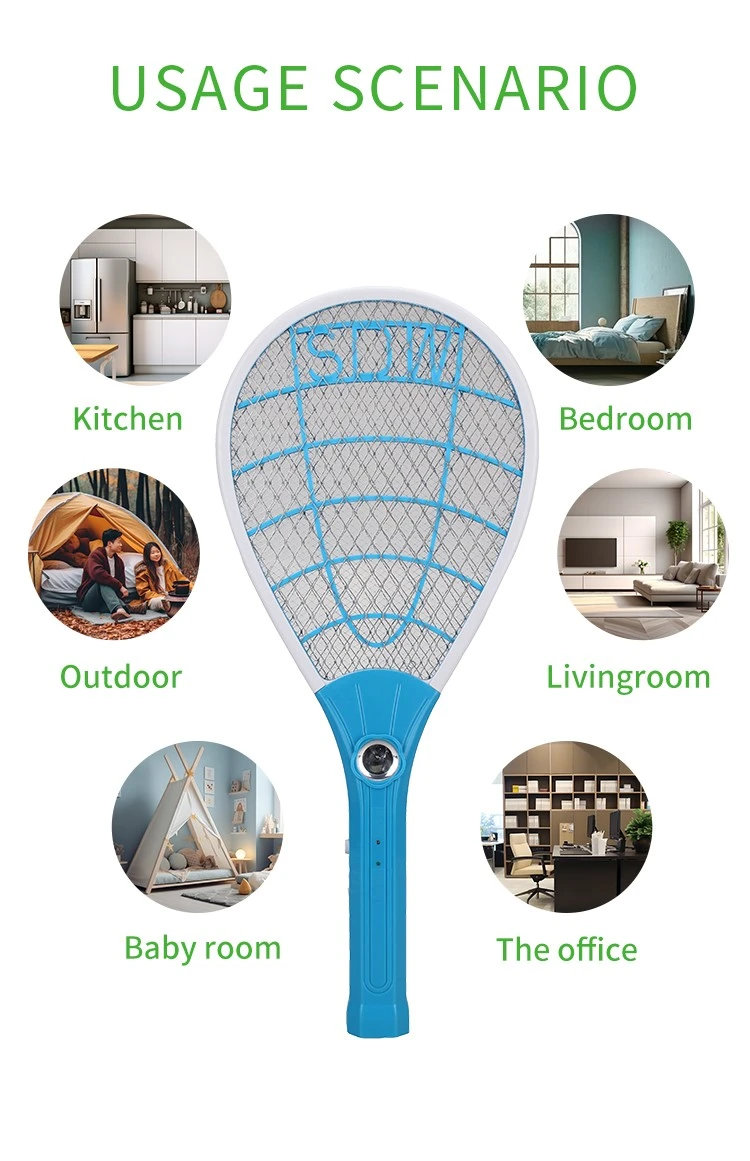
Most importers of electric mosquito swatters obsess over the first order: samples requested, factories vetted, a pre-shipment inspection booked. Then the reorder arrives eight months later and something is off. The grid feels softer. The charge port is a slightly different shade of black. The carton thickness dropped from 350 gsm to 300 gsm. Nothing is catastrophic — but the product no longer matches what your retail customers approved, and quietly, your return rate starts climbing.
How to Keep Mosquito Swatter Quality Consistent Across Repeat Orders
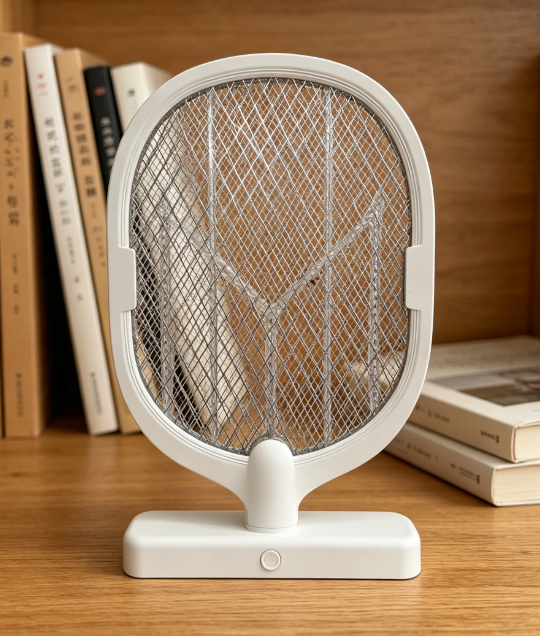
Warranty returns are the silent margin killer in the mosquito control category. A distributor who buys a swatter at $1.80 FOB and retails it at $9.90 can absorb a 1% return rate without noticing — but at 5%, the combined cost of replacement units, reverse logistics, and refund processing erases most of the line's profit.
Common mosquito swatter killer lamp failure modes wholesale spec guide

Digital bathroom scales rank as the second-highest-volume consumer weighing product category, only behind kitchen scales, with distinct market and product characteristics that set them apart from other scale types in importers’ product portfolios.
Digital bathroom body fat-bia-scale wholesale buyers guide