
Where to Put Bug Zapper
2025-05-12
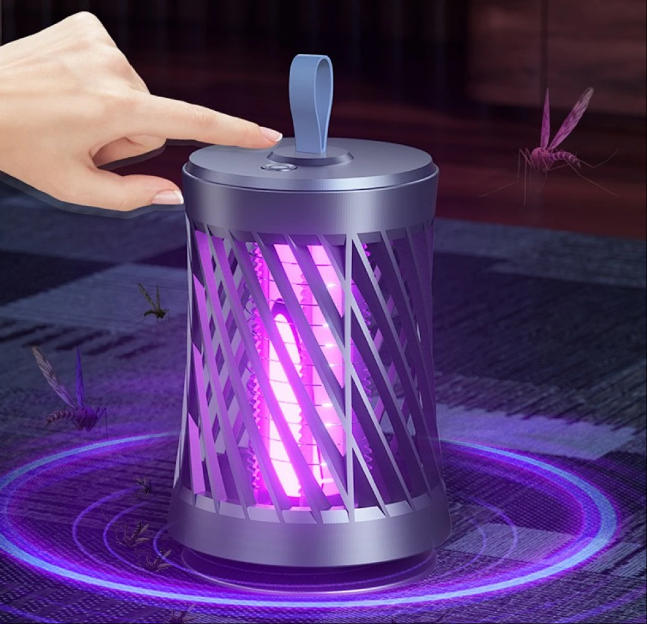
Where to Put Bug Zapper: A Comprehensive Guide
Introduction
Bug zappers are effective devices for reducing the mosquito and flying insect population around your home. However, their effectiveness largely depends on where you place them. Incorrect placement can lead to reduced efficiency and even potential hazards. In this blog, we'll explore the best locations for bug zappers to ensure they work optimally.
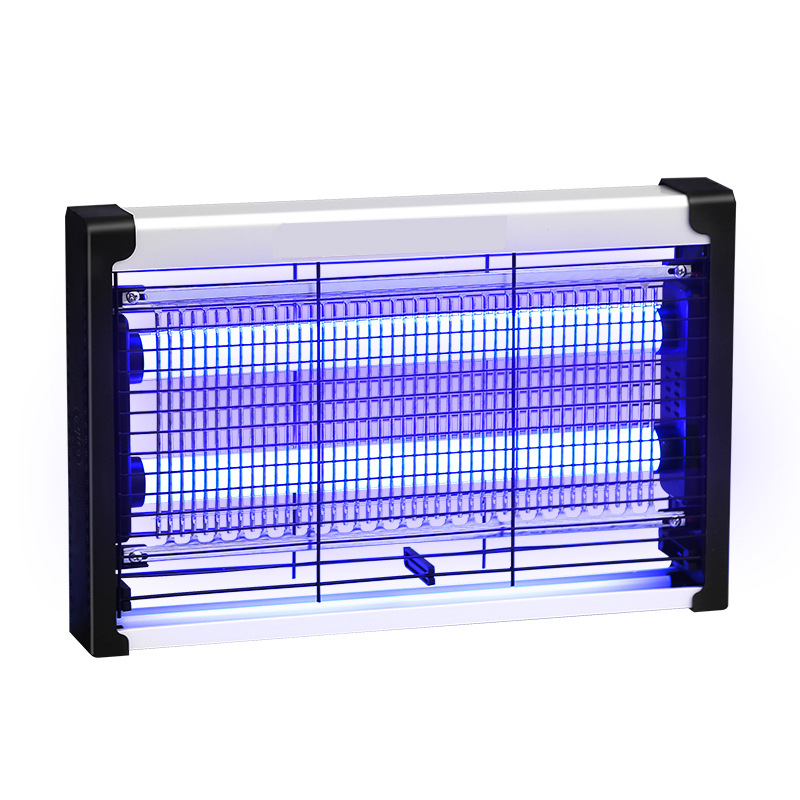
General Placement Principles
Away from Human Activity Areas
One of the most important rules is to keep bug zappers away from areas where people gather, such as patios, decks, and outdoor dining spaces. Bug zappers attract insects by emitting UV light, and when bugs are zapped, they can release fragments that might land on food or people. Placing them at least 10 - 15 feet away from these areas minimizes this risk.
Elevated Positions
Bug zappers should be hung or placed at an elevated position, ideally between 3 to 6 feet above the ground. This height is optimal because many flying insects tend to fly at this level. Hanging them on a hook, tree branch, or using a stand to raise them ensures they can effectively target insects in mid - flight.
Avoiding Windy Areas
Wind can disrupt the UV light and heat signals that attract insects to the bug zapper. So, avoid placing them in areas with strong drafts or high wind exposure, like directly in front of open doors or windows, or in very exposed outdoor spots. Instead, choose sheltered locations such as under eaves or in corners of porches.
Specific Location Recommendations
Outdoor Areas
- Garden and Yard: Place bug zappers near flower beds, bushes, or areas with standing water, as these are common breeding grounds for insects. This way, the zapper can intercept insects before they reach your home or living spaces.
- Garage: If you have a garage, installing a bug zapper inside can help keep flying insects out. Position it near the entrance but not too close to where you park your car or work on projects, to avoid the risk of bug debris falling on vehicles or tools.
Indoor Areas
- Basement: Since basements are often damp and attract insects, a bug zapper can be a great addition. Hang it in a central location away from storage areas where items could get dirty from zapped bugs.
- Utility Rooms: In rooms like laundry or utility rooms, which may have small openings that allow insects in, place the bug zapper near the ceiling in a corner. This keeps it out of the way while still effectively catching insects.
Conclusion
Proper placement of bug zappers is crucial for maximizing their effectiveness in controlling flying insects. By following the general principles and specific location recommendations above, you can ensure that your bug zapper works efficiently to keep your home and outdoor spaces insect - free. Remember, a well - placed bug zapper not only protects you from pesky bugs but also enhances the overall comfort of your living environment.
Where to Buy Bug Zapper
How Many People Do Mosquitoes Kill a Year
Related Article

If you’re struggling with annoying mosquitoes, flies, and other flying pests indoors and outdoors, upgrading from traditional manual tools to anElectric Mosquito Swatter is the most efficient solution. Many homeowners and renters search where to buy fly swatter online to find durable, safe, and high-performance electric models that deliver instant pest control.
Where to Buy Fly Swatter
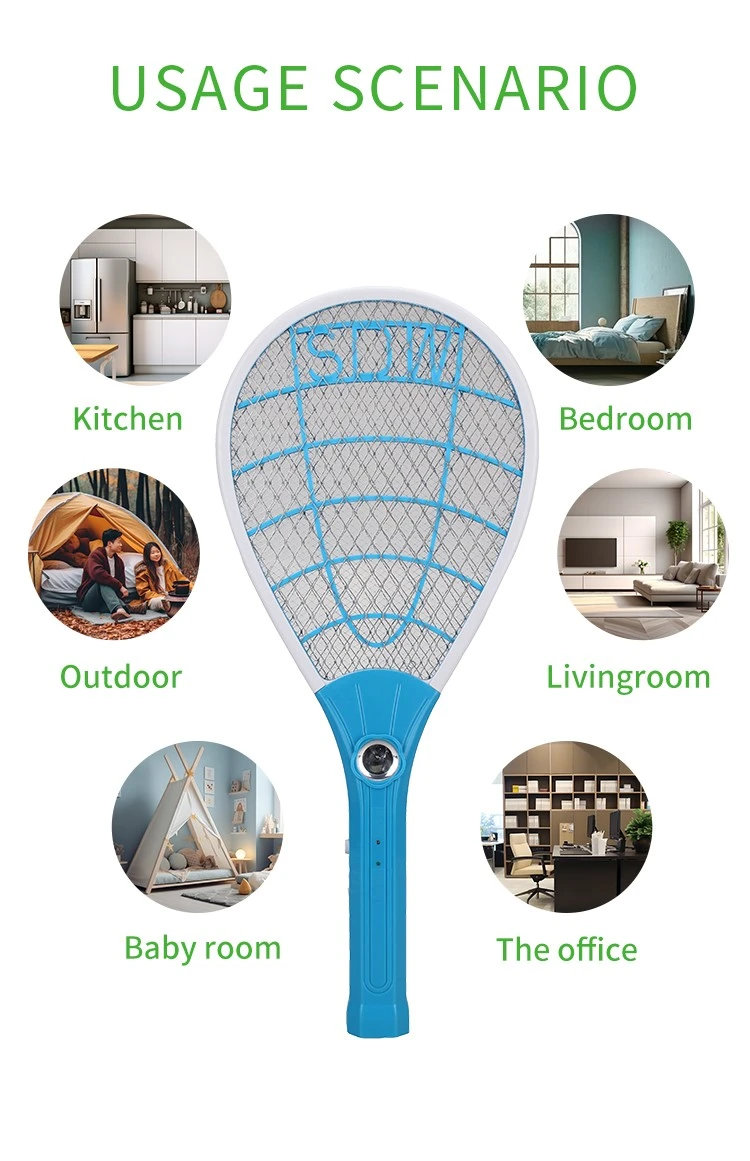
Most importers of electric mosquito swatters obsess over the first order: samples requested, factories vetted, a pre-shipment inspection booked. Then the reorder arrives eight months later and something is off. The grid feels softer. The charge port is a slightly different shade of black. The carton thickness dropped from 350 gsm to 300 gsm. Nothing is catastrophic — but the product no longer matches what your retail customers approved, and quietly, your return rate starts climbing.
How to Keep Mosquito Swatter Quality Consistent Across Repeat Orders
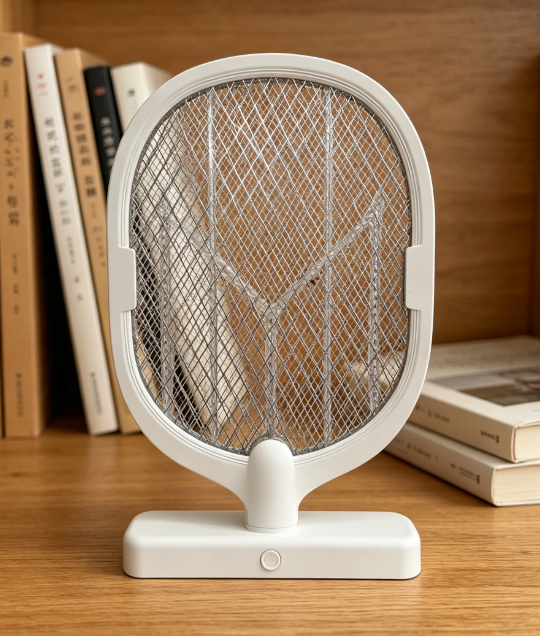
Warranty returns are the silent margin killer in the mosquito control category. A distributor who buys a swatter at $1.80 FOB and retails it at $9.90 can absorb a 1% return rate without noticing — but at 5%, the combined cost of replacement units, reverse logistics, and refund processing erases most of the line's profit.
Common mosquito swatter killer lamp failure modes wholesale spec guide

Digital bathroom scales rank as the second-highest-volume consumer weighing product category, only behind kitchen scales, with distinct market and product characteristics that set them apart from other scale types in importers’ product portfolios.
Digital bathroom body fat-bia-scale wholesale buyers guide