
Which insects are attracted to lights
2025-07-18
When lights are turned on at night, especially outdoor lights or indoor lights near windows, various small insects always gather around the lights. For those who are troubled by this phenomenon, let's learn more about which insects are easily attracted to lights and the corresponding measures.
Common insects attracted to lights
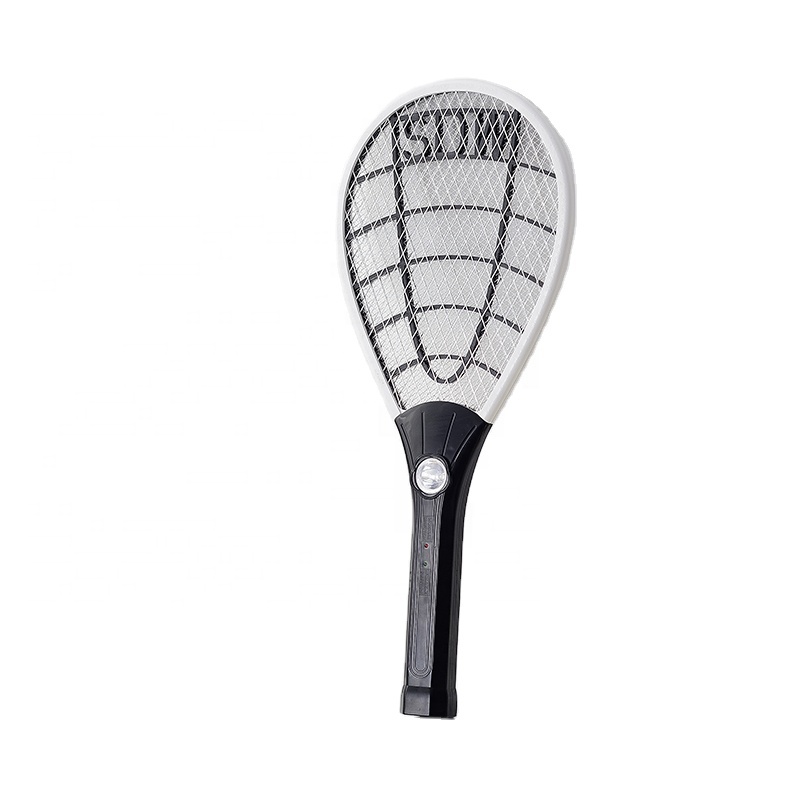
Many insects have varying degrees of phototaxis, and the following are the ones we often see around lights.
Mosquitoes
Mosquitoes are one of the insects that are easily attracted to lights, especially light of specific wavelengths (such as ultraviolet light and blue light).
Moths are typical insects with strong phototaxis. Whether it is ordinary incandescent lamps, fluorescent lamps, or outdoor street lamps, they can attract moths to fly around the lights. Some large moths may even hit the lights directly, which is a common sight on summer nights.
Flies
Flies also have a certain tendency to be attracted to light. Although they are more sensitive to food odors, when there is a bright light source in the environment, especially on pitch - black nights, flies will also gather near the lights.
Beetles
Many types of beetles, such as longhorn beetles and ladybugs, are also attracted to lights. They usually move at night and will fly towards the light source as a "target". This phenomenon is more obvious near outdoor lights in rural areas or suburbs.
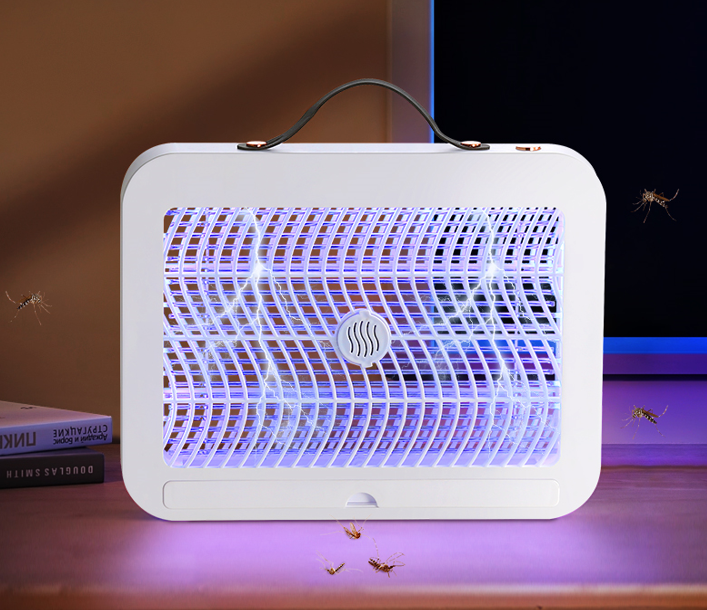
Why are these insects attracted to lights?
Insects are attracted to lights not simply because they "like light", but because it is related to their living habits and survival needs.
Navigation mechanism
In nature, insects usually use natural light sources (such as the sun and the moon) for navigation. These natural light sources are far away, and the light reaching the ground is approximately parallel. Insects fly in a straight line by keeping a fixed angle with the light rays. However, artificial light sources (such as lamps) are close, and the light rays are radial. Insects still try to keep a fixed angle with the light rays, which makes them fly in a spiral and finally gather around the lights.
Physiological response
The visual systems of some insects are sensitive to light of specific wavelengths. For example, the visual organs of mosquitoes and moths can perceive ultraviolet light and short - wave visible light, and the light emitted by many lamps contains these wavelengths, which stimulates their physiological responses and makes them move towards the light source.
How to reduce the number of insects attracted to lights?
If you don't want too many insects to gather around the lights, you can take the following measures.
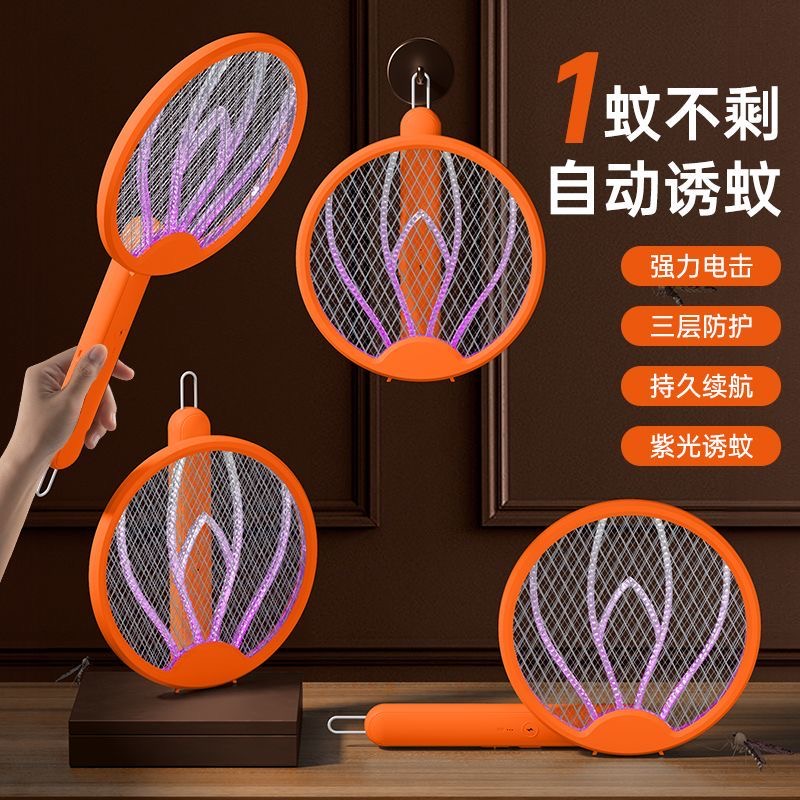
Try to choose light sources with longer wavelengths, such as yellow light and orange light. Compared with white light and blue light, these light sources are less attractive to most insects.
Control the use of lights
Reduce the use of outdoor lights when not necessary, or install the lights in relatively hidden positions, such as under the eaves, to reduce the spread range of light and the attraction to insects.
How to Find a Reliable Mosquito Swatter Manufacturer
Solar Mosquito Killer Lamp, a Healthy and Eco - friendly Choice
Related Article

If you’re struggling with annoying mosquitoes, flies, and other flying pests indoors and outdoors, upgrading from traditional manual tools to anElectric Mosquito Swatter is the most efficient solution. Many homeowners and renters search where to buy fly swatter online to find durable, safe, and high-performance electric models that deliver instant pest control.
Where to Buy Fly Swatter
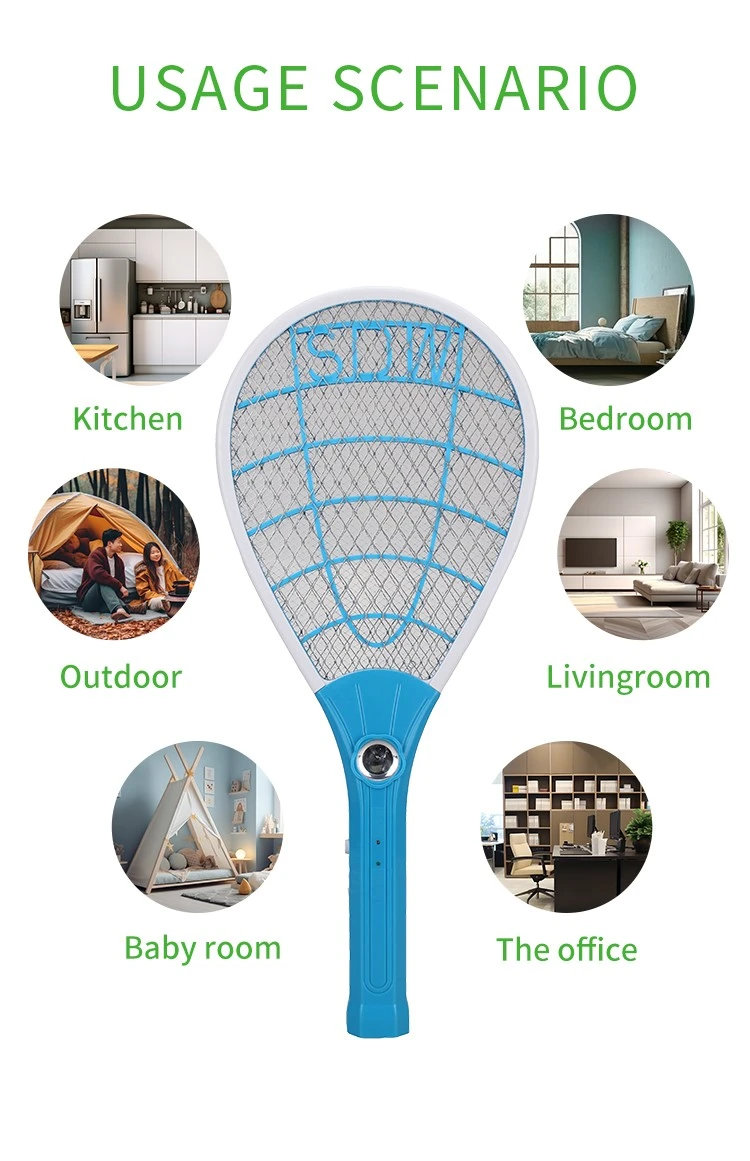
Most importers of electric mosquito swatters obsess over the first order: samples requested, factories vetted, a pre-shipment inspection booked. Then the reorder arrives eight months later and something is off. The grid feels softer. The charge port is a slightly different shade of black. The carton thickness dropped from 350 gsm to 300 gsm. Nothing is catastrophic — but the product no longer matches what your retail customers approved, and quietly, your return rate starts climbing.
How to Keep Mosquito Swatter Quality Consistent Across Repeat Orders
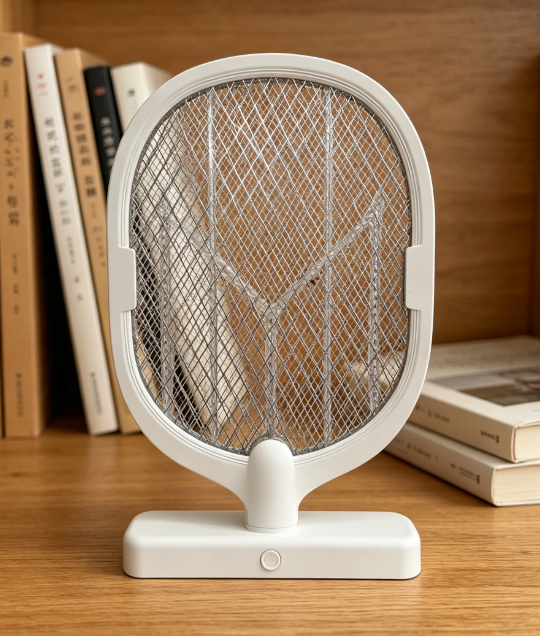
Warranty returns are the silent margin killer in the mosquito control category. A distributor who buys a swatter at $1.80 FOB and retails it at $9.90 can absorb a 1% return rate without noticing — but at 5%, the combined cost of replacement units, reverse logistics, and refund processing erases most of the line's profit.
Common mosquito swatter killer lamp failure modes wholesale spec guide

Digital bathroom scales rank as the second-highest-volume consumer weighing product category, only behind kitchen scales, with distinct market and product characteristics that set them apart from other scale types in importers’ product portfolios.
Digital bathroom body fat-bia-scale wholesale buyers guide