
Which is the RIGHT Bug Zapper for you
2025-12-16
Which is the RIGHT Bug Zapper for you?
A bug zapper is your secret weapon to reclaiming pest-free spaces, but with so many options on the market, how do you pick the RIGHT one for your needs? Let’s break down the key factors to consider, so you can stop wasting time (and money) on ill-fitting devices.
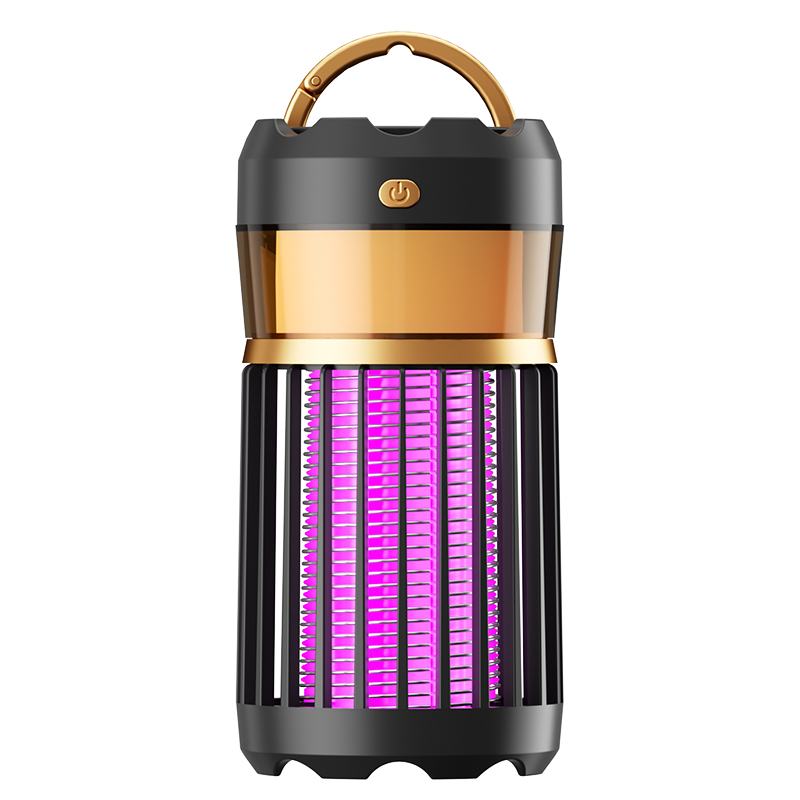
1. Start with Your Usage Scene
The first question to ask: Where will you use the bug zapper? Your space dictates the type and size you need.
- Indoor Spaces (Bedrooms, Living Rooms, Offices): Opt for compact, quiet models. Look for sticky trap bug zappers (no loud zapping sound or flying debris) or small UV light zappers with a protective grid. Avoid large, high-voltage options—they’re designed for outdoors and can be noisy or unsafe around kids/pets.
- Outdoor Spaces (Patios, Yards, Camping): Go for powerful, weather-resistant zappers. Electric grid zappers (with UV light to attract bugs) work well for large yards (coverage ½ to 1 acre), while battery-powered portable zappers are perfect for camping or small patios. Look for IPX4 or higher water resistance to withstand rain.
- Special Areas (Kitchens, Baby Rooms): Prioritize safety and cleanliness. Sticky trap zappers are ideal here—no electric shock, no dead bug mess, and non-toxic for food prep areas or nurseries.
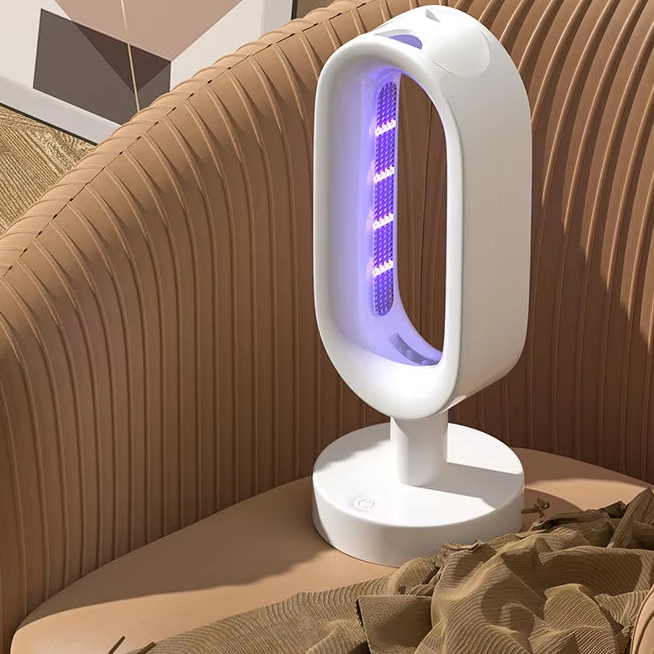
2. Consider Coverage Area
Bigger isn’t always better—choose a zapper that matches your space size:
- Small spaces (≤ 100 sq ft: bedrooms, bathrooms): Compact zappers (coverage 50-100 sq ft) are enough.
- Medium spaces (100-300 sq ft: living rooms, small patios): Mid-range zappers (coverage 100-300 sq ft) work best.
- Large spaces (> 300 sq ft: big yards, gardens): High-powered outdoor zappers (coverage ½ acre or more) are necessary. Overbuying a large zapper for a small room wastes energy, while an undersized one won’t keep bugs away.
3. Type of Bug Zapper: Pros & Cons
Different zappers target bugs differently—pick based on your tolerance for noise, mess, and safety:
|
Type
|
Best For
|
Pros
|
Cons
|
|
UV Light + Electric Grid
|
Outdoor yards, high bug activity
|
Powerful, covers large areas, low maintenance
|
Loud zapping sound, dead bug debris, unsafe around kids/pets
|
|
Sticky Trap (UV + Adhesive Pad)
|
Indoor, kitchens, nurseries
|
Quiet, no mess, safe, non-toxic
|
Needs pad replacement, less powerful for heavy infestations
|
|
Battery-Powered Portable
|
Camping, small patios
|
Cordless, easy to move
|
Limited battery life, smaller coverage
|
|
Ultrasonic (Repels, not kills)
|
Indoor spaces (light bug issues)
|
Silent, chemical-free
|
Less effective for heavy infestations, doesn’t kill bugs
|
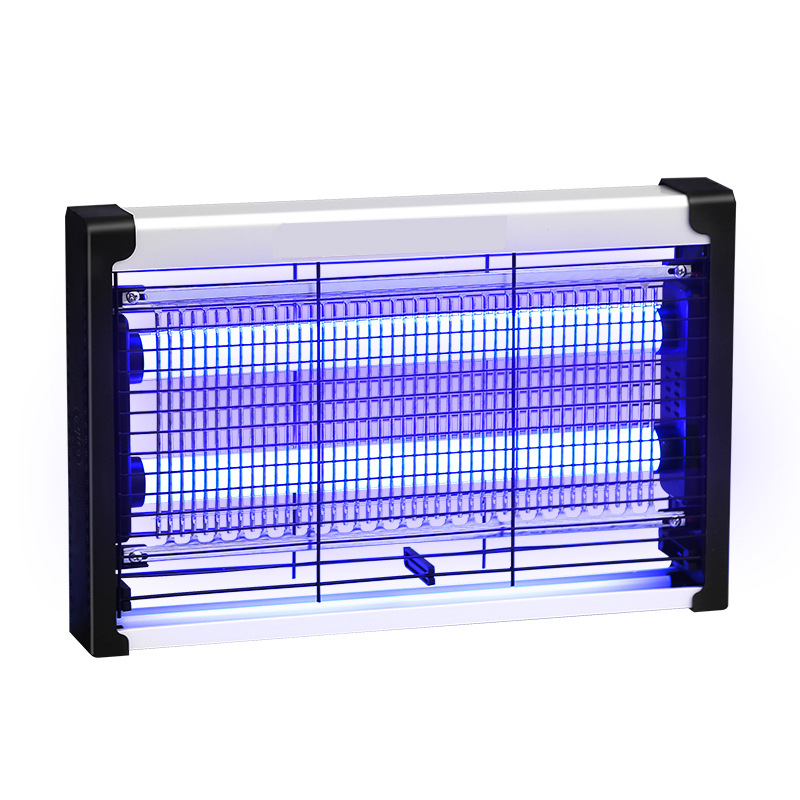
4. Extra Features That Matter
Small details can make a big difference in usability:
- Timer/Remote Control: Perfect for outdoor use—set it to turn on at dusk and off at dawn to save energy.
- USB Charging: Convenient for portable models (no need for extra batteries).
- Replaceable Parts: Look for zappers with replaceable UV bulbs or sticky pads (saves money long-term).
- Safety Features: For families with kids/pets, choose zappers with a protective outer grid or child-lock function.
Final Tip: Test & Adjust
The “right” zapper might take a little trial, but following these steps narrows it down. If you’re still unsure, start small—grab a compact indoor sticky trap for your living room or a portable outdoor zapper for your patio. Pay attention to how many bugs it catches, how easy it is to maintain, and if it fits your space.
At the end of the day, the RIGHT bug zapper is the one that fits your lifestyle: quiet and safe for indoor use, powerful and weather-resistant for outdoors, or portable for on-the-go. Stop letting bugs ruin your moments—pick the zapper that works for you, and enjoy pest-free days (and nights)!
What is factory inspection
Three core advantages of mosquito killer lamps compared to mosquito coils
Related Article

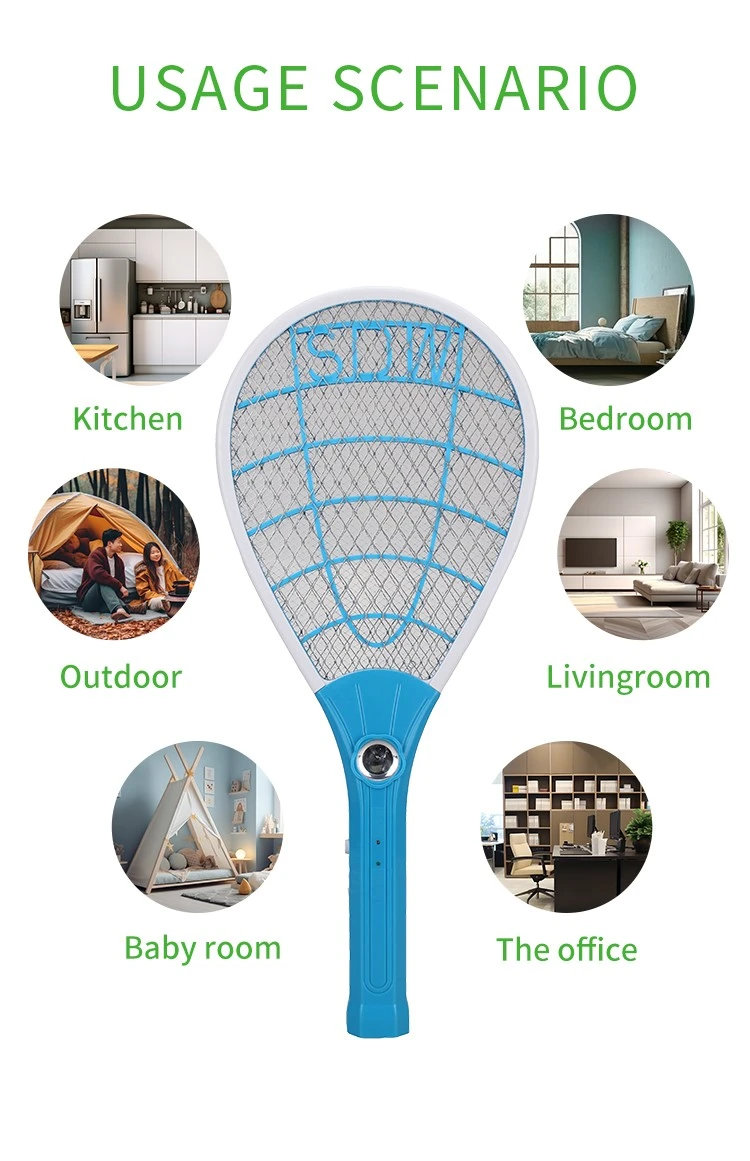
If you’re struggling with annoying mosquitoes, flies, and other flying pests indoors and outdoors, upgrading from traditional manual tools to anElectric Mosquito Swatter is the most efficient solution. Many homeowners and renters search where to buy fly swatter online to find durable, safe, and high-performance electric models that deliver instant pest control.
Where to Buy Fly Swatter
Most importers of electric mosquito swatters obsess over the first order: samples requested, factories vetted, a pre-shipment inspection booked. Then the reorder arrives eight months later and something is off. The grid feels softer. The charge port is a slightly different shade of black. The carton thickness dropped from 350 gsm to 300 gsm. Nothing is catastrophic — but the product no longer matches what your retail customers approved, and quietly, your return rate starts climbing.
How to Keep Mosquito Swatter Quality Consistent Across Repeat Orders
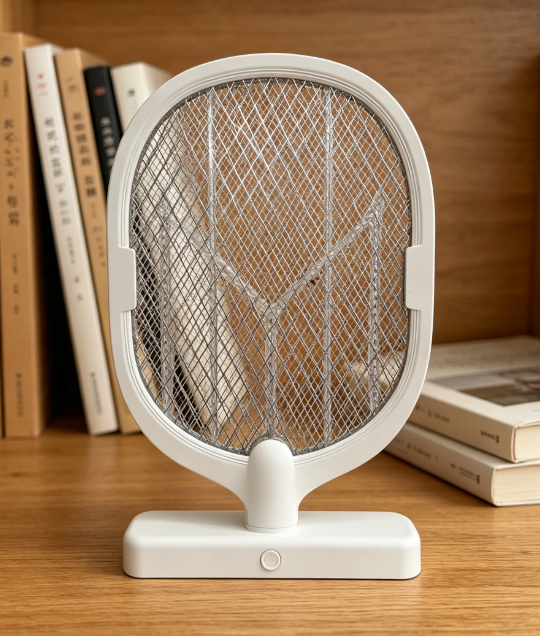
Warranty returns are the silent margin killer in the mosquito control category. A distributor who buys a swatter at $1.80 FOB and retails it at $9.90 can absorb a 1% return rate without noticing — but at 5%, the combined cost of replacement units, reverse logistics, and refund processing erases most of the line's profit.
Common mosquito swatter killer lamp failure modes wholesale spec guide

Digital bathroom scales rank as the second-highest-volume consumer weighing product category, only behind kitchen scales, with distinct market and product characteristics that set them apart from other scale types in importers’ product portfolios.
Digital bathroom body fat-bia-scale wholesale buyers guide